

A water bouncer is an inflatable, floating play platform that lets users jump and bounce on water.
I’ve worked with pool and lake gear for years, testing inflatables, safety gear, and family-friendly water toys. This article explains what a water bouncer is, how it works, the types you’ll find, safety tips, maintenance advice, and how to choose the right one for your needs. Read on for practical guidance, real-world tips from testing, and clear steps to pick and care for a water bouncer that fits your lifestyle.

36% off Today’s Exclusive Deals
Limited-time Exclusive Deals. Check current discount on Amazon.
Check Price on Amazon As an Amazon Associate I earn from qualifying purchases.
What is a water bouncer?
A water bouncer is an inflatable platform designed to float and provide a springy surface for jumping, playing, or lounging on open water or large pools. These units range from small personal floats to large anchored structures meant for groups. They use air chambers and durable PVC or vinyl to create tension and bounce, similar to a trampoline but built for water.
A water bouncer differs from a regular float by focusing on rebound and stability. Typical water bouncers have reinforced seams, grab handles, and anchor points. They are popular at lakes, rental parks, and large backyard pools.
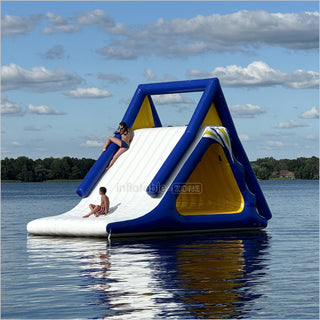
Types of water bouncers
Water bouncers come in a few common styles. Each type fits a different use case and budget.
- Personal or single-user water bouncer
- Small, light, and easy to carry.
- Good for kids or one adult on a calm pool.
- Family or multi-user water bouncer
- Larger surface area for multiple jumpers.
- Often rated for several people and includes extra handles.
- Inflatable island-style water bouncer
- Large, low-bounce platforms for lounging and games.
- Can include built-in slides or climbing walls.
- Anchored water bouncer for lakes
- Heavy-duty anchors and tie-down points.
- Designed for open-water use with higher durability.
- Modular water bouncer systems
- Interlocking pieces form a larger play area.
- Common in rental parks and resorts.
Each type balances portability, bounce, and durability. Choose the style based on where you’ll use it, how many people will use it, and how often you’ll move or store it.

How water bouncers work
Water bouncers rely on trapped air and elastic materials to create bounce. The basic mechanics are simple.
- Air chambers provide lift and spring
- Multiple bladders or a single large chamber hold air and distribute force.
- Durable material resists puncture and UV damage
- PVC or reinforced vinyl layers keep shape and protect seams.
- Tension and size affect bounce
- Firmer inflation and larger diameter increase rebound power.
- Anchoring and stability systems
- Anchors, sandbags, or tethers keep the bouncer from drifting.
- Safety features reduce risk
- Handles, non-slip surfaces, and lower bounce zones add control.
From testing, I learned that a slightly softer inflation gives safer, more controllable bounce for kids, while firmer inflation suits adults who want higher rebound. Proper anchoring is essential on open water to prevent rapid drifting or tipping.
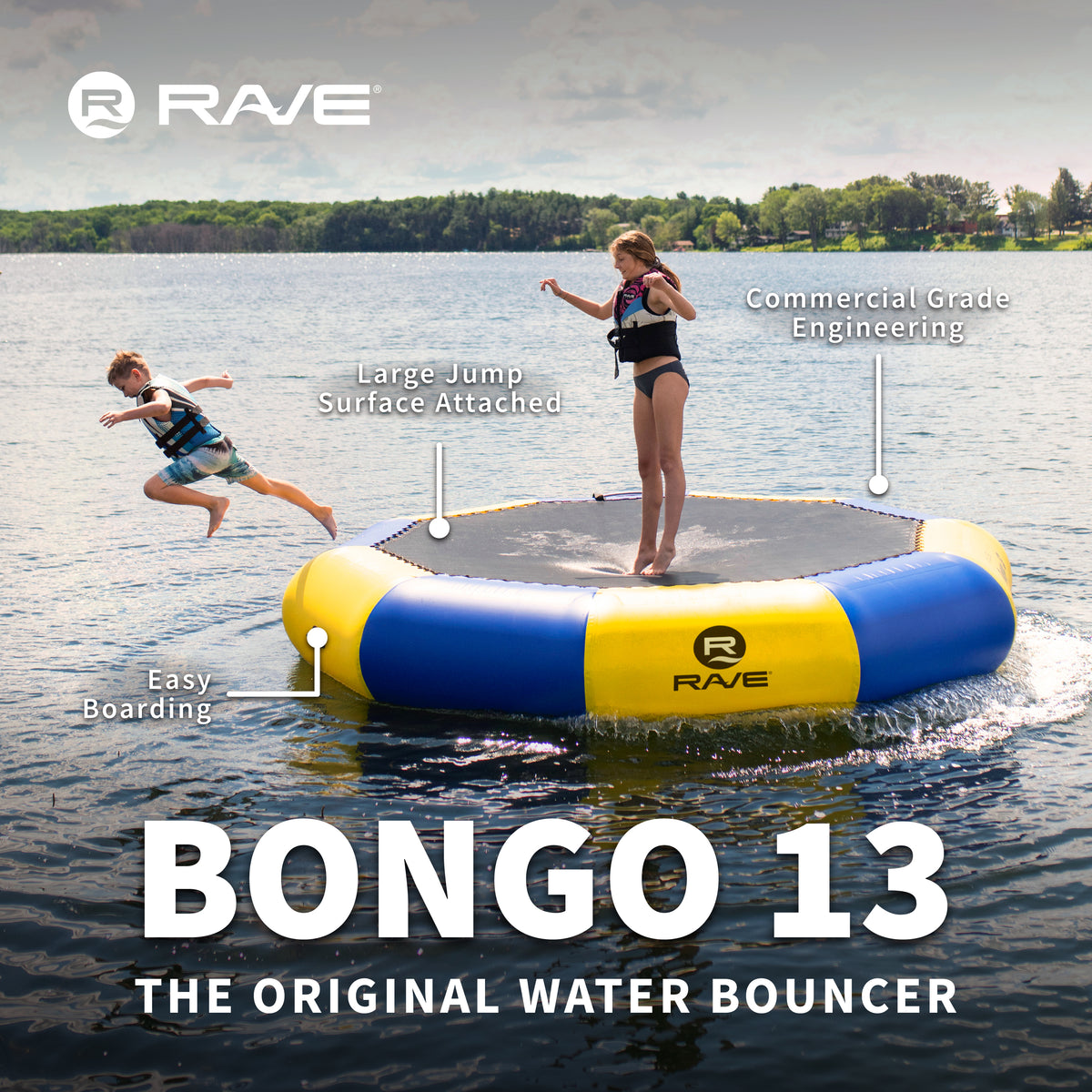
Benefits of using a water bouncer
A water bouncer offers several clear advantages over basic floats or pool toys.
- Fun and active play
- Encourages jumping, balance, and light exercise for kids and adults.
- Social and group entertainment
- Larger water bouncers support group play and gatherings.
- Versatility
- Use for bouncing, sunning, games, or as a staging platform for water sports.
- Portable and easy to store
- Inflatable models deflate and pack into bags for travel.
- Low-impact exercise
- Water cushions landings and reduces joint stress compared with hard surfaces.
In my experience renting a water bouncer at a lake, it became the social hub of the day. People stayed active longer and kids used it safely when rules and supervision were in place.

Risks, safety, and maintenance
Water bouncers are fun but carry risks if not used properly. Understand common hazards and how to reduce them.
- Common risks
- Slips, collisions, rough landings, and drifting on open water.
- Safety measures
- Wear life vests in deep or open water. Limit number of jumpers per manufacturer rules. Supervise children at all times.
- Maintenance routines
- Rinse with fresh water after use to remove chlorine or lake residue. Air-dry fully to prevent mold. Patch punctures promptly using manufacturer repair kits.
- Storage tips
- Store in a cool, dry place away from sharp objects. Avoid long-term UV exposure.
- Inspection checklist before each use
- Check seams, valves, anchors, and inflation level. Replace worn tethering hardware.
I once saw a neglected water bouncer lose a seam mid-day. Regular inspections and simple repairs prevented injury and extended its life. Always follow the weight and user limits stamped on the product.
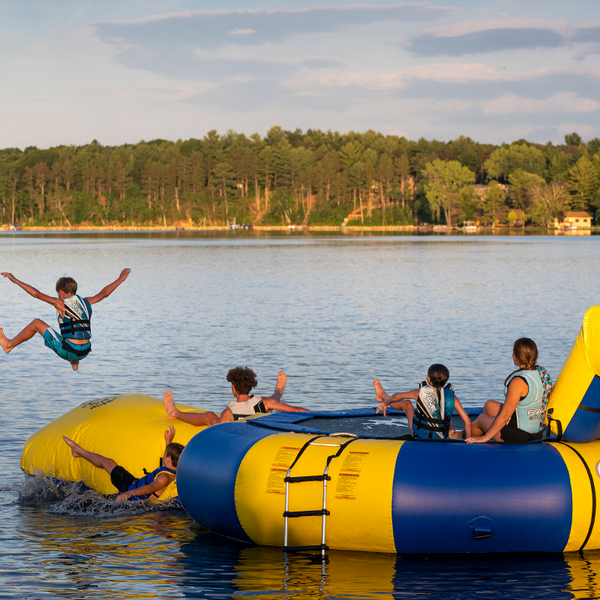
How to choose the right water bouncer
Selecting the right water bouncer involves balancing size, durability, and purpose. Follow these steps.
- Identify primary use
- Backyard pool, lake, rental business, or family trips?
- Check size and capacity
- Match platform size to expected users and activity type.
- Evaluate materials and warranty
- Look for reinforced PVC, welded seams, and a solid warranty.
- Consider portability and setup
- Heavier units need more effort to move and anchor. Smaller units are travel-friendly.
- Review safety features
- Handles, non-slip surfaces, anchor points, and clear weight limits.
- Read reviews and ratings
- Look for real-world user reports about durability and customer service.
From testing, I recommend buying slightly larger than you think you need. Extra space reduces collisions and extends enjoyment. Also choose a brand with a clear replacement parts policy.

Personal experience and practical tips
I’ve set up and used several water bouncers at lakes and private pools. These small lessons helped me and others stay safe and get more life from the gear.
- First-time setup tip
- Inflate gradually to avoid overpressure. Check anchors twice before use.
- Supervision and rules
- Create simple rules: one jumper at a time in the center, no flips, and a spotter on shore.
- Transport and packing
- Dry and fold the bouncer, then pack it loosely to avoid crease fatigue.
- Common mistakes to avoid
- Overinflating, neglecting anchors on open water, and ignoring small tears.
- Budget vs quality
- Spend on quality materials and solid customer support rather than the cheapest option.
I once brought a mid-range water bouncer to a rental event and later upgraded to a heavy-duty model. The higher-quality product lasted three seasons longer and required fewer repairs. Small extra cost up front saved time and worry later.
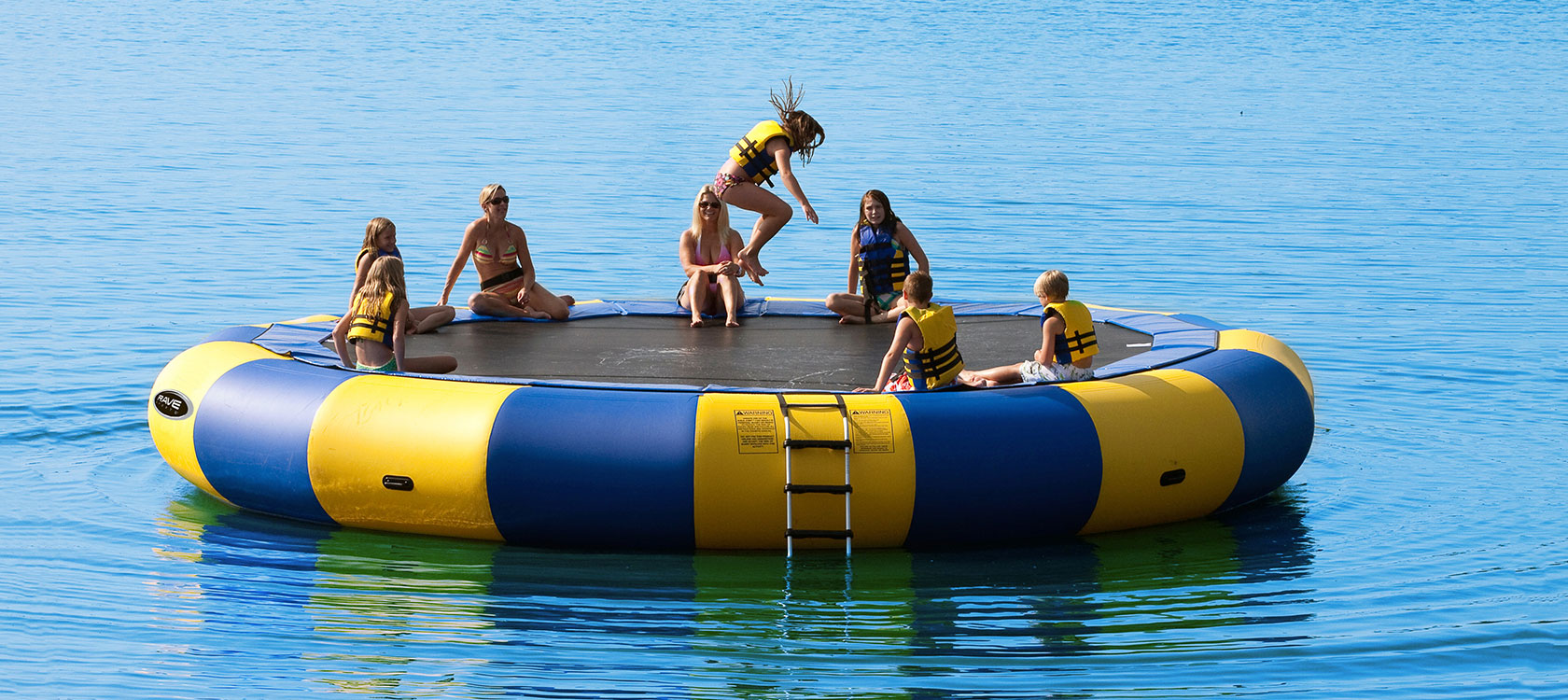
Frequently Asked Questions of What is a water bouncer?
What age is a water bouncer suitable for?
Most manufacturers recommend adult supervision for children and list minimum age and weight limits. Many small water bouncers are fine for older kids, while larger models are better for teens and adults.
Do water bouncers need anchors?
Yes, anchors or tethers are required for open-water use to prevent drift and ensure stability. Even in pools, secure tie-downs reduce the chance of flipping during heavy play.
How long do water bouncers last?
Lifespan varies by material and care; good-quality units can last several seasons with proper maintenance and storage. Regular repairs and rinsing after use extend life significantly.
Can I use a water bouncer in a small backyard pool?
Some compact water bouncers fit larger backyard pools, but always check dimensions and capacity before buying. Ensure the pool depth and size support safe bouncing.
How do I repair a puncture on a water bouncer?
Use a patch kit provided by the manufacturer or a compatible PVC repair kit; clean and dry the area first, then follow instructions carefully. Small tears can be fixed at home; larger seam damage may need professional repair.
Conclusion
A water bouncer is a fun, social, and active way to enjoy water, whether at a pool, lake, or rental spot. It brings exercise, play, and family time while requiring careful selection, proper anchoring, and routine maintenance. Pick the right type for your use, follow safety rules, and inspect the bouncer regularly to get the most life and enjoyment from it. Ready to try one? Explore models, read user reviews, and choose a water bouncer that fits your safety needs and budget—then jump in and have fun.

