

Water bouncers can be safe for kids when used properly, supervised closely, and chosen by age and design.
I’ve reviewed safety data, tested products, and advised parents on pool play for years. This article explains how water bouncers work, the real risks, age and design limits, setup and supervision best practices, and maintenance tips. Read on to learn practical steps to keep kids safe while they enjoy water bouncers, with clear checklists and real-life lessons you can use today.

36% off Today’s Exclusive Deals
Limited-time Exclusive Deals. Check current discount on Amazon.
Check Price on Amazon As an Amazon Associate I earn from qualifying purchases.
How water bouncers work and the types you’ll find
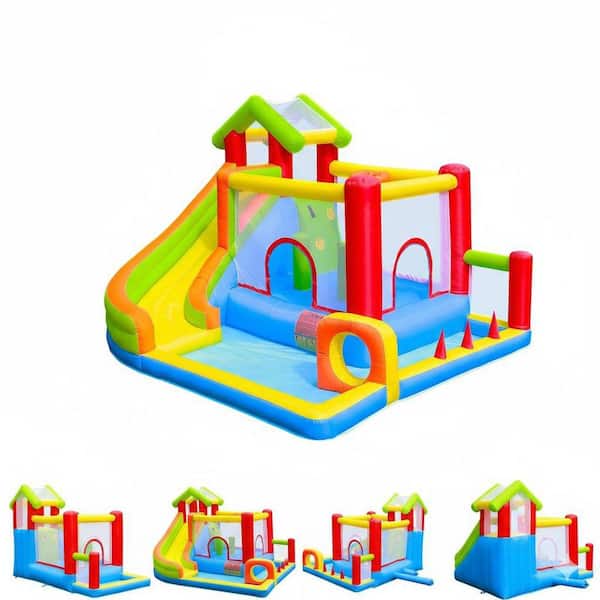
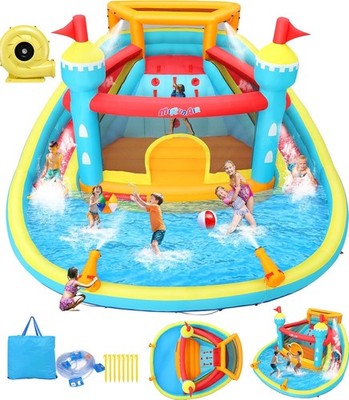
Water bouncers are inflatable play surfaces or floating seats made for pools, lakes, or backyard play. Some are small float seats for babies. Others are large inflatables designed for bouncing and sliding. The main types include:
- Pool float bouncers for toddlers and preschoolers.
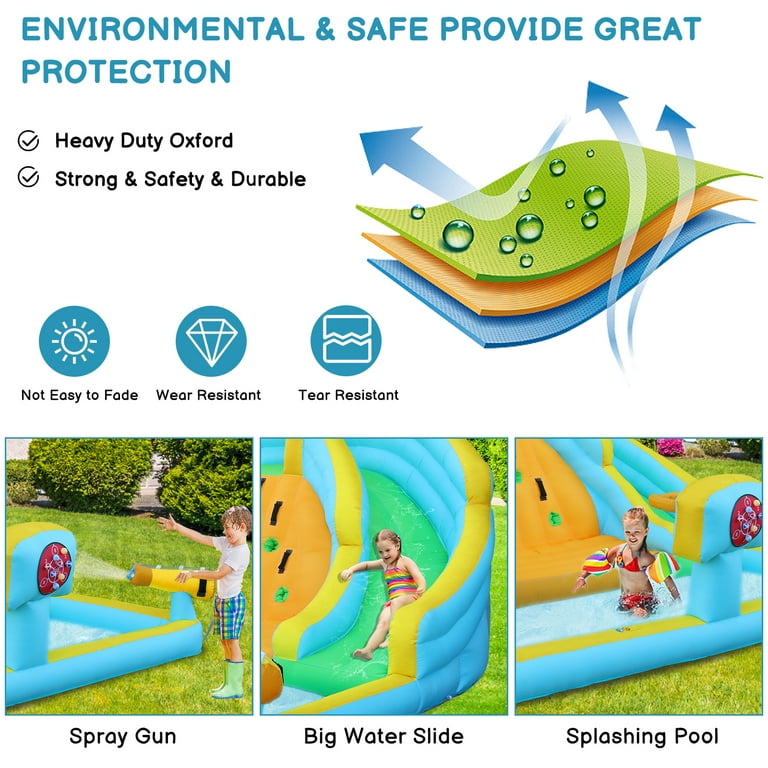
- Inflatable water trampolines for older kids and teens.
- Baby water bouncer seats with mesh bottoms and canopy.
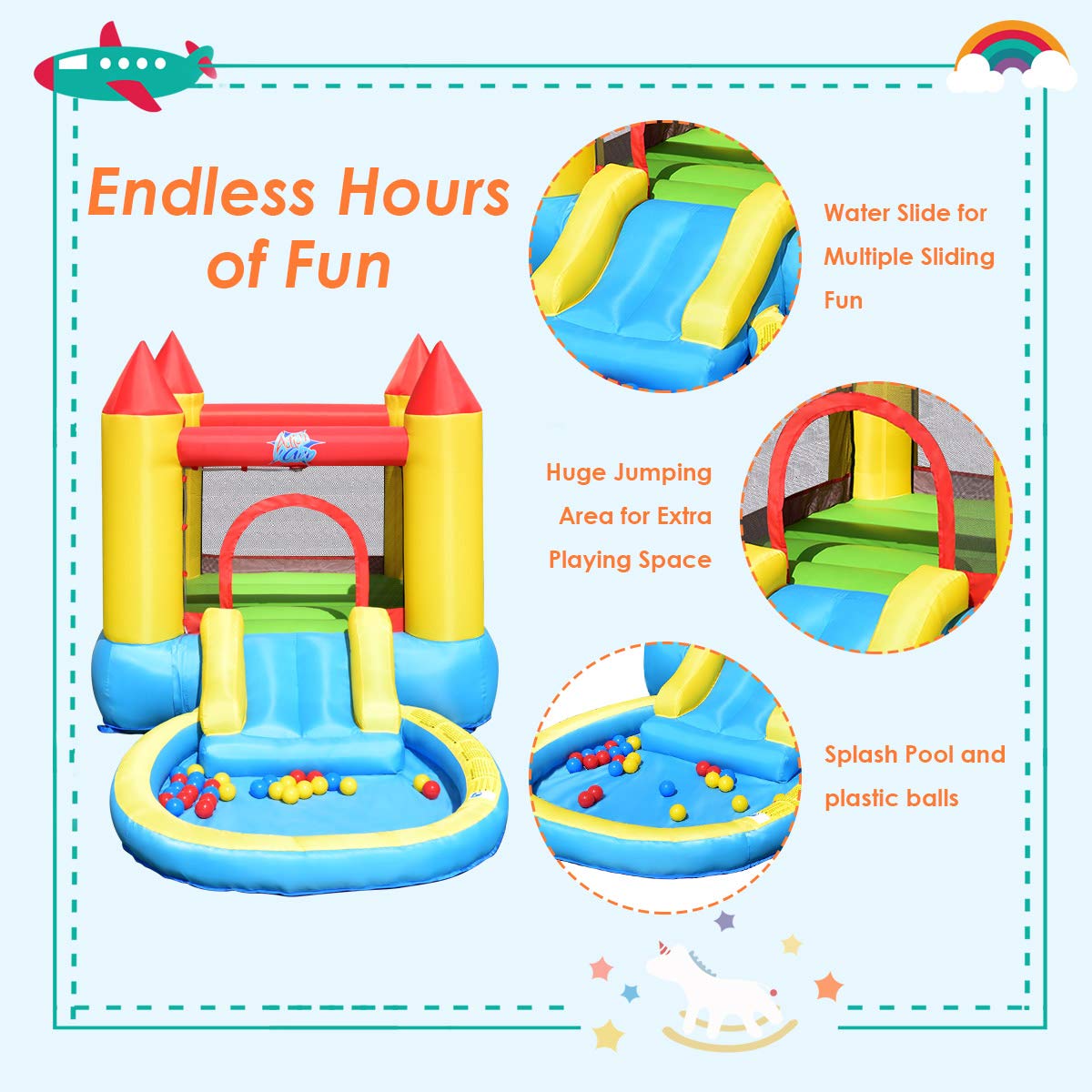
- Hybrid toys that combine a bounce surface with a small pool.
Most water bouncers float because air chambers displace water. Bounce comes from inflated air pockets, the material stiffness, and the water underneath. Designs vary in stability and risk. Knowing the type matters more than the brand.

Common safety risks and hazards
Water bouncers bring clear benefits: fun, exercise, and sensory play. They also carry specific hazards you should know:
- Drowning risk from sudden slips, falls, or tipping into deep water.
- Entrapment risk where limbs or hair get caught in seams or openings.
- Impact or collision injuries when multiple children jump together.
- Sunburn and heat stress from long exposure on reflective inflatables.
- Material failure from punctures or over-inflation, causing sudden collapse.
Risk increases when the water bouncer is used beyond its design limits. Supervision lapses and false sense of security are common causes of accidents. Being clear on these hazards helps you prevent most problems.

Age, weight, and design considerations
Choosing the right water bouncer starts with age and weight limits. Manufacturers rate products for safe use. Follow these rules:
- Never use a baby or toddler water bouncer in deep water. Keep baby bouncers in shallow, supervised areas only.
- For inflatable water trampolines, follow the maximum weight and user count. These are built for older kids.
- Check the stability features: wide base, multiple air chambers, and low center of gravity reduce tipping.
- Avoid small float bouncers marketed for toddlers if your child can crawl or dive; those can tip unexpectedly.
Age-appropriate choice prevents many injuries. If in doubt, pick the more conservative option.

Safety checklist and step-by-step setup guide
Use this checklist every time you set up a water bouncer. It’s a small routine that prevents big problems.
Before use
- Inspect seams and valves for leaks or damage.
- Confirm inflation pressure matches the manual. Do not over-inflate.
- Place the bouncer in calm water away from pool edges, drains, and ladders.
- Read age and weight limits on the product label.
During use
- Provide active supervision within arm’s reach for younger kids. For older kids, keep a direct line of sight and no more than one adult per 6–8 kids depending on age.
- Require life jackets for non-swimmers and weak swimmers. Inflatable toys are not life-saving devices.
- Limit the number of jumpers to the manufacturer’s recommendation.
- Rotate kids; avoid long continuous sessions that cause fatigue.
After use
- Deflate partially to release pressure, then dry and store away from sunlight.
- Repair punctures promptly with a proper patch kit.
- Re-check valves and seams before next use.
This routine stops small issues from becoming dangerous. It also helps the bouncer last longer.
Maintenance, inspection, and storage best practices
Good care keeps water bouncers safe and durable. Follow these practical steps:
- Inspect every session for cracks, thinning material, or worn stitching.
- Clean with mild soap and fresh water after each use to remove chlorine and salt.
- Allow full drying before folding to prevent mold and material breakdown.
- Store in a cool, dry place away from sharp objects and direct sun.
- Replace any damaged or hard-to-repair parts; old patches can fail.
Regular checks reduce sudden failures. I learned this the hard way when a tiny pinhole became a larger tear because it went unnoticed. A five-minute inspection is worth it.
Personal experience and expert tips
I’ve supervised dozens of pool sessions with water bouncers. Here are real lessons I learned:
- Never rely on the bouncer to keep a child afloat. Treat it like a toy, not a safety device.
- Set clear rules for jumping and play before kids step on the bouncer. Rules reduce risky behavior.
- For baby seats, I always kept two adults nearby. Babies can slip through mesh and tip quickly.
- Use bright-colored bouncers and place them in shallow, lifeguard-visible zones when possible.
Tip checklist from my experience
- Teach kids how to safely get on and off the bouncer.
- Rotate users to prevent crowding and collisions.
- Use sunscreen and reapply frequently. Inflatables reflect sun and speed up burns.
These habits made my pool time safer and more fun. Small changes prevent big accidents.
Quick questions people often ask about water bouncers
What safety gear should kids wear on a water bouncer?
- Non-swimmers should wear U.S. Coast Guard–approved life jackets near or on bouncers. Arm floats are not a substitute for a life jacket.
Can multiple kids use a water bouncer at once?
- Only if the manufacturer allows it and weight limits are not exceeded. Fewer jumpers reduce collision risk.
Is supervision necessary at all times?
- Yes. Active, attentive supervision is required whenever children use a water bouncer, even if they are strong swimmers.
How do I stop tipping or flipping?
- Place the bouncer in calm water, limit users, and choose wide, low-profile models for better stability.
Are inflatable water bouncers safe in the lake?
- They can be, but lake conditions change. Avoid strong currents, waves, and deep water. Use life jackets and close supervision.
Frequently Asked Questions of Are water bouncers safe for kids?
Are water bouncers safe for toddlers?
Water bouncers can be safe for toddlers only when designed for that age and used in shallow, supervised water. Always follow the product's age and weight limits and keep an adult within arm’s reach.
Do water bouncers prevent drowning?
No. Water bouncers are recreational toys and do not replace life jackets or supervision. They may help float but can tip or leak, so active supervision and proper flotation devices are essential.
What safety gear should children use on water bouncers?
Non-swimmers should wear approved life jackets, not just arm floats. You can add non-slip footwear near the pool and ensure sunscreen for skin protection.
How often should I inspect a water bouncer?
Inspect before each use for punctures, loose seams, and valve issues. Perform a deeper inspection monthly if you use it often and repair any damage immediately.
Can older kids use large inflatable water trampolines safely?
Older kids can use them safely with strict rules, limited jumpers, life jackets for weak swimmers, and adult supervision. Follow manufacturer rules and avoid risky stunts.
Is it safe to leave water bouncers in the sun all day?
No. Prolonged sun exposure degrades material and increases puncture risk. Store inflatables in shade when not in use and avoid leaving them inflated outdoors for long periods.
Conclusion
Water bouncers can be safe and fun when you choose the right type, follow manufacturer limits, and practice active supervision. Regular inspections, proper setup, and simple rules reduce most risks. Start every session with a quick safety check and clear rules. Your next step: pick a bouncer that matches your child’s age and skill, and commit to the supervision checklist above. If this helped, try a safety drill this weekend, subscribe for more pool-safety tips, or leave a comment with your questions.

