

Clean a water bouncer by rinsing, washing with mild soap, disinfecting, rinsing again, and fully air drying.
I have cleaned dozens of inflatables and water bouncers, and I’ll walk you through a clear, safe, and simple method. This guide answers how do you clean a water bouncer? with step‑by‑step instructions, supplies, troubleshooting, and real tips from hands‑on experience so your bouncer stays safe and lasts longer.

36% off Today’s Exclusive Deals
Limited-time Exclusive Deals. Check current discount on Amazon.
Check Price on Amazon As an Amazon Associate I earn from qualifying purchases.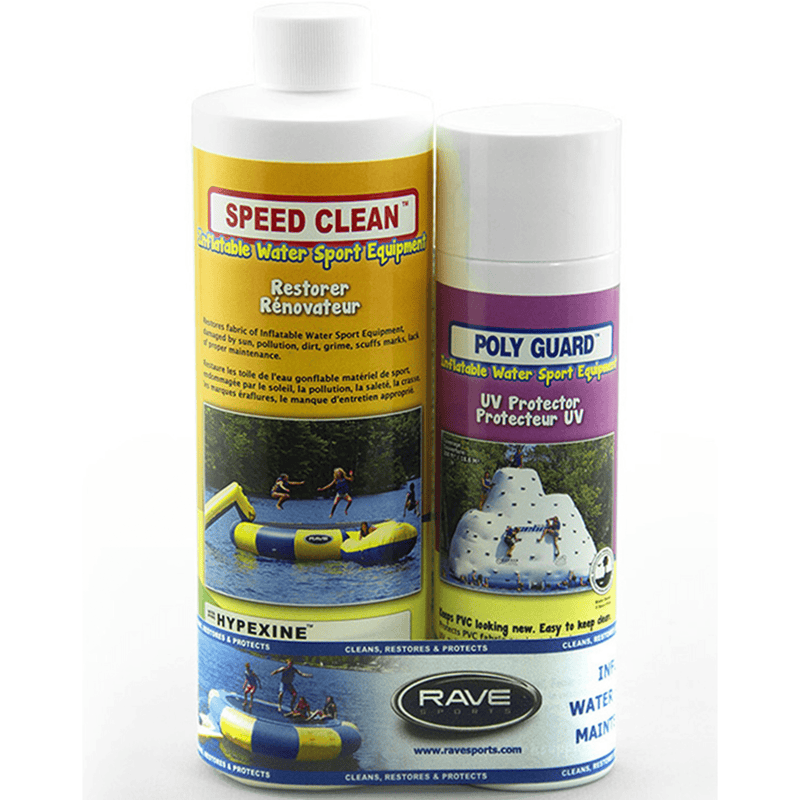
What a water bouncer is and common materials
A water bouncer is an inflatable play item used on pools, lakes, or parties. They come in vinyl, PVC, nylon-coated fabrics, or heavy‑duty sport materials. Knowing the material helps pick the right cleaner and drying method.
Most water bouncers have seams, zippers, and ledges that trap dirt and water. That makes regular cleaning important to prevent mildew, odors, and material breakdown. I learned this after seeing mildew build up in seams on an older unit I used at family events.

Why cleaning your water bouncer matters
Clean gear keeps kids safe. Dirt and algae make surfaces slippery. Mildew and bacteria cause smells and stains. Regular cleaning prevents tiny tears and keeps warranty terms valid.
Cleaning also extends lifespan and saves money by avoiding early replacement. Industry guidance supports disinfecting after heavy use or when used in public water. These habits protect both the gear and the people who use it.
Supplies you'll need
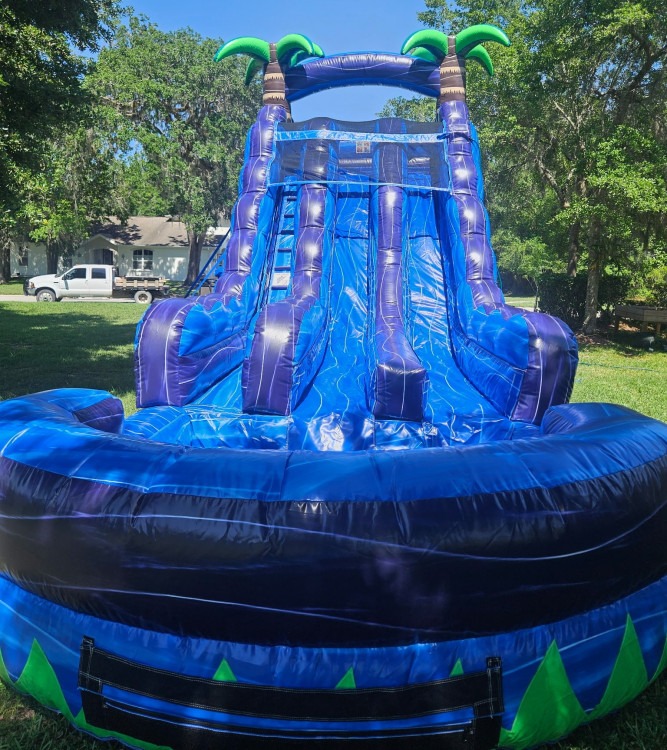
Have supplies ready for an efficient clean. Gather simple, household items that are gentle on materials.
- Soft brush or sponge for scrubbing
- Mild dish soap or gentle cleaner suitable for inflatables
- White vinegar or a diluted non‑bleach disinfectant
- Garden hose for rinsing
- Towels for blotting
- Air pump for reinflation if needed
- Bucket or large basin for soak cleaning
If your water bouncer has patch kits, keep them handy for small repairs after cleaning. I always pack extra towels and a small repair kit when I bring a bouncer to events.
Step-by-step: How do you clean a water bouncer?
This step list makes the process fast and safe. Follow each step in order.
- Inspect for damage
- Deflate and spread the bouncer out. Check seams, valves, and patches. Note any stains or mold.
- Remove loose debris
- Use a soft broom or hand brush to remove leaves, sand, or loose dirt from the surface and seams.
- Rinse thoroughly
- Hose the entire unit with clean water. Rinsing removes surface dirt and salt that can wear material.
- Mix a mild cleaning solution
- In a bucket, combine warm water with a few drops of mild dish soap. Use low suds to reduce residue.
- Scrub gently
- Use a soft sponge or soft brush to clean panels, seams, and crevices. Work in small sections and avoid strong scrubbing on worn areas.
- Target mold and algae
- For visible mildew or algae, apply a 50/50 solution of white vinegar and water or use a manufacturer‑approved disinfectant. Let sit 5–10 minutes, then scrub and rinse.
- Rinse again
- Rinse until soap and cleaning agents are fully gone. Residue can attract dirt or irritate skin.
- Spot treat stubborn stains
- Use a cloth with vinegar or a mild stain remover safe for vinyl. Test a small area first.
- Dry completely
- Wipe excess water with towels, then air dry fully in shade. Make sure seams and zippers are dry before storage.
- Reinflate and inspect
- Inflate to normal pressure and check for leaks. Patch any small holes with a repair kit per instructions.
As you follow these steps, ask yourself how do you clean a water bouncer? and stick to gentle cleaners. Harsh chemicals can harm the material and void warranties. I once used a bleach mixture that caused fading; avoid bleach unless the manufacturer allows it.

Deep cleaning and disinfecting (safe methods)
Sometimes you need a deeper clean after heavy use or long storage. Use safe disinfecting options to remove bacteria without harming the bouncer.
- Use a diluted disinfectant approved for inflatables or a 1 part white vinegar to 3 parts water mix.
- Avoid full‑strength bleach on vinyl; it can weaken material and discolor it.
- For stubborn mildew, repeat application and scrub gently with a soft brush. Let disinfectant dwell 5–10 minutes.
- Rinse thoroughly and air dry in shade to prevent sun damage.
When disinfecting, wear gloves and avoid inhaling sprays. If used in public pools, follow local sanitation rules for shared inflatables.
Drying, storage, and long-term care
Proper drying and storage prevent mold and cracking. Store in a cool, dry place away from direct sunlight and sharp objects.
- Always fully dry before storage. Pay attention to seams and zippers.
- Partially deflate for storage to avoid stress on seams, but avoid folding too tightly.
- Store in a breathable bag or container to allow airflow.
- Inspect every few months when stored. Reclean if you find dust or moisture.
- Keep away from rodents and chemicals that can degrade material.
I store mine rolled loosely in a dry closet. That habit stopped mildew and kept the bouncer looking new for years.
Maintenance tips and quick clean routines
Short routines keep the bouncer ready and safe. Do these after each use or weekly during heavy use.
- Quick rinse after each use to remove chlorine, sand, and dirt.
- Wipe visible wet spots and let air dry.
- Spot clean stains as they appear to prevent set‑in marks.
- Check valves and seams weekly for leaks.
- Keep a small cleaning kit with soap, spray bottle of vinegar solution, and towels by the pool.
Regular care reduces the need for deep cleanings and keeps the bouncer safe for children and guests.

Troubleshooting common problems
Common problems happen. Here are quick fixes.
- Mildew or odor: Deep clean with vinegar solution and fully dry. Repeat if odor lingers.
- Leaks: Inflate and listen or use soapy water to bubble test. Patch small holes per repair kit.
- Sticky surface after cleaner: Rinse more thoroughly. Use lower soap concentration next time.
- Faded color: Store out of direct sun. Use UV protectant sprays labeled safe for inflatables if needed.
If a repair is beyond patching, contact the manufacturer about replacement parts or repair services.
Safety and eco-friendly tips
Clean safely with people and planet in mind.
- Use mild cleaners and vinegar instead of harsh chemicals.
- Rinse runoff into a lawn or filtration-friendly area, not directly to storm drains.
- Check local rules if using disinfectants near public water.
- Keep children away from cleaning agents and wet or deflated inflatables.
- Dispose of damaged bouncers responsibly—many materials can be recycled.
These steps keep your bouncer safe and reduce environmental impact.
Frequently Asked Questions of How do you clean a water bouncer?
How often should I clean a water bouncer?
Clean after every heavy use and rinse after each session. Do a deeper clean and disinfect weekly during frequent use or after storage.
Can I use bleach to clean my water bouncer?
Avoid full‑strength bleach unless the manufacturer specifically permits it. Bleach can weaken vinyl and fade colors; use diluted vinegar or approved disinfectants instead.
How long does it take to dry a water bouncer fully?
Air drying can take several hours to a full day depending on weather and material. Ensure seams and zippers are completely dry before storing to prevent mold.
How do I remove stubborn mildew stains?
Apply a diluted vinegar solution or a mild inflatable-safe disinfectant, let it sit 5–10 minutes, then scrub gently and rinse thoroughly.
Is it safe to use a pressure washer on a water bouncer?
Avoid high-pressure washers. Use a garden hose on gentle flow to prevent seam damage. High pressure can create tears or weaken seams.
What is the best way to store a water bouncer long-term?
Dry fully, partially deflate, roll loosely, and store in a cool, dry place away from sunlight and sharp objects to prevent cracking and mildew.
Conclusion
Regular, gentle cleaning keeps your water bouncer safe, fresh, and long‑lasting. Follow simple steps: inspect, rinse, wash with mild soap, disinfect when needed, rinse, and dry fully. Small habits like quick rinses and proper storage prevent big problems later.
Try a full clean after your next outing and make a short care routine part of setup and teardown. If you found this helpful, share your cleaning tip in the comments or subscribe for more practical gear care guides.

