

A water trampoline gives a springy, framed bounce; a water bouncer is an inflatable, softer jump pad.
I’ve tested both on lakes and pools, and I’ll walk you through the practical, safety, and purchase differences so you can pick the right toy. This guide explains the difference between a water trampoline and a water bouncer with clear definitions, real-world pros and cons, safety tips, buying advice, and my own hands-on experience to help you decide confidently.

36% off Today’s Exclusive Deals
Limited-time Exclusive Deals. Check current discount on Amazon.
Check Price on Amazon As an Amazon Associate I earn from qualifying purchases.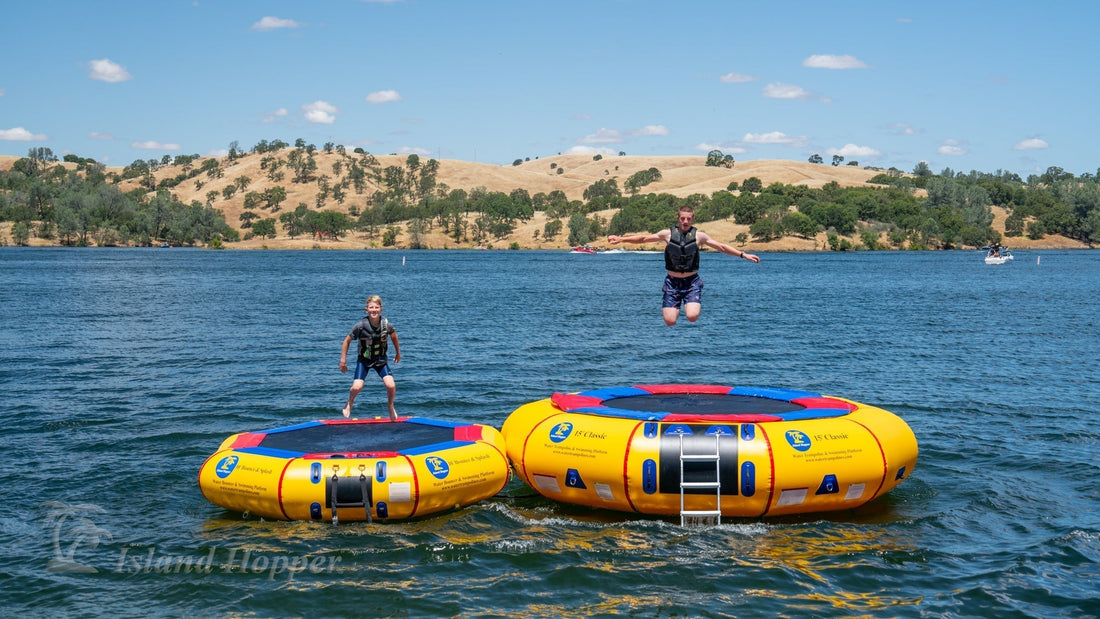
What is a water trampoline?
A water trampoline is a framed, floating structure with a taut jumping mat and an underlying inflatable tube or frame. It uses a rigid frame or heavy air chamber to create a tight, spring-like surface that feels much like a land trampoline but floats on water.
Common features
- Rigid-looking outer tube that supports the mat
- Attached jumping surface that is taut and springy
- Usually anchored with straps or chains
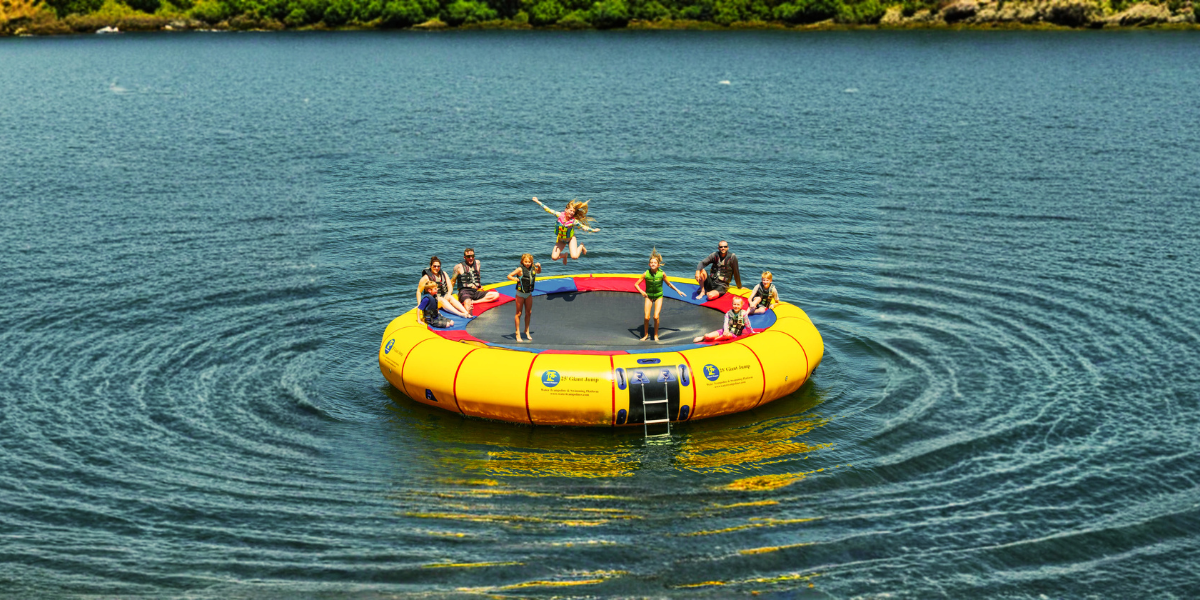
- Sizes range from small (8–10 ft) to large (16 ft+)
Materials and build
- Heavy-duty PVC or reinforced vinyl for inflatable parts
- UV-resistant, ripstop mats for the jumping surface
- Reinforced seams and multiple air chambers for safety and durability
Typical uses
- High-bounce play for teens and adults
- Tricks, flips, and extended airtime
- Active group play on lakes or calm coastal bays

What is a water bouncer?
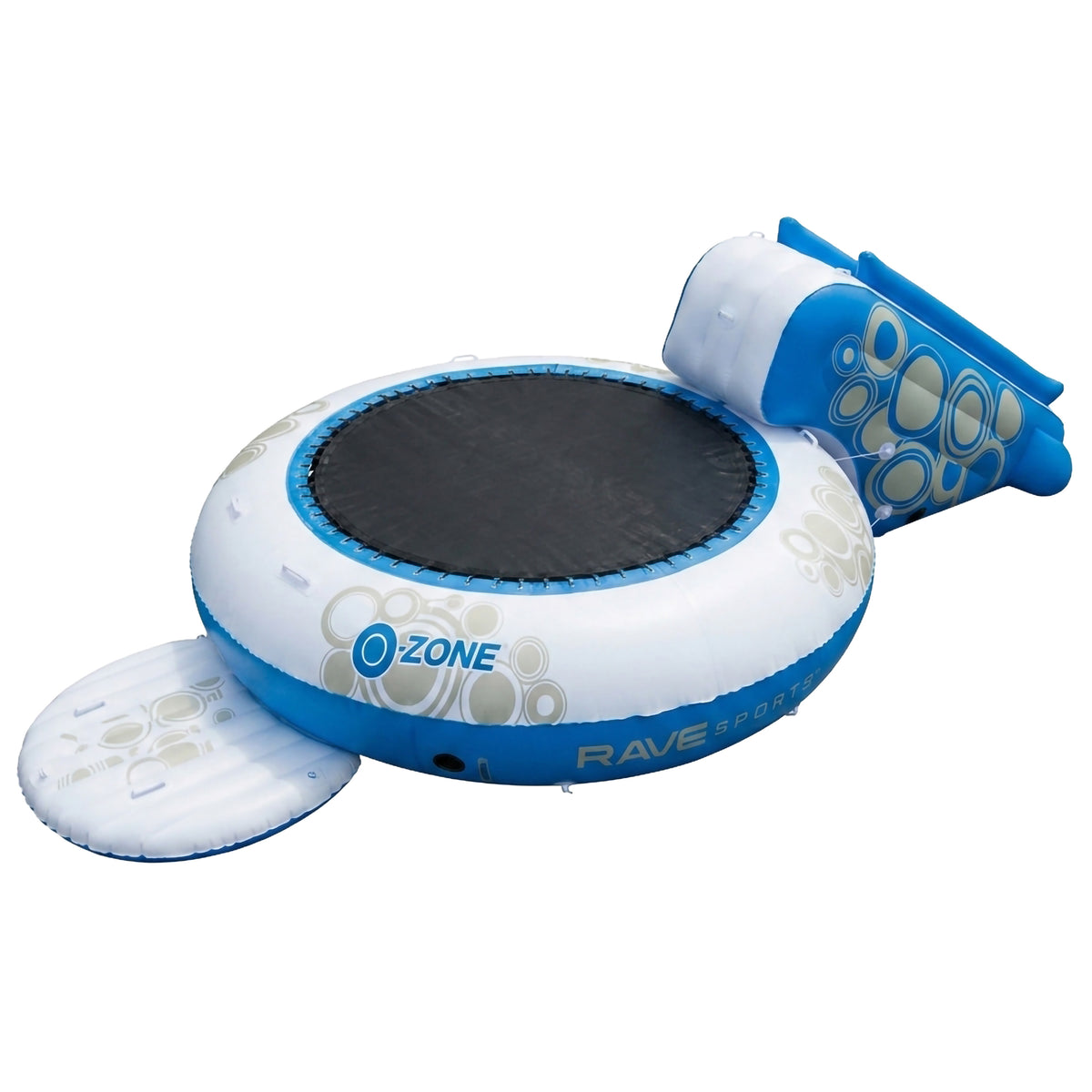
A water bouncer is an inflatable pad designed for gentle bounce. It’s a softer surface with more give, often made as a single large air chamber or a simple multi-chamber inflatable pad.
Common features
- Thick, pillow-like surface that compresses under weight
- No rigid frame; fully inflatable
- Easier to move and store than many trampolines
- Sizes often range from small pads to very large play islands
Materials and build
- Heavy-duty PVC or drop-stitch fabric for large pads
- Simple valves for quick inflation/deflation
- Fewer seams and a smoother top surface for lounging
Typical uses
- Family play for younger kids
- Lounging and light bouncing
- Water games, yoga, and sunbathing

Key differences between a water trampoline and a water bouncer
Understanding the difference between a water trampoline and a water bouncer helps you match the toy to how you plan to use it. Below are the main contrasts to consider.
Bounce and feel
- Water trampoline: Tight, springy, and higher bounce for tricks.
- Water bouncer: Soft, cushioned bounce with less airtime.
Structure and setup
- Water trampoline: Often heavier and needs more effort to anchor. May have a metal or internal frame or robust inflatable ring.
- Water bouncer: Lighter. Inflates quickly and is easier for one person to handle.
Durability and repair
- Water trampoline: Built for heavy use; may have more complex repairs due to mats and seams.
- Water bouncer: Simpler structure; patches are easy but large panels can be costly to replace.
Weight capacity and user mix
- Water trampoline: Higher collective weight limits; better for teens and groups.
- Water bouncer: Good for mixed-age family play but check individual capacities.
Safety profile
- Water trampoline: Higher jump height increases risk of hard landings and collisions.
- Water bouncer: Lower jump heights and softer landings reduce impact risk.
Price and value
- Water trampoline: Often pricier due to materials and complexity.
- Water bouncer: Generally more affordable and portable.
Portability and storage
- Water trampoline: Bulkier; may require a trailer or large vehicle.
- Water bouncer: Compresses down and fits in a garage or truck bed.
Use-case summary
- Choose a water trampoline if you want high-energy bouncing, tricks, and play for older kids and adults.
- Choose a water bouncer if you need a versatile, family-friendly pad for light bouncing and lounging.
Safety considerations and best practices
Knowing the difference between a water trampoline and a water bouncer is only half the job—safe use matters most. Follow these rules to reduce accidents.
Supervision and age limits
- Always supervise children. Both toys require active adult supervision.
- Keep younger children on the bouncer when possible. Save the trampoline for older kids and adults.
Anchoring and site selection
- Anchor securely to a solid point or weighted anchor system. Poor anchoring can lead to drift and collisions.
- Place toys in deep, calm water away from boat lanes, rocks, and shallow reefs.
Rules for safe play
- One person at a time for tricks on a water trampoline. Multiple users cause collisions.
- No diving from height into shallow areas near the toy.
- Use life jackets for weaker swimmers and kids under recommended ages.
Maintenance for safety
- Inspect seams, valves, and mats before every season.
- Repair punctures promptly. Do not use equipment with compromised seams.
Limitations and liabilities
- Weather matters. High wind or waves make both toys unsafe.
- Read manufacturer weight ratings and capacity. Exceeding them increases risk.

Buying guide — how to choose between a water trampoline and a water bouncer
When deciding the difference between a water trampoline and a water bouncer for your needs, ask the right questions. Use this checklist while shopping.
Questions to ask
- What is the primary use: high-bounce tricks or family lounging?
- How many people will use it at once?
- What is the launch site like: lake, calm bay, or large open water?
- How easy is setup, storage, and transport?
- What warranty and customer support are offered?
Features to compare
- Weight capacity and recommended ages
- Material thickness and UV resistance
- Anchor points and repair patch availability
- Inflation time and included pumps or bags
Budget and long-term cost
- Factor in shipping, installation, anchors, and repairs.
- Cheaper gear can cost more over time if it needs replacements.
Try-before-you-buy tips
- If possible, test at a demo day or rental. Real use highlights differences best.
- Read verified user reviews for durability and customer service reports.
My experience and practical tips
I’ve spent summers testing both a large water trampoline and a popular water bouncer on a lake near my home. Here are honest lessons I learned.
What worked
- The trampoline delivered big air and thrills for teens. It held up to active, daily use.
- The bouncer became the family hub. Kids, adults, and pets used it for lounging and splash games.
Common mistakes I made
- Underestimating anchoring needs for the trampoline. It drifted in a storm once.
- Letting wet seams sit in sunlight. UV damage showed faster on cheaper models.
Practical tips I recommend
- Buy stronger anchors than you think you need.
- Keep a repair kit and extra valve plugs on hand.
- Rotate use: use the trampoline when the wind is calm and switch to the bouncer for mixed-age groups.
Personal takeaway
- Choose a water trampoline for thrill seekers and larger groups who want big jumps.
- Choose a water bouncer for families who want a relaxed, multi-use platform.
Frequently Asked Questions of What is the difference between a water trampoline and a water bouncer?
What surface is safer for young children: a water trampoline or a water bouncer?
A water bouncer is generally safer for young kids because it offers a softer, lower bounce and fewer hard falls. Still, supervision and life jackets are essential.
Which option lasts longer with heavy use?
A well-made water trampoline often lasts longer under heavy, active use due to reinforced mats and multiple chambers. Proper maintenance matters for either choice.
Can both be used in saltwater and freshwater?
Yes, both designs can be used in saltwater and freshwater, but rinse with fresh water after salt use and apply UV protection to extend lifespan.
How hard is it to anchor and move these toys?
Water bouncers are easier to move and inflate. Water trampolines are heavier and require more robust anchors and often more than one person to move.
Are repair kits readily available for both?
Yes. Repair kits are available for both, but the trampoline may need specialized patching for the mat while bouncers typically need standard PVC patches.
Conclusion
Choosing between a water trampoline and a water bouncer comes down to how you plan to use it, who will use it, and how much setup and maintenance you’re willing to manage. If you want high jumps and tricks, pick a trampoline. If you prefer family-friendly versatility and easier handling, choose a bouncer. Try renting a model to test what fits your group, invest in good anchors and a repair kit, and always prioritize safety. If this guide helped, leave a comment with your plans or subscribe for hands-on reviews and buying tips.

