

A wireless RV leveling system uses sensors and a control unit to auto-adjust jacks for a level RV.
I’ve spent years camping and installing RV systems, and I’ll walk you through exactly how a wireless RV leveling system works. You’ll learn the hardware, the step-by-step process the system uses to level your rig, common failure points, real-world tips from field use, and what to look for when buying or maintaining one. Read on for clear, practical guidance to make leveling faster, safer, and more reliable on your next trip.

36% off Today’s Exclusive Deals
Limited-time Exclusive Deals. Check current discount on Amazon.
Check Price on Amazon As an Amazon Associate I earn from qualifying purchases.
How does a wireless RV leveling system work?
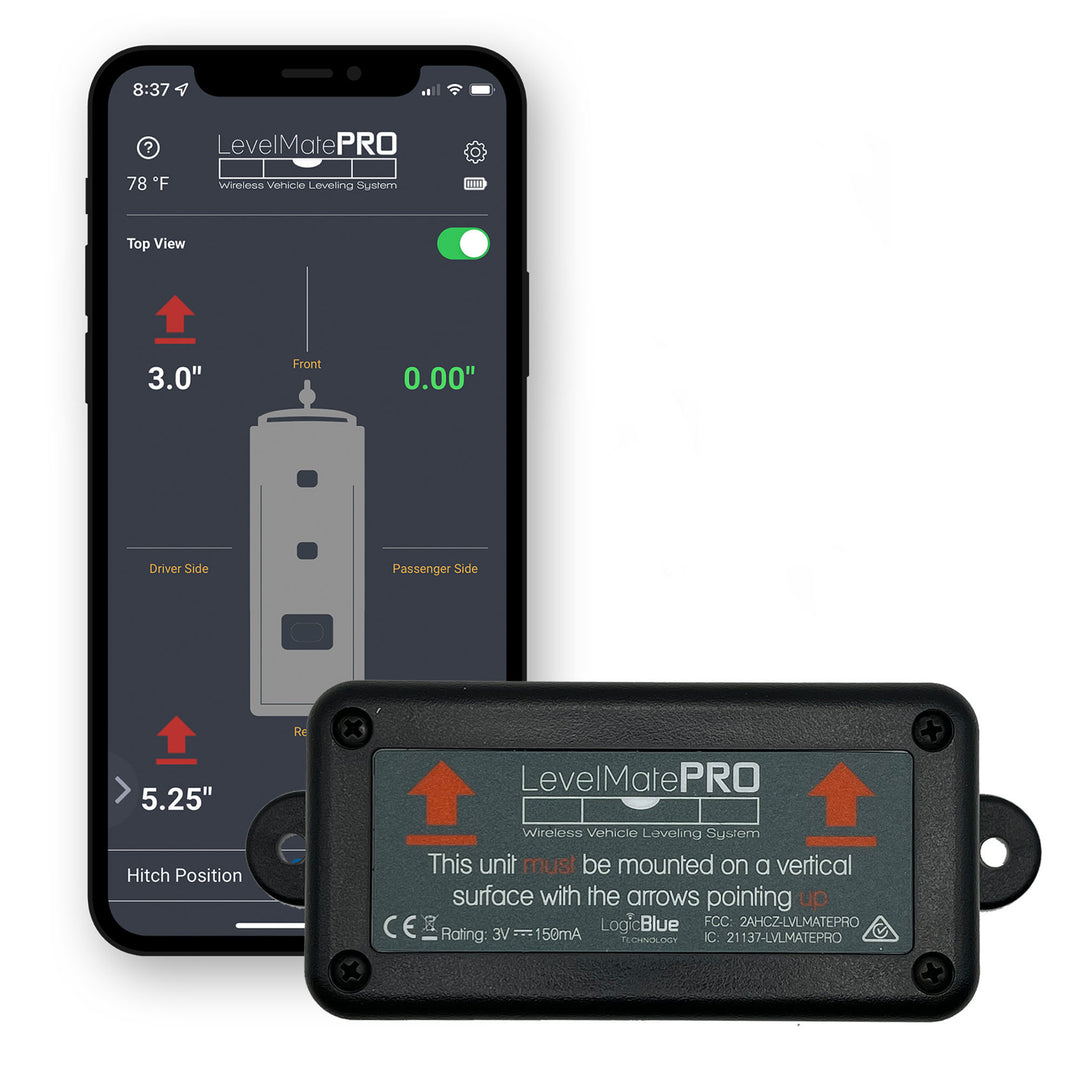
A wireless RV leveling system uses sensor data, a wireless link, and a control algorithm to extend or retract jacks until the coach is level. The system replaces manual bubble levels and cranks with electronic sensors, a control module, and powered jacks. Sensors measure tilt and pitch. The control unit calculates corrections. Commands go wirelessly to each jack or to a module that runs the jack motors. The process repeats until the RV is level within set tolerances.
How it works in plain steps
- Sensor reads tilt and roll on the coach and sometimes on each corner.
- Control unit computes required jack movements and a safe sequence.
- Wireless commands arrive at jack modules or a central receiver.
- Jacks extend or retract in pairs or programmed order.
- System re-reads sensors, refines adjustments, and finishes when level.
I use a handful of wireless systems in my rigs. In practice, the whole cycle takes 30–90 seconds depending on terrain. A solid wireless design makes the process smooth and reliable.

Core components explained
The main parts are simple, but they work together carefully.
- Sensors
- Inclinometers or accelerometers mounted on the chassis detect tilt across two axes.
- Some systems add individual corner sensors at each jack for more precise control.
- Controller
- A central brain or smartphone app receives sensor data and runs the leveling algorithm.
- It sends commands wirelessly to jack controllers or a hub.
- Wireless link
- Uses radio frequencies or Bluetooth/Wi‑Fi to send commands and telemetry.
- Designed for low latency and interference resistance.
- Jack actuators and modules
- Powered jacks or hydraulic pumps actually move the RV.
- Local modules translate wireless commands into motor actions and provide limit/protection features.
- User interface and safety
- A dash panel, handheld, or phone app shows progress, lets you start/stop, and reports errors.
- Safety features include current sensing, timeout limits, and emergency stop.
These pieces work together to automate tasks that used to be manual. The system’s accuracy depends on sensor placement, calibration, and the algorithm that interprets data.

The control logic and leveling algorithms
The “how does a wireless RV leveling system work?” question is mostly about control logic. Here’s what typically happens behind the scenes.
- Initial survey
- System samples tilt and roll many times to average out bumps.
- Decision stage
- Software decides which jacks to move and by how much.
- It uses rules like move opposite jacks together to avoid twisting the frame.
- Movement sequencing
- Jacks operate in a safe order to keep center-of-gravity stable.
- Some systems extend all four corners; others target two corners first.
- Feedback loop
- Sensors re-report, and the controller refines commands until within tolerance.
- Safety checks
- Current limiters stop motors if stalled.
- Physical limits prevent over-travel.
- Diagnostics detect slippage or sensor errors.
Advanced systems use PID-like control or adaptive routines to reduce oscillation and overshoot. Simpler systems use step adjustments and re-read sensors between steps. Both can work well if tuned correctly.

Installation and setup overview
Installing a wireless system varies by brand, but the pattern is similar. I’ll summarize the standard steps and share a few hands-on tips.
- Mount sensors
- Place the main inclinometer on a flat chassis surface near the center.
- Ensure orientation matches the installer guide.
- Install jack modules or wiring
- Fit wireless jack controllers near each powered jack or connect to the central pump.
- Keep power cables short and secure.
- Power and ground
- Use a fused line from the coach battery and a solid ground.
- Protect the system from voltage drops by wiring to a main battery point.
- Pair devices
- Pair sensors, jack modules, and the controller or phone app.
- Calibrate level on a known flat site.
- Test and tune
- Try a short level cycle with the RV empty and then with typical loading.
- Check for wobble, stalling, or unexpected jack motion.
Tip from experience: label wires and take photos during disassembly. That saves a lot of time when you troubleshoot later.

Benefits and limitations
Pros and cons help you decide if a wireless system is right for you.
Benefits
- Speed: Auto-leveling often takes under two minutes.
- Convenience: One-button operation is easier than manual cranking.
- Accuracy: Sensors can reach level tolerances tighter than eye judgment.
- Safety: Reduces physical strain and risk of uneven support.
Limitations
- Dependence on electronics: A dead battery or failed module can stop the system.
- Wireless interference: Rare signals can be lost near heavy RF sources.
- Cost: Adds a premium over manual or wired systems.
- Service complexity: Repairs may require dealer or certified technician.
Expect the wireless convenience to outweigh downsides for many RVers. Just plan for battery power and basic troubleshooting.
Troubleshooting and maintenance tips (real-world experience)
I’ve had a wireless system fail in the field. Here are reliable fixes and preventive steps.
- Common faults and fixes
- No power: Check the fuse and battery voltage first.
- Unresponsive jack: Reboot the controller and re-pair the jack module.
- Incorrect leveling: Recalibrate sensors on a known flat surface.
- Stalling motor: Inspect for debris and check current draw for overload.
- Preventive care
- Clean and lubricate jack gears and threads annually.
- Check wireless module mounts and antenna connections.
- Replace worn limit switches or seals before they cause motor damage.
- Field workaround
- Most systems allow manual override at each jack. Know where the manual crank or override valve is.
Lesson learned: carry spare fuses, wiring connectors, and a basic multimeter. Those items solved 90% of my roadside issues.

What to look for when buying
When shopping, compare features that affect reliability and ease of use.
- Precision and sensor type
- Look for multi-axis inclinometers and corner sensors if you want top accuracy.
- Communication range and protocol
- Longer range and robust RF handling reduce dropouts.
- Power design
- Systems with lower current draw protect batteries when parked.
- Safety features
- Current sensing, automatic timeouts, and manual overrides are must-haves.
- Support and warranty
- Check that the manufacturer offers clear documentation and tech support.
Try to read user reviews focused on long-term reliability rather than just initial setup. Warranty coverage for electronics is as important as physical parts.

Quick PAA-style questions answered
What happens if the wireless link fails mid-cycle?
Most systems will stop immediately and lock jacks in place, allowing you to use manual controls. Reconnect and re-run the auto-level routine once the link is restored.
Do wireless systems drain the battery while parked?
They draw a small standby current. Choose systems with low idle draw or add a battery cutoff to avoid long-term discharge.
How fast is the leveling process?
Typical cycles are 30 to 90 seconds, depending on terrain and whether the system uses per‑corner sensors.

Frequently Asked Questions of How does a wireless RV leveling system work?
How precise are wireless RV leveling systems?
Most consumer systems achieve level tolerances within a few tenths of a degree, which is usually enough for appliances and comfort. Higher-end systems with corner sensors deliver the best precision.
Can I use a wireless system on a slide-equipped RV?
Yes. The leveling routine typically runs before slides are extended, and many systems include interlocks to prevent slide movement during leveling.
Will the system work on soft or uneven ground?
It will work, but performance depends on jack footing. Use pads, blocks, or a leveling pad to prevent sinking and improve accuracy.
How long do the sensors and modules last?
With proper care, sensors and modules can last many years. Exposure to water, vibration, and poor wiring are the common failure causes, so protect and maintain connections.
Is professional installation necessary?
You can DIY if you have electrical experience and mechanical skills. For complex chassis or hydraulic systems, professional installation reduces risk and preserves warranty.
Conclusion
A wireless RV leveling system turns a time‑consuming chore into a quick, safe, and accurate process by combining sensors, a smart controller, wireless communications, and powered jacks. You get speed, comfort, and repeatable results, with a few trade-offs in cost and reliance on electronics. Try one if you value convenience and ease of setup, but plan for basic maintenance and carry spares for field fixes. If you found this helpful, try a test install or ask about specific models in the comments — and subscribe for more practical RV tips.

