

Jungle trekking is an adventure that excites many people. Walking in wild, green forests brings you close to nature. But along with beauty, jungles also have insects—mosquitoes, ants, ticks, flies, and more. These insects can cause pain, discomfort, or even serious health problems.
If you are not careful, you might get bites, rashes, or diseases. But you don’t have to let insects ruin your experience. With the right preparation and knowledge, you can avoid most insects during jungle trekking.

36% off Today’s Exclusive Deals
Limited-time Exclusive Deals. Check current discount on Amazon.
Check Price on Amazon As an Amazon Associate I earn from qualifying purchases.This guide will show you practical ways to protect yourself. You will learn what attracts insects, how to dress, which repellents work best, and how to manage your food and campsite. We will also cover common mistakes, advanced tips, and answers to frequent questions.
Whether you are trekking for the first time or have some experience, you will find useful advice here.
Understanding Jungle Insects And Their Risks
Most people worry about mosquitoes and ticks, but jungles also have ants, flies, spiders, and beetles. Each type of insect behaves differently.
Mosquitoes are active in the early morning and late afternoon. They are attracted by body heat, sweat, and dark colors. Some mosquitoes carry diseases like malaria, dengue, and Zika. Ticks hide in tall grass or bushes and can carry Lyme disease or other infections. Ants often move in large groups and defend their nests aggressively. Flies, especially horseflies, bite to drink blood and can cause painful reactions.
In the tropics, insect bites may lead to allergic reactions, infections, or fever. According to the World Health Organization, mosquito-borne diseases cause millions of illnesses worldwide every year. Even simple bites can spoil your trek by causing itching, swelling, or blisters.
Knowing how insects behave is the first step. You can plan your actions and gear to reduce risks.
Preparing Before The Trek
Good preparation makes trekking safer and more comfortable. Here are key steps:
1. Research Your Destination
Learn about the main insects in the area. Some jungles have more mosquitoes, while others have dangerous ants or spiders. Look for local advice and check health warnings. This helps you decide what gear and repellents to bring.
2. Vaccinations And Health Precautions
If trekking in regions with malaria or other diseases, get recommended vaccinations. Ask your doctor about preventive medicines. Always carry a basic first aid kit that includes antihistamines and antiseptic cream.
3. Pack The Right Gear
Choose lightweight clothing, insect repellent, and a mosquito net. Waterproof bags protect your supplies from bugs and rain. Bring extra socks and gloves if trekking in dense forest.
4. Know The Weather
Rainy seasons increase mosquito populations. Plan your trek during drier months, if possible.
5. Inform Others
Let someone know your trekking plan. This is useful if you need help for severe bites or allergies.
Dressing To Minimize Insect Exposure
Your clothing is your first line of defense. The right outfit can stop most insects from reaching your skin.
| Clothing Item | Protection Level | Tips |
|---|---|---|
| Long-sleeved shirts | High | Choose light colors, tuck into pants |
| Long pants | High | Use elastic cuffs, tuck into socks |
| Hats | Medium | Wide-brimmed to protect face and neck |
| Gloves | Medium | Useful in thick vegetation |
| Boots | High | Wear with thick socks, check for ticks |
Choosing The Right Fabric
Synthetic fabrics like polyester and nylon are better than cotton. They dry fast and do not absorb sweat, which attracts insects. Some trekking clothes have insect-repellent coatings—these are worth considering for long trips.
Color Matters
Wear light-colored clothing. Mosquitoes and some flies are attracted to dark colors. Light colors make it easier to spot ticks and insects crawling on you.
Fit And Coverage
Loose-fitting clothes are less likely to be bitten through. Cover as much skin as possible. Use neck gaiters or scarves in areas with many flying insects.
Using Insect Repellents
Repellents are essential for jungle trekking. They create a barrier on your skin and clothing.
| Repellent Type | Main Ingredient | Duration | Effectiveness |
|---|---|---|---|
| Spray | DEET, Picaridin | 4-8 hours | Very high |
| Lotion | IR3535, Oil of Lemon Eucalyptus | 4-6 hours | High |
| Wipes | DEET | 2-4 hours | Medium |
| Clip-on Devices | Metofluthrin | 2-6 hours | Medium |
| Natural Repellents | Citronella, Neem | 1-3 hours | Low |
Choosing The Best Repellent
- DEET is the most studied and widely used. It works against mosquitoes, ticks, and flies. Use products with 20-30% DEET for good protection.
- Picaridin is almost as effective as DEET and less likely to irritate skin.
- Oil of Lemon Eucalyptus is natural and EPA-approved but needs more frequent reapplication.
- IR3535 is safe for sensitive skin and children.
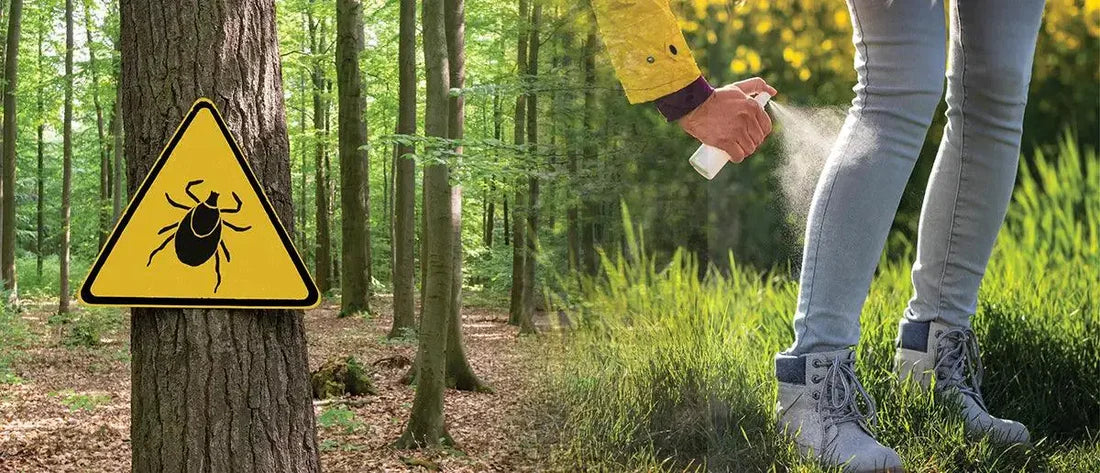
Apply repellent to all exposed skin. Do not forget ears, neck, wrists, and ankles. If using sunscreen, apply it before repellent.
Treating Clothes And Gear
Use permethrin spray for clothing and backpacks. Permethrin kills insects on contact and lasts through several washes. Do not apply permethrin directly to skin.
Avoid Common Mistakes
Many beginners use too little repellent or forget reapplication. Sweat, rain, and rubbing can reduce effectiveness. Carry a small bottle for touch-ups.
Managing Food And Campsite To Reduce Insects
How you handle food and set up camp affects insect activity.
Food Storage
- Keep food in sealed containers. Open food attracts ants, flies, and beetles.
- Wash hands before and after eating. Food residue on skin invites insects.
- Do not leave trash or crumbs. Pack all waste in bags and take it with you.
Cooking
Cook away from sleeping areas. Smoke and food smells attract insects. After cooking, clean utensils and store them in bags.
Water
Standing water is a breeding ground for mosquitoes. Avoid camping near ponds, puddles, or slow streams.
Campsite Setup
- Use a mosquito net for sleeping. Nets with small mesh sizes work best.
- Set up camp on dry, elevated ground.
- Keep tents zipped at all times. Check for holes or gaps.
- Avoid camping under trees with hanging nests or ant trails.
Lighting
Bright lights attract flying insects. Use dim, red, or yellow lights at night. Some headlamps have insect-repelling modes.
Advanced Strategies For Serious Trekkers
If you trek often or visit places with high insect risk, take extra steps.
Electronic Repellers
Battery-powered devices use ultrasonic waves to keep insects away. Their effectiveness is debated, but some trekkers find them useful.
Insect-proof Clothing
Buy clothes treated with insect shield technology. Brands like Insect Shield and ExOfficio offer shirts and pants that repel bugs for up to 70 washes.
Essential Oils
Mix essential oils like lavender, tea tree, or eucalyptus with water for extra protection. These are not as strong as chemical repellents but help in mild conditions.
Smoke And Fire
Small campfires or smoke sticks drive away mosquitoes and flies. Be careful with fire rules in the area.
Regular Checks
Inspect your body every few hours for ticks or bites. Early removal reduces infection risks. Carry tweezers and alcohol wipes.
Non-obvious Insights Beginners Miss
1. Sweat And Body Odor
Insects are attracted to sweat and body odor. Change clothes regularly and use unscented soap. Avoid perfumes and scented lotions.
2. Movement And Heat
Rapid movement and body heat increase insect attention. Rest in shaded spots and avoid heavy exercise during peak insect hours.
3. Timing Your Trek
Plan walks in the middle of the day when mosquitoes are less active. Avoid dawn and dusk, which are peak times for many insects.
4. Local Herbal Remedies
In some regions, locals use herbal mixtures to repel insects. For example, lemongrass or neem paste works in parts of Asia. Ask guides for advice.
5. Insect Behavior After Rain
Rain washes away repellent and increases insect activity. Reapply repellent after storms and avoid wet foliage.
Common Mistakes To Avoid
Many trekkers make errors that increase insect risk:
- Wearing shorts and sleeveless shirts in dense jungle
- Forgetting to treat socks and shoes with repellent
- Leaving tents or nets open even for a short time
- Using sweet-smelling toiletries
- Ignoring insect checks after sitting or resting
- Camping near stagnant water or animal trails
Avoid these mistakes to stay safe.
Example: Trekking In The Amazon
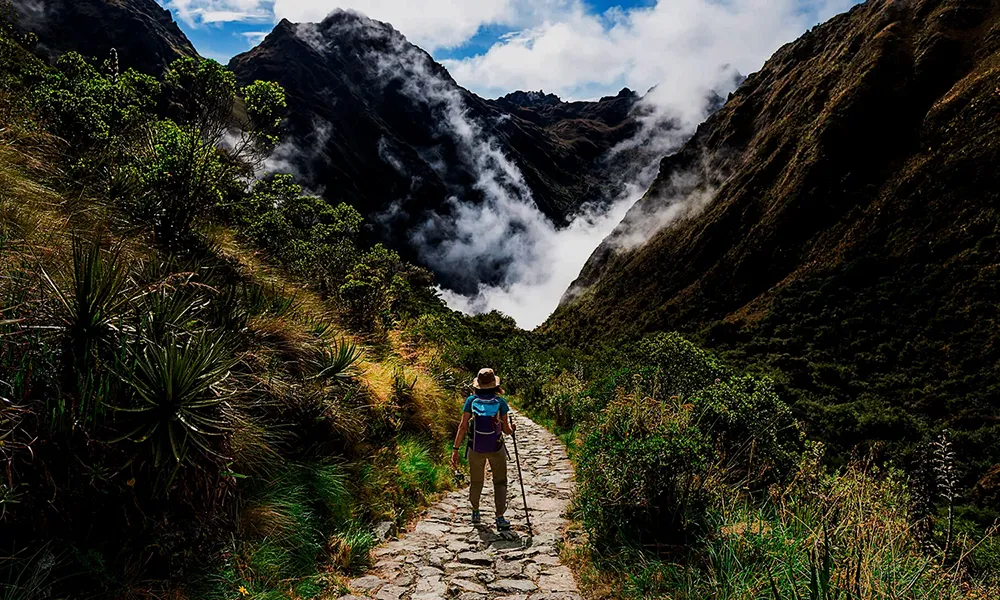
The Amazon jungle has some of the world’s highest insect populations. Mosquitoes, ants, and flies are active year-round. Trekkers here use high-DEET repellents, full-body clothing, and mosquito nets. Guides recommend setting up camp before sunset and avoiding perfume or scented products. In the Amazon, more than 50% of trekkers report insect bites, but those who follow strict protection routines reduce bites by up to 80%.
Comparison Of Jungle Trekking Regions And Insect Risk
Here is a quick look at insect risk in three popular jungle trekking regions:
| Region | Main Insects | Bite Risk | Recommended Repellent |
|---|---|---|---|
| Amazon (South America) | Mosquitoes, Ants, Flies | Very High | DEET (30%) |
| Southeast Asia (Thailand, Malaysia) | Mosquitoes, Leeches, Spiders | High | Picaridin (20%) |
| Congo Basin (Africa) | Tsetse Flies, Mosquitoes, Ticks | High | Permethrin-treated clothes |
This helps you plan repellent and gear based on your trekking location.
Practical Tips For Day And Night
Daytime Tips
- Wear full coverage clothing and reapply repellent every 4 hours.
- Stay on marked trails to avoid dense bushes.
- Drink water from bottles or filtered sources to avoid insect eggs.
Nighttime Tips
- Use mosquito nets or tent screens.
- Keep campsite lights dim or use headlamps with red filters.
- Check your body and gear for insects before sleeping.
What To Do If You Get Bitten
Even with the best protection, bites can happen. Here’s what you should do:
1. Clean The Bite
Wash with soap and water. Apply antiseptic.
2. Reduce Swelling
Use cold packs or a clean cloth to reduce swelling.
3. Relieve Itching
Apply antihistamine cream or calamine lotion.
4. Watch For Symptoms
If you develop fever, rash, or severe swelling, seek medical help.
5. Remove Ticks Carefully
Use tweezers, grab the tick close to the skin, and pull straight out. Clean the area with alcohol.
Useful Resources
For more detailed information on insect-borne diseases and prevention, visit the World Health Organization.
Frequently Asked Questions
How Do I Choose The Best Insect Repellent For Jungle Trekking?
Look for repellents with DEET (20-30%), Picaridin, or Oil of Lemon Eucalyptus. DEET is strong and works against most jungle insects. If you have sensitive skin, try Picaridin or IR3535. For short treks, natural options like citronella may be enough, but chemical repellents last longer and are more reliable.
What Should I Do If I Find A Tick On My Skin?
Remove the tick with fine-tipped tweezers. Grab it close to the skin and pull gently. Do not twist or crush the tick. Clean the area with alcohol and monitor for symptoms like rash or fever. Seek medical help if needed.
Are Mosquito Nets Necessary For Short Treks?
Yes, mosquito nets are important even for short treks. Mosquitoes are active during night and early morning. Nets protect you while sleeping or resting. Choose nets with small holes and check for damage before use.
Can I Use Essential Oils Instead Of Chemical Repellents?
Essential oils like lavender and tea tree can repel some insects. But they do not last as long as chemical repellents like DEET or Picaridin. For high-risk areas, use chemical repellents. Essential oils are good for mild conditions or as extra protection.
How Can I Protect My Food From Insects In The Jungle?
Store food in sealed containers and keep it inside your tent or backpack. Clean up crumbs and waste right away. Avoid cooking close to your sleeping area. If possible, hang food bags from trees to keep ants and beetles away.
Jungle trekking is a wonderful adventure, but insects are always present. With careful planning, the right gear, and smart habits, you can avoid most bites and enjoy the journey. Remember to dress wisely, use effective repellents, keep your campsite clean, and check your body regularly.
If you follow these tips, you will spend more time exploring and less time worrying about insects. Stay safe, be prepared, and let the jungle show you its magic.

