

Jungle trekking is not just an adventure—it’s a test of your preparation and smart choices. The clothes you wear can make your trek safe, comfortable, and enjoyable, or turn it into a tough struggle. Humid air, sudden rain, biting insects, sharp plants, and rough terrain all challenge your gear.
Many beginners think “any activewear will do,” but jungle environments demand more. Let’s dive deep into what clothes you should wear for jungle trekking, so you can trek confidently and safely.

36% off Today’s Exclusive Deals
Limited-time Exclusive Deals. Check current discount on Amazon.
Check Price on Amazon As an Amazon Associate I earn from qualifying purchases.Why Clothing Matters In Jungle Trekking
Jungles are unpredictable. You can face extreme humidity, heavy rainfall, sharp branches, mud, insects, and even sudden drops in temperature. Clothing is your first line of defense. The right gear protects against sunburn, scratches, bug bites, and heat exhaustion. It also keeps you comfortable, prevents chafing, and allows you to move freely.
A common mistake is to focus only on “lightweight” or “breathable” clothes. But in the jungle, you need a balance: breathability, protection, quick drying, and coverage. Let’s break down the key features.
Essential Features For Jungle Trekking Clothes
Before choosing specific items, understand what matters most.
| Feature | Why It Matters | Common Mistakes |
|---|---|---|
| Quick Drying | Jungle rains and sweat are constant. Wet clothes can cause chafing and skin infections. | Wearing cotton (stays wet, heavy, cold) |
| Lightweight | Heavy clothes trap heat, restrict movement, and add burden. | Packing thick jackets or jeans |
| Coverage | Long sleeves and pants protect against bugs, plants, and the sun. | Wearing shorts or sleeveless shirts |
| Durability | Rough terrain and plants can tear weak fabric. | Using thin, cheap materials |
| Breathability | Heat and humidity cause sweat. Breathable fabric prevents overheating. | Choosing plastic-like rain gear |
| UV Protection | Even dense jungles have sun gaps. UV-protective clothing reduces sunburn risk. | Ignoring sun protection |
| Anti-Insect | Special fabrics or treatments repel bugs and prevent bites. | Not using insect-repellent clothes |
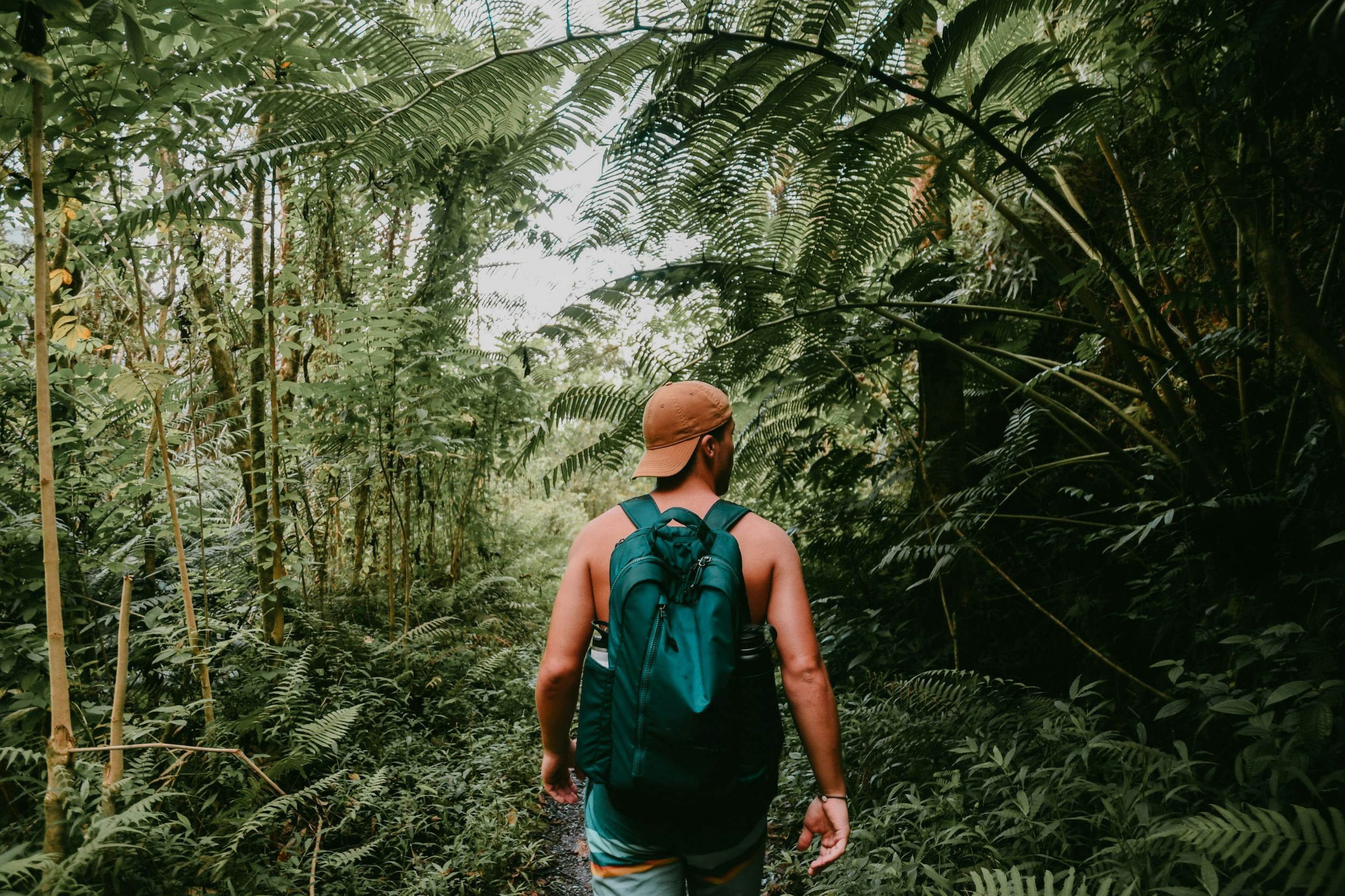
Choosing The Right Materials
Material is the foundation. The wrong fabric can ruin your trek.
Synthetic Fabrics
Polyester and nylon are top choices. They dry fast, stay light even when wet, and resist tearing. Many trekking shirts and pants use these materials. Look for “ripstop” nylon for extra durability.
Avoid Cotton
Cotton feels comfortable at first, but it soaks up sweat and rain, stays wet, and causes chafing. Wet cotton also cools your body too much and increases the risk of hypothermia if temperatures drop at night.
Merino Wool
Merino wool is less common, but it’s excellent for socks and base layers. It wicks moisture, resists odor, and regulates temperature. It’s softer than normal wool, making it comfortable.
Blends
Some trekking clothes use blends (polyester + spandex, nylon + cotton). Make sure the synthetic part is dominant. Spandex adds stretch, improving movement.
Layering For Jungle Trekking
Layering is not just for cold climates. In the jungle, layers help manage sweat, sudden cold, and rain.
- Base Layer: Thin, moisture-wicking shirt. Keeps sweat away from skin. Best: synthetic or merino wool.
- Mid Layer: Lightweight long-sleeve shirt or jacket. Adds protection against bugs and scratches.
- Outer Layer: Rain jacket or poncho. Must be breathable, not just waterproof. If rain gear traps sweat, you’ll get just as wet inside.
Some trekkers skip the mid layer, but it’s useful for early morning chills or shaded areas. Always avoid thick, heavy layers.
Shirts: What Works Best
Jungle trekking shirts should be long-sleeved, lightweight, and made of synthetic material.
Features To Look For
- Roll-up sleeves: Let you adjust quickly as the weather changes.
- Ventilation panels: Mesh underarms or back panels for airflow.
- Button or zip pockets: Handy for small items.
- UPF rating: Indicates UV protection level. UPF 30+ is good.
Example
A Columbia Silver Ridge shirt is popular: lightweight, fast drying, UPF 40, and roll-up sleeves. But many brands offer similar features.
Why Not T-shirts?
Short sleeves leave your arms exposed to bugs, thorns, and sun. Even in hot weather, long sleeves are safer. If you hate sleeves, choose shirts with breathable mesh.
Pants: Protecting Your Legs
Jungle pants must cover your legs, resist tearing, and dry fast.
Key Features
- Reinforced knees: Extra durability for crawling or kneeling.
- Zip-off legs: Convert to shorts if needed (but use shorts only in safe, open areas).
- Adjustable cuffs: Seal out bugs or mud.
- Stretch fabric: Easier movement over roots and rocks.
- Deep pockets: Useful for carrying maps, snacks, or small tools.
What To Avoid
Do not wear jeans or thick cotton pants. They trap moisture, get heavy, and restrict movement.
Example
Prana Stretch Zion Pants are lightweight, quick drying, and have adjustable cuffs. Or, look for affordable alternatives with similar features.
Rain Gear: Staying Dry And Comfortable
Rain is almost guaranteed in most jungles. A good rain jacket or poncho keeps you dry, but must also breathe.
Types Of Rain Gear
| Type | Pros | Cons |
|---|---|---|
| Rain Jacket | Good fit, protection, pockets, breathability | Can trap heat if not ventilated |
| Poncho | Covers backpack, easy to put on | Less protection for arms, can snag on branches |
| Rain Pants | Full leg protection | Can feel hot, restrict movement |
Choose waterproof and breathable gear. Jackets with “pit zips” (underarm vents) help release sweat. Ponchos are lighter and cover your pack, but can flap in wind.
Footwear: Choosing The Best Shoes And Socks
Your feet work hardest in the jungle. Wrong shoes lead to blisters, slips, or injuries.
Trekking Boots Vs. Shoes
- Mid-cut boots: Protect ankles from twisting and from snake bites.
- Low-cut shoes: Lighter, cooler, but less ankle protection.
- Trail runners: Good for dry, less rugged jungle, but less durable.
Features To Look For
- Water resistance: Keeps out rain and mud, but must also breathe.
- Aggressive tread: Deep lugs for grip on wet, slippery surfaces.
- Toe protection: Reinforced toe caps prevent injury.
Socks
- Merino wool: Wicks moisture, prevents blisters, resists odor.
- Synthetic: Dries fast, comfortable.
- Avoid cotton: Causes blisters when wet.
Wear two pairs for extra protection: thin liner sock + thicker outer sock.
Gaiters
Gaiters wrap around your ankles and calves. They keep out mud, stones, and insects. Useful in muddy or dense jungle.
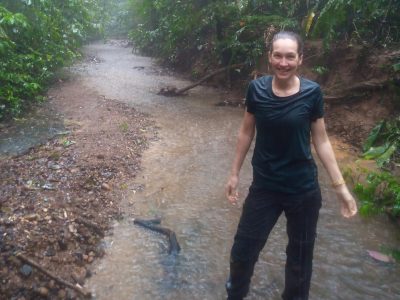
Headgear: Protecting Your Head And Face
The right headgear shields you from sun, rain, bugs, and branches.
Types
- Wide-brim hat: Best for sun and rain. Blocks UV, keeps face dry.
- Cap with neck flap: Covers neck, good for intense sun.
- Buff or bandana: Protects neck, absorbs sweat, filters dust.
Choose hats with adjustable chin straps. The jungle can be windy or have thick foliage.
Gloves: Do You Need Them?
Gloves are often ignored, but they protect your hands from thorns, sharp plants, and insects.
- Lightweight synthetic gloves: Good for grip, quick drying.
- Cut-resistant gloves: Useful if you expect to clear brush or climb.
- Avoid heavy or thick gloves: They trap heat and reduce dexterity.
Many trekkers skip gloves, but regret it after scratches or insect stings.
Underwear: Comfort Matters
Chafing is a real risk. Choose synthetic or merino wool underwear.
- Seamless designs: Reduce rubbing.
- Moisture-wicking: Keeps you dry.
- Avoid cotton: Stays wet, causes discomfort.
Sports underwear brands offer trekking-specific designs. They may cost more, but comfort is worth it.
Accessories: Little Things With Big Impact
Small items make a big difference in jungle trekking.
Sunglasses
Protect your eyes from UV rays and sharp plants. Choose wrap-around styles.
Insect Repellent Clothing
Some shirts, pants, and hats use permethrin treatment. This repels mosquitoes, ticks, and other bugs. Lasts through many washes.
Cooling Towels
Ultra-light cooling towels help you wipe sweat and cool down quickly.
Trekking Poles
Not clothing, but trekking poles help balance and reduce fatigue. They also keep you upright in mud or crossing streams.
Packs And Straps
Choose packs with padded straps. Avoid cotton straps—they absorb sweat and cause rashes.
Typical Jungle Trekking Outfit: Example
Let’s visualize a full outfit for a 2-day jungle trek:
- Long-sleeve synthetic shirt (UPF 30+, roll-up sleeves)
- Lightweight trekking pants (zip-off legs, reinforced knees)
- Waterproof breathable jacket (pit zips)
- Mid-cut waterproof boots (aggressive tread)
- Merino wool socks (with liner socks)
- Wide-brim hat (adjustable strap)
- Lightweight gloves
- Synthetic underwear
- Gaiters (if muddy)
- Permethrin-treated clothing (optional)
- Sunglasses
- Buff or bandana
This setup covers protection, comfort, and practicality.
Mistakes Beginners Make
Many new trekkers misunderstand jungle needs. Here are some common errors:
- Wearing shorts and t-shirts: Exposure to bugs, scratches, and sun.
- Choosing cotton everything: Wet, heavy, and causes chafing.
- Ignoring rain gear: Getting soaked, risking hypothermia.
- Using old sneakers: No grip, no protection.
- Skipping gloves: Hands get scratched or bitten.
- No hat or neck cover: Sunburn and insect bites.
- Packing too many clothes: Extra weight, unnecessary changes.
- Forgetting UV protection: Even shaded jungles can burn.
- Not checking fit: Loose clothes snag, tight clothes restrict.
- Ignoring insect protection: Risk of disease and discomfort.
A non-obvious insight: Sometimes, “too much” breathability can be a problem. Some mesh-heavy shirts let bugs bite through. Look for balance.
Comparing Popular Jungle Trekking Brands
Let’s compare features from three well-known jungle clothing brands.
| Brand | Main Material | UPF Rating | Insect Repellent | Price Range |
|---|---|---|---|---|
| Columbia | Polyester/Nylon | 30–50 | Optional (Insect Blocker) | $40–$100 |
| ExOfficio | Polyester/Nylon | 50+ | Yes (Permethrin) | $60–$120 |
| North Face | Polyester/Elastane | 30–40 | No | $50–$110 |
Columbia is affordable, ExOfficio offers strong insect protection, and North Face has high durability. Choose based on your budget and needs.
Packing Tips For Jungle Trekking Clothes
Packing efficiently is key. You must carry enough, but not too much.
- Pack only two sets: One for trekking, one for sleeping.
- Roll clothes: Saves space, reduces wrinkles.
- Use zip bags: Keep dry clothes separate from wet items.
- Dry clothes overnight: Hang them, even if it rains. Quick-dry fabrics help.
- Backup socks and underwear: Essential for comfort.
Do not pack extra jeans, thick sweaters, or city clothes. They add weight and are useless.
Climate And Location Matter
Jungle climates vary. Amazon, Southeast Asia, and Central Africa have different rainfall, temperatures, and insect risks.
- Wet season: More rain, mud, and insects. Stronger rain gear and insect protection needed.
- Dry season: Less rain, but still humid. Breathable clothes are priority.
- Altitude: Higher jungles can get cold at night. Lightweight fleece or thermal layer helps.
Research your trek location. For example, in Borneo, leeches are common. In the Amazon, mosquitoes are the main problem.
Safety And Hygiene
Cleanliness is tough in jungles. Dirty, wet clothes cause rashes and infections.
- Rinse clothes in streams: If possible, but use eco-friendly soap.
- Change socks daily: Prevents blisters and fungal infections.
- Carry small towel: Wipe sweat and clean body parts.
- Check for ticks and bites: After each trek, inspect skin.
A second insight: Some trekkers use powder (like talcum) to keep skin dry. It works, but only if applied to clean, dry skin.
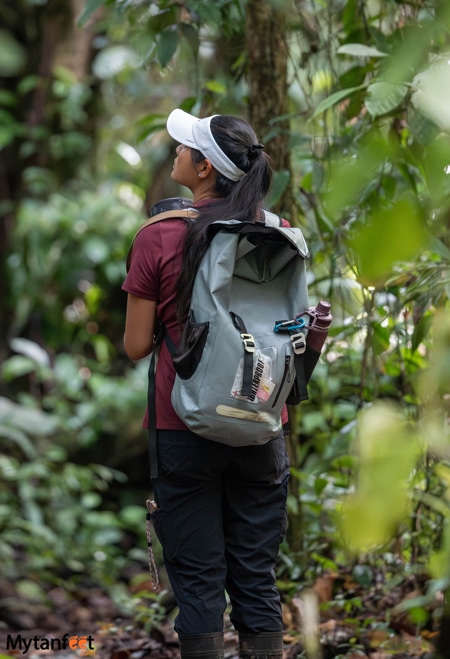
Sustainable And Ethical Choices
Jungle environments are fragile. Choose eco-friendly clothing whenever possible.
- Organic or recycled materials: Reduce impact.
- Brands with ethical labor: Some companies are certified.
- Avoid disposable ponchos: They create plastic waste.
For more tips on eco-friendly trekking gear, see National Geographic.
Frequently Asked Questions
What Color Clothes Are Best For Jungle Trekking?
Neutral or earth tones like brown, green, or khaki are ideal. They blend with the environment, making you less visible to wildlife and insects. Bright colors can attract bugs and disturb animals. Avoid dark colors—they absorb heat.
Should I Wear Shorts If It’s Very Hot In The Jungle?
No. Even in hot weather, wear long pants and long sleeves. They protect against bugs, scratches, and sunburn. Use lightweight, breathable fabrics to stay cool.
How Can I Prevent Insect Bites While Trekking?
Wear insect-repellent clothing, cover skin with long sleeves and pants, use permethrin-treated items, and apply insect repellent to exposed areas. Avoid scented lotions or perfumes—they attract bugs.
Is It Necessary To Buy Expensive Trekking Clothes?
No. You can find affordable options with similar features. Focus on material, coverage, and fit. Avoid cotton and choose synthetic or merino wool. Some budget brands offer good quality.
What Should I Do If My Clothes Get Wet During The Trek?
Keep trekking if clothes are quick-drying. Change socks and underwear as soon as possible. Hang wet clothes overnight. Avoid staying in wet cotton. If needed, use a rain jacket or poncho to stay dry.
Jungle trekking is an experience you’ll never forget—but only if you dress smart. The right clothes protect, comfort, and empower you to explore wild places safely. Plan ahead, choose wisely, and enjoy your trek with confidence.

