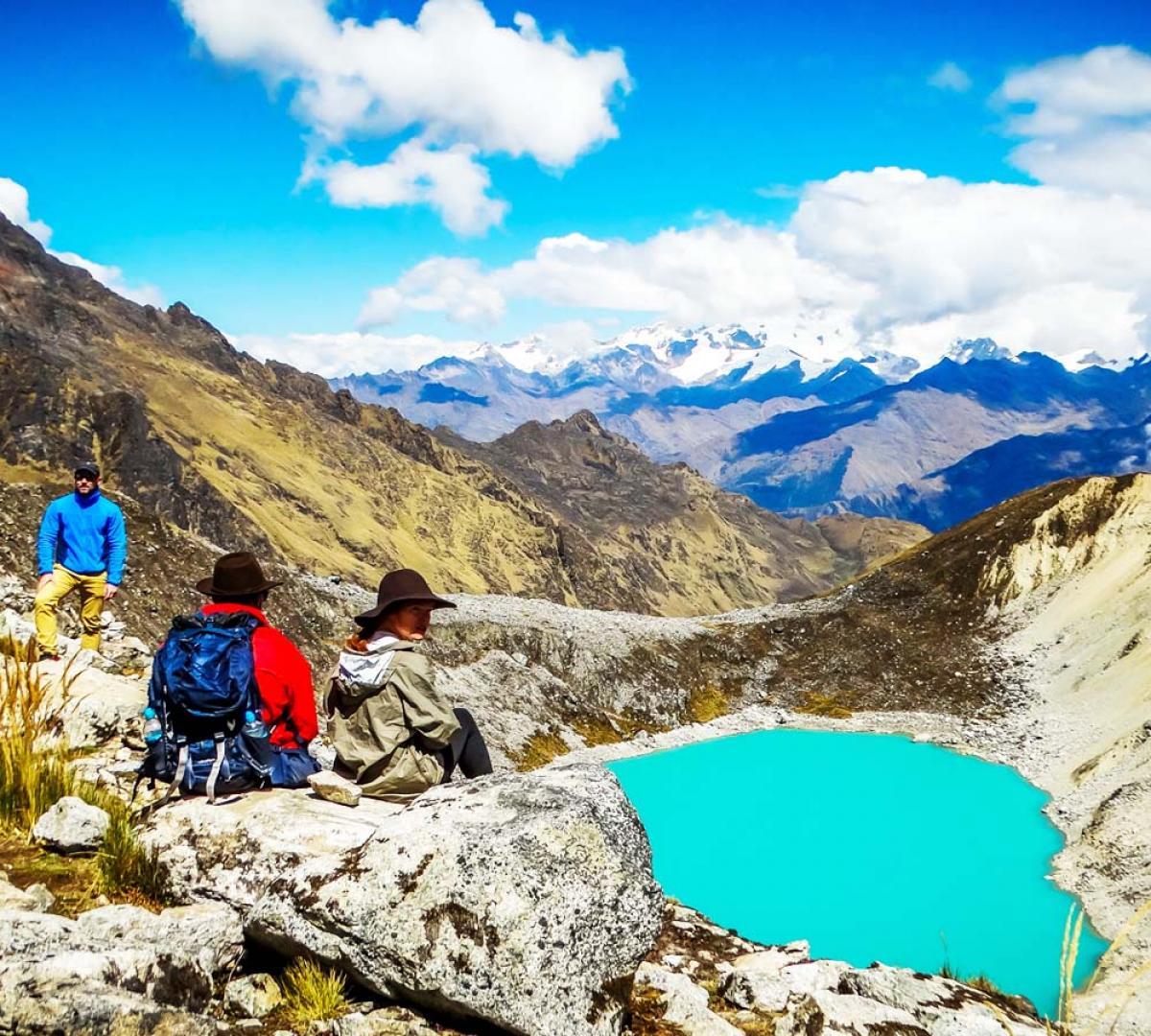
Jungle trekking is not just a walk in the park. It’s an adventure that takes you deep into wild, lush forests, often far from help or modern comforts. The idea of trekking through a jungle can sound exciting and even romantic, but it’s also physically demanding and mentally challenging. Many people wonder: What fitness level is required for jungle trekking? The answer is more complex than simply “be fit.” The jungle environment is unique, and your body and mind need special preparation. Whether you’re planning your first trek or looking to challenge yourself further, understanding the fitness demands is essential for a safe and enjoyable experience.
This guide breaks down the real fitness requirements for jungle trekking. You’ll learn about the physical and mental skills you need, how to prepare, and what often catches beginners off guard. We’ll look at different trek difficulty levels, share practical examples, and compare jungle trekking to other outdoor activities.

36% off Today’s Exclusive Deals
Limited-time Exclusive Deals. Check current discount on Amazon.
Check Price on Amazon As an Amazon Associate I earn from qualifying purchases.You’ll find advice on training, nutrition, and gear, plus a handy FAQ at the end to answer common questions.
Why Jungle Trekking Demands More Than Average Fitness
Jungle trekking is different from hiking in a city park or even a mountain trail. The environment itself adds extra layers of difficulty. High humidity, unpredictable rain, slippery mud, dense vegetation, and uneven paths are the norm. Sometimes, you need to climb over fallen logs, cross streams, or walk through knee-deep water. You’ll likely carry a backpack with supplies, which adds to the physical load.
A study from the Journal of Physical Activity and Health found that heart rates during jungle trekking are 10–20% higher than for similar distances on mountain trails. This means your body works harder, even if you walk slowly. The constant need for balance, quick reactions, and endurance makes jungle trekking a real test of overall fitness.
Core Components Of Fitness For Jungle Trekking
To enjoy jungle trekking and stay safe, you need more than just strong legs. Here are the main fitness areas that matter:
1. Cardiovascular Endurance
You’ll be walking for several hours, sometimes all day. The heat and humidity make your heart and lungs work overtime. Good cardiovascular fitness helps your body use oxygen more efficiently and recover faster from tough sections.
*Examples: Running, cycling, swimming, or brisk walking for 30–60 minutes, 3–5 times a week, can build your endurance.*
2. Strength (especially Lower Body)
Your legs and core muscles do most of the work. Climbing steep slopes, stepping over roots, and carrying a backpack require strong quadriceps, calves, glutes, and core muscles. Upper body strength helps when you pull yourself up slopes or steady yourself with trekking poles.
*Examples: Squats, lunges, calf raises, and planks are excellent. Add push-ups and pull-ups for upper body support.*
3. Balance And Agility
Jungle paths can be narrow, slippery, and full of obstacles. Good balance helps prevent falls, while agility allows you to react quickly to unexpected challenges.
*Examples: Standing on one leg, balance board exercises, and yoga can improve your stability. Agility ladders or quick side-step drills also help.*
4. Flexibility
Flexible muscles reduce your risk of injury. You may need to duck under branches or stretch across rocks.
*Examples: Daily stretching routines, yoga, or Pilates can keep your muscles limber.*
5. Mental Resilience
Jungle trekking is as much a mental test as a physical one. You’ll face discomfort, fatigue, insects, and sometimes fear. Mental strength means staying positive, making good decisions, and pushing through tough moments.
*Examples: Practice mindfulness, set small goals during training, and learn stress management techniques.*
How To Assess Your Current Fitness Level
Before signing up for a jungle trek, honestly assess your fitness. It’s easy to overestimate what you can handle, especially if you’re active in daily life but new to trekking.
Simple Self-test
Try this three-part test at home:
- Endurance: Walk on a treadmill or outdoors for 2 hours with a backpack weighing 7–10 kg (15–22 lbs). Can you keep a steady pace without feeling exhausted?
- Strength: Do 20 squats, 10 lunges per leg, and hold a plank for 60 seconds. Can you finish with good form?
- Balance: Stand on one leg for 30 seconds, eyes closed. Can you hold steady?
If you struggle with any part, you’ll need extra training before tackling most jungle treks.
Fitness Level Table
Here’s a quick comparison of fitness levels needed for different types of trekking:
| Trek Type | Fitness Level Needed | Example Challenge |
|---|---|---|
| City Park Walk | Low | Paved, flat, 2–5 km |
| Mountain Day Hike | Moderate | Inclines, 5–15 km, dry weather |
| Jungle Trek (Easy) | Moderate–High | Humidity, mud, 6–10 km, 200 m ascent |
| Jungle Trek (Multi-Day) | High | Heavy pack, river crossings, 12–20 km/day |
| Mountain Expedition | Very High | Altitude, cold, 15+ km, 1000 m ascent |
What Makes Jungle Trekking Unique
Jungle trekking isn’t just about walking far. Here’s what sets it apart:
Heat And Humidity
Sweating is constant. You lose fluids and salts quickly, which can cause dehydration and muscle cramps. Unlike in dry climates, sweat doesn’t cool you down as much, so your body works harder.
Unpredictable Terrain
Jungle trails can change from hour to hour. Rain can turn paths into mudslides. Rivers may rise quickly. This means you need strength and balance for every step.
Bugs And Wildlife
Mosquitoes, leeches, and sometimes snakes or wild animals are part of the experience. You need mental calm and a willingness to handle discomfort.
Isolation
Many jungle treks are far from rescue or medical help. You need to be self-reliant and prepared for minor injuries or delays.
Matching Fitness To Trek Difficulty
Not all jungle treks are the same. They range from short, guided walks to multi-day expeditions with no trails. Here’s how to match your fitness to the trek:
1. Short Guided Jungle Walks (2–4 Hours)
- Fitness Needed: Moderate
- Suitable For: Beginners in good general health
- Typical Challenges: Mud, roots, low bridges, humidity
- Tips: Wear good shoes, carry water, and start slow
2. Full-day Jungle Treks (6–10 Hours)
- Fitness Needed: Moderate to high
- Suitable For: People who exercise regularly (3–4 times/week)
- Typical Challenges: Longer climbs, heavy pack, river crossings, leeches
- Tips: Build endurance and leg strength before your trip
3. Multi-day Expeditions
- Fitness Needed: High
- Suitable For: Experienced trekkers with strong fitness and mental resilience
- Typical Challenges: Sleeping in the wild, carrying all gear, unpredictable weather
- Tips: Train with a loaded backpack, practice camping skills
4. Technical Jungle Treks (no Trails, Rope Work)
- Fitness Needed: Very high
- Suitable For: Adventurers with previous trekking and navigation experience
- Typical Challenges: Bushwhacking, rope climbs, navigation, risk of injury
- Tips: Consider guided trips, learn navigation and first aid
Comparing Jungle Trekking To Other Outdoor Activities
To help you understand the specific demands, here’s a side-by-side comparison:
| Activity | Cardio Demand | Strength Needed | Balance/Agility | Unique Challenge |
|---|---|---|---|---|
| Jungle Trekking | High (constant) | High (legs/core) | Very High | Humidity, mud, leeches |
| Mountain Hiking | High (steep climbs) | Moderate–High | Moderate | Altitude, cold |
| Trail Running | Very High | High | High | Speed, descents |
| Urban Walking | Low–Moderate | Low | Low | Traffic, hard surfaces |
How To Train For Jungle Trekking
If you’re not already in top shape, don’t worry. With the right plan, most people can reach a safe fitness level in 8–12 weeks. Here’s how:
Endurance Training
Start with brisk walks of 30–60 minutes, 4–5 times a week. Slowly add hills and uneven paths. After two weeks, add a backpack with increasing weight. Aim for at least one long walk (2+ hours) every week.
Strength Training
Focus on legs and core:
- Squats: Build power for climbs
- Lunges: Improve stability
- Step-ups: Mimic uneven terrain
- Planks: Strengthen core
- Push-ups: Help with upper body tasks
Two to three sessions per week are enough.
Balance And Agility Drills
- Balance on one leg while brushing your teeth
- Use a wobble board or pillow for short periods
- Try agility ladder or cone drills
Flexibility And Mobility
Stretch after every workout. Pay attention to hamstrings, calves, hips, and lower back.
Mental Preparation
Simulate discomfort: Walk in the rain, carry a heavier pack, or train in hot weather. Practice focusing and positive self-talk.
Non-obvious tip: Try a “no comfort” day—no phone, no snacks, minimal breaks—to train your mind for jungle conditions.
Nutrition And Hydration
Your diet matters more than you might think. Here’s what to focus on before and during your trek:
Before The Trek
- Eat balanced meals with complex carbs (whole grains, brown rice), lean protein, and healthy fats
- Stay hydrated, aiming for clear urine
- Avoid heavy, greasy foods and alcohol
During The Trek
- Drink small amounts often; aim for 500–750 ml/hour in the heat
- Use electrolyte tablets or drinks to replace lost salts
- Carry high-energy snacks (nuts, dried fruit, energy bars)
- For multi-day treks, include protein sources (jerky, tuna packets)
Insight: Many beginners forget to eat enough. Loss of appetite is common in the heat, but you need fuel for energy and to prevent cramps.

Essential Gear For Fitness And Safety
Having the right gear makes jungle trekking safer and easier on your body. Here’s what matters:
- Good trekking shoes: Sturdy, quick-drying, with strong grip
- Moisture-wicking clothing: Keeps you cool and reduces chafing
- Backpack with chest/hip straps: Distributes weight and reduces fatigue
- Trekking poles: Help with balance and reduce knee strain
- Water purification: Tablets or filters for refilling safely
- First aid kit: Include blister pads, bandages, and salt tablets
- Insect repellent and leech socks: For comfort and health
Non-obvious tip: Bring a small towel or bandana to wipe sweat—it can make a big difference in comfort and morale.
Common Mistakes To Avoid
Even experienced hikers make mistakes in the jungle. Watch out for these:
- Underestimating the humidity: Drink more than you think you need
- Ignoring footwear: Slippery shoes increase your injury risk
- Carrying too much gear: Only take what you need
- Neglecting recovery: Rest and stretch after each day
- Skipping strength and balance training: Cardio alone isn’t enough
Real-world Examples
Beginner’s Trek: Taman Negara, Malaysia
A 5 km guided walk in Taman Negara may sound easy, but humidity and leeches surprise many tourists. Most people complete it, but those with weak ankles or poor balance struggle with slippery logs and roots.
Advanced Trek: Lost City, Colombia
This 4-day trek includes steep climbs, river crossings, and heavy packs. Many hikers say the hardest part is walking in wet shoes all day. Physical strength helps, but mental resilience is what gets most people to the end.
Rescue Case: Amazon Basin
In 2018, a group had to be rescued after exhaustion set in. They were fit runners but not used to the heat and constant uneven ground. This shows that jungle fitness is different from other sports.
Why Mental Strength Matters Most
Jungle trekking isn’t a race. It’s about steady progress and staying alert. Mental fatigue can lead to mistakes, like missing a step or forgetting to drink water. Practice managing discomfort and staying positive. Team up with others, as group morale can push you through tough moments.
Hidden insight: Train your mind to focus on the present moment. Small annoyances (insects, sweat, mud) add up, but if you accept them, the experience becomes more enjoyable.

When To Say No (and Other Safety Advice)
It’s okay to turn back or skip a trek if you’re not ready. Listen to your body. Fatigue, dizziness, or confusion can be signs of heat exhaustion. Always let someone know your plans, carry a whistle, and never trek alone in remote jungles unless you’re highly experienced.
If you want further guidance, organizations such as the World Health Organization have recommendations on physical activity that are useful for preparing.
Frequently Asked Questions
How Fit Do I Need To Be For A First-time Jungle Trek?
For your first trek (2–4 hours, guided), you should be able to walk briskly for 1–2 hours and carry a small backpack without major fatigue. If you exercise regularly, you’re likely ready. If you’re not active, train for 6–8 weeks before the trip.
Can Children Or Seniors Go Jungle Trekking?
Yes, but choose shorter, easier treks and consult a doctor. Children need close supervision, and seniors should have good balance and endurance. The heat and terrain make it harder than regular hiking.
What If I Have A Medical Condition?
Talk to your doctor before trekking. Conditions like asthma, heart disease, or diabetes can make jungle trekking risky. Carry medications and inform your guide or group about your condition.
Is It Possible To Train For Jungle Trekking At Home?
Yes. Focus on endurance (walking, stair climbing), strength (squats, lunges), and balance (standing on one leg). Carry a loaded backpack during training walks. If possible, train in hot, humid conditions to prepare your body.
What’s The Biggest Beginner Mistake In Jungle Trekking?
Most beginners underestimate the physical and mental challenge. They may bring the wrong shoes, carry too much, or not drink enough water. Always respect the jungle and prepare more than you think is needed.
Jungle trekking is an unforgettable adventure if you’re physically and mentally ready. With the right fitness, gear, and attitude, you’ll enjoy the beauty and excitement of the wild safely. Remember—preparation is key, and every step gets easier with practice and the right mindset.