

Jungle trekking promises adventure, mystery, and a deep connection with nature. But one question stands out for every traveler: What is the best season for jungle trekking? The answer isn’t simple. Weather, wildlife activity, trail conditions, and even the region’s unique climate all play important roles. Choosing the right season can mean the difference between a memorable journey and a challenging, risky trek. In this guide, you’ll discover how each season shapes the jungle trekking experience, what to expect in different regions, and how to plan your adventure for maximum enjoyment and safety.
Understanding Jungle Climates
Jungles, also known as tropical rainforests, are found near the equator. Their climate is different from forests in temperate regions. Here’s what sets jungles apart:

36% off Today’s Exclusive Deals
Limited-time Exclusive Deals. Check current discount on Amazon.
Check Price on Amazon As an Amazon Associate I earn from qualifying purchases.- High humidity: Often 70%–100% year-round.
- Warm temperatures: Typically between 70°F and 90°F (21°C–32°C).
- Frequent rainfall: Annual rainfall can exceed 80 inches (2000 mm).
- Distinct wet and dry seasons: Most jungles experience clear wet and dry periods, but some have two rainy seasons.
This unique climate creates dense vegetation, muddy trails, and vibrant wildlife. But it also brings challenges like leeches, mosquitoes, and sudden storms. Understanding these patterns is essential for choosing when to trek.
Key Regional Differences
Not all jungles are the same. For example:
- Amazon Rainforest: One long wet season, short dry season.
- Southeast Asia (Thailand, Malaysia, Borneo): Defined monsoon (rainy) and dry seasons.
- Central Africa (Congo, Uganda): Two rainy and two dry seasons per year.
- Central America (Costa Rica, Panama): Wet and dry seasons, with variations by altitude.
These differences mean that the “best” season varies depending on where you go.
The Four Main Seasons For Jungle Trekking
To decide when to trek, you need to understand the seasons’ impact. Let’s break down what each season brings.
1. Dry Season
The dry season is usually considered the best for jungle trekking. Here’s why:
- Less rainfall: Trails are firmer, rivers are lower, and there are fewer muddy patches.
- Lower leech and mosquito activity: Fewer insects mean a more comfortable trek.
- Easier navigation: Clearer paths and less overgrown vegetation.
- Better wildlife spotting: Animals gather near remaining water sources, making sightings easier.
But there are trade-offs:
- Higher temperatures: Some areas can become very hot.
- More tourists: Popular trails can get crowded.
- Limited water sources: In some regions, streams dry up, making water harder to find.
2. Wet Season
The wet season transforms the jungle. Expect:
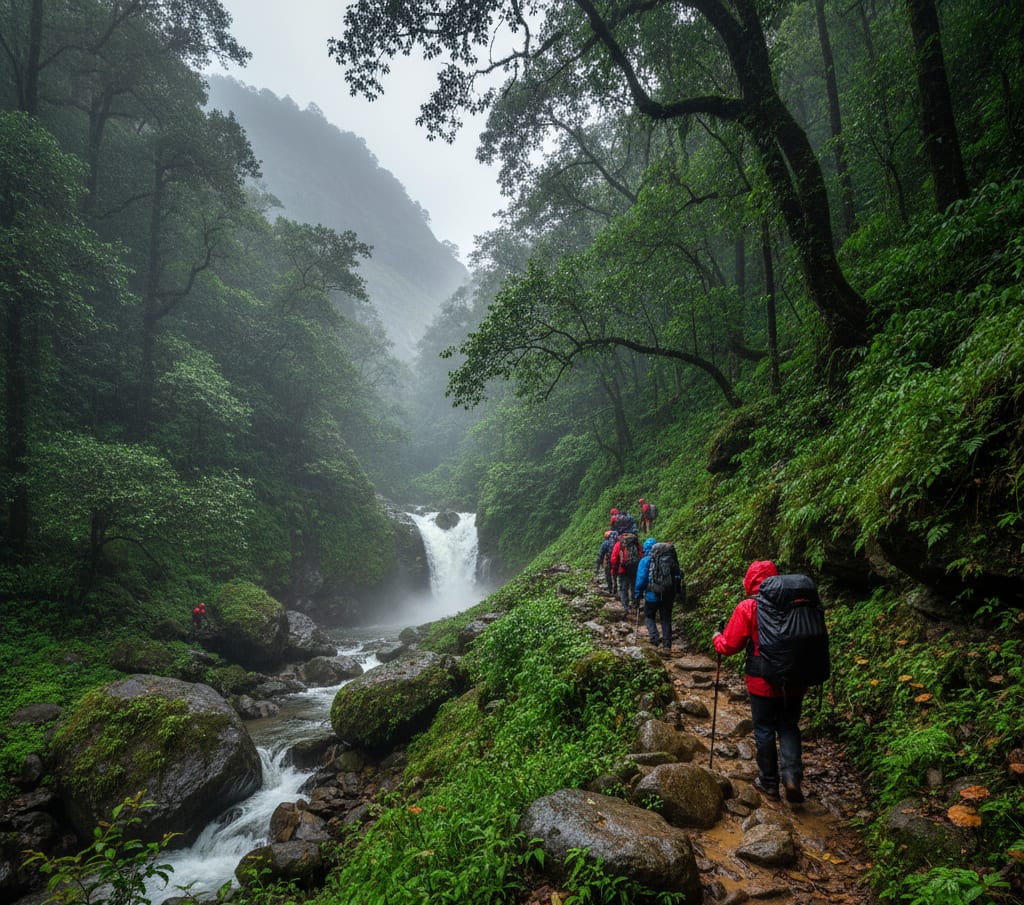
- Heavy and frequent rain: Trails can be slippery, muddy, and sometimes flooded.
- Lush, vibrant scenery: The forest is at its greenest and most alive.
- Fewer tourists: Solitude and quieter trails.
- High leech and mosquito activity: More insects, so more bites and annoyance.
- Active wildlife: Many animals breed during the rains, so you might see young animals or mating displays.
Wet season trekking is for experienced hikers or those seeking a challenge. Flooded rivers and landslides are risks, and some trails may close.
3. Shoulder Season
Shoulder seasons are the periods just before or after the main wet or dry seasons. They offer a balance:
- Unpredictable weather: Some days are dry, others see rain.
- Fewer crowds: Less busy than peak dry season.
- Moderate trail conditions: Not as dry or muddy as the extremes.
- Wildlife activity: Animals are still active, and plants are lush.
Shoulder seasons are a smart choice for trekkers who want good conditions without the crowds.
4. Transitional Seasons
Some jungles (especially in Central Africa or the Amazon) have transitional periods—short spans when the weather shifts. These can bring:
- Sudden storms: Weather can change quickly.
- Erratic wildlife behavior: Animals adapt to changing conditions.
- Unique experiences: Witnessing the start or end of rains, or fruiting seasons.
Transitional seasons can be rewarding, but require flexibility and preparation.
Comparing Seasons: Data And Insights
To help you decide, here’s a comparison of the main seasons for jungle trekking:
| Season | Rainfall | Trail Condition | Wildlife Sightings | Tourist Numbers | Leech/Mosquito Activity |
|---|---|---|---|---|---|
| Dry | Low | Firm, easy | High (near water) | High | Low |
| Wet | High | Muddy, slippery | High (breeding) | Low | High |
| Shoulder | Moderate | Mixed | Moderate to high | Moderate | Moderate |
| Transitional | Variable | Unpredictable | Variable | Low to moderate | Variable |
Regional Best Seasons For Jungle Trekking
The best time depends on location. Here’s a breakdown of top jungle trekking destinations and their ideal seasons.
Amazon Rainforest (south America)
- Best season: June to September (dry season)
- Why: Less rain, lower river levels, easier trails, good wildlife.
- Tip: Some areas are always humid; be ready for occasional showers even in “dry” months.
Southeast Asia (thailand, Malaysia, Borneo)
- Best season: November to February (dry, cool)
- Why: Comfortable temperatures, less rain, fewer leeches.
- Note: Monsoon season (May–October) brings intense rain and trail closures.
Central Africa (congo, Uganda, Rwanda)
- Best season: December to February and June to September (two dry seasons)
- Why: Gorilla trekking is best during these months; trails are manageable.
- Insight: Rain can still occur, but conditions are much better than in the wet season.
Central America (costa Rica, Panama)
- Best season: December to April (dry season)
- Why: Clear skies, good wildlife activity, comfortable humidity.
- Tip: Some higher-elevation jungles have their own microclimates—check local advice.
Indian Subcontinent (western Ghats, Northeastern India)
- Best season: November to March (post-monsoon, cool and dry)
- Why: Beautiful waterfalls, lush greenery, but safe trails.
Papua New Guinea And Melanesia
- Best season: May to October (drier months)
- Why: Trails are more accessible, and river crossings are safer.
How Weather Affects The Jungle Trekking Experience
Weather is more than just wet or dry. It influences:
- Visibility: Heavy rain and fog can limit views and make wildlife harder to spot.
- Trail safety: Rain makes steep paths slippery. Dry spells can cause loose, dusty footing.
- Wildlife activity: Some animals are easier to see in the dry season (gathering at waterholes), others are active in the wet (migrating, breeding).
- Health risks: Mosquitoes (and the diseases they carry, like malaria or dengue) are more common in the wet season. Leeches are also worse in damp conditions.
- River crossings: In the wet, rivers may flood and become dangerous.
Many beginners don’t realize that even in the dry season, rain can come suddenly and heavily. Always pack rain gear and expect the unexpected.
Common Mistakes When Choosing A Season
Trekking in the jungle is not like hiking in a city park. Here are mistakes to avoid:
- Assuming “dry” means no rain: Even in the dry season, brief storms are possible.
- Ignoring local advice: Guides and locals know the microclimate. Always check conditions before traveling.
- Focusing only on weather: Festivals, local holidays, or conservation closures can affect access.
- Underestimating insects: Mosquitoes and leeches can be a problem in all seasons, just less severe in the dry.
- Not planning for altitude: Some jungles are in hilly or mountainous regions, with cooler nights even in the tropics.
What To Pack For Each Season
Your packing list will change depending on the season. Here’s a comparison:
| Item | Dry Season | Wet Season |
|---|---|---|
| Rain jacket/poncho | Lightweight | Essential (waterproof) |
| Footwear | Breathable boots | Waterproof boots, extra socks |
| Insect repellent | Medium strength | High strength (DEET) |
| Clothing | Quick-dry, long sleeves | Water-resistant, long sleeves |
| Leech socks | Optional | Highly recommended |
| Water purification | Tablets/filters | Essential (rivers may be muddy) |
| Sun protection | Hat, sunscreen | Needed (UV rays strong even in rain) |
Non-obvious tip: In the wet season, pack all gear inside dry bags or zip-lock bags to keep valuables safe. Many beginners overlook the need to waterproof electronics and important documents.
Wildlife Watching: How Season Impacts Your Chances
One of the main reasons people trek in jungles is to see wildlife. But animal sightings change with the season:
- Dry season: Animals gather around remaining water sources. This makes them easier to find, but they may be more alert to humans.
- Wet season: Many species are breeding, so you might see rare behaviors or young animals. However, dense foliage can make visibility poor.
- Transition/shoulder seasons: Some animals migrate or change habits during these times, offering unique observations.
Example: Gorilla Trekking In Uganda
Gorilla trekking is best in the dry months (June–September, December–February). Trails are less muddy, and gorillas are easier to reach. But permits sell out early, and prices can be higher. In the wet season, it’s challenging but sometimes more rewarding, with lush scenery and fewer tourists.
Example: Bird Watching In The Amazon
Birds are active year-round, but nesting season (often during the wet months) brings colorful displays and singing. Muddy trails can make reaching bird hides difficult, though.

Trail Accessibility And Safety
Not all jungle trails are open year-round. In some regions:
- Wet season: Trails may close due to flooding or landslides.
- Dry season: All main trails are usually open.
- Shoulder/transitional: Some minor trails may be cleared or repaired.
Always check with local authorities or park services before your trek. Sudden weather events can close trails at any time.
Safety Tips
- Hire a guide: Especially in the wet season, when navigation is difficult.
- Carry a whistle and first aid kit: Cell signal is often poor.
- Stay hydrated: Humidity causes rapid dehydration—even if you don’t feel thirsty.
- Watch for wildlife: Snakes, insects, and even larger animals are more active in the wet season.
- Wear proper clothing: Long sleeves and pants protect against insects and thorny plants.
Pro insight: Some dangerous animals (like snakes) are more likely to be on the trails during rain, seeking drier ground. Move cautiously and never step where you cannot see.
Cultural Experiences By Season
Jungle regions often have unique festivals or cultural events tied to the seasons:
- Harvest festivals: After the rains, many communities celebrate food and abundance.
- Religious ceremonies: Some are held at the start or end of the rainy season.
- Local markets: Dry season brings open-air markets, a chance to taste local fruits and foods.
Trekking during festival time adds a cultural dimension to your journey. But it can also mean busier trails and limited accommodation—so book early.
Environmental Impact: Choosing The Right Season
Many travelers don’t realize that trekking during the wet season can damage trails. Heavy foot traffic on muddy paths leads to erosion and impacts local ecosystems. Responsible trekking means:
- Stick to main trails: Avoid creating new paths, especially in the wet.
- Follow park rules: Some areas limit trekkers during recovery periods.
- Travel in small groups: Less impact on plants and animals.
Some parks close entirely for a few weeks each year to let nature recover. Supporting these practices helps preserve the jungle for the future.
How To Decide: Personal Factors
The best season is also about your goals and comfort. Ask yourself:
- Do you want easier trails and better comfort? Choose the dry season.
- Do you want solitude, lush scenery, and don’t mind mud? Try the wet season.
- Are you interested in unique wildlife events? Research the breeding or migration periods of your target species.
- Are you flexible and experienced? The shoulder season offers surprises and fewer tourists.
Non-obvious insight: Your tolerance for insects and humidity matters more than you think. Some trekkers are surprised by how intense the heat and bug activity can be, especially in the wet season.

Real-life Trekker Experiences
Many experienced jungle trekkers share stories that show the importance of timing:
- Anna from Germany: “I trekked in Borneo during the dry season. The trails were easy, and I saw orangutans at a river. My friend went in the wet season; she loved the green but slipped a lot and saw leeches every day.”
- James from the UK: “In Peru’s Amazon, I went in the shoulder season. We had a few storms, but also amazing sunsets and almost no other tourists. The guide said it was the best time for monkeys and birds.”
These stories show that every season has rewards—and challenges.
Planning Resources And Local Advice
Before you go, always check:
- Official park websites: For trail updates and closures.
- Weather forecasts: Especially 2–3 days before your trek.
- Local guides: They have the best up-to-date knowledge.
- Travel forums: Other trekkers share recent experiences and tips.
For more on global jungle climates, see the Wikipedia page on tropical rainforest climate.
Frequently Asked Questions
What Is The Best Season For Jungle Trekking In Southeast Asia?
The best season is usually November to February, during the cooler, dry months. Trails are easier, and there are fewer leeches and mosquitoes.
Is Jungle Trekking Safe During The Wet Season?
It can be safe with proper preparation, but risks like slippery trails, flooding, and more insects are higher. Beginners should choose the dry season for comfort and safety.
How Can I Avoid Leeches And Mosquitoes?
Wear long sleeves, use strong insect repellent, and wear leech socks (especially in the wet season). Check your body often and remove leeches quickly if found.
Are All Jungle Trails Open Year-round?
No. Many trails close during the wet season due to floods or damage. Always check with local authorities before planning your trek.
What Is The Biggest Mistake Beginners Make When Choosing A Trekking Season?
Many beginners only look at rainfall totals and ignore other factors like trail safety, wildlife activity, and insect problems. It’s important to research all aspects—not just weather—before choosing your time to trek.
Jungle trekking is a journey into the heart of nature’s wildest places. By understanding how seasons shape the experience, you’ll make memories that last a lifetime—while staying safe, comfortable, and in harmony with the world’s richest ecosystems.

