

Jungle trekking is one of the most thrilling adventures you can experience. The thick trees, wild sounds, and hidden paths create a sense of mystery and excitement. But the jungle is also unpredictable. One wrong step, a sudden rainstorm, or an encounter with wildlife can quickly turn a fun trek into a serious situation. That’s why choosing the right emergency gear is not just smart—it’s essential. Good preparation can make the difference between a memorable journey and a dangerous ordeal.
Many trekkers, especially those new to the jungle, underestimate how quickly things can change. Heat, humidity, insects, and navigation challenges are just a few surprises waiting for you. Even experienced hikers sometimes forget an important item and regret it later.

36% off Today’s Exclusive Deals
Limited-time Exclusive Deals. Check current discount on Amazon.
Check Price on Amazon As an Amazon Associate I earn from qualifying purchases.Before you step under the thick canopy, let’s break down the most important emergency gear you should carry, why it matters, and how to use it effectively. This guide will help you trek with more confidence, knowing you’re truly ready for the wild.
The Essentials: Survival Gear You Must Have
Let’s start with the absolute must-haves. No jungle trek, short or long, should begin without these core items. They cover basic needs like safety, shelter, navigation, and first aid.
1. Navigation Tools
Getting lost is one of the biggest risks in the jungle, where trails fade and landmarks look the same. Even experienced guides carry navigation aids.
- Compass: Reliable even when electronic devices fail. Learn basic compass use before your trip.
- GPS device: Modern handheld GPS units are water-resistant and have long battery life. Don’t rely only on smartphone apps; batteries drain quickly in the jungle.
- Physical map: A waterproof map of the area is critical. Mark your planned route and possible escape paths.
A practical tip: Keep your compass and map together in a ziplock bag. Humidity and rain can ruin paper maps fast.
2. First Aid Kit
The jungle is full of sharp plants, insects, and uneven ground. A well-stocked first aid kit is your first line of defense.
A good jungle kit should include:
- Antiseptic wipes and ointment
- Bandages (various sizes)
- Sterile gauze pads
- Medical tape
- Tweezers (for thorns or ticks)
- Painkillers (like ibuprofen)
- Anti-diarrheal medicine
- Antihistamines (for allergic reactions)
- Moleskin (for blisters)
- Rehydration salts
A beginner mistake: forgetting to add personal medications. Always pack your prescription drugs and a list of allergies.
3. Shelter And Sleeping Gear
Unexpected rain or delays can force you to stay overnight. Protection from rain and insects is vital.
- Lightweight tarp or bivy bag: A tarp is more versatile than a tent and much lighter.
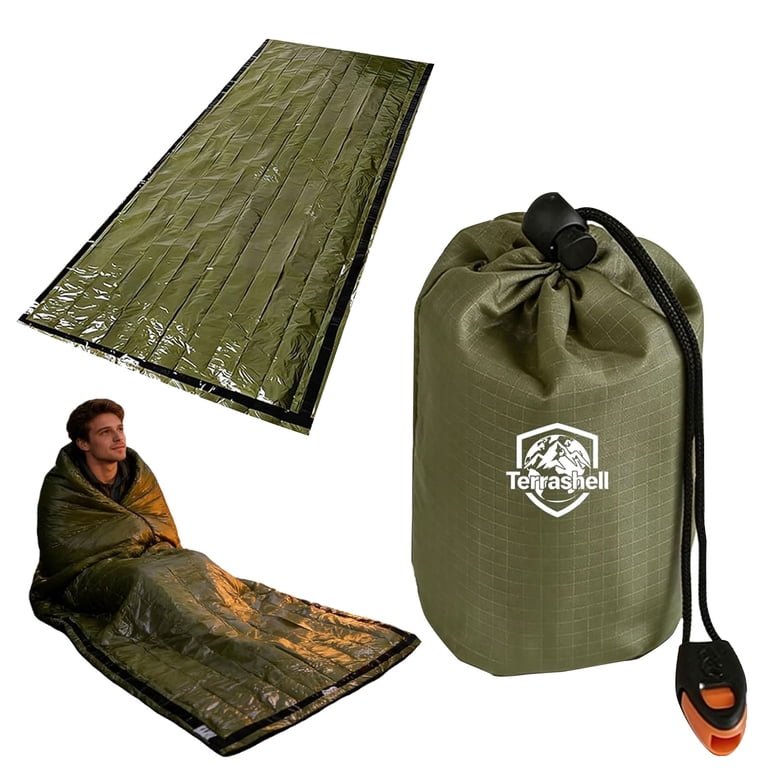
- Emergency space blanket: Reflects heat, keeps you warm, and protects from wet ground.
- Insect net: Mosquitoes and other insects are not just annoying—they can carry diseases.
For comfort, a small inflatable sleeping pad offers insulation from cold, damp soil.
4. Water Purification
You’ll sweat a lot in the jungle. Dehydration happens fast, and natural water sources may look clean but are often full of bacteria.
- Water filter: Reliable, light, and simple to use.
- Purification tablets: Compact and good as a backup.
- Collapsible water bottle: Saves space when empty.
Pro tip: Carry enough purification tablets for at least 2 days longer than you plan to trek. Rivers can dry up or become unsafe after storms.
5. Food And Emergency Rations
Jungle trekking burns calories quickly. Bring more food than you think you’ll need.
- High-energy bars: Small but packed with calories.
- Dried fruits and nuts: Lightweight and nutritious.
- Electrolyte powder: Helps replace salts lost through sweat.
Avoid canned goods—they’re heavy and create waste.
6. Fire-making Tools
Fire provides heat, light, and a way to signal for help. The jungle is wet, so fire-making can be tough.
- Waterproof matches
- Ferrocerium rod (firestarter)
- Cotton balls soaked in petroleum jelly (great for starting fires in wet conditions)
Always keep these items in a waterproof container.
7. Cutting Tools
A strong knife is your best friend in the jungle. It helps with shelter building, food prep, and emergencies.
- Fixed-blade knife: Safer and stronger than a folding knife.
- Multi-tool: Includes pliers, scissors, and small blades.
Don’t carry a large machete if you’re not trained to use it safely.
8. Lighting And Signaling Devices
The jungle gets dark fast. Good lighting helps prevent falls, and signaling gear can save your life.
- Headlamp: Keeps your hands free.
- Spare batteries
- Whistle: Loud, lightweight, and does not require batteries.
- Signal mirror: Sunlight flashes can be seen miles away by rescue teams.
Attach a whistle to your backpack straps for quick access.
9. Personal Protection
Jungle dangers include insects, leeches, sun, and thorns.
- Insect repellent: Choose one with DEET or picaridin.
- Leech socks: Essential in wet jungles.
- Sunblock: Even under trees, UV rays can burn.
- Lightweight gloves: Protect your hands from cuts and thorns.
Many overlook the importance of sunglasses—they protect against sun glare and branches.
10. Communication Equipment
If you’re trekking in a group, or solo in a remote area, staying in touch can be life-saving.
- Satellite phone or messenger: Works when regular phones don’t.
- Personal locator beacon (PLB): Sends your GPS location to rescuers in emergencies.
Check your device’s battery and registration before departure.
Clothing: What To Wear And Pack
Choosing the right clothing can protect you from weather, insects, and injuries.
Layering In The Jungle
Even though the jungle is hot, temperature can drop at night. The key is moisture management and protection.
- Base layer: Wicks sweat from your skin. Synthetic materials work best.
- Long-sleeve shirt and pants: Shields against insects, thorns, and sun.
- Light rain jacket: Sudden downpours are common.
- Wide-brimmed hat: Keeps sun and rain off your face and neck.
Avoid cotton. It stays wet, which can cause rashes and chills.
Footwear
Your feet take the hardest hit in the jungle.
- Tough trekking boots: High-ankle, waterproof, and with a strong sole.
- Extra socks: Change often to prevent blisters and infections.
- Sandals or camp shoes: Useful for river crossings and relaxing at camp.
Check your boots for leeches and insects before putting them on.
Packing For Safety: How To Organize Your Gear
A well-packed bag can save time and stress during emergencies. Here’s how to do it right.
Backpack Tips
- Size: 40–60 liters is enough for most treks.
- Rain cover: Essential in wet environments.
- External pockets: Use for first aid kit, water, and snacks.
Place heavy items close to your back and low in the pack for better balance. Keep emergency gear near the top or in side pockets for quick access.
Waterproofing
Humidity and rain are constant threats. Use:
- Dry bags: For electronics, first aid, and spare clothes.
- Ziplock bags: For small items and snacks.
- Garbage bag liner: Cheap and effective as a pack liner.
A tip beginners miss: Separate wet and dry clothes in different bags. This keeps your sleeping gear dry and comfortable.
Tools For Navigation And Rescue
Knowing how to use your navigation tools is as important as packing them.
Map And Compass Skills
Practice basic skills before your trip:
- Orienting your map using the compass
- Identifying landmarks and features
- Plotting your route and escape points
Don’t just download a GPS app and assume you’re safe—satellite signals sometimes fail under thick jungle canopy.
Using Emergency Beacons
Personal locator beacons (PLBs) are becoming more common. When activated, they send your location to rescue teams via satellite. They must be registered before your trip (check local regulations).
A recent study showed that trekkers using PLBs had a 60% faster rescue time compared to those who relied only on phone signals.
Dealing With Common Jungle Emergencies
Knowing how to use your gear is as important as carrying it. Here are some practical examples and tips.
Lost Or Off-trail
- Stay calm. Panic leads to poor decisions.
- Use your compass to retrace steps.
- Mark your path with bright tape or biodegradable markers.
- Use a whistle (three blasts is the universal distress signal).
Injury Or Illness
- Clean wounds with antiseptic immediately.
- Use bandages and tape to stop bleeding.
- Take rehydration salts if you have diarrhea or vomiting.
- Use your satellite phone or PLB if help is needed.
Bad Weather
- Set up your tarp or shelter before the rain starts.
- Keep your fire-making kit dry at all times.
- Change into dry clothes before sleeping.
Animal Encounters
- Make noise as you walk to avoid surprising wildlife.
- Use a flashlight at night to spot snakes or insects.
- Don’t leave food scraps or wrappers; they attract animals.
Flooded Trails
- Use a trekking pole to check water depth.
- Never cross rivers with strong currents above your knees.
- Wait for water to go down if unsure.
Comparison: Essential Gear Vs. Optional Gear
Not every item is equally important. Here’s a quick comparison to help you focus on what really matters.
| Item | Essential | Optional | Why? |
|---|---|---|---|
| Compass & Map | ✔ | Critical for navigation if GPS fails | |
| Satellite Phone | ✔ | Useful for remote areas but expensive | |
| Space Blanket | ✔ | Light, offers warmth and shelter | |
| Machete | ✔ | Only if you’re trained and need to clear trail | |
| Portable Solar Charger | ✔ | Nice for long treks with electronics |
Top Mistakes Beginners Make When Choosing Jungle Emergency Gear
Even the best gear is useless if chosen or used incorrectly. Here are some errors to avoid:
- Overpacking: Carrying too much can slow you down and cause fatigue.
- Ignoring weight: Heavy gear is exhausting in heat and humidity.
- Forgetting waterproofing: Electronics and first aid ruined by water are common.
- Choosing the wrong shoes: Poor footwear leads to blisters, injuries, and infections.
- Not testing gear: Practice using your stove, filter, or shelter before the trip.
- Relying only on tech: Phones and GPS can fail in dense jungle.
- Skipping personal items: Prescription meds, glasses, and allergy treatments are often left behind.
- Packing unfamiliar food: Bring what you know you can digest well.
Example Gear List For A 3-day Jungle Trek
Here’s a sample list for a short trek. Adjust quantities for longer trips or larger groups.
| Item | Suggested Quantity | Notes |
|---|---|---|
| Compass | 1 | Waterproof preferred |
| Map | 1 | Laminated or in a dry bag |
| First Aid Kit | 1 | Include personal meds |
| Tarp | 1 | 8 x 10 ft minimum |
| Water Filter | 1 | Plus 20+ purification tablets |
| High-Energy Bars | 9 | 3 per day |
| Headlamp | 1 | Plus 2 sets of spare batteries |
| Knife | 1 | Fixed blade |
| Multi-tool | 1 | For repairs and emergencies |
| Leech Socks | 2 pairs | One to wear, one spare |
| Rain Jacket | 1 | Lightweight and breathable |
| Extra Socks | 3 pairs | One per day minimum |

How To Choose Quality Gear
Not all gear is created equal. Here’s how to select items you can trust.
- Read reviews: Look for feedback from jungle trekkers, not just regular hikers.
- Test at home: Use your filter or headlamp before you go.
- Prioritize durability: Plastic snaps and thin fabrics can break easily in the wild.
- Check weight and size: Lightweight is good, but not at the cost of strength.
- Look for multipurpose items: For example, a bandana can serve as a towel, bandage, or sun protection.
One insight many miss: local gear shops near jungles often carry items suited to the climate and terrain. Staff can offer valuable advice.
Practical Tips For Staying Safe
- Tell someone your route: Always inform a friend or ranger where you plan to go and your return time.
- Travel in a group if possible: There’s safety in numbers, especially for carrying extra gear or helping in emergencies.
- Check weather forecasts: Sudden rain or storms can raise river levels and block trails.
- Keep your gear accessible: Don’t bury your first aid kit or whistle at the bottom of your pack.
- Conserve energy: Move slowly, take breaks, and drink water often.
A non-obvious tip: mark your camp and gear with reflective tape. It makes finding your way back at night much easier.
Frequently Asked Questions
What Is The Most Important Piece Of Emergency Gear For Jungle Trekking?
The most important item is a navigation tool—specifically, a map and compass. Getting lost is common, and electronic devices may fail due to water, battery loss, or poor satellite signal. Always carry a physical map and compass, and know how to use them.
How Much Water Should I Carry When Trekking In The Jungle?
Carry at least 2 liters per person at the start, plus a water filter or purification tablets. The jungle is hot and humid, so you’ll sweat more than you expect. Always have a way to make river or stream water safe to drink.
Is It Safe To Trek Alone In The Jungle?
Solo trekking is not recommended for beginners. The jungle is unpredictable—injuries, weather, and getting lost are real risks. If you must go alone, carry a personal locator beacon, inform someone of your route, and stick to marked trails.
What Should I Do If I Encounter A Snake Or Wild Animal?
Stay calm and still. Most animals, including snakes, do not want to attack humans. Back away slowly and give the animal space. Never try to pick up, feed, or provoke wildlife.
Where Can I Learn More About Jungle Trekking Safety?
You can find detailed safety guides and region-specific advice on the CDC’s Adventure Travelers page, which covers health, gear, and emergency planning for trekkers.
Jungle trekking is an adventure like no other, full of beauty and challenge. With the right emergency gear and a little preparation, you’ll be ready to handle surprises and enjoy the journey safely. Remember, your most important tools are not just in your backpack—they’re your planning, knowledge, and respect for the wild.
Safe trekking!

