

Jungle trekking sounds like a thrilling adventure. Exploring wild forests, hearing birds and animals, and seeing stunning scenery all make it tempting for beginners. But is jungle trekking safe if you are new to hiking or outdoor adventures? The answer is not simple.
Jungle trekking can be safe and rewarding for beginners, but it comes with real risks that you must understand.

36% off Today’s Exclusive Deals
Limited-time Exclusive Deals. Check current discount on Amazon.
Check Price on Amazon As an Amazon Associate I earn from qualifying purchases.If you prepare well and respect the jungle, you can have an amazing experience. However, ignoring safety can lead to serious problems—even in popular trekking spots. This article explores whether jungle trekking is safe for beginners, what dangers you may face, and how you can reduce risks.
You’ll find practical tips, common mistakes, and expert advice. By the end, you’ll know if jungle trekking is right for you and how to do it safely.
What Is Jungle Trekking?
Jungle trekking means walking through dense forests or tropical rainforests. This is different from walking on city trails or in open countryside. In the jungle, the environment is wild and often untouched. You may find:
- Tall trees blocking sunlight
- Muddy or slippery paths
- Rivers and streams to cross
- Thick vines and roots underfoot
- Insects, snakes, and sometimes wild animals
Popular jungle trekking destinations include Southeast Asia (like Malaysia, Thailand, Indonesia), the Amazon Rainforest, and parts of Africa and Central America. Some treks are short and easy, while others take days and require camping in the wild.
Why Do People Try Jungle Trekking?
Jungle trekking offers unique rewards. Many beginners are drawn to it for these reasons:
- Adventure: The jungle feels wild and exciting. Every step brings something new.
- Nature: You see rare plants, birds, and animals up close.
- Physical Challenge: Trekking tests your stamina and strength in a natural gym.
- Disconnect: There’s little or no phone signal, so you escape city life and stress.
- Cultural Experience: Some treks visit remote villages, giving you a look at traditional ways of life.
However, these reasons also mean you are far from help if something goes wrong. That’s why understanding safety is so important.
Main Risks Of Jungle Trekking For Beginners
Jungle trekking is not the same as a city walk. Beginners often overlook some real dangers. Here are the main risks:
1. Getting Lost
Jungles are confusing. Paths may be overgrown or not marked clearly. Compasses and GPS may not work well under thick trees. Beginners can easily get lost—even a few steps off the trail can mean hours of searching.
2. Wildlife
You may meet snakes, insects, leeches, or even larger animals like wild boars or monkeys. Most animals avoid humans, but bites, stings, or scratches are possible. Mosquitoes can carry diseases like malaria or dengue.
3. Weather And Environment
Jungles are hot and humid. Rain can start suddenly, making trails slippery and dangerous. Floods, landslides, or falling branches are other risks. Beginners can quickly become tired or dehydrated.
4. Health Problems
Jungle trekking is physically demanding. Beginners may suffer from blisters, muscle cramps, dehydration, or heatstroke. Drinking unclean water or getting small cuts can lead to infection.
5. Lack Of Emergency Help
In the jungle, medical help is far away. Cell phones may not work. If you’re injured or sick, it can take hours or days to get help.
6. Navigation And Communication Issues
Dense trees block signals. Maps may be outdated or wrong. Group members can get separated. Beginners often rely too much on technology and forget basic navigation skills.
How Safe Is Jungle Trekking For Beginners?
Jungle trekking can be safe for beginners if:
- You choose easy, well-marked trails
- Go with a professional guide
- Prepare carefully
- Respect your limits
However, even easy treks have risks. To help you compare, here’s a table showing the risk level of jungle trekking compared to other outdoor activities for beginners.
| Activity | Physical Challenge | Navigation Difficulty | Wildlife Risk | Medical Access | Overall Risk |
|---|---|---|---|---|---|
| City Park Walk | Low | Very Easy | Very Low | Immediate | Very Low |
| Forest Day Hike | Medium | Easy | Low | Good | Low |
| Mountain Trekking | High | Medium | Medium | Limited | Medium |
| Jungle Trekking | High | Hard | High | Poor | High |
As you can see, jungle trekking is one of the more challenging options for beginners. But thousands of people do it safely each year. The key is smart preparation and understanding what to expect.
How To Prepare For Your First Jungle Trek
Preparation is your best tool for safety. Here’s how to get ready for your first jungle trek:
1. Choose The Right Trail
Not all jungle treks are the same. Some are suitable for beginners, while others are for experts only. Look for:
- Short distance (2-5 km for your first trek)
- Well-marked and maintained paths
- Popular routes with other trekkers
- Treks with a licensed guide
Research the route. Read recent reviews and talk to other trekkers online. If possible, start with a day trek (no overnight camping).
2. Go With A Guide
A professional guide knows the area, the dangers, and how to respond to emergencies. For beginners, a guide is essential. Local guides also teach you about plants, animals, and the culture.
3. Train Physically
Jungle trekking is not a walk in the park. Before you go, improve your fitness:
- Walk or hike 3-4 times a week
- Practice on uneven or muddy paths
- Do some basic strength training (legs and core)
- Try carrying a small backpack
This will help you avoid injuries and enjoy the trek more.
4. Pack The Right Gear
Your gear can make the difference between a fun trek and a disaster. Here’s a checklist for beginners:
- Lightweight, breathable clothing (long sleeves and pants to protect from insects)
- Sturdy hiking shoes or boots with good grip
- Hat and sunglasses for sun protection
- Rain jacket or poncho
- Water bottle (at least 2 liters)
- Insect repellent and sunscreen
- First aid kit (plasters, bandages, antiseptic, painkillers)
- Snacks (energy bars, nuts, dried fruit)
- Headlamp or flashlight
- Whistle for emergencies
- Map and compass (even if you have a phone)
- Plastic bag for trash
Don’t overpack. Heavy bags make trekking harder and less safe.
5. Learn Basic Jungle Safety
- Stay on the path—do not wander off, even for photos
- Check weather before you go; avoid trekking in heavy rain
- Tell someone your plan and expected return time
- Never trek alone—go in a group
- Watch your step to avoid tripping or animal holes
Essential Jungle Trekking Skills For Beginners
Some skills make trekking much safer, especially in the jungle. Beginners often skip these, but they are critical:
Navigation
Learn to read a simple map and use a compass. GPS can fail. Guides will lead, but you should know the basics in case you get separated.
First Aid
Know how to treat:
- Cuts and scrapes
- Blisters
- Sprains
- Insect bites and leech removal
A basic first aid course is a smart investment.
Hydration And Nutrition
Beginners often forget to drink enough water. In the jungle, you sweat more. Dehydration makes you tired and confused. Drink small amounts often. Eat small snacks to keep energy up.
Dealing With Wildlife
- Do not touch or feed wild animals
- If you see a snake, stop and back away slowly
- Wear long sleeves and pants for insect protection
- Check boots and clothing before putting them on
Leave No Trace
Respect the jungle. Take all trash with you. Do not pick plants or disturb wildlife.
Common Mistakes Beginners Make
Even careful beginners can make mistakes. Here are some of the most common errors and how to avoid them:
1. Underestimating The Jungle
Beginners often think a short trek will be easy. But the jungle is unpredictable. Mud, river crossings, and steep hills are harder than they look.
2. Overpacking Or Underpacking
Bringing too much gear makes you slow and tired. Bringing too little leaves you unprepared. Follow the packing checklist and ask your guide for advice.
3. Not Testing Gear
New shoes or backpacks can cause blisters or pain. Test all gear before your trek. Wear your shoes on walks and adjust your backpack for comfort.
4. Ignoring Health Issues
If you feel sick, tired, or dizzy, tell your guide right away. Trying to push through can make things worse.
5. Poor Communication
Groups can get separated. Set clear meeting points and signals before starting. Carry a whistle to alert others if lost.
What To Do In An Emergency
Even with good planning, emergencies can happen. Here’s what to do:
If You Get Lost
- Stop moving. Don’t wander further away.
- Blow your whistle in groups of three signals (universal distress call).
- Stay visible. Wear bright clothing and stay in open areas if possible.
- Ration your water and food.
- Listen for voices or rescue teams.
If Bitten Or Stung
- Move away from the animal or insect
- Clean the wound with clean water (if possible)
- Apply pressure to stop bleeding
- Tell your guide right away
If Injured
- Stay calm and avoid moving too much
- Signal for help with your whistle or flashlight
- Use your first aid kit to control bleeding or support injuries
Guides are trained for these situations, but basic knowledge helps you stay calm.
When Should Beginners Avoid Jungle Trekking?
Jungle trekking is not for everyone. Consider waiting if:
- You have heart, lung, or serious health problems
- You are afraid of insects, snakes, or being far from help
- You can’t walk for several hours in hot, humid weather
- You dislike getting dirty, wet, or uncomfortable
For those unsure, start with easier hikes and build confidence before trying a jungle trek.
How To Choose A Safe Jungle Trekking Operator
A good trekking company or guide makes a big difference. Here’s how to choose:
1. Check Licenses And Reviews
Choose operators with government licenses and insurance. Read recent reviews on travel sites.
2. Ask About Safety
- Do guides have first aid training?
- How many people per group?
- Is there a safety briefing?
- What emergency equipment is carried?
3. Look For Local Knowledge
Local guides know the area best. They understand weather, wildlife, and safe routes.
4. Compare Prices And Services
The cheapest operator is not always the safest. Compare what’s included (gear, food, support) and ask questions.
Here’s a comparison of typical jungle trekking package features for beginners:
| Feature | Budget Trek | Standard Trek | Premium Trek |
|---|---|---|---|
| Licensed Guide | Sometimes | Always | Always |
| First Aid Equipment | Basic | Good | Excellent |
| Group Size | 10-20 | 6-10 | 4-6 |
| Emergency Plan | Unclear | Clear | Very Detailed |
| Meals and Water | No/Extra Cost | Included | Included |
Paying a bit more for safety and experience is usually worth it.
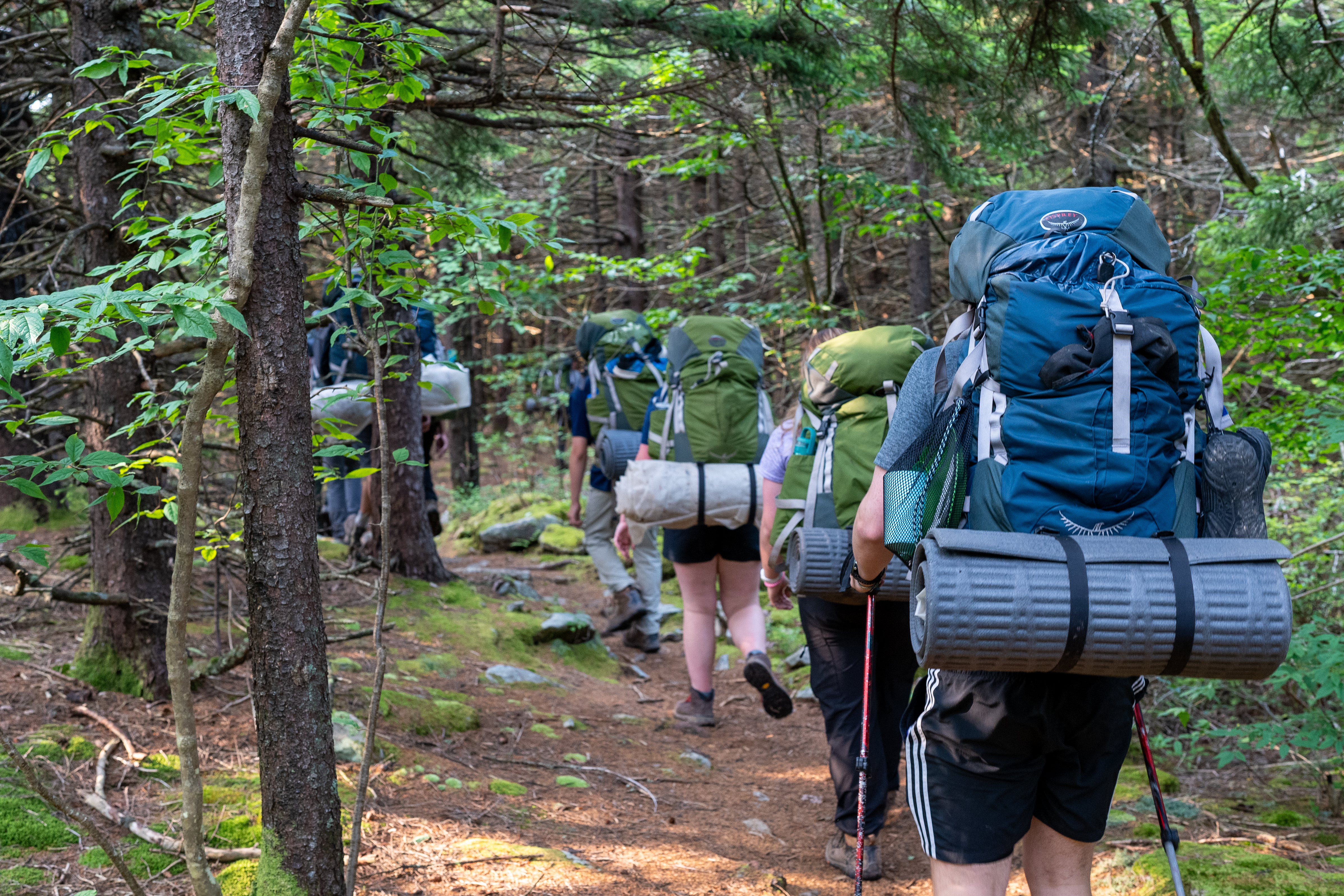
Non-obvious Insights For Beginners
Many guides mention obvious tips, but here are two insights beginners often miss:
- Jungle humidity makes dehydration sneaky. You may not feel thirsty, but you lose water quickly. Set a timer to drink every 20-30 minutes, even if you don’t feel thirsty.
- Jungle trekking is mentally challenging. The sounds, darkness, and feeling of being lost can cause anxiety. Practice staying calm and focus on small goals, like reaching the next bend or resting spot.
Real-life Example: Beginner Jungle Trekking Gone Wrong
In 2019, a group of beginners in Malaysia tried a jungle trek without a guide. They brought little water, no first aid kit, and only used their phones for navigation. After a heavy rain, the path disappeared. The group got lost for two days before being rescued.
Some had dehydration, cuts, and insect bites. They said they did not realize how quickly things could go wrong.
This story shows why guides, preparation, and respecting the jungle are essential.
Jungle Trekking Safety By Country
Risk levels and safety standards vary by country. Here’s a quick comparison for some popular beginner destinations:
| Country | Popular Trek | Typical Risk Level | Guide Availability | Medical Access |
|---|---|---|---|---|
| Malaysia | Taman Negara | Medium | High | Good (main trails) |
| Thailand | Khao Sok | Medium | High | Moderate |
| Peru | Amazon Basin | High | High | Poor |
| Costa Rica | Corcovado NP | Medium | High | Good |
| Indonesia | Sumatra Rainforest | High | Medium | Poor |
Always check local conditions and news before planning your trip.
Final Thoughts: Is Jungle Trekking Safe For Beginners?
Jungle trekking can be safe for beginners—but only with the right preparation, guidance, and respect for nature. The jungle is beautiful but unforgiving. Risks are real, but most accidents happen when people ignore basic safety or overestimate their abilities.
If you are fit, prepared, and willing to listen to your guide, you can enjoy a safe and unforgettable jungle trek. Start small, learn from each experience, and never let excitement make you careless.
For further reading, the official CDC Adventure Travel page offers more tips on staying healthy during outdoor travel.
Frequently Asked Questions
What Should I Wear For Jungle Trekking?
Wear lightweight, long-sleeved shirts and long pants to protect against insects and sharp plants. Choose quick-dry fabrics. Good hiking boots with ankle support are best. Bring a hat and rain jacket.
Is It Safe To Drink Water From Jungle Streams?
No. Jungle streams can carry bacteria and parasites. Always drink bottled or filtered water. If you must use stream water, boil it for at least 1 minute or use water purification tablets.
Do I Need Vaccinations For Jungle Trekking?
Yes, check with your doctor. Common vaccines include tetanus, hepatitis A and B, typhoid, and sometimes yellow fever. In some regions, malaria pills are recommended.
Can I Trek In The Jungle Without A Guide?
For beginners, it is not recommended. Guides are trained for navigation, emergencies, and local dangers. Going alone or without a guide greatly increases your risk.
What Is The Best Time Of Year To Go Jungle Trekking?
The dry season is safest (usually November to March in Southeast Asia, May to October in the Amazon). Avoid trekking during heavy rains, which can cause floods and slippery trails. Always check local weather before your trip.

