

Every year, thousands of adventure seekers leave the comfort of their cities to explore the world’s jungles. From the misty rainforests of Borneo to the wild Amazon, jungle trekking is a bucket-list activity for many. But one question comes up again and again: How much does jungle trekking cost? The answer is not simple. The total cost depends on where you go, how long you trek, what kind of experience you want, and many other factors. If you’re planning your first jungle trek, or just curious about the expenses, this guide will help you understand every part of the budget, so you can make smart decisions and avoid surprises.
What Influences Jungle Trekking Costs?
Before diving into numbers, it’s important to know that jungle trekking is not a one-size-fits-all adventure. Costs can change a lot based on a few main factors:

36% off Today’s Exclusive Deals
Limited-time Exclusive Deals. Check current discount on Amazon.
Check Price on Amazon As an Amazon Associate I earn from qualifying purchases.- Destination – Treks in Southeast Asia are often cheaper than in South America or Africa.
- Duration – Longer treks cost more, both for guides and gear.
- Guided vs. Independent – Going with a guide costs more, but is often safer and required in many places.
- Group Size – Private treks are pricier; group treks can be much cheaper per person.
- Season – High season brings higher prices, while the rainy season can offer discounts.
- Level of Comfort – Basic camping is cheaper than staying in lodges or eco-resorts.
Let’s break down these factors in detail, so you know what to expect and where you might save money.
Typical Cost Breakdown By Region
The price of jungle trekking varies greatly by country and region. Here’s a closer look at popular destinations:
Southeast Asia (malaysia, Indonesia, Thailand)
Southeast Asia is known for its affordable jungle treks, especially in countries like Malaysia and Indonesia.
- Short treks (1-2 days): $40-$100 per person
- Multi-day treks (3-5 days): $120-$400 per person
- Premium treks (with eco-lodges): $500-$900 per person
For example, a 3-day trek in Taman Negara National Park (Malaysia) might cost around $200, including guide, park fees, and basic meals.
South America (peru, Ecuador, Brazil)
The Amazon is a dream destination, but costs are higher due to remote access and logistics.
- Short treks (1-2 days): $120-$300 per person
- Multi-day treks (3-5 days): $350-$1,000 per person
- Luxury treks (with lodges): $1,200-$2,500 per person
A 4-day trek in the Peruvian Amazon, including river transport, guide, meals, and basic lodging, can average $700.
Africa (uganda, Rwanda, Madagascar)
Africa offers unique wildlife and deep rainforest treks, but permits and guides are often mandatory.
- Short treks (1-2 days): $150-$400 per person
- Multi-day treks (3-5 days): $500-$1,500 per person
- Gorilla trekking (Uganda/Rwanda): $700-$1,500 for the permit alone
In Madagascar, a 2-day guided trek through Ranomafana National Park may cost about $300, including entry fees and local guide.
Central America (costa Rica, Panama)
Costa Rica is famous for its lush jungles, but prices reflect its popularity.
- Short treks (1-2 days): $80-$200 per person
- Multi-day treks (3-5 days): $250-$700 per person
- Eco-lodge experiences: $800-$2,000 per person
A 2-day trek in Corcovado National Park with a guide and basic lodging costs around $350.
Quick Comparison: Average Trekking Costs By Region
To help you compare, here’s a table summarizing typical prices:
| Region | Short Trek (1-2 days) | Multi-day Trek (3-5 days) | Luxury/Eco-lodge Trek |
|---|---|---|---|
| Southeast Asia | $40-$100 | $120-$400 | $500-$900 |
| South America | $120-$300 | $350-$1,000 | $1,200-$2,500 |
| Africa | $150-$400 | $500-$1,500 | $700-$1,500 (permit only) |
| Central America | $80-$200 | $250-$700 | $800-$2,000 |
Core Expenses: Where Your Money Goes
When you pay for a jungle trek, you’re not just paying for the walk. Here are the main cost components:
1. Permits And Park Entry Fees
Many jungles are in protected areas, and most parks charge entry fees. These can be as little as $2 (in Indonesia) to over $1,000 (for special permits in Uganda or Rwanda).
- Standard park entry: $5-$30 per day
- Special permits (e.g., gorilla trekking): $700-$1,500
A common mistake is forgetting to budget for these, as some tour companies list them separately.
2. Guide Fees
Guides are often required for safety and are the main source of income for local communities. Their fees depend on experience, language skills, and group size.
- Local guides: $20-$50 per day
- Expert/naturalist guides: $50-$150 per day
In some countries, hiring a guide is not optional. For example, Corcovado National Park in Costa Rica only allows visitors with certified guides.
3. Accommodation
Jungle accommodation ranges from basic campsites to comfortable lodges.
- Camping (bring your own gear): $5-$15 per night
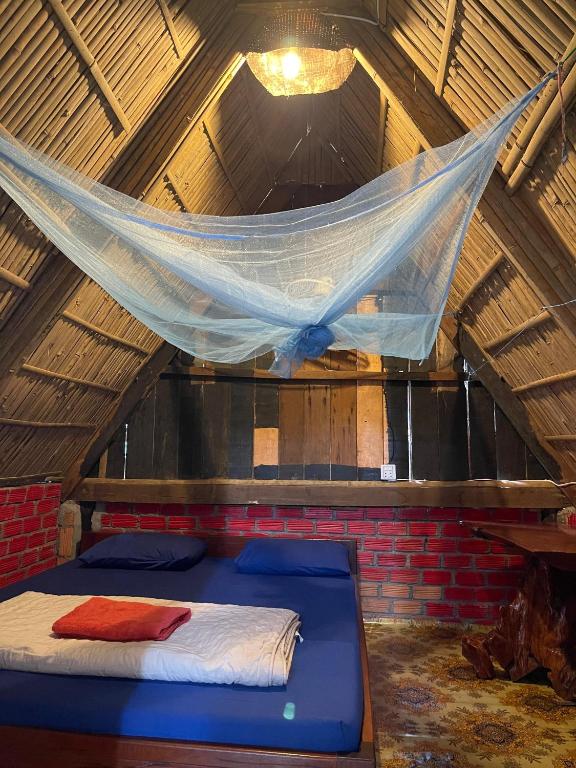
- Basic jungle huts: $15-$40 per night
- Eco-lodges: $60-$250+ per night
Consider that in remote areas, prices can be high even for basic comfort due to transport costs.
4. Food And Water
Most guided treks include simple meals, but quality and variety vary.
- Self-catering: $5-$10 per day
- Simple meals (rice, beans, vegetables): $10-$20 per day
- All-inclusive (lodge): $30-$70 per day
In the jungle, clean water can be hard to find. Some tours provide bottled water, others offer filtered or boiled water. Always ask in advance.
5. Transport
Getting to the jungle is often the hidden cost. This includes buses, boats, or charter flights.
- Local bus: $2-$20
- Private car/van: $40-$150
- River boat/dugout canoe: $20-$100
- Domestic flights (remote jungles): $100-$400
If you need to reach a very remote area, transport can sometimes cost more than the trek itself.
6. Gear Rental Or Purchase
You may need to rent or buy gear such as boots, rain jackets, or mosquito nets.
- Boot rental: $5-$10 per day
- Sleeping bag: $5-$8 per day
- Rain gear: $3-$7 per day
Buying basic gear before you travel usually saves money compared to last-minute rentals.
7. Tips And Gratuities
In many countries, tipping your guide or porter is expected. A typical tip is $5-$10 per day, but high-end treks can expect more.
Example: 3-day Jungle Trek Budget
To help you plan, here’s an example budget for a typical 3-day guided trek in Borneo, Malaysia:
| Expense | Cost (USD) |
|---|---|
| Permits & Entry Fees | $15 |
| Guide (3 days) | $90 |
| Accommodation (2 nights, basic hut) | $40 |
| Food & Water | $30 |
| Transport (bus + boat) | $50 |
| Gear Rental | $10 |
| Tips | $15 |
| Total | $250 |
Guided Vs. Independent Trekking: Pros, Cons, And Costs
Some trekkers want the freedom of independent travel, while others prefer the safety and knowledge of a guide. Which is cheaper?
Guided Trekking
- Pros: Safety, local knowledge, logistics handled, often required by law.
- Cons: More expensive, less flexibility.
Independent Trekking
- Pros: Flexible schedule, lower daily cost, more adventure.
- Cons: May not be allowed in many jungles, safety risks, more planning needed.
In most jungles, going with a guide is safer and sometimes required by park authorities. For beginners, a guided trek is highly recommended.

Group Size: Private Vs. Group Treks
Trekking solo with a private guide is the most expensive way. Joining a group trek can lower costs a lot.
- Private trek: $100-$200 per day (split among participants)
- Group trek (4-10 people): $30-$70 per day per person
If you’re traveling alone, ask tour companies if they can match you with other trekkers to share costs.
Seasonal Price Changes
Jungle trekking is affected by the weather. High season (dry months) brings higher prices, but also better trails and wildlife viewing.
- High season: Prices can be 20-40% higher, and bookings fill up fast.
- Low season: Discounts possible, but more rain and sometimes more leeches or insects.
Pro tip: Some parks offer shoulder season rates—a balance between price and good weather.
Comparing Different Jungle Trekking Packages
Not all treks are equal. Here’s a comparison of what you might get with budget, standard, and luxury packages:
| Package Type | Inclusions | Price Range (3 days) | Who It’s For |
|---|---|---|---|
| Budget | Basic guide, park fees, simple meals, camping | $120-$250 | Backpackers, students |
| Standard | Experienced guide, better meals, huts/lodges, transfers | $300-$600 | Most travelers |
| Luxury | Expert guide, all meals, eco-lodge, activities, transfers | $900-$2,000 | Comfort seekers, families |
Common Hidden Costs And Beginner Mistakes
Many first-time trekkers forget to budget for certain items. Here are some non-obvious expenses:
- Travel insurance: Most policies don’t cover adventure activities unless you pay extra.
- Vaccinations and medicine: Some countries require yellow fever or malaria pills. These can add $50-$200 to your pre-trip costs.
- Last-minute shopping: Buying gear at the last minute (like rain ponchos or dry bags) in tourist towns is almost always more expensive.
- Unexpected transport: Missing a bus or needing a private transfer can double your transport budget.
- Cash-only areas: Some remote places do not accept cards, so bring enough cash to cover all costs.
- Emergency funds: Always keep a small emergency fund for medical or weather-related delays.
Many beginners are surprised by how much they spend on snacks, bottled water, or tips. Always ask your guide in advance what is included and what is not.
How To Save Money On Jungle Trekking
You don’t have to spend a fortune for a great experience. Here are some practical tips:
- Book in advance: Especially for high season or popular parks.
- Join a group: Reduces guide and transport costs.
- Bring your own gear: Renting boots or sleeping bags can add up quickly.
- Travel off-peak: Consider shoulder season for better prices.
- Look for local operators: International agencies often charge a big markup.
- Pack smart: Bring a reusable water bottle and water purification tablets to avoid buying bottled water.
- Combine treks: Some agencies offer discounts if you book two treks or combine with other tours.
An overlooked way to save is to ask your hotel or hostel for local guide recommendations. They often know reliable, cheaper options than those advertised online.
Is Jungle Trekking Worth The Cost?
For many, the answer is yes. The price of a jungle trek includes not just the adventure, but also supports conservation and local communities. In many regions, your entry fee helps protect the forest and its wildlife, and your guide’s wages support their family.
But value is personal. Consider your budget, desired comfort, and safety needs. Sometimes, paying more for a reputable company means better equipment, medical support, and environmental responsibility.
Real-world Examples: What Trekkers Actually Spend
Let’s look at a few real budgets from recent jungle trekkers (2023 data):
- Backpacker in Thailand (2 days, Khao Sok National Park): $130 all-inclusive (guide, meals, hut, park fee)
- Couple in Peru (4 days, Amazon lodge): $1,600 for both (transfers, guide, all meals, luxury lodge)
- Solo trekker in Uganda (1 day, gorilla permit): $800 (permit, guide, transport, basic lunch)
These numbers show that the cost of jungle trekking can fit many types of travelers, from budget backpackers to luxury seekers.
Making The Most Of Your Budget
To get the best experience for your money:
- Choose a trek that matches your fitness and interest—don’t overpay for luxury if you love roughing it, and don’t cut corners if you want comfort and safety.
- Research the operator’s reputation—a cheap trek is not a good deal if safety or ethics are poor.
- Understand what’s included—always check if park fees, transport, and meals are in the price.
- Ask about group size—smaller groups can offer a better experience, but may cost more.
One key insight: In many countries, tipping is not included in the price, but is expected. Factor this into your final budget to avoid awkward moments.

Useful Resources For Planning
For up-to-date permit prices and park rules, official national park websites are the best source. For example, you can check the latest entry fees and rules for Costa Rica’s parks at the Costa Rican National Park Service.
Travel forums, recent trekker blogs, and guidebooks also offer practical, up-to-date budget information.
Frequently Asked Questions
How Much Should I Tip My Jungle Trekking Guide?
A common tip is $5–$10 per day per person for standard treks. For luxury treks or exceptional service, 10% of the trek cost is appreciated. Always check if tips are already included.
Is It Possible To Go Jungle Trekking Without A Guide?
In some places, yes, but in many jungles, guides are required for safety and park rules. Even where not required, beginners are strongly advised to hire a guide for navigation, wildlife spotting, and emergencies.
What Is Usually Included In The Price Of A Jungle Trek?
Most standard packages include the guide, accommodation, meals, and park fees. Budget packages may leave out some meals or gear. Luxury packages include all meals, transfers, and activities. Always ask for a clear list before booking.
Do I Need Special Insurance For Jungle Trekking?
Yes. Most travel insurance plans do not cover adventure activities like jungle trekking unless you add extra coverage. Check the details and make sure emergency evacuation is included.
When Is The Cheapest Time To Go Jungle Trekking?
The cheapest time is usually during the rainy (low) season, but trails may be muddy and wildlife harder to spot. The shoulder season (just before or after the rains) can offer good prices and decent weather.
Jungle trekking can be an unforgettable experience, whether you spend $100 or $2,000. With smart planning, clear priorities, and a careful look at all costs, you can choose the trek that’s right for your budget—and your sense of adventure.

