

Comparing the Sony Xperia 1 VIII and the iPhone 15 Pro Max is more than just looking at specs. It’s about understanding how two flagship phones deliver performance, design, and user experience in very different ways. Whether you’re a tech enthusiast, a mobile photographer, or just looking for your next phone, this guide will help you decide which device truly fits your needs. The battle between Sony and Apple is always interesting—each brings unique strengths and some hidden weaknesses that most people miss. Let’s dive deep into every aspect, from cameras to battery life, so you can make a confident choice.
Design & Build Quality
When you hold a phone, the feel matters just as much as how it looks. Both Sony and Apple aim for premium build, but their approaches are very different.

36% off Today’s Exclusive Deals
Limited-time Exclusive Deals. Check current discount on Amazon.
Check Price on Amazon As an Amazon Associate I earn from qualifying purchases.Materials And Finish
The iPhone 15 Pro Max uses a titanium frame with a glass back. This combination makes it lighter than previous models but still tough. The back glass is smooth and shiny, giving a modern look. Apple offers several colors: Natural Titanium, Blue Titanium, White, and Black.
The Sony Xperia 1 VIII sticks to a more classic design with a matte glass back and an aluminum frame. The matte finish helps resist fingerprints and gives a more understated, professional look. Sony’s color options are usually limited—Black, Silver, and sometimes a unique green.
Dimensions And Weight
- IPhone 15 Pro Max: 159.9 x 76.7 x 8.25 mm, 221 grams
- Sony Xperia 1 VIII: 165 x 71 x 7.9 mm, 185 grams
Sony’s phone is taller and slimmer, but lighter. The iPhone feels denser, which some people like for a more “solid” feel.
Durability
Both phones offer IP68 water and dust resistance. That means they can survive drops into water and dusty environments. Apple adds extra protection with its Ceramic Shield front glass, while Sony’s Gorilla Glass Victus keeps scratches away.
Ergonomics
Sony’s slim, tall design makes it easier to hold in one hand, especially for people with smaller hands. Apple’s wider body can feel bulky, but the curved edges help.
Non-obvious insight: The Xperia’s matte finish improves grip and reduces accidental drops compared to the iPhone’s slippery glass.
Display
A phone’s screen is where you interact with everything. Here, Sony and Apple take different paths.
Screen Specs
| Phone | Size | Resolution | Type | Refresh Rate | Brightness |
|---|---|---|---|---|---|
| Sony Xperia 1 VIII | 6.5-inch | 3840 x 1644 (4K) | OLED | 120Hz | Peak ~1300 nits |
| iPhone 15 Pro Max | 6.7-inch | 2796 x 1290 | LTPO OLED | 120Hz | Peak ~2000 nits |
Color And Clarity
Sony’s 4K screen is unique—you get incredible sharpness for video and photos. Apple’s screen is lower resolution, but its color accuracy and HDR brightness are among the best.
- Sony supports BT.2020 color space, which is useful for professional video editing.
- Apple uses the Super Retina XDR, with Dolby Vision support.
Refresh Rate
Both phones offer 120Hz, making scrolling smooth. However, Apple uses LTPO technology, which saves battery by adjusting the refresh rate dynamically.
Practical Differences
Sony’s display is perfect for watching movies and editing photos. The iPhone’s screen is brighter outside and easier to see under sunlight.
Non-obvious insight: Sony is the only major brand to offer true 4K resolution on a phone, which matters if you view or edit high-res content.
Performance
Speed and power affect everything—from gaming to multitasking. Let’s see how these phones compare.
Chipset And Ram
- IPhone 15 Pro Max: Apple A17 Pro chip, 8GB RAM
- Sony Xperia 1 VIII: Snapdragon 8 Gen 3, 12GB RAM
Apple’s A17 Pro is built with 3nm process technology, leading to lower power use and higher performance. Sony’s Snapdragon 8 Gen 3 is also top-tier but uses a 4nm process.
Storage Options
- IPhone 15 Pro Max: 256GB, 512GB, 1TB (no microSD)
- Sony Xperia 1 VIII: 256GB, 512GB (microSD up to 1TB)
Sony gives flexibility with expandable storage—a feature Apple never offers.
Benchmark Scores
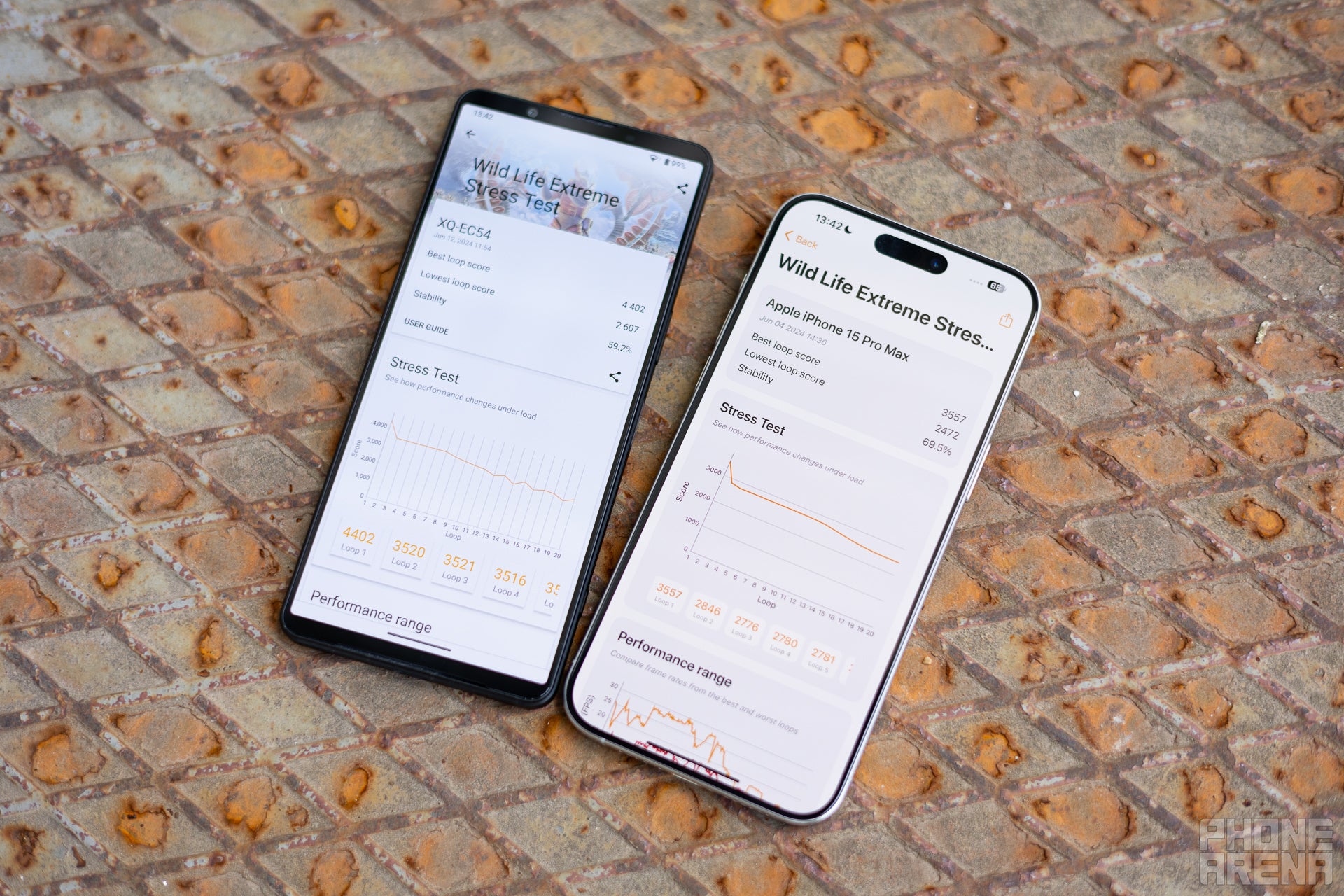
- IPhone 15 Pro Max: Geekbench 6 (single core ~2950, multi-core ~7200)
- Sony Xperia 1 VIII: Geekbench 6 (single core ~2200, multi-core ~6800)
Apple wins in pure CPU speed, but Sony’s extra RAM helps with multitasking.
Gaming And Graphics
Apple’s A17 Pro has a new 6-core GPU and supports console-quality games like Resident Evil Village. Sony’s Adreno GPU is strong but not as optimized for AAA games.
Real-world Use
For most users, both phones are fast enough. The iPhone handles heavy apps and games better, while Sony offers smoother multitasking with more RAM.
Non-obvious insight: Sony’s microSD slot allows content creators to quickly swap large files without using cloud storage, making it more practical for photographers and videographers.
Camera System
Mobile cameras are now the main way people capture memories. Sony and Apple both focus on camera quality, but with different goals.
Camera Hardware
| Phone | Main Sensor | Ultra-wide | Telephoto | Front Camera |
|---|---|---|---|---|
| Sony Xperia 1 VIII | 48MP (1/1.3″, variable aperture) | 12MP | 12MP (optical zoom 85-170mm) | 12MP |
| iPhone 15 Pro Max | 48MP (1/1.28″, f/1.78) | 12MP | 12MP (5x optical, 120mm) | 12MP |
Features
- Sony offers variable aperture and true optical zoom, which means you can adjust the lens for different lighting and zoom levels. Manual controls are similar to Sony’s Alpha cameras.
- Apple focuses on computational photography—using software to improve photos. Features like Photonic Engine, Deep Fusion, and Smart HDR make photos look great automatically.
Photo Quality
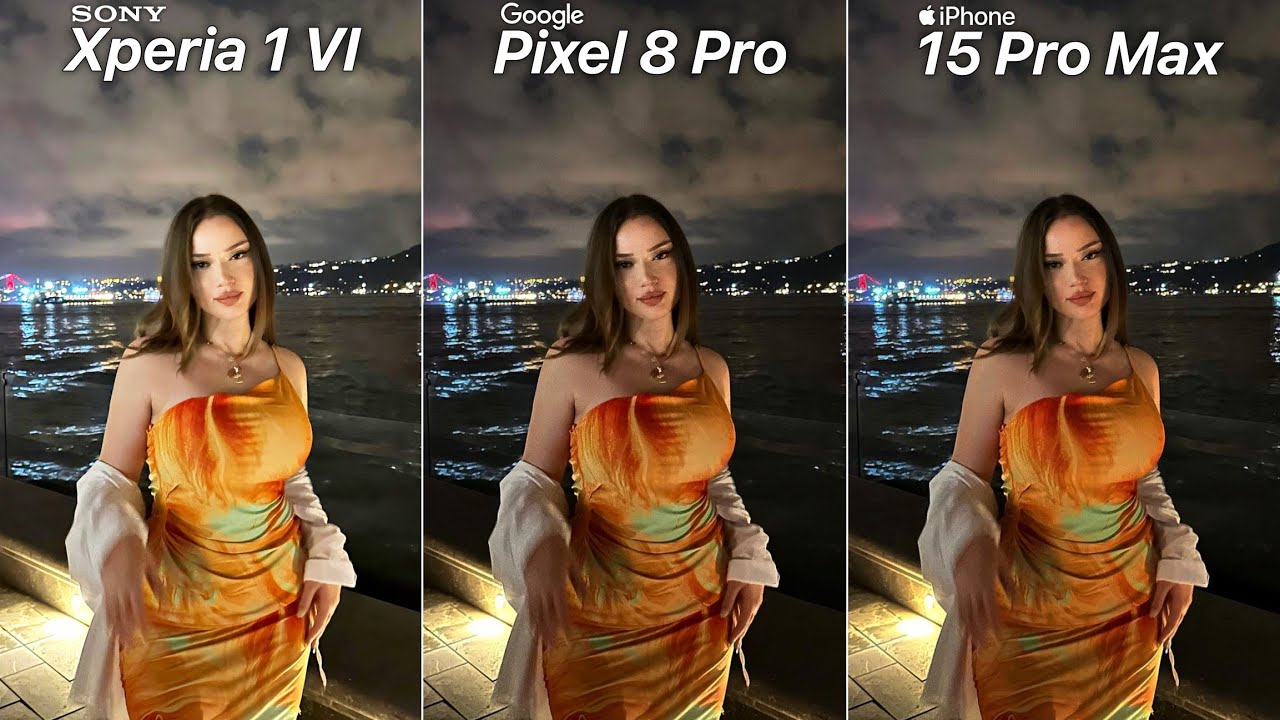
Sony’s camera produces natural colors and less aggressive sharpening. You can shoot in RAW and tweak every setting. Apple’s camera is better for quick, social-ready photos, with vibrant colors and strong HDR.
Video
- Sony: Shoots 4K at up to 120fps, with full manual controls. CineAlta support lets you create professional videos.
- Apple: Shoots 4K at 60fps, supports ProRes video, and has excellent stabilization.
Front Camera
Both phones have 12MP front cameras. The iPhone’s software improves selfies in low light, while Sony’s camera offers more detail.
Practical Differences
Sony is ideal for enthusiasts and pros who want control. Apple is best for those who want instant, great-looking photos and videos.
Non-obvious insight: Sony’s camera app allows direct integration with external microphones and monitors, turning the phone into a mini pro camera rig.
Battery Life & Charging
Battery life is crucial. Nobody wants a phone that dies before the day ends.
Battery Specs
- Sony Xperia 1 VIII: 5000mAh
- IPhone 15 Pro Max: 4441mAh
Sony has a bigger battery on paper, but Apple’s A17 chip is more efficient.
Battery Performance
- Sony: About 7-8 hours screen-on time
- Apple: About 8-10 hours screen-on time
Apple gets more life from a smaller battery, thanks to software optimization.
Charging Speeds
- Sony: 30W wired, 15W wireless
- Apple: 27W wired, 15W MagSafe wireless
Sony charges a bit faster with a cable. Both support wireless charging, but Apple’s MagSafe offers easier, more reliable attachment.
Practical Charging Tips
Sony supports Battery Care features, slowing charging at night to protect battery health. Apple manages this automatically but doesn’t offer as much user control.
Non-obvious insight: Sony’s battery care settings can extend battery lifespan by up to 20% over two years, especially for users who keep phones for longer.
Software & User Experience
The software shapes how you use the phone every day. Both brands offer polished, but very different, experiences.
Operating Systems
- Sony Xperia 1 VIII: Android 14 (near-stock)
- IPhone 15 Pro Max: IOS 17
Sony’s Android is clean, with minimal bloatware. You get freedom to customize, install apps from different sources, and tweak settings.
Apple’s iOS is smooth, secure, and tightly integrated with other Apple products. Updates are fast and reliable.
Unique Features
- Sony: Side Sense (quick shortcuts), multi-window split, advanced camera apps, customizable UI.
- Apple: Dynamic Island, Face ID, seamless device integration (Mac, iPad, Watch), AirDrop.
App Ecosystem
Apple’s App Store has strict quality control, so apps often look and work better. Android’s Play Store is more open, offering more variety, but sometimes lower quality.
Updates
Apple supports its phones for at least 5 years. Sony offers 2-3 years of major updates and 4 years of security patches.
Privacy And Security
Apple is known for strong privacy controls. Sony relies on Android’s updates, but doesn’t offer as many privacy features out of the box.
Non-obvious insight: Sony’s manual camera apps are not available on many Android phones, making Xperia a unique choice for creative users.
Audio & Multimedia
Sound quality is often forgotten, but it matters for movies, music, and games.
Speakers
- Sony Xperia 1 VIII: Stereo front-facing speakers, 3.5mm headphone jack
- IPhone 15 Pro Max: Stereo bottom and earpiece speakers, no headphone jack
Sony’s speakers are positioned for direct sound. The headphone jack is a rare feature—great for audiophiles.
Apple’s speakers are loud and clear, but lack true stereo separation.
Audio Features
Sony supports Hi-Res audio, LDAC, and DSEE Ultimate for upscaling music. Apple supports lossless audio over AirPods Pro, but not as many formats.
Video Playback
Sony’s 4K HDR screen and Dolby Atmos support make movies look and sound amazing. Apple’s screen is bright, with Dolby Vision and Atmos, but the audio is less immersive.
Non-obvious insight: Sony’s 360 Reality Audio is unique, creating a surround sound effect with compatible headphones.
Connectivity & Extras
Modern phones offer many ways to connect—let’s see which brand does better.
5g And Wi-fi
Both phones support 5G and Wi-Fi 6E. Apple adds Wi-Fi 7 support in some regions.
Bluetooth
- Sony: Bluetooth 5.3
- Apple: Bluetooth 5.3
Both are up-to-date. Sony supports more audio codecs (LDAC, aptX), while Apple focuses on seamless pairing.
Nfc And Payments
Both phones support NFC for payments. Apple Pay is more widely accepted than Google Pay in many countries.
Ports
Sony offers a USB-C port with video output and a headphone jack. Apple uses USB-C for the first time, but no headphone jack.
Extras
- Sony: MicroSD slot, dual SIM, advanced camera controls
- Apple: ESIM only in some regions, stronger integration with accessories
Non-obvious insight: Sony’s USB-C port allows direct connection to cameras and monitors, useful for professionals.
Price & Value
Flagship phones are expensive, but their value depends on features and longevity.
Price Comparison
| Model | Base Price (USD) | Top Price (USD) |
|---|---|---|
| Sony Xperia 1 VIII | $1,199 | $1,349 |
| iPhone 15 Pro Max | $1,199 | $1,599 |
What You Get
- Sony: More RAM, expandable storage, pro camera features, headphone jack
- Apple: Better software support, higher resale value, brighter display, strong ecosystem
Long-term Value
Apple phones keep their value longer. Sony’s features are great for creative users, but resale value drops faster.
Hidden Costs
Apple’s ecosystem can lead to buying more accessories (AirPods, Apple Watch). Sony doesn’t push extra purchases.
Non-obvious insight: Sony’s expandable storage and battery care features save money in the long run, since you don’t need to upgrade as often.
User Profiles: Who Should Buy Which?
Not every phone fits every person. Here’s a quick guide:
- Sony Xperia 1 VIII
- Ideal for photographers, videographers, and creative professionals
- Best for people who want manual camera control and expandable storage
- Good for audiophiles who want high-quality wired sound
- Flexible for Android power users
- IPhone 15 Pro Max
- Perfect for people already in the Apple ecosystem
- Great for those who want the best app experience and software updates
- Ideal for gamers and users who want the brightest, easiest-to-use screen
- Good for people who value privacy and security

Pros & Cons Summary
Sony Xperia 1 Viii
- Pros
- 4K display
- Expandable storage
- Manual camera controls
- Headphone jack
- Battery care features
- Cons
- Software updates not as long as Apple
- Lower peak brightness
- Fewer colors and accessories
Iphone 15 Pro Max
- Pros
- Brighter display
- Longer software support
- Stronger ecosystem
- Top-tier CPU performance
- High resale value
- Cons
- No expandable storage
- No headphone jack
- More expensive at higher storage
Real-world Examples
A professional photographer might choose the Sony Xperia 1 VIII for its manual camera controls and microSD slot. A student or business user, who relies on fast updates and a seamless device experience, might prefer the iPhone 15 Pro Max.
If you often edit videos or photos on your phone, Sony’s 4K screen and advanced camera apps offer more control. If you want the best gaming experience and smooth app performance, Apple’s A17 Pro chip is the winner.
Key tip: Think about how you use your phone daily. Storage, camera, and software updates matter more than specs alone.
Comparison Table: Key Features
Here’s a quick side-by-side look at important features.
| Feature | Sony Xperia 1 VIII | iPhone 15 Pro Max |
|---|---|---|
| Display | 6.5″, 4K OLED, 120Hz | 6.7″, OLED, 120Hz, brighter |
| Main Camera | 48MP, variable aperture | 48MP, fixed aperture |
| Storage | 256/512GB + microSD | 256/512/1TB, no microSD |
| Battery | 5000mAh, 30W charging | 4441mAh, 27W charging |
| Headphone Jack | Yes | No |
| Software Support | 2-3 years | 5+ years |
| Price | $1,199+ | $1,199+ |
Frequently Asked Questions
What Makes The Sony Xperia 1 Viii Unique Compared To Other Android Phones?
The Sony Xperia 1 VIII stands out because of its 4K display, manual camera controls, and expandable storage. It’s one of the few phones with a headphone jack and pro-level video features. Creative users and photographers benefit from these tools.
Does The Iphone 15 Pro Max Have Better Gaming Performance?
Yes, the iPhone 15 Pro Max uses the A17 Pro chip, which is currently the fastest on the market for gaming. It supports console-quality games and smooth graphics, making it ideal for gamers.
How Long Do Software Updates Last For Each Phone?
Apple provides at least 5 years of software updates for the iPhone 15 Pro Max. Sony offers about 2-3 years of major updates, with 4 years of security patches. If software support is important, Apple is the better choice.
Can I Use A Microsd Card With The Iphone 15 Pro Max?
No, the iPhone 15 Pro Max does not support microSD cards. Storage is fixed, so you need to choose the right size when buying. The Sony Xperia 1 VIII lets you add up to 1TB with a microSD card.
Which Phone Is Better For Photography?
It depends on your needs. The Sony Xperia 1 VIII offers manual controls and RAW shooting for advanced users. The iPhone 15 Pro Max uses smart software to make photos look great instantly, which is easier for most people. Professionals may prefer Sony, while casual users may find Apple’s camera more convenient.
Final Thoughts
Choosing between the Sony Xperia 1 VIII and the iPhone 15 Pro Max is all about priorities. Sony’s phone is ideal for creative users who want control, flexibility, and unique features like a 4K display and expandable storage. Apple’s phone shines in software support, gaming, and ease of use, especially if you’re already in the Apple ecosystem. Both are excellent, but your daily habits and long-term goals should guide your choice. If you want more details on smartphone specs, check the official GSMArena site for updates.
No matter which you pick, you’re getting a top-tier device. Just remember: the best phone is the one that fits your life, not just your pocket.

