

Choosing a new smartphone is never simple, especially when the competition is tight. If you’re torn between the Sony Xperia 1 VIII and Pixel 10 Pro, you’re not alone. Both models target people who want the best features, top camera performance, and reliable software. But which one fits your needs? In this guide, you’ll get a clear, side-by-side look at both phones. We’ll explore their strengths, weaknesses, and what makes each special. By the end, you’ll know which device deserves your money.
Overall Design And Build Quality
Smartphones are more than just their specs—they’re physical objects you use every day. The design and build quality affect how you feel about your device.

36% off Today’s Exclusive Deals
Limited-time Exclusive Deals. Check current discount on Amazon.
Check Price on Amazon As an Amazon Associate I earn from qualifying purchases.Sony Xperia 1 Viii
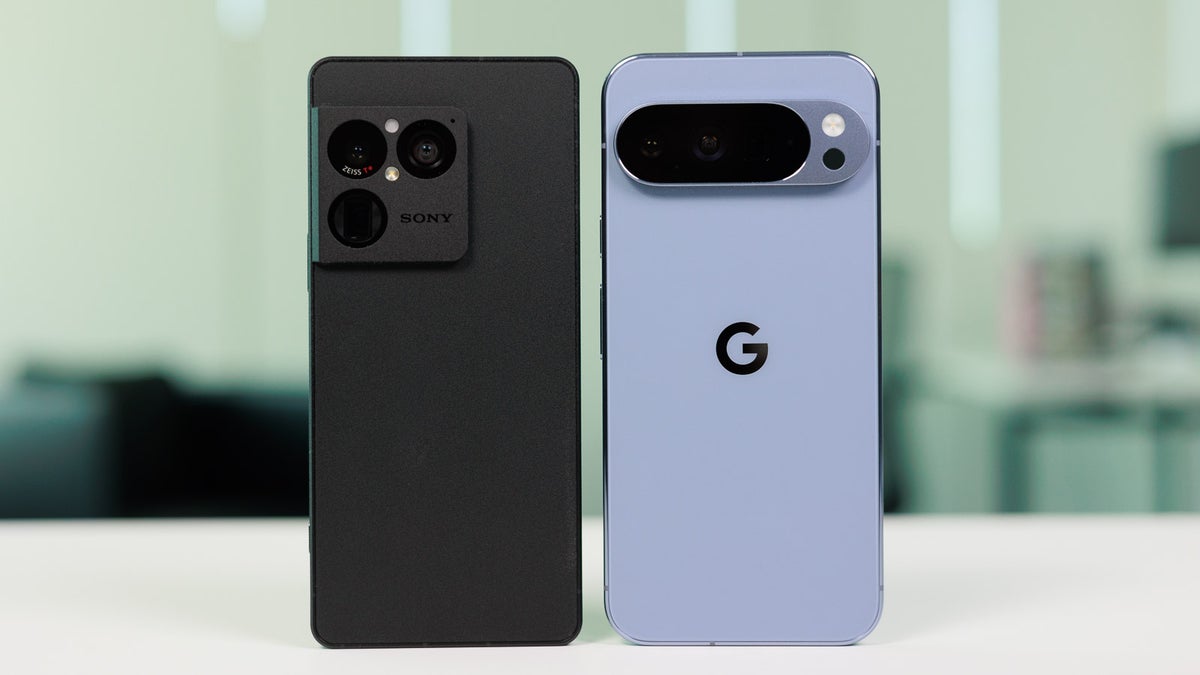
Sony keeps its signature tall shape with the Xperia 1 VIII. The phone uses Gorilla Glass Victus 2 on both sides and a metal frame. Its matte finish resists fingerprints, and it feels solid but not too heavy (about 190 grams). The Xperia is also IP68 rated, so you can use it in rain or near water without worries.
Sony’s side-mounted fingerprint sensor is fast and reliable. The phone’s physical camera button sets it apart, making it easy to snap photos even with gloves.
Pixel 10 Pro
Google’s Pixel 10 Pro feels more rounded and modern. It uses Gorilla Glass Victus 2 as well, and the frame is aluminum. The back is glossy, showing fingerprints easily but giving it a premium shine. It weighs slightly less (around 185 grams).
The Pixel’s in-screen fingerprint sensor is quick but sometimes struggles with wet fingers. The camera bar across the back is iconic, but it sticks out more than Xperia’s camera bump.
Build Comparison
Here’s a quick overview:
| Feature | Sony Xperia 1 VIII | Pixel 10 Pro |
|---|---|---|
| Material | Gorilla Glass Victus 2, Metal frame | Gorilla Glass Victus 2, Aluminum frame |
| Weight | 190g | 185g |
| Fingerprint Sensor | Side-mounted | In-screen |
| Water Resistance | IP68 | IP68 |
| Camera Bump | Minimal | Visible bar |
Non-obvious insight: Xperia’s camera button is loved by photographers, but most users ignore it. Pixel’s in-screen sensor feels futuristic but can frustrate if your hands are wet.
Display Quality And Experience
Smartphone screens are where you spend most of your time. Watching videos, playing games, or reading—display quality matters.
Xperia 1 Viii Display
Sony is famous for its screens, and the Xperia 1 VIII is no exception. It uses a 6.5-inch 4K OLED display with a 120Hz refresh rate. The display is sharp, with rich colors and deep blacks. Sony’s CineAlta technology brings professional color accuracy.
The screen’s tall 21:9 ratio is great for watching movies but can feel awkward for regular apps. Some people love the extra space; others find it hard to reach the top.
Pixel 10 Pro Display
The Pixel 10 Pro sports a 6.7-inch QHD+ OLED display with 120Hz refresh rate. It’s bright, colorful, and easy to read outdoors. Google’s adaptive brightness and color tuning make it comfortable for all-day use.
The Pixel’s 19.5:9 ratio is more standard, so apps look better and one-handed use is easier.
Display Comparison
Here’s a quick breakdown:
| Feature | Sony Xperia 1 VIII | Pixel 10 Pro |
|---|---|---|
| Size | 6.5-inch | 6.7-inch |
| Resolution | 3840 x 1644 (4K) | 3120 x 1440 (QHD+) |
| Refresh Rate | 120Hz | 120Hz |
| Aspect Ratio | 21:9 | 19.5:9 |
| Brightness | 1000 nits | 1600 nits |
Non-obvious insight: Sony’s 4K screen is almost too sharp for daily use—most apps don’t show real 4K content. Pixel’s higher brightness is better for sunny days.
Camera Systems And Real-world Performance
Cameras are often the main reason people upgrade. Both Sony and Google focus on photography, but their styles are different.
Xperia 1 Viii Cameras
Sony uses a triple-lens system:
- 48MP main sensor (f/1.7)
- 12MP ultra-wide (f/2.2)
- 12MP telephoto (f/2.4, 5x optical zoom)
Sony’s camera app gives manual controls similar to a DSLR. You can adjust ISO, shutter speed, and focus. The dedicated camera button makes quick photos easy.
Video recording is strong, with 4K 60fps and HDR. Sony’s color science keeps skin tones natural. However, the camera sometimes struggles in low-light—photos can look noisy.
Pixel 10 Pro Cameras
Google’s Pixel 10 Pro also has three lenses:
- 50MP main sensor (f/1.8)
- 12MP ultra-wide (f/2.2)
- 48MP telephoto (f/3.0, 5x optical zoom)
Pixel’s camera relies on software. Its computational photography is famous for making photos sharp and colorful, even in bad light. The camera app is simple—point and shoot.
Pixel’s video is good, but not as flexible as Sony’s. It records 4K 60fps, but skin tones can look a bit artificial.
Camera Comparison
Here’s a side-by-side:
| Feature | Sony Xperia 1 VIII | Pixel 10 Pro |
|---|---|---|
| Main Sensor | 48MP (f/1.7) | 50MP (f/1.8) |
| Ultra-Wide | 12MP (f/2.2) | 12MP (f/2.2) |
| Telephoto | 12MP (f/2.4, 5x) | 48MP (f/3.0, 5x) |
| Video | 4K 60fps HDR | 4K 60fps |
| Manual Controls | Yes, extensive | No, basic |
| Night Photos | Good, but noisy | Excellent, clear |
Non-obvious insight: Sony’s manual mode is powerful, but most people never use it. Pixel’s software fixes blurry hands and dark scenes automatically, which helps beginners.
Performance, Hardware, And Battery Life
A phone’s speed and battery can decide if it feels premium or annoying. Let’s see how these two match up.
Xperia 1 Viii Performance
Sony uses the Snapdragon 8 Gen 3 chip, with 12GB RAM and 256/512GB storage. The phone feels fast—apps open quickly, games run smoothly, and multitasking is easy. Sony’s software is light, so performance stays strong over time.
Battery is 5,000 mAh. With normal use, it lasts a full day. Charging is 30W wired and 15W wireless. Sony’s battery care system slows charging at night to keep the battery healthy.
Pixel 10 Pro Performance
Pixel 10 Pro uses the Google Tensor G4 chip, with 12GB RAM and 256/512GB storage. It’s fast, but sometimes less powerful than Snapdragon chips. Everyday use is smooth, but heavy games can show minor lag.
Battery is 5,200 mAh—slightly larger. Pixel lasts a day and sometimes more, thanks to Google’s smart power management. Charging is 27W wired and 18W wireless.
Hardware Comparison
A direct look:
| Feature | Sony Xperia 1 VIII | Pixel 10 Pro |
|---|---|---|
| Processor | Snapdragon 8 Gen 3 | Tensor G4 |
| RAM | 12GB | 12GB |
| Storage | 256/512GB | 256/512GB |
| Battery | 5,000 mAh | 5,200 mAh |
| Charging (Wired) | 30W | 27W |
| Charging (Wireless) | 15W | 18W |
| Expandable Storage | Yes (microSD) | No |
Non-obvious insight: Xperia’s microSD slot is rare now—great for people who shoot lots of photos or videos. Pixel’s battery is bigger, but actual life is similar due to software.
Software Experience And Updates
How your phone works day-to-day depends on its software. Updates, features, and security all matter.
Xperia 1 Viii Software
Sony uses Android 14 with light customizations. The interface is clean—no extra apps or bloatware. Sony’s focus is on stability, speed, and privacy.
Sony promises 3 years of OS updates and 4 years of security updates. Updates come regularly, but not as fast as Google’s.
Sony includes special apps for photography and video. Its Side Sense feature helps with one-handed use, showing shortcuts on the screen edge.
Pixel 10 Pro Software
Pixel 10 Pro has Android 14 too, but it’s pure Google. It gets updates first, often within days of release. Pixel promises 5 years of OS updates and 7 years of security updates—the best in the industry.
Google’s software features include Call Screen, Magic Eraser, and Live Translate. These smart tools help with daily tasks, making the phone more useful.
Software Comparison
- Sony: Clean, stable, some camera apps, slower updates, fewer years of support.
- Pixel: Pure Android, fastest updates, many smart features, longer support.
Non-obvious insight: Pixels get new Android features before any other phone. Sony’s software is less fancy but more stable for video/photo work.
Audio And Multimedia Features
For music, movies, and games, audio matters. Both phones offer different experiences.
Xperia 1 Viii Audio
Sony is famous for audio quality. The Xperia 1 VIII has stereo speakers tuned for clarity and loudness. It also includes a 3.5mm headphone jack, which is rare in modern flagships.
Sony’s LDAC support means wireless headphones sound better. The phone handles Hi-Res audio files, and its vibration system adds physical feedback for movies and games.
Pixel 10 Pro Audio
Pixel 10 Pro has stereo speakers too, but no headphone jack. Audio is loud, but sometimes lacks bass. Pixel supports aptX and AAC for wireless headphones.
Google’s audio tuning focuses on clarity for calls and voice messages.
Audio Comparison
- Sony: Better for music lovers, wired headphones, stronger vibration.
- Pixel: Good for calls and podcasts, wireless only.
Non-obvious insight: Sony’s vibration feedback makes watching movies feel immersive—most users don’t know this feature exists. Pixel’s call clarity is excellent in noisy places.
Connectivity, 5g, And Special Features
Modern phones need fast connections and useful extras.
Xperia 1 Viii Connectivity
Sony supports 5G, Wi-Fi 6E, and Bluetooth 5.3. It includes microSD for storage and dual SIM (physical + eSIM). The phone also supports NFC for mobile payments.
Sony’s gaming mode reduces lag and boosts performance.
Pixel 10 Pro Connectivity
Pixel supports 5G, Wi-Fi 7, and Bluetooth 5.4. It has eSIM and physical SIM, but no expandable storage.
Pixel’s Tensor chip enables on-device AI, like real-time translation and photo editing. It supports UWB (Ultra Wideband) for device location.
Connectivity Comparison
- Sony: 5G, microSD, gaming mode, dual SIM.
- Pixel: 5G, Wi-Fi 7, UWB, eSIM, smart AI features.
Non-obvious insight: UWB is useful for tracking and sharing files, but only if you have other devices that support it. Sony’s gaming mode reduces heating during long play sessions.
Pricing, Value, And Availability
The cost and value of a phone can affect your choice more than specs.
Xperia 1 Viii Pricing
Sony’s Xperia 1 VIII starts at $1,299 for 256GB and $1,399 for 512GB. It’s available in limited regions—mostly Europe, Japan, and some US stores.
Sony’s phones keep their value longer, but resale is low due to niche popularity.
Pixel 10 Pro Pricing
Pixel 10 Pro starts at $999 for 256GB and $1,099 for 512GB. It’s widely available in the US, Europe, and Australia.
Pixel phones lose value quickly, but they’re easier to find and often discounted.
Price Comparison
- Xperia: Higher price, limited regions, niche resale.
- Pixel: Lower price, wide availability, frequent discounts.
Non-obvious insight: Sony includes a charger and headphones in the box—rare today. Pixel includes only a cable. Xperia’s higher price reflects its camera and screen, not just branding.
Real-world User Experience
Specs are important, but how the phone feels in daily life matters most.
Xperia 1 Viii Experience
Sony’s phone feels like a tool for creators. If you love photography or videography, you’ll enjoy manual controls, the camera button, and expandable storage. The screen is sharp and immersive for movies.
However, the phone’s tall shape can be hard for one-handed use. Updates are slower, and the camera needs skill for best results.
Pixel 10 Pro Experience
Pixel feels simple and smart. It’s easy to use, with features that help you every day—like spam call blocking, photo fixes, and fast updates. The camera is reliable, even for beginners.
Pixel’s battery is strong, and the phone is comfortable to hold. It’s more practical for most people, but lacks Sony’s creative extras.
Non-obvious insight: Xperia is loved by a small group of power users. Pixel is built for everyone, and its AI features are ahead of most brands.
Which Should You Buy? Key Decision Factors
Let’s break down the main reasons you’d choose each phone.
Reasons To Buy Sony Xperia 1 Viii
- Professional photography and manual controls
- 4K display for movies
- Expandable storage (microSD)
- Headphone jack and high-end audio
- Camera button for easy shooting
- Premium build and unique design
Reasons To Buy Pixel 10 Pro
- Best software updates and support
- Easy, reliable camera for all users
- Smart features powered by AI
- Lower price and wider availability
- Comfortable shape for one-handed use
- Long battery life and strong power management
Common Buyer Mistakes
- Ignoring software support: Updates keep your phone safe and fast.
- Overvaluing camera specs: Real-world photos depend on software too.
- Forgetting about expandable storage: If you take lots of photos/videos, microSD matters.
- Choosing based only on price: Features and support can save money in the long run.
If you’re a creator or want a unique device, Xperia is a great choice. If you want a phone that just works, Pixel is the safer bet.
Frequently Asked Questions
Is The Sony Xperia 1 Viii Better For Professional Photography?
Yes, the Xperia 1 VIII is designed for people who want manual camera controls. You can adjust settings like ISO, shutter speed, and focus, similar to a DSLR. The dedicated camera button helps you take photos quickly. However, it takes practice to get the best results. If you want easy, point-and-shoot photos, the Pixel 10 Pro is better.
Does The Pixel 10 Pro Get Software Updates Faster?
Absolutely. Pixel phones get Android updates first, often within days of release. Google promises up to 5 years of OS updates and 7 years of security updates. Sony Xperia 1 VIII gets regular updates, but not as quickly or for as long as Pixel.
Which Phone Has Better Battery Life?
Both phones offer all-day battery life. Pixel 10 Pro has a slightly larger battery (5,200 mAh), but Sony’s battery care system helps keep its battery healthy. In real-world use, battery life is similar. Pixel’s software can save more power, so it may last longer if you use lots of Google apps.
Can I Expand Storage On Both Phones?
No, only the Sony Xperia 1 VIII has microSD support for expandable storage. This is useful if you take lots of photos or videos. Pixel 10 Pro does not allow storage expansion, so you must choose the right size when you buy.
Which Phone Is Better For Gaming?
Sony Xperia 1 VIII has a Snapdragon 8 Gen 3 chip, which is stronger for gaming. It also has a gaming mode that reduces lag and heat. Pixel 10 Pro’s Tensor chip is good for everyday use, but some games may not run as smoothly. If gaming is important, Xperia is a better choice.
Final Thoughts
Choosing between the Sony Xperia 1 VIII and Pixel 10 Pro is about understanding your needs. Sony offers a unique experience for creators and photographers, with manual controls, expandable storage, and top audio quality. Pixel is easier for most people, with reliable software, smart features, and fast updates.
Think about what matters most: Do you want creative tools and a unique design, or do you prefer a phone that’s simple, smart, and always up-to-date? Both are excellent, but your ideal choice depends on your lifestyle.
For more technical details and history, you can check the official specs at Wikipedia.
No matter which you choose, you’ll get a top-tier smartphone. Decide based on what you value most—features, camera, software, or price. Your next phone should fit your life, not just your pocket.


