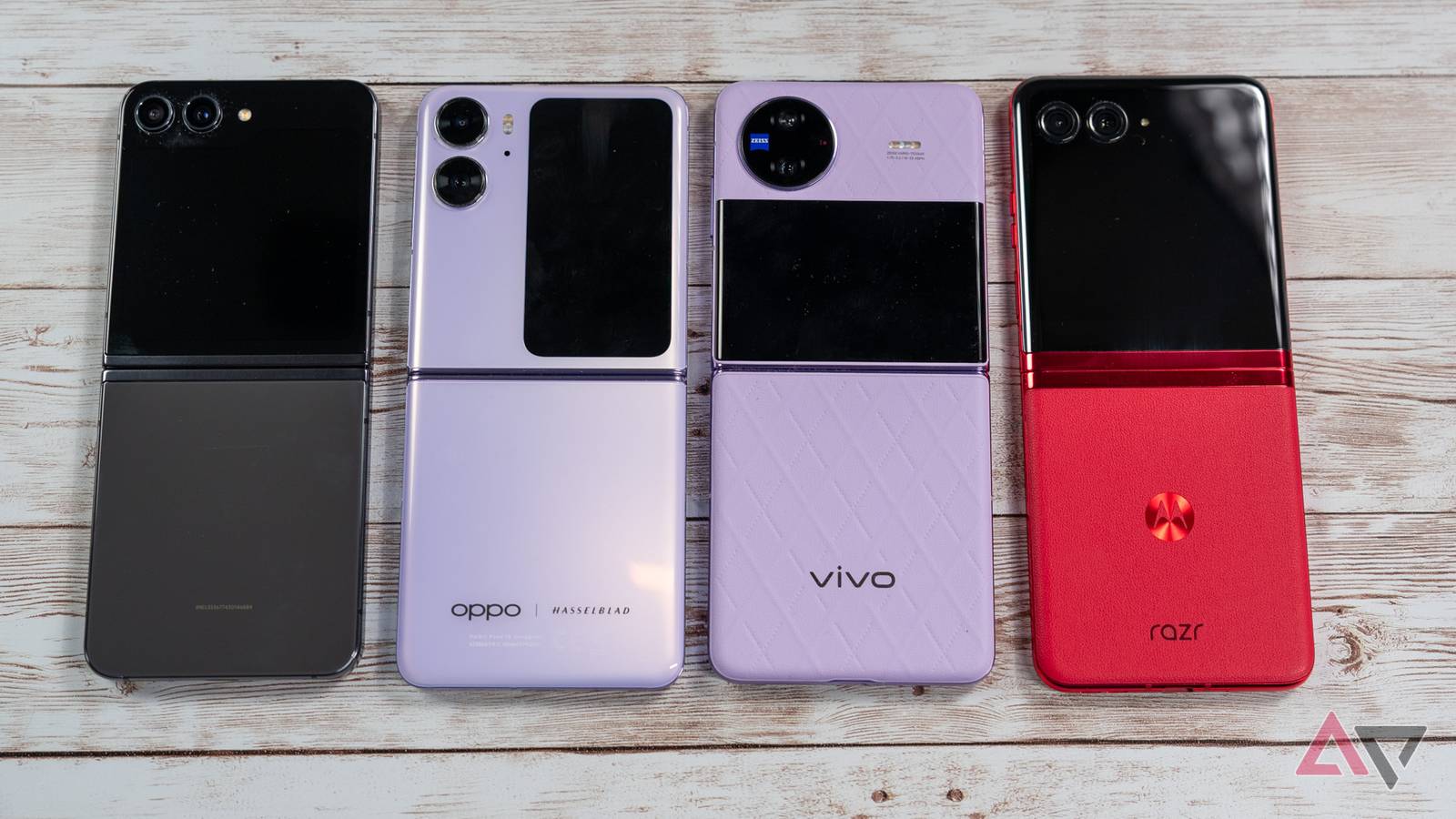
Foldable phones are changing the way people use smartphones. In 2024, two models stand out: the Motorola Razr+ and the Oppo Find N3 Flip. These phones are not just cool to look at—they offer new ways to multitask, take photos, and carry a phone that fits easily in your pocket. But choosing between them is not simple. Both are packed with features. Both have unique designs. If you are thinking about buying one, or just want to know which is better, this article will help you decide.
We will look at how they compare in design, display, performance, camera, battery, software, and user experience. Along the way, you’ll see clear examples, real data, and some insights that most buyers miss. By the end, you’ll know which foldable fits your needs.

36% off Today’s Exclusive Deals
Limited-time Exclusive Deals. Check current discount on Amazon.
Check Price on Amazon As an Amazon Associate I earn from qualifying purchases.Motorola Razr+
The Motorola Razr+ (called Razr 40 Ultra in some markets) is Motorola’s top foldable for 2024. It builds on the Razr’s famous flip-phone legacy, but now with modern tech and style.
Design And Build
The Razr+ is thin, light, and easy to carry. When closed, it measures about 3.6 x 2.8 x 0.6 inches and weighs just 188 grams. Its aluminum frame and Gorilla Glass Victus cover make it feel solid and premium. The hinge is smooth, letting you open and close the phone with one hand. Motorola also offers fun colors, like Viva Magenta and Infinite Black.
One thing that stands out is the large external display, which covers almost the whole front. This makes the Razr+ look modern and unique compared to older flip phones.
Display
The Razr+ has two screens:
- Main display: 6.9-inch pOLED, 2640 x 1080 pixels, 165Hz refresh rate
- External display: 3.6-inch pOLED, 1066 x 1056 pixels, 144Hz refresh rate
The main screen is bright and sharp. Watching videos or playing games feels smooth. The high refresh rate (165Hz) is unusual for foldables and makes scrolling extra fast. The external screen is not just for notifications—you can use it for apps, quick replies, selfies, music, and even games.
Display Comparison Table
| Feature | Razr+ | Find N3 Flip |
|---|---|---|
| Main Display Size | 6.9-inch | 6.8-inch |
| Main Display Refresh Rate | 165Hz | 120Hz |
| External Display Size | 3.6-inch | 3.26-inch |
| External Display Features | Full app access, games | App widgets, limited apps |
Performance
The Razr+ runs on the Snapdragon 8+ Gen 1 chip. It comes with 8GB or 12GB of RAM, and 256GB or 512GB storage. This chipset is fast enough for most tasks, but not the very latest in 2024. Still, most users will never notice any lag in daily use.
Apps open quickly, and multitasking works well. Gaming is smooth, but heavy games may not run at the highest settings. For regular use—calls, web, social media, and streaming—the Razr+ feels fast.
Camera System
The Razr+ features:
- Main camera: 12MP, f/1.5, OIS
- Ultra-wide camera: 13MP, f/2.2
- Front camera: 32MP, f/2.4
You can use the external screen for selfies with the main camera, which improves photo quality. The main camera is good in daylight, but in low light, photos can be soft. The ultra-wide lens is handy for landscapes. The 32MP selfie camera is sharp but can look a bit artificial.
Camera Comparison Table
| Feature | Razr+ | Find N3 Flip |
|---|---|---|
| Main Camera | 12MP, OIS | 50MP, OIS |
| Ultra-wide | 13MP | 8MP |
| Telephoto | None | 32MP, 2x optical |
| Selfie Camera | 32MP | 32MP |
Battery Life
The Razr+ has a 3800mAh battery. On paper, this is smaller than many phones, but thanks to software optimization, it lasts a full day for most users. If you use the external screen often, battery drains faster. Fast charging is supported (up to 30W), but wireless charging is missing.
Practical tip: Avoid heavy gaming and video streaming on the main display if you want the battery to last.
Software And Features
Motorola uses My UX based on Android 13. It is close to stock Android, so it feels clean and simple. You get useful gestures like chopping the phone to turn on the flashlight, and twisting to open the camera. The external display allows you to reply to messages, check emails, or even use Google Maps without opening the phone.
Updates are promised for 3 years. Some users report that Motorola is slower than Samsung or Google in sending updates.
User Experience
The Razr+ is fun to use. Flip it open to answer a call, close it to hang up—just like old times, but with modern apps. The external screen is practical for quick tasks, and the foldable design gets attention in public.
A non-obvious insight: The large external screen means you can leave the phone closed for many tasks. This saves battery and protects the main display from scratches.
Price And Availability
In the US, the Razr+ costs about $999. It is available in most markets, including Europe and Asia. Motorola often discounts the Razr+ during sales, making it more affordable.
Oppo Find N3 Flip
The Oppo Find N3 Flip is Oppo’s most advanced flip-style foldable. It brings new features, especially in camera and software, that make it stand out.
Design And Build
The Find N3 Flip is elegant, with a polished aluminum frame and glass back. When closed, it is compact: about 3.4 x 2.9 x 0.6 inches, and weighs 192 grams. The hinge is strong and can hold the phone at any angle—good for hands-free photos or video calls.
Unlike the Razr+, the external screen is vertical, not horizontal. This makes it feel more like a mini phone screen.
Display
The Find N3 Flip has:
- Main display: 6.8-inch AMOLED, 2520 x 1080 pixels, 120Hz refresh rate
- External display: 3.26-inch AMOLED, 720 x 382 pixels
The main screen is bright and color-rich. The 120Hz refresh rate is smooth, but not as fast as the Razr+. The external screen supports app widgets, quick replies, and some full apps—but not as many as the Razr+.
A hidden advantage: The vertical external display is better for reading messages and scrolling through notifications.
Performance
Oppo uses the MediaTek Dimensity 9200 chip. This is a high-end processor, competitive with Snapdragon. Paired with 12GB RAM and up to 512GB storage, the Find N3 Flip handles multitasking and gaming well. Apps open quickly, and heavy tasks like video editing are possible.
Some tests show the Find N3 Flip is slightly faster in opening apps than the Razr+, but both are fast enough for most users.
Camera System
Oppo gives the Find N3 Flip a triple camera setup:
- Main camera: 50MP, f/1.8, OIS
- Ultra-wide camera: 8MP, f/2.2
- Telephoto camera: 32MP, f/2.4, 2x optical zoom
- Front camera: 32MP
The main camera is sharp, with good color and detail. The telephoto lens is rare in flip foldables, letting you zoom without losing quality. Selfies are better because you can use the main camera with the external screen.
A non-obvious insight: The triple camera setup makes the Find N3 Flip more versatile. You can take portraits, landscapes, and zoom shots—all with good quality.
Battery Life
The Find N3 Flip has a 4300mAh battery. It lasts longer than the Razr+—often more than a day with moderate use. It supports 44W fast charging, so you can charge to 50% in about 23 minutes.
Wireless charging is missing, but the fast wired charging makes up for it.
Software And Features
The Find N3 Flip uses ColorOS 13.2, based on Android 13. ColorOS is rich in features, with customization options, smart widgets, and good multitasking tools. The external display supports more widgets than before, and Oppo is adding new apps for it.
Updates are promised for 4 years, and Oppo is usually quick with security patches. Some users find ColorOS more complex than My UX, but it offers more control.
User Experience
Using the Find N3 Flip feels smooth. The hinge can hold the phone at any angle, so you can take selfies, join video calls, or watch movies hands-free. The vertical external screen is easy to use for quick tasks.
Another insight: The telephoto camera is handy for taking photos of documents, whiteboards, or distant objects—something most foldables can’t do well.
Price And Availability
The Find N3 Flip costs about $1099 in most markets. It is widely available in Asia and Europe, but less common in the US. Oppo’s support and service are strong in the regions where it sells.
Key Differences: Razr+ Vs Find N3 Flip
Let’s look at what makes these two phones different. Here are the most important points:
- Display: The Razr+ has a larger, faster external screen that supports more apps. The Find N3 Flip’s vertical screen is better for messages and scrolling.
- Camera: The Find N3 Flip has three cameras, including a telephoto lens. The Razr+ has two cameras, no zoom.
- Performance: Both are fast, but the Find N3 Flip’s chip is newer and slightly faster.
- Battery: The Find N3 Flip lasts longer and charges faster.
- Software: Razr+ uses a clean Android version, Find N3 Flip offers more features and updates.
- Price: Razr+ is cheaper and often discounted. Find N3 Flip is more expensive, but has more features.
- Availability: Razr+ is easy to find in the US. Find N3 Flip is better supported in Asia and Europe.
Quick Comparison Table
| Feature | Razr+ | Find N3 Flip |
|---|---|---|
| External Display | Large, horizontal | Vertical, compact |
| Camera Setup | Dual | Triple (with telephoto) |
| Battery | 3800mAh, 30W fast charge | 4300mAh, 44W fast charge |
| Software Updates | 3 years | 4 years |
| Price | $999 | $1099 |
Practical Guide: Choosing The Right Foldable
Choosing between the Razr+ and the Find N3 Flip depends on your needs. Here’s what to consider:
1. Usage Style
- If you want to use many apps on the external screen without opening the phone, the Razr+ is better.
- If you need a strong camera for portraits, zoom, and documents, the Find N3 Flip is superior.
2. Battery And Charging
- For longer battery life and quick top-ups, the Find N3 Flip is ahead.
- If you don’t mind charging once a day, the Razr+ is still fine.
3. Software And Updates
- If you prefer a clean, simple Android, the Razr+ suits you.
- If you like lots of features and customization, pick the Find N3 Flip.
4. Price And Support
- If you want to save money, the Razr+ offers good value.
- If you want more features and don’t mind paying extra, the Find N3 Flip is worth it.
5. Regional Availability
- If you live in the US, the Razr+ is easier to buy and service.
- If you are in Asia or Europe, the Find N3 Flip is well supported.
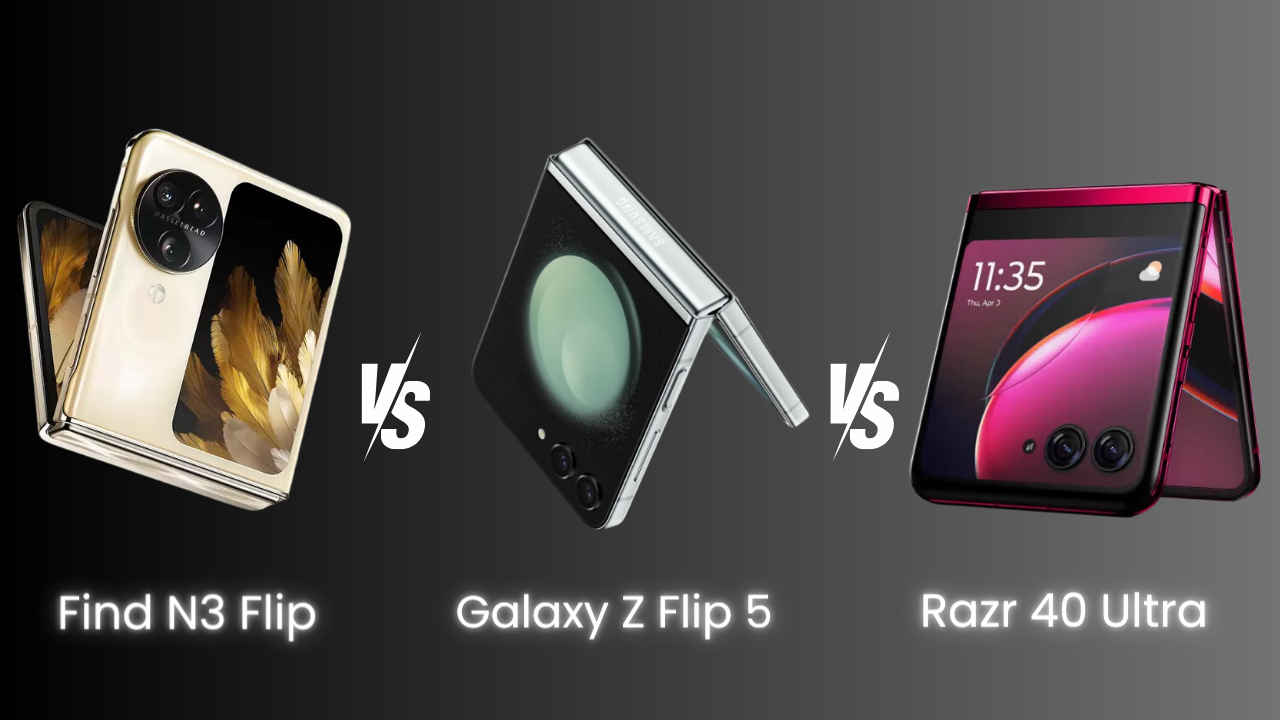
Motorola Razr+ Vs Find N3 Flip: Real-world Scenarios
Let’s look at three real-life scenarios where these phones shine:
Scenario 1: Busy Professional
You work long hours, need to answer emails quickly, and often join video calls. The Razr+ lets you check emails or messages on the external screen without opening the phone. The Find N3 Flip’s hands-free hinge and telephoto camera are useful for document scanning and meetings.
Scenario 2: Social Media Creator
You take selfies, record videos, and post often. The Find N3 Flip’s triple camera setup gives you more options—wide, zoom, and regular shots. The Razr+’s large external screen is great for framing selfies and quick edits.
Scenario 3: Traveler
You need long battery life, a good camera, and fast charging. The Find N3 Flip offers a bigger battery and faster charging. The Razr+ is lighter and fits in small pockets, but you may need to charge it more often.
Non-obvious Insights Most Buyers Miss
- External Screen Usage: The Razr+’s external display is almost a mini phone. You can run Google Maps, reply to WhatsApp, and even play games. This is not possible on most foldables—even the Find N3 Flip.
- Telephoto Camera Utility: The Find N3 Flip’s telephoto lens is not just for zoom photos. It’s useful for scanning documents, taking clear pictures of presentations, and capturing details from far away—tasks regular cameras struggle with.
Common Buyer Mistakes
- Ignoring Software Updates: Many buyers focus only on hardware. But software updates are critical for security and new features. Oppo promises more updates than Motorola.
- Underestimating Battery Drain: Using the external screen often drains the battery faster than expected. Plan your usage if you rely on the external display.
- Not Checking Regional Support: Some phones are not well supported outside their main markets. Always check if service centers and spare parts are available in your area.
Experience-based Tips For Foldable Phone Owners
- Use a screen protector—foldable displays are softer than regular glass.
- Avoid leaving the phone in hot or humid places; the hinge and screen can get damaged.
- Explore settings for the external screen—customize widgets and shortcuts to save time.

The Future Of Flip Foldables
Foldable phones are getting better every year. The Razr+ and Find N3 Flip show how brands are adding new features, improving camera, and making the software smarter. Experts believe more apps will soon support external screens, and battery life will improve as tech advances.
If you want a phone that stands out and offers new ways to multitask, flip foldables are a smart choice. Just remember to check camera quality, battery life, software support, and regional service before you buy.
For extra details on foldable phone technology, see this Wikipedia article.
Frequently Asked Questions
What Is The Main Difference Between Motorola Razr+ And Oppo Find N3 Flip?
The Razr+ has a bigger, more flexible external screen, while the Find N3 Flip offers a triple camera setup with a telephoto lens and longer battery life. Each excels in different areas.
Which Phone Is Better For Photography?
The Find N3 Flip is better for photography. Its triple camera includes a telephoto lens for zoom shots, and the main camera has higher resolution. The Razr+ is good for selfies but lacks zoom.
How Durable Are Foldable Phones?
Foldable phones are built to last, but their screens are softer than regular glass. Using a case and screen protector helps. Hinges are tested for thousands of folds, but avoid rough handling.
Are Software Updates Important For Foldable Phones?
Yes, updates are very important. They fix bugs, improve security, and add new features. Oppo promises more updates than Motorola, making the Find N3 Flip safer in the long run.
Can I Use The External Screen For All Apps?
On the Razr+, you can use many apps on the external screen, including maps and games. On the Find N3 Flip, only selected apps and widgets work on the external screen.
Choosing between the Motorola Razr+ and the Oppo Find N3 Flip is not just about specs—it’s about how you use your phone every day. Both are excellent, but each fits different needs. Take your time, compare features, and pick the one that matches your lifestyle. Foldable phones are here to stay, and these two are leading the way.