

The smartphone market is full of choices, but two models stand out for people who want something unique and powerful: the Motorola Razr+ and the Google Pixel 8 Pro. Both phones aim to give users an exciting experience, but they take very different approaches. The Razr+ offers a foldable design that brings nostalgia with modern features, while the Pixel 8 Pro is Google’s flagship with top-notch software and hardware. If you’re considering one of these phones, understanding their strengths and weaknesses is key. In this article, we’ll compare the Razr+ and Pixel 8 Pro across eight important areas: design, display, performance, camera, battery, software, connectivity, and price/value. Whether you want a stylish foldable or a feature-packed classic phone, you’ll find everything you need to make an informed decision.
Design & Build Quality
When you first pick up a phone, the design is what grabs your attention. The Motorola Razr+ and Google Pixel 8 Pro couldn’t be more different. The Razr+ folds in half, making it compact and easy to carry. When closed, it fits in almost any pocket. The hinge feels solid and the device opens smoothly. Motorola uses aluminum and glass, giving the Razr+ a premium feel. The outer screen lets you check notifications without unfolding the phone.

36% off Today’s Exclusive Deals
Limited-time Exclusive Deals. Check current discount on Amazon.
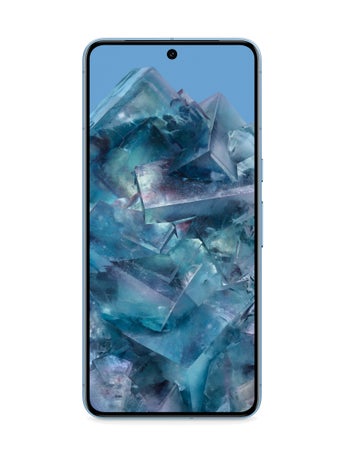
Check Price on Amazon As an Amazon Associate I earn from qualifying purchases.The Pixel 8 Pro, on the other hand, follows a traditional slab design. It is sturdy, with Gorilla Glass Victus covering the front and back. The aluminum frame adds to the sense of quality. The Pixel’s camera bar stretches across the back, making it instantly recognizable.
It’s a larger phone, but it feels balanced in the hand.
One thing many people miss: foldable phones like the Razr+ are more vulnerable to dust and moisture. While the Pixel 8 Pro is IP68 rated (meaning dust and water resistant), the Razr+ is only IP52 rated, which protects against some dust and light water spray but not immersion.
For style, the Razr+ stands out with bold colors and a retro vibe. The Pixel 8 Pro is more understated, with elegant colors like Obsidian, Porcelain, and Bay.
Another detail that’s easy to overlook is how the Razr+’s folding mechanism affects daily use. For example, it’s easier to slip the Razr+ into tight jeans or a small purse, making it popular among those who value portability. But opening the phone takes an extra step compared to the Pixel 8 Pro, which is always ready to use.
Some people enjoy the act of flipping the Razr+ open, while others find it slows them down.
Also, the Razr+’s outer screen is not just for notifications. You can use it for quick replies, navigation, or even taking photos. This makes the phone more flexible in situations where you want to use it one-handed or don’t want to fully open it.
The Pixel 8 Pro doesn’t have this extra screen, but its larger surface gives a more immersive experience for watching videos or browsing.
Display Quality
The display is a crucial part of any smartphone experience. The Razr+ uses a unique dual-screen setup: a 3.6-inch OLED external screen and a 6.9-inch foldable OLED main screen. Both screens are bright and colorful, but the main screen has a crease where the phone folds. Some users find this distracting, but others quickly get used to it.
The Pixel 8 Pro offers a 6.7-inch LTPO OLED display. It supports a variable refresh rate from 1 Hz to 120 Hz, helping save battery while keeping animations smooth. The screen is flat and clear, with no crease. It reaches peak brightness of up to 2,400 nits, making it easy to use outdoors.
A direct comparison:
| Feature | Motorola Razr+ | Google Pixel 8 Pro |
|---|---|---|
| Main Screen Size | 6.9-inch OLED | 6.7-inch LTPO OLED |
| External Screen | 3.6-inch OLED | None |
| Refresh Rate | 165 Hz (main) | 120 Hz |
| Peak Brightness | 1,400 nits | 2,400 nits |
| Crease | Visible | None |
The Razr+’s external screen is great for quick tasks, like checking messages or controlling music. However, its main screen’s crease and lower brightness can be less ideal for watching videos or gaming. The Pixel 8 Pro’s display is larger for content, brighter, and more suited for professional tasks.
If you often use your phone in bright sunlight, the Pixel 8 Pro’s higher brightness is a big advantage. You can read text, view photos, or watch videos without struggling to see the screen. The Razr+ is bright enough for most situations, but the difference is clear outdoors.
The Razr+’s main screen refreshes at 165 Hz, which is higher than the Pixel’s 120 Hz. This means scrolling and animations can feel even smoother on the Razr+, especially for gaming. But remember, the crease in the foldable screen may affect your experience if you watch a lot of videos or play games with fast-moving graphics.
For multitasking, the Razr+’s external screen allows you to run certain apps without opening the phone. For example, you can check weather, reply to texts, or control music quickly. On the Pixel 8 Pro, you have to unlock the main screen for everything, but you get a larger, uninterrupted area for work or entertainment.
Performance & Hardware
Performance is important, especially for people who use their phones for work, gaming, or multitasking. The Razr+ uses the Snapdragon 8+ Gen 1 processor. It’s fast, but not the latest chip. You get 8 GB of RAM, which is enough for most tasks. Storage options include 256 GB, but there’s no microSD slot for extra storage.
The Pixel 8 Pro has Google’s custom Tensor G3 processor. It’s designed for AI and machine learning, making features like voice recognition and photo editing smoother. You get up to 12 GB of RAM and storage options up to 1 TB. This is great for people who need lots of space for photos, videos, or apps.
For day-to-day use, both phones are fast. The Razr+ handles games and apps well, but the Pixel 8 Pro is better for tasks involving AI, like smart photo edits or voice commands. One thing many users overlook: the Pixel 8 Pro’s chip is not the fastest for gaming, but it excels in smart features.
A quick hardware comparison:
| Component | Motorola Razr+ | Google Pixel 8 Pro |
|---|---|---|
| Processor | Snapdragon 8+ Gen 1 | Google Tensor G3 |
| RAM | 8 GB | 12 GB |
| Storage | 256 GB | 128/256/512 GB, 1 TB |
| Expandable Storage | No | No |
If you need more RAM or storage, the Pixel 8 Pro is a better choice. If you want a fast phone that feels unique, the Razr+ is good, but keep in mind the processor is one generation behind the latest.
Another detail people often miss: the Tensor G3 chip is built for Google’s AI features, not just raw speed. Tasks like live translation, voice recognition, and smart photo editing run faster and more smoothly on the Pixel 8 Pro. If you use features like Assistant voice typing or Magic Eraser, you’ll notice they work almost instantly.
On the other hand, the Razr+’s Snapdragon chip is known for stability and reliable performance in games and demanding apps. While it’s not the newest, it handles daily tasks with ease and rarely gets hot. The Pixel 8 Pro’s chip can sometimes run warmer, especially when using AI features for long periods.
Camera Capabilities
Smartphone cameras have become the main way people take photos and videos. The Razr+ and Pixel 8 Pro both have strong cameras, but they focus on different things.
The Razr+ has a 12 MP main camera and a 13 MP ultrawide camera. The main camera is sharp and fast, especially in daylight. The ultrawide camera is good for group shots or landscapes. The Razr+ lets you use the external screen as a viewfinder, so you can take selfies with the main camera.
The Pixel 8 Pro has a triple camera setup: a 50 MP main camera, a 48 MP ultrawide, and a 48 MP telephoto with 5x optical zoom. The main camera is excellent in all lighting conditions. Google’s software processes images to make colors natural and details sharp. The telephoto lens is great for zooming without losing quality.
Low-light photography is where the Pixel 8 Pro shines. It uses AI to brighten images, reduce noise, and keep faces clear. The Razr+ is decent in low light but can’t match the Pixel’s detail.
Here’s a summary:
- Motorola Razr+: 12 MP main, 13 MP ultrawide, 32 MP selfie camera (internal)
- Google Pixel 8 Pro: 50 MP main, 48 MP ultrawide, 48 MP telephoto, 10.5 MP selfie camera
One insight many beginners miss: the Pixel 8 Pro’s telephoto lens is not just for zooming; it helps with portrait shots by creating depth and blur.
For video, the Razr+ records up to 4K at 30 fps, while the Pixel 8 Pro records 4K at 60 fps. The Pixel also has advanced video stabilization, making your recordings smoother.
Another useful example is how the Razr+’s external screen lets you take high-quality selfies with the main camera. This is better than using a typical selfie camera, so your self-portraits are sharper and clearer. The Pixel 8 Pro’s selfie camera is solid, but it can’t match the sharpness of the Razr+’s main sensor.
For creative photography, the Pixel 8 Pro offers unique tools like Magic Eraser, which removes unwanted objects from photos, and Photo Unblur, which sharpens blurry images. If you often edit photos, these features save time and help your pictures look professional.
The Razr+’s camera app is simpler and easy to use, but lacks these advanced editing tools.

Battery Life & Charging
Battery life is a concern for most users, especially those who travel or use their phones heavily. The Razr+ packs a 3,800 mAh battery. With normal use, it lasts a full day, but foldables often use more power due to their screens.
Charging is fast, with 30W wired and 5W wireless charging.
The Pixel 8 Pro has a larger 5,050 mAh battery. It easily lasts a day and often longer. It supports 30W wired charging and 23W wireless charging. The Pixel’s software optimizes battery life, learning how you use the phone to save energy.
A comparison:
| Feature | Motorola Razr+ | Google Pixel 8 Pro |
|---|---|---|
| Battery Size | 3,800 mAh | 5,050 mAh |
| Wired Charging | 30W | 30W |
| Wireless Charging | 5W | 23W |
| Battery Life | 1 day (average) | 1+ days (average) |
A common mistake is expecting foldable phones to have similar battery life as regular phones. The Razr+ uses more power for its two screens, so heavy users may need to charge sooner. The Pixel 8 Pro lasts longer, especially with its smart power management.
Another thing to consider is charging speed. Both phones charge quickly with a wired connection, but the Pixel 8 Pro’s wireless charging is much faster. If you often use wireless pads, the Pixel 8 Pro will top up your battery faster, which is useful for busy days.
Some people overlook the Razr+’s battery drain when using the external screen often. Switching between screens and using foldable features can drain the battery more quickly than on a regular phone. If you plan to use the Razr+’s unique features all day, keep a charger handy or use battery-saving modes.
Software & User Experience
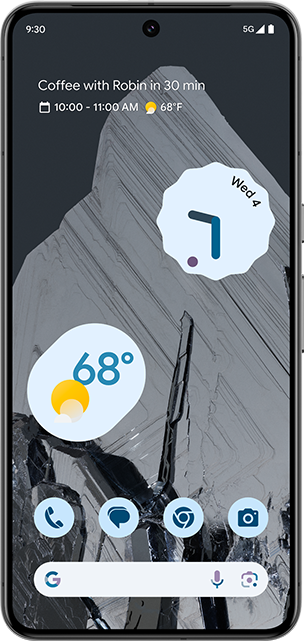
Software is where the Google Pixel 8 Pro really shines. It runs the latest Android 14 with Google’s clean interface. Updates arrive quickly, and Google promises seven years of OS and security updates. The Pixel 8 Pro includes exclusive features like Magic Eraser (for editing photos), call screening, and AI-powered voice typing.
The Razr+ runs Android 13 with Motorola’s lightweight skin. It is close to stock Android, but updates are slower. Motorola promises at least three years of security updates. The Razr+ has some unique features, like gestures for opening the camera or turning on the flashlight.
The Pixel 8 Pro’s AI features are often overlooked. For example, it can summarize web pages, translate speech in real-time, and suggest replies to messages. These tools are helpful, especially for non-native English speakers.
Another insight: the Razr+’s external screen allows quick actions without opening the phone, saving time for simple tasks.
An example of Pixel’s smart features: If you’re reading a long article, Pixel’s AI can quickly summarize it for you. If you get a call from an unknown number, the Pixel’s call screening feature can answer for you and show a transcript, helping you avoid spam. The Razr+ doesn’t offer these tools, but its external screen makes it easier to check notifications or control music without opening the phone.
The Razr+’s gesture controls are simple but useful. For instance, twisting the phone opens the camera, and shaking it turns on the flashlight. These shortcuts save time and are handy in emergencies or when you need quick access.
Connectivity & Extras
Both phones support 5G, Wi-Fi 6E, and Bluetooth 5.3. You get fast connections and smooth streaming. The Pixel 8 Pro also includes Ultra Wideband (UWB), which helps with precise location for things like smart locks or device tracking. The Razr+ lacks UWB.
For security, both phones offer face unlock and fingerprint sensors. The Razr+ has the fingerprint sensor on the side, while the Pixel 8 Pro uses an under-display sensor.
The Pixel 8 Pro comes with eSIM and dual SIM support, making it ideal for travelers. The Razr+ supports only a single SIM and eSIM, which can be limiting.
Audio is another area to consider. The Pixel 8 Pro has stereo speakers and high-quality microphones for calls and video. The Razr+ has decent speakers, but not as rich as the Pixel.
A quick look at extras:
- Pixel 8 Pro: UWB, dual SIM, stereo speakers, longer software support
- Razr+: Foldable design, external screen, gestures
One detail many beginners miss: UWB is useful for future smart devices, not just today.
Another example is the Pixel 8 Pro’s ability to connect with Google’s ecosystem. If you use smart home devices, Chromecast, or Google Assistant, the Pixel 8 Pro is easier to integrate. The Razr+ works well with most Android devices, but doesn’t offer the same deep connection to Google’s smart tools.
Price & Value
Both phones are expensive, but offer different kinds of value. The Razr+ retails around $999, while the Pixel 8 Pro starts at $999 for the base model and goes up with more storage.
The Razr+ is priced for its foldable design and unique features. You pay for style and innovation. The Pixel 8 Pro is priced for its camera, software, and long-term support.
A common mistake is comparing only specs. Value depends on what you need: if you want a phone that stands out and folds, the Razr+ is worth it. If you want reliable updates, a great camera, and future-proof features, the Pixel 8 Pro gives more for the money.
Another insight: the Pixel 8 Pro’s long software support means it stays secure and up-to-date longer, saving money over time.
If you plan to keep your phone for three years or more, the Pixel 8 Pro is a smart investment. You’ll get updates, new features, and security patches long after most phones stop receiving support. The Razr+ offers excitement and style, but Motorola’s update policy is shorter.
Which Should You Choose?
Choosing between the Razr+ and Pixel 8 Pro depends on your priorities. The Razr+ is for people who love style, portability, and innovation. The foldable design is fun and practical for quick actions. The Pixel 8 Pro is for users who want the best camera, long software support, and advanced AI features.
Here’s a summary of who should pick each phone:
- Motorola Razr+: If you want a foldable phone, value compactness, and like unique designs.
- Google Pixel 8 Pro: If you need the best camera, want long software support, and use smart features.
Both phones are excellent, but there’s no one-size-fits-all answer. Think about how you use your phone every day and which features matter most.
If you enjoy showing off new technology and want something that feels different, the Razr+ will make you stand out. If your main focus is productivity, photography, and reliable updates, the Pixel 8 Pro is the safer choice.
Frequently Asked Questions
Is The Razr+’s Foldable Screen Durable?
The Razr+ uses strong materials and a tested hinge. However, foldable screens are more sensitive to dust and sharp objects. It is not as durable as a regular phone, so you should avoid pressing hard or using it in dirty environments.
Does The Pixel 8 Pro Get Software Updates Faster Than The Razr+?
Yes, the Pixel 8 Pro gets updates directly from Google and often receives new Android versions and security patches before other brands. Motorola’s Razr+ updates are slower and cover fewer years.
Which Phone Is Better For Photography?
The Pixel 8 Pro is better for photography. It has a higher resolution main camera, telephoto lens, and advanced software for editing and low-light shots. The Razr+ is good for selfies and quick shots with its external screen, but its camera hardware is less advanced.
Can I Use Both Phones With 5g Networks Worldwide?
Both phones support 5G, but the Pixel 8 Pro’s dual SIM and eSIM options make it more flexible for international travel. The Razr+ supports fewer bands and is less adaptable for global use.
What Is The Biggest Difference Between The Two Phones?
The Razr+ stands out for its foldable design and external screen, making it unique and stylish. The Pixel 8 Pro focuses on camera quality, software, and smart features, offering a more traditional but powerful experience.
Smartphone choices have never been more exciting. The Motorola Razr+ and Google Pixel 8 Pro each offer a fresh take on what a phone can be. The Razr+ gives you style, portability, and nostalgia, while the Pixel 8 Pro delivers performance, photography, and reliable software. Before you decide, think about what you want most in a phone. Both are excellent, but the best choice is the one that fits your needs and lifestyle. For more technical details, you can check the official specs on the Motorola Razr+ site.

