

Foldable phones now stand at the front of smartphone innovation, blending the excitement of fresh design with the expectation of premium features. Two brands lead this trend: Oppo and Samsung. The Oppo Find N3 Flip and the Samsung Z Flip 6 are their latest flip-style foldables, drawing attention from tech fans and everyday users alike. If you want a cutting-edge, pocketable phone, you’ve likely compared these two. But which one is actually better? Let’s break down their differences, strengths, and hidden details to help you make the right choice.
What Makes A Great Flip Phone In 2024?
Before diving into the two models, it’s important to know what really matters in a modern foldable. People want more than just a cool design—they expect a combination of durability, camera quality, battery life, software support, and day-to-day usability. Small details, like the cover screen’s usefulness or how well the hinge works, can make a big difference.

36% off Today’s Exclusive Deals
Limited-time Exclusive Deals. Check current discount on Amazon.
Check Price on Amazon As an Amazon Associate I earn from qualifying purchases.For buyers, the main points of comparison are:
- Build quality and durability
- Display technology
- Camera performance
- Performance and hardware
- Battery life and charging
- Software features
- Price and overall value
Both Oppo and Samsung aim to deliver a premium flip phone, but their approach and priorities are different. Let’s look at each phone in detail.
Oppo Find N3 Flip: A Closer Look
Oppo’s Find N series has always focused on making foldables more practical and refined. The Find N3 Flip is no exception, taking the lessons from the N2 Flip and adding several key upgrades.
Build And Design
The Find N3 Flip feels solid and luxurious. Its hinge is smooth, with almost no visible crease when unfolded. Oppo uses a stainless steel frame and Gorilla Glass Victus, giving both durability and a high-end touch. The phone is slightly thicker than its Samsung rival but feels reassuring in the hand.
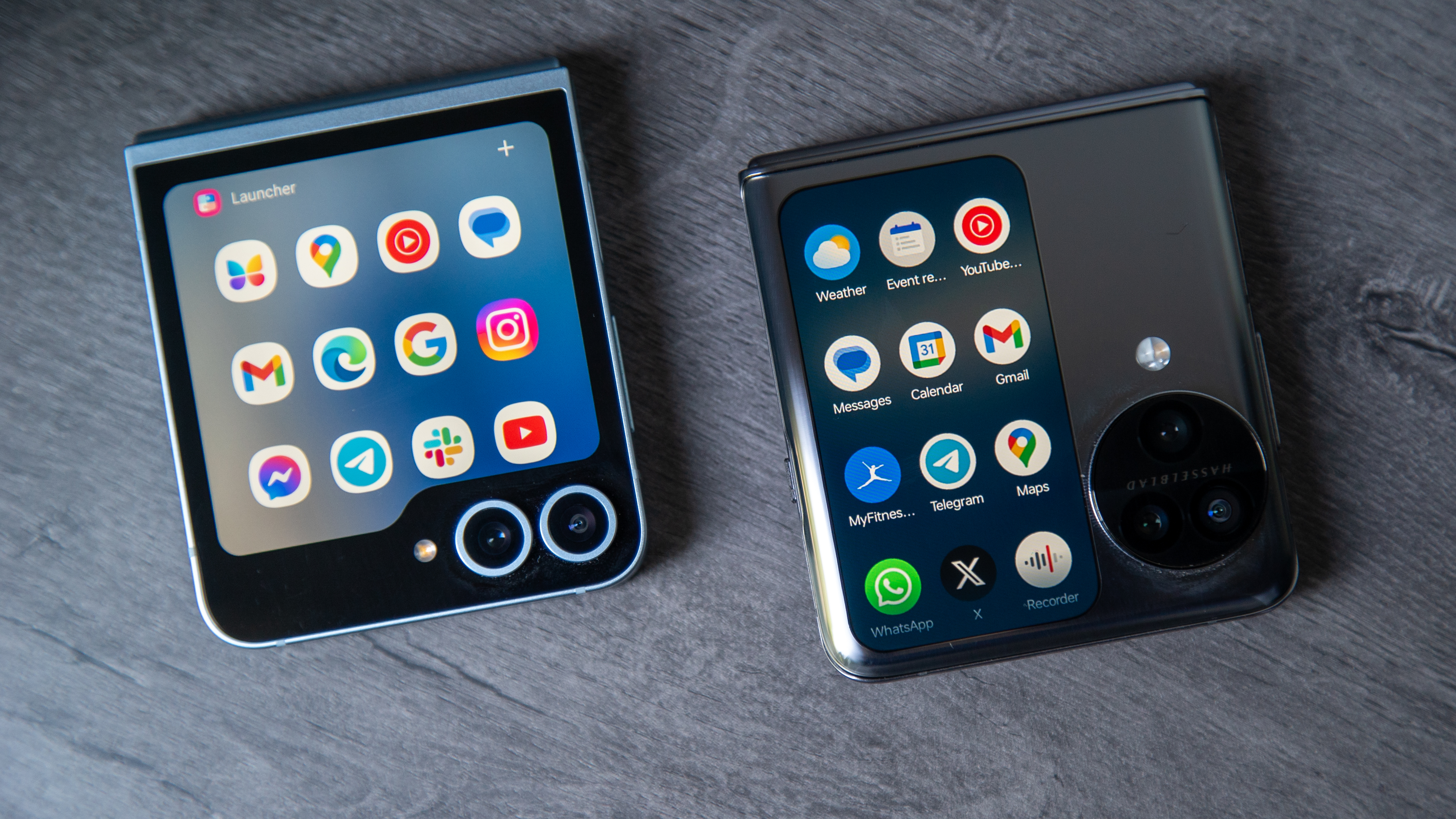
One unique feature is its vertical cover screen (3.26 inches), which runs along the side of the device. This design is different from the smaller, horizontal screens found on most flip phones. The vertical orientation means you can see more content at once, and it’s easier to use as a quick viewfinder or notification panel.
Display Quality
Inside, you get a 6.8-inch AMOLED main display with a 120Hz refresh rate and up to 1600 nits of peak brightness. The colors are rich, and the screen remains visible even under sunlight. The crease is less noticeable than on many competitors, thanks to Oppo’s improved hinge technology.
Camera Innovation
Oppo sets itself apart with its camera system. The Find N3 Flip offers a triple rear camera setup, which is rare for flip phones. It includes:
- 50MP main sensor (Sony IMX890, f/1.8, OIS)
- 32MP telephoto (2x optical zoom)
- 48MP ultra-wide
Selfies also look sharp, thanks to the 32MP front camera and the ability to use the main sensors with the cover screen as a viewfinder. Hasselblad color tuning brings professional-level image quality, especially for portraits and low-light shots.
Performance And Hardware
Under the hood, the Find N3 Flip is powered by the MediaTek Dimensity 9200 chipset. While some may expect a Snapdragon, the Dimensity 9200 performs at flagship level, handling apps, multitasking, and even gaming with ease. You get 12GB RAM and either 256GB or 512GB storage.
Battery And Charging
Oppo packs a 4,300mAh battery, which is larger than most flip phones. It easily lasts a full day, even with heavy use. Fast charging is a highlight—44W SuperVOOC wired charging gets you from 0 to 50% in about 23 minutes. However, there’s no wireless charging—a small but notable omission.
Software And Features
Find N3 Flip runs on ColorOS 13.2 (based on Android 13), with special features for the cover screen and multitasking. You can reply to messages, control music, and check maps—all without opening the phone. Oppo promises at least three years of major updates and four years of security patches.
Practical Insights
- The vertical cover screen is more useful for reading notifications, previewing selfies, and even scrolling through emails.
- Oppo’s triple camera setup means you don’t have to sacrifice photography for style—a common complaint with other flip phones.
Samsung Z Flip 6: A Closer Look
Samsung is the pioneer of foldable phones and the Z Flip 6 is the latest step in its journey. It improves on earlier Z Flip models in subtle but significant ways.
Build And Design
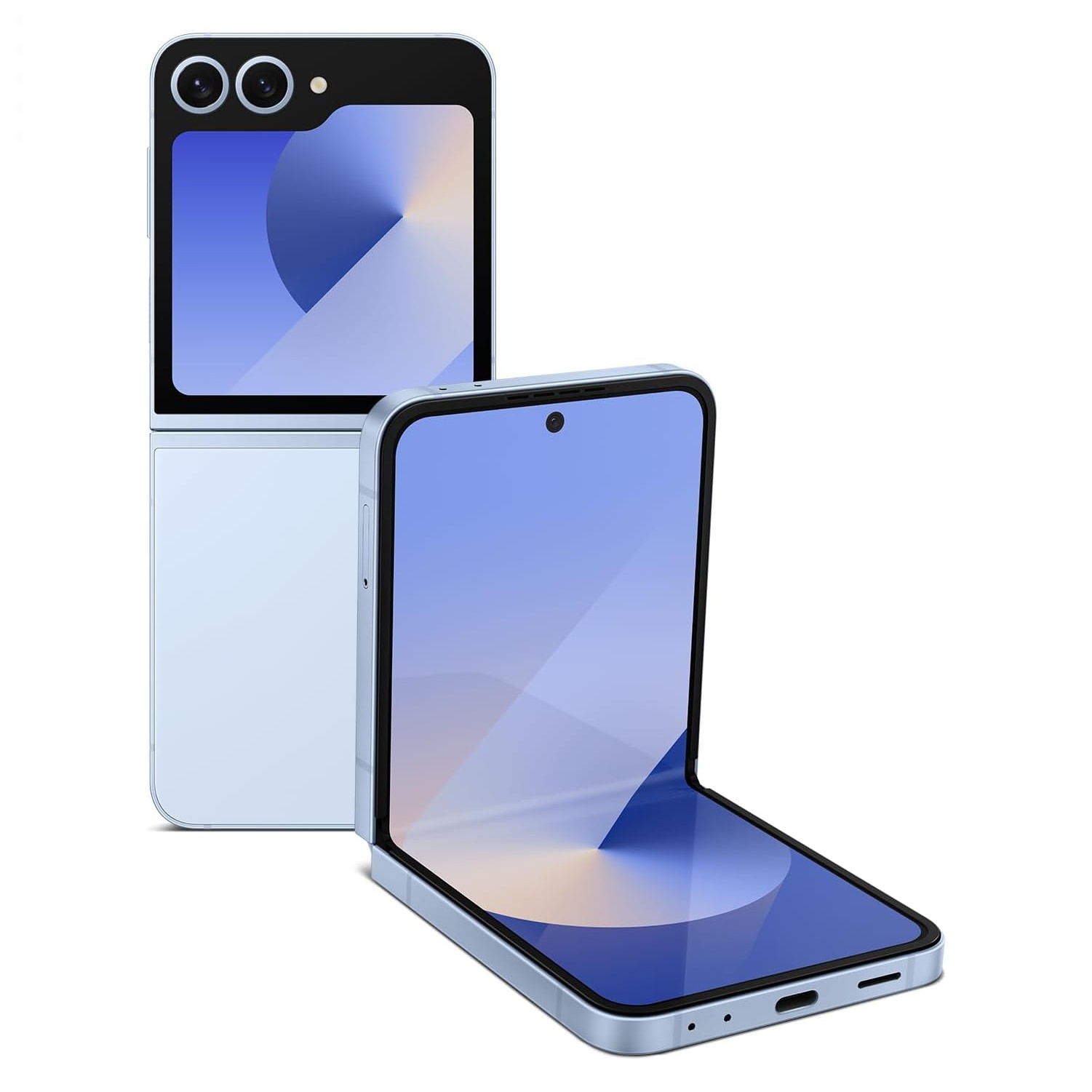
The Z Flip 6 continues Samsung’s tradition of slim, pocket-friendly foldables. It uses an Armor Aluminum frame and Gorilla Glass Victus 2 for strength. The hinge is more robust than before, and the device is IPX8 water-resistant, meaning it can handle being submerged in water for short periods—something the Oppo can’t claim.
Samsung’s Flex Window (the cover screen) is 3.4 inches and sits horizontally when the phone is closed. It’s slightly larger than previous models and supports customizable widgets, quick replies, and more.
Display Quality
The main display is a 6.7-inch Dynamic AMOLED 2X with a 120Hz refresh rate and HDR10+ support. Samsung’s screens are known for their deep blacks, vivid colors, and sharpness. The crease is still visible but less distracting than earlier generations.
Camera Capabilities
The Z Flip 6 has a dual rear camera system:
- 12MP main sensor (f/1.8, OIS)
- 12MP ultra-wide (f/2.2)
For selfies, there’s a 10MP front camera. While these numbers are modest compared to the Oppo, Samsung relies on AI image processing and night mode for better results. The cover screen can also be used as a selfie preview, making group shots easier.
Performance And Hardware
Samsung equips the Z Flip 6 with the latest Qualcomm Snapdragon 8 Gen 3 chip, one of the fastest processors available. It comes with 8GB RAM and either 256GB or 512GB storage. Performance is smooth, and the device handles gaming and multitasking effortlessly.
Battery And Charging
The Z Flip 6 uses a 3,700mAh battery—smaller than the Oppo’s. Samsung claims all-day battery life with moderate use, but heavy users might need a top-up in the evening. Charging options include 25W wired and 10W wireless charging, plus reverse wireless charging for small accessories.
Software And Features
Running on One UI 6.1 (based on Android 14), the Z Flip 6 offers extensive customization, cover screen apps, and Samsung’s unique Flex Mode, which splits the screen for multitasking when partially folded. Samsung leads in software support, promising four years of major updates and five years of security patches—the best in the industry.
Practical Insights
- The IPX8 water resistance is rare in foldables, giving peace of mind for accidental spills.
- Samsung’s Flex Mode is useful for hands-free video calls or taking photos at creative angles.
Direct Comparison: Oppo Find N3 Flip Vs Samsung Z Flip 6
Choosing between these two comes down to priorities. Here’s a side-by-side look at their core features:
| Feature | Oppo Find N3 Flip | Samsung Z Flip 6 |
|---|---|---|
| Cover Screen | 3.26” vertical AMOLED | 3.4” horizontal AMOLED |
| Main Display | 6.8” AMOLED, 120Hz | 6.7” Dynamic AMOLED 2X, 120Hz |
| Rear Cameras | Triple: 50MP + 32MP + 48MP | Dual: 12MP + 12MP |
| Processor | MediaTek Dimensity 9200 | Qualcomm Snapdragon 8 Gen 3 |
| RAM/Storage | 12GB/256GB or 512GB | 8GB/256GB or 512GB |
| Battery | 4,300mAh, 44W wired | 3,700mAh, 25W wired, 10W wireless |
| Water Resistance | No | IPX8 |
| Software Updates | 3 years OS, 4 years security | 4 years OS, 5 years security |
Key Strengths And Weaknesses
To decide which flip phone suits you, consider where each one shines and where it falls short.
Oppo Find N3 Flip: Pros And Cons
Advantages:
- Triple camera system with telephoto lens—unique for a flip phone.
- Larger battery (4,300mAh) and faster charging.
- Vertical cover screen is easier for reading and selfies.
- More RAM (12GB) for multitasking.
Drawbacks:
- No wireless charging or water resistance.
- MediaTek chip is powerful, but some users prefer Snapdragon for better app compatibility.
- Software support is good, but slightly behind Samsung.
Samsung Z Flip 6: Pros And Cons
Advantages:
- Water resistance (IPX8) adds real-world durability.
- Wireless and reverse wireless charging.
- Industry-best software support (4 years OS, 5 years security).
- Snapdragon 8 Gen 3 is the top Android chip.
Drawbacks:
- Smaller battery (3,700mAh) and slower wired charging.
- Only dual cameras; lacks telephoto and high-resolution sensors.
- Cover screen is horizontal and less useful for reading long notifications.
Camera Showdown: Real-world Differences
Cameras are a big reason to choose one phone over the other. Oppo’s triple camera setup is unmatched in this category. The telephoto lens means you can zoom without losing quality—great for portraits and distant objects. The 50MP main sensor captures more detail, and the Hasselblad tuning gives photos a natural, balanced look.
Samsung’s camera system is simpler, but benefits from strong AI processing. Night shots are brighter, and the software compensates for the smaller sensors. However, you miss out on true optical zoom and ultra-high resolution.
Here’s a quick comparison of camera specs and performance:
| Camera Feature | Oppo Find N3 Flip | Samsung Z Flip 6 |
|---|---|---|
| Main Sensor | 50MP, Sony IMX890, OIS | 12MP, OIS |
| Telephoto | 32MP, 2x optical | None |
| Ultra-wide | 48MP | 12MP |
| Selfie Camera | 32MP | 10MP |
| AI Processing | Hasselblad Color, Night Mode | Scene Optimizer, Nightography |
Non-obvious insight: Oppo’s vertical cover screen lets you use the main camera for selfies without awkwardly tilting your phone, making group selfies much easier.
Performance, Battery, And Charging: Day-to-day Experience
Speed And Multitasking
Both phones are fast, but the Z Flip 6’s Snapdragon 8 Gen 3 is slightly ahead in benchmarks, especially for gaming and demanding apps. However, the difference in real-life use is small—unless you push your phone to the limit.
Oppo’s extra RAM (12GB) means smoother multitasking, especially if you like to switch between many apps. Samsung’s 8GB is enough for most users, but power users may notice apps refreshing more often in the background.
Battery Life
Oppo wins here, with a 4,300mAh battery versus Samsung’s 3,700mAh. This translates to about 1–2 extra hours of screen time per day. For heavy users, Oppo’s endurance is a real advantage.
Samsung’s battery is smaller, but the phone is also slightly lighter. If you use wireless charging pads, Samsung is the only option.
Charging
Oppo’s 44W SuperVOOC charging is much faster—about 50% charge in under 25 minutes. Samsung’s 25W charging is slower, needing almost an hour for a full charge. But Samsung offers wireless and reverse wireless charging, handy for topping up earbuds or a friend’s phone.
Hidden tip: Many buyers don’t realize Oppo’s fast charging only works with the included charger. Using other chargers may be much slower.
Software, Updates, And Ecosystem
User Interface
Oppo’s ColorOS is visually clean and offers lots of customization. The cover screen has dedicated apps for messaging, navigation, and social media, making it more than a simple notification window.
Samsung’s One UI is polished and widely praised for usability. Flex Mode lets you run two apps side by side or control playback with the phone half-open. Samsung’s cover screen has improved, but still doesn’t match Oppo’s vertical design for reading or app support.
Update Policy
Samsung leads the industry, promising four years of Android updates and five years of security patches. This means your phone stays secure and gets new features for longer.
Oppo offers three years of Android updates and four years of security patches—good, but not the best.
Ecosystem And Extras
Samsung devices integrate seamlessly with other Samsung products—watches, earbuds, laptops, and TVs. Features like Samsung DeX (desktop mode) and SmartThings (home automation) give added value if you already own Samsung gear.
Oppo’s ecosystem is growing, with AirVOOC earbuds and smartwatches, but it isn’t as complete or global as Samsung’s.
Non-obvious insight: If you travel internationally, Samsung’s wider support network and ecosystem make it easier to get repairs or accessories in most countries.
Price And Value
Pricing can vary by region and storage option, but here’s a general comparison:
- Oppo Find N3 Flip: Starts around $1,099 (12GB/256GB)
- Samsung Z Flip 6: Starts around $1,099 (8GB/256GB)
Both phones target the premium market, but sales and trade-in offers can affect the final price. Oppo gives more RAM for the same price, but Samsung’s longer software support can make it a better long-term investment.
Which Flip Phone Should You Buy?
If you care most about camera quality, battery life, and a useful cover screen, the Oppo Find N3 Flip is hard to beat. Its triple camera setup is unique, and the vertical cover display makes daily tasks easier.
If you value water resistance, wireless charging, and the longest software support in the industry, the Samsung Z Flip 6 is the safer choice. Samsung’s ecosystem and international support also give it an edge for frequent travelers.
Choose Oppo Find N3 Flip if:
- You want the best cameras in a flip phone.
- You need longer battery life and fast charging.
- A larger, more practical cover screen matters to you.
Choose Samsung Z Flip 6 if:
- You need water resistance and wireless charging.
- You want the latest Snapdragon chip and long updates.
- You already use Samsung or Galaxy ecosystem products.
For more detailed technical specs, Samsung’s official site is a reliable resource: Samsung Galaxy Z Flip 6 Specifications.

Frequently Asked Questions
Is The Oppo Find N3 Flip More Durable Than The Samsung Z Flip 6?
The Samsung Z Flip 6 has an advantage with IPX8 water resistance and a slightly more robust hinge. The Oppo Find N3 Flip is built well, but lacks official water resistance. Both use Gorilla Glass for protection, but if you’re worried about spills or rain, Samsung is the safer bet.
Which Phone Has Better Cameras For Photography?
The Oppo Find N3 Flip wins for photography. Its triple camera system includes a telephoto lens and a high-resolution main sensor, giving more versatility and detail. Samsung’s Z Flip 6 takes good photos, but lacks optical zoom and ultra-high resolution.
Does Either Phone Support Wireless Charging?
The Samsung Z Flip 6 supports both wireless and reverse wireless charging. The Oppo Find N3 Flip only offers fast wired charging and does not support any form of wireless charging.
Which Phone Gets More Software Updates?
Samsung leads with four years of OS updates and five years of security patches. Oppo provides three years of OS updates and four years of security, which is still good, but not quite as long as Samsung.
Is The Cover Screen More Useful On The Oppo Or Samsung Flip Phone?
Most users find the Oppo Find N3 Flip’s vertical cover screen more practical for reading messages, checking emails, and using widgets. Samsung’s horizontal cover screen is wider, but displays less information per swipe.
Flip phones have finally grown into serious, practical smartphones. Whether you choose the Oppo Find N3 Flip or the Samsung Z Flip 6, you’ll get a premium device that turns heads and keeps up with modern needs. Just make sure to pick the one that matches your lifestyle and daily habits.

