

Sea-doo Ski Pylon Installation: A Complete Guide
Adding a ski pylon to your Sea-Doo can transform your experience on the water. Whether you’re towing wakeboarders, skiers, or tubers, a ski pylon helps keep the tow rope away from the jet, improves safety, and delivers better performance. But many first-time owners worry about the installation process, compatibility, and maintenance.
In this article, you’ll get a complete, practical guide—covering everything from choosing the right ski pylon to step-by-step installation, maintenance tips, and common mistakes.

36% off Today’s Exclusive Deals
Limited-time Exclusive Deals. Check current discount on Amazon.
Check Price on Amazon As an Amazon Associate I earn from qualifying purchases.What Is A Sea-doo Ski Pylon And Why Install One?
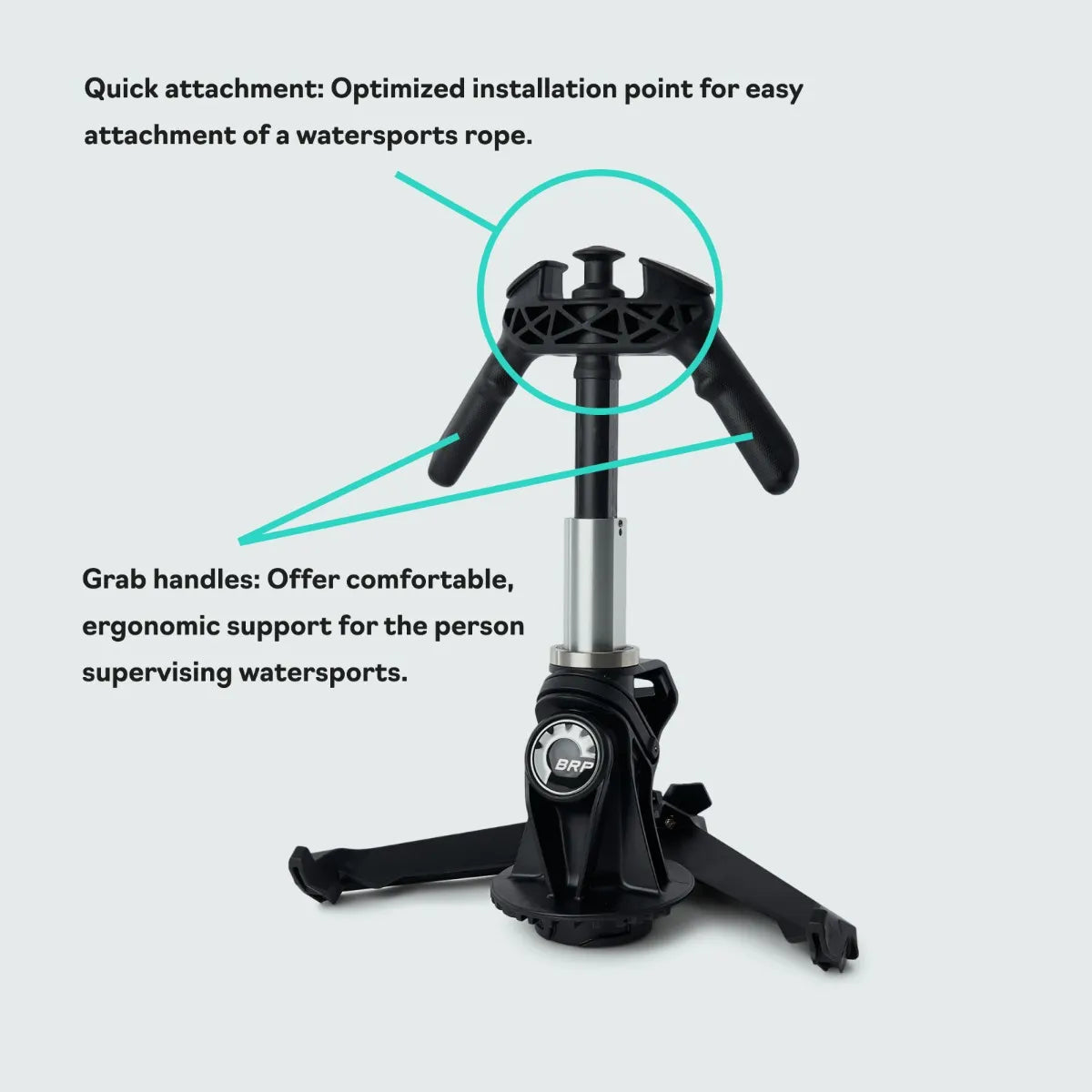
A ski pylon is a vertical pole installed on the rear deck of your Sea-Doo, usually behind the seat. Its main job is to lift the tow rope above the watercraft, reducing drag and preventing the rope from tangling with the jet nozzle. This makes towing safer and more enjoyable.
Sea-Doo models like the Wake Pro already come with a factory pylon, but most recreational models require aftermarket installation. Installing a ski pylon is popular among users who want:
- Safer tow rope positioning: Keeps rope clear of the jet intake and nozzle
- Better towing performance: Rope stays at a higher angle, ideal for wake sports
- Easy access: Quick to attach and remove
- Increased versatility: Use your Sea-Doo for skiing, tubing, and wakeboarding
If you’re serious about water sports, a ski pylon is a must-have upgrade.
Choosing The Right Ski Pylon For Your Sea-doo
Not every ski pylon fits every Sea-Doo. Picking the right model requires checking compatibility, build quality, and installation method.
Compatibility By Sea-doo Model
Sea-Doos come in different sizes and deck layouts. Some models have pre-drilled mounting points or reinforced decks, while others need additional hardware. Here’s a quick comparison of popular Sea-Doo models and their ski pylon options:
| Sea-Doo Model | Pylon Type | Factory-Ready? | Notes |
|---|---|---|---|
| Wake Pro | Retractable | Yes | Comes with factory pylon |
| GTI/GTR | Aftermarket | No | Needs reinforced deck |
| RXT | Aftermarket | No | Check for mounting space |
| SPARK | Universal | No | Lightweight, may need extra support |
Always check your Sea-Doo’s manual or contact the dealer before buying a ski pylon.
Materials And Build Quality
Most ski pylons are made from stainless steel or aluminum. Stainless steel is heavier but resists corrosion better, while aluminum is lighter and easier to handle. Key factors to consider:
- Corrosion resistance: Saltwater use demands high-quality metal
- Weight: Heavy pylons affect balance and storage
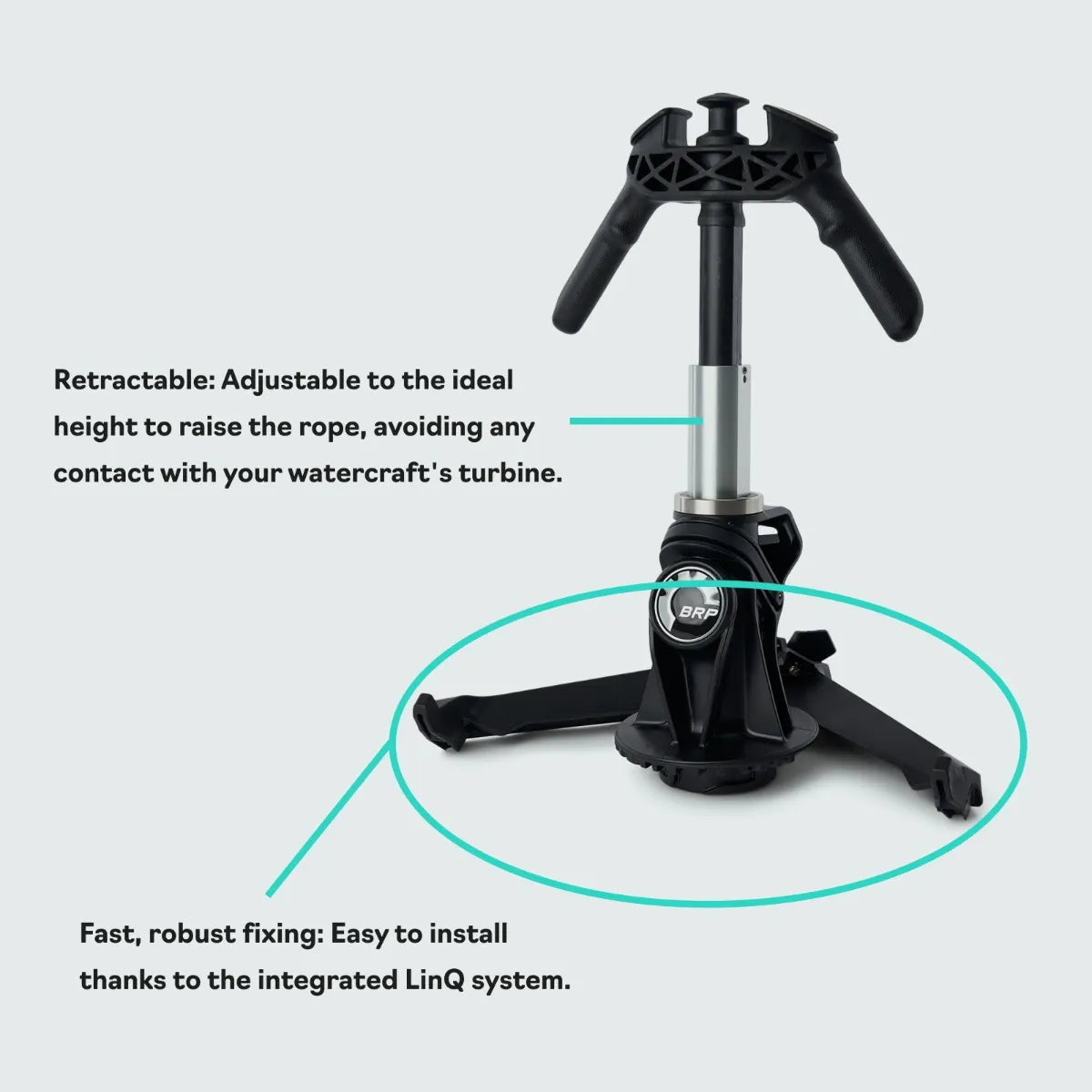
- Quick release: Some pylons fold or detach for easy storage
Make sure the pylon comes with all mounting hardware and clear instructions.
Popular Brands And Models
Brands like Sea-Doo, Attwood, and TurboSwing offer reliable ski pylons. TurboSwing is known for their universal tow bars, which mount around the jet nozzle. Sea-Doo’s own branded pylons fit specific models and offer retractable designs.
Price Range
Prices vary widely. Basic aftermarket pylons start at $200, while high-end retractable versions can cost $600 or more. Universal kits (like TurboSwing) often cost around $350–$450.
Preparing For Installation
A smooth installation starts with the right tools, location, and planning.
Tools And Materials Needed
Before you begin, gather these items:
- Drill and drill bits (marine-grade)
- Screwdrivers (Phillips and flathead)
- Socket wrench set
- Marine sealant (to prevent leaks)
- Measuring tape
- Marker or pencil
- Mounting hardware (usually included)
- Safety goggles and gloves
Safety Precautions
Always wear gloves and goggles. Make sure the Sea-Doo is on a stable surface, like a trailer or dock. Disconnect the battery to prevent electrical accidents. Never work near water with power tools.
Checking Your Deck
Inspect the rear deck for mounting points. Some Sea-Doos have reinforced areas marked in the manual. If not, find a flat spot behind the seat, avoiding fuel lines, electrical wires, and the jet intake.
Step-by-step Installation Guide
Let’s walk through the installation process, focusing on an aftermarket ski pylon for a typical Sea-Doo GTI. Adjust as needed for your model.
1. Mark The Mounting Location
Use the measuring tape to find the centerline behind the seat. Mark the spot where the pylon base will sit. Double-check for clearance and reinforcement.
2. Drill Mounting Holes
Put on safety gear. Using the drill, make holes for the base plate according to the manufacturer’s template. Always start with a small pilot hole, then expand to the correct size.
3. Apply Marine Sealant
Squeeze marine sealant around each hole to prevent water leaks and corrosion.
4. Attach The Base Plate
Line up the base plate with your holes. Insert bolts and tighten with a socket wrench. Don’t overtighten—this can crack the deck or strip threads.
5. Assemble The Pylon
Slide the pylon into the base and secure it using the provided pins or bolts. Retractable pylons may require extra assembly steps.
6. Test Stability
Grab the pylon and shake gently. It should feel solid, with no wobble. If it moves, tighten the bolts or check for missing washers.
7. Attach Tow Rope
Clip the tow rope to the pylon’s eyelet. Make sure the rope runs above the jet intake and nozzle.
8. Clean Up
Wipe away extra sealant and check for leftover hardware. Reconnect the battery and test all systems.
Aftermarket Vs. Factory Ski Pylons: Pros And Cons
Choosing between factory and aftermarket ski pylons depends on your needs and budget. Here’s a clear comparison:
| Feature | Factory Pylon | Aftermarket Pylon |
|---|---|---|
| Fit & Finish | Perfect match | Varies by brand |
| Installation | Pre-installed | Requires drilling |
| Price | Included (with model) | $200–$600 |
| Warranty | Sea-Doo coverage | Brand-specific |
| Versatility | Model-specific | Fits many models |
Factory pylons are easier, but aftermarket options offer flexibility and cost savings.
Common Installation Mistakes To Avoid
Even experienced users can make errors during installation. Here are mistakes to watch for:
- Skipping sealant: Without marine sealant, water leaks can damage your deck.
- Wrong location: Installing the pylon off-center affects balance and towing.
- Using cheap hardware: Low-quality bolts rust quickly, risking failure.
- Overtightening bolts: Can crack the deck, especially on lighter models like the Spark.
- Ignoring deck reinforcement: Weak decks bend or break under towing loads.
- Incorrect rope attachment: Tying the rope too low defeats the pylon’s purpose.
Take your time, follow the instructions, and double-check each step.
Maintenance And Care Of Your Ski Pylon
A ski pylon faces harsh conditions—sun, saltwater, vibration, and heavy loads. Proper maintenance keeps it safe and reliable.
Cleaning Tips
Rinse the pylon with fresh water after every use, especially in saltwater. Dry thoroughly to prevent corrosion.
Inspecting Hardware
Check bolts, pins, and washers before each outing. Look for signs of rust or loosening. Replace damaged parts immediately.
Seasonal Maintenance
Before winter storage, remove the pylon and clean all mounting surfaces. Apply anti-corrosion spray to metal parts. Store indoors to avoid UV damage.
Lubrication
For retractable pylons, use marine-grade lubricant on moving parts. Avoid household oils, which may attract dirt.
Deck Care
Inspect the mounting area for cracks or leaks. If you see water stains inside the hull, reseal the base plate.
Performance Benefits Of A Ski Pylon
A ski pylon changes your Sea-Doo’s towing dynamics. Here’s how:
- Higher rope angle: Makes it easier for skiers and wakeboarders to stand up
- Reduced spray: Keeps the tow rope clear of water jet spray
- More stable towing: Rope doesn’t pull the Sea-Doo off-center
- Safer for passengers: Rope stays away from hands and feet
In tests, Sea-Doos with ski pylons showed up to 20% less drag on the tow rope compared to rear eyelets. This means easier starts and smoother rides for everyone.
Real-world Example: Installing A Turboswing On A Sea-doo Gti
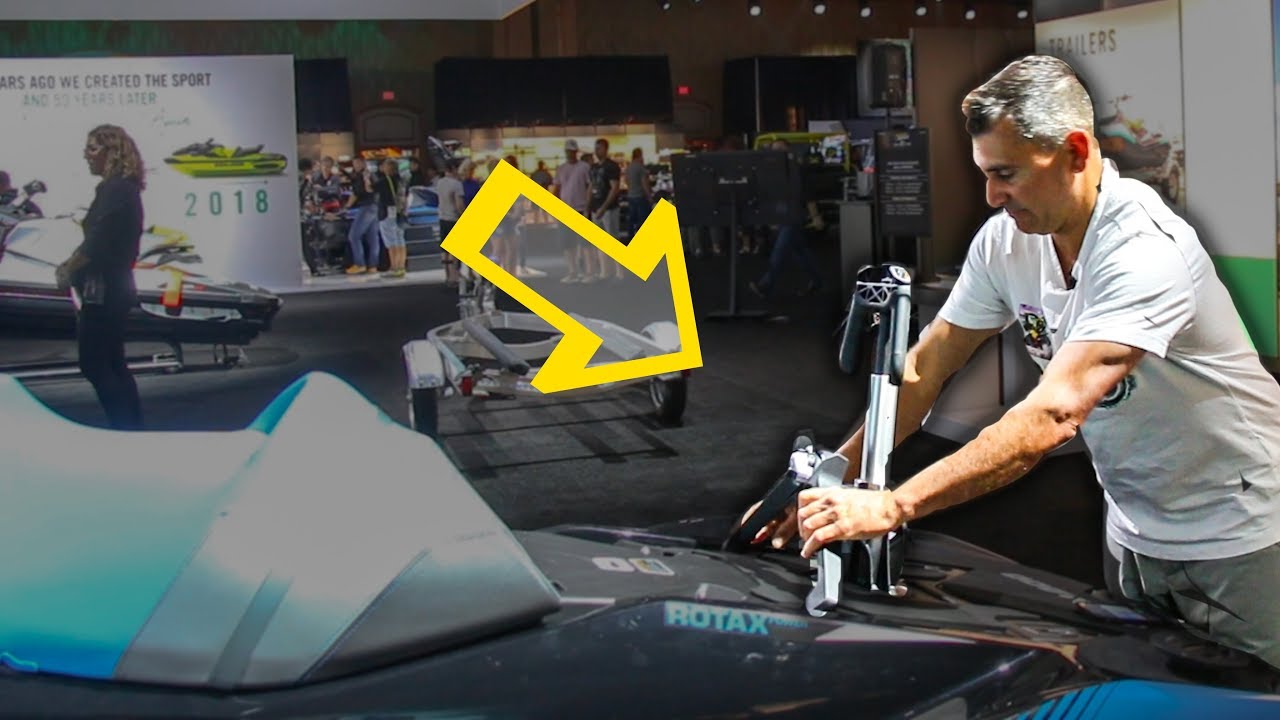
Let’s look at a real example. Jake, a Sea-Doo GTI owner in Florida, installed a TurboSwing universal pylon last summer.
He chose TurboSwing for its easy installation and because he often switches between skiing and tubing. The kit included a tow bar that clamps around the jet nozzle, avoiding deck drilling. He needed only basic tools and finished in under 45 minutes. After installation, Jake noticed:
- Rope stayed high and clear, even during sharp turns
- His kids had fewer falls when tubing
- No issues with jet intake or deck stability
Jake’s tip: “Don’t forget to check your jet nozzle clearance before clamping the bar. I almost installed it too close to the intake.”
Ski Pylon Alternatives For Sea-doo Owners
Not everyone wants to drill their deck or install a permanent pylon. Alternatives include:
- Tow eyelets: Standard on most Sea-Doos, but rope stays low
- TurboSwing tow bars: Clamp around the jet nozzle, avoid deck drilling
- Wakeboard towers: Rare for Sea-Doos, expensive and heavy
- Removable pylons: Fold or snap off for easy storage
Each option has trade-offs in price, installation, and performance.
Legal And Safety Considerations
Water sports towing is regulated in most states. Always follow local laws and safety rules.
- Life jackets: All riders must wear approved life vests
- Spotter requirement: Some states require a passenger to act as a spotter
- Tow rope length: Legal minimums and maximums often apply
- No wake zones: Never tow in restricted areas
Check local regulations before heading out. For official guidelines, visit the U.S. Coast Guard’s recreational boating site: USCG Boating.
Installation Costs And Time Estimates
Installing a ski pylon costs more than just the price of the hardware. Here’s a breakdown:
| Item | Estimated Cost | Time Required |
|---|---|---|
| Aftermarket pylon kit | $200–$600 | 30–90 minutes |
| Professional installation | $150–$300 | 60–120 minutes |
| DIY tools & sealant | $25–$50 | Included above |
DIY is common, but a professional installer guarantees correct placement and warranty.
Non-obvious Tips For Better Ski Pylon Use
Beginners often miss these helpful tips:
- Check passenger clearance: Make sure the pylon won’t block rear passengers or interfere with boarding.
- Upgrade the tow rope: Use a thicker, UV-resistant rope designed for water sports to avoid fraying and breakage.
- Use a rope shock absorber: Some ropes come with built-in elastic sections to reduce jerking—great for beginner skiers.
- Store hardware in a waterproof bag: Loose pins and bolts can rust quickly if left on deck.
- Practice towing at slow speeds: Always start at low speed and increase gradually, especially when towing children.
Small details make a big difference in safety and enjoyment.
Frequently Asked Questions
What’s The Difference Between A Ski Pylon And A Tow Eyelet?
A ski pylon raises the tow rope above the deck, reducing drag and preventing tangles. A tow eyelet is a small metal ring on the rear, which keeps the rope low. Ski pylons are better for wake sports, while eyelets work for casual tubing.
Can I Install A Ski Pylon Myself, Or Do I Need A Professional?
Most Sea-Doo owners install ski pylons themselves using basic tools. If your deck isn’t reinforced or you’re unsure about drilling, a professional can help. DIY is cheaper but requires careful measurement.
Will Installing A Ski Pylon Void My Sea-doo Warranty?
If you use factory parts and follow Sea-Doo’s instructions, the warranty usually stays intact. Aftermarket installations can affect coverage, especially if you drill the deck or use non-approved hardware. Always check with your dealer.
How Do I Know If My Sea-doo Deck Is Strong Enough For A Ski Pylon?
Check your owner’s manual for reinforced mounting points. If not listed, tap the deck to listen for solid vs. hollow spots. Avoid areas near fuel tanks or electrical wiring. For heavy-duty towing, add extra reinforcement plates.
Is A Ski Pylon Safe For Towing Children?
Yes, as long as the pylon is installed correctly and you follow safety rules. Always use a proper tow rope, keep children in life jackets, and start at slow speeds. Make sure the rope stays clear of hands, feet, and the jet intake.
Wrapping Up
Installing a ski pylon on your Sea-Doo opens up a world of water sports possibilities. It improves safety, boosts towing performance, and makes every ride more fun for skiers, wakeboarders, and tubers alike. With the right tools, careful planning, and regular maintenance, anyone can enjoy a reliable, professional-quality setup.
Remember to choose a pylon that fits your Sea-Doo model, follow the instructions, and keep safety first. Whether you’re a weekend warrior or a serious water sports fan, a ski pylon is a smart upgrade that pays off every time you hit the water.

