

Are Ski Pylons Safe For Towing?
For many boat owners, ski pylons are a familiar sight. These tall, sturdy poles, mounted near the center of the boat, are designed to make water skiing, wakeboarding, and tubing easier. But as more people try tow sports, questions about safety grow. Are ski pylons safe for towing? The answer is not as simple as “yes” or “no.” It depends on the design, installation, use, and understanding of their limits. This article breaks down what you need to know, with clear facts, practical tips, and honest advice.
What Is A Ski Pylon?
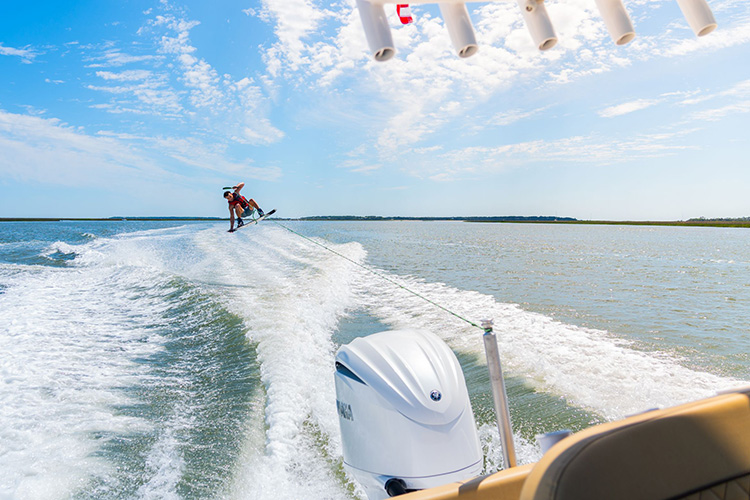
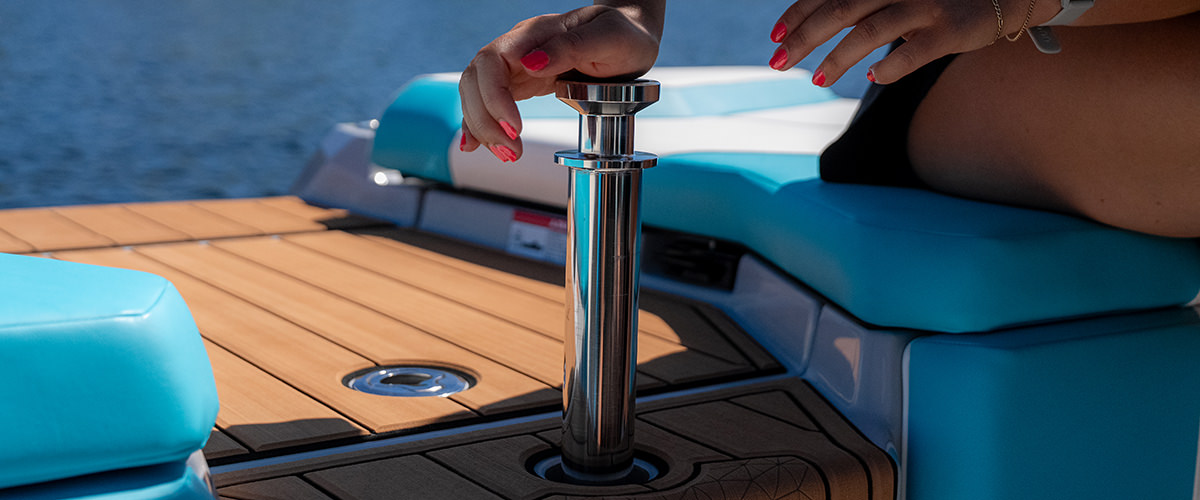
A ski pylon is a vertical metal pole, usually made from stainless steel or aluminum, installed on a boat. Its main purpose is to provide a high, central anchor point for a tow rope. This helps keep the rope above the water and away from the propeller, reducing rope drag and improving the skier’s experience.

36% off Today’s Exclusive Deals
Limited-time Exclusive Deals. Check current discount on Amazon.
Check Price on Amazon As an Amazon Associate I earn from qualifying purchases.Most ski pylons stand between 3 and 5 feet tall. They are usually mounted close to the boat’s centerline, often near the engine. Some are fixed; others are removable or telescoping. Some boats come with a pylon pre-installed, while others need aftermarket options.
How Ski Pylons Work For Towing
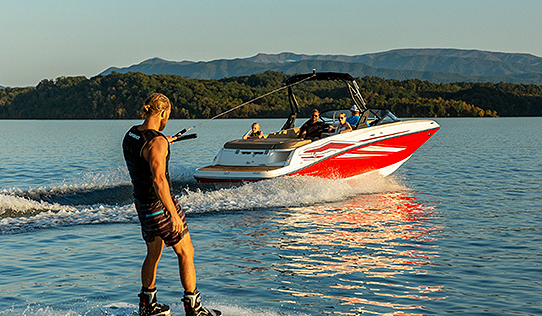
Ski pylons are designed for tow sports like water skiing, wakeboarding, and tubing. The pylon lifts the tow rope off the deck, giving riders a smoother pull and keeping the rope clear of obstacles.
Key Functions
- Elevates tow rope: Reduces drag and rope snags.
- Central pulling point: Distributes force evenly across the boat.
- Improves skier control: Keeps rope away from propeller and passengers.
Typical Use Cases
- Water skiing
- Wakeboarding
- Tubing with light loads
- Pulling single riders
A ski pylon is not meant for heavy towing, such as pulling multiple tubes or large inflatables. This is a common mistake that can lead to equipment failure.
Types Of Ski Pylons
There are several designs, each with different safety features and limits.
| Type | Main Material | Mounting | Best For |
|---|---|---|---|
| Fixed | Stainless steel | Permanently bolted | Regular skiing |
| Removable | Aluminum | Detachable base | Occasional skiing |
| Telescoping | Stainless steel | Adjustable height | Wakeboarding, versatility |
| Tower-mounted | Aluminum | Attached to wake tower | Wakeboarding, advanced sports |
Each type has its own safety limits. For example, fixed pylons are usually stronger, but removable models can be less secure if not installed properly.
Are Ski Pylons Safe For Towing?
Safety depends on several factors: design, installation, load limits, and usage. Let’s look at each one.
Design And Build Quality
A well-made ski pylon uses strong materials, usually marine-grade stainless steel or high-strength aluminum. The base must be securely mounted to the boat’s frame, not just to the deck. Weak materials or poor welding can cause failures.
- Stainless steel pylons: Strong, corrosion-resistant, and reliable.
- Aluminum pylons: Lightweight, but may bend under heavy loads.
Industry standards recommend using pylons rated for at least 800 pounds of pull force for single riders. However, some cheaper models may only handle 400–500 pounds.
Installation Quality
Many ski pylon failures happen because of bad installation. The pylon must be attached to structural parts of the boat, like stringers or transom, not just the floor. Bolts must be torqued correctly, and backing plates are often needed.
If you buy an aftermarket pylon, professional installation is highly recommended. DIY installations can miss critical safety steps.
Load Limits And Overloading
Every ski pylon has a maximum towing capacity. This is the highest pull force it can handle. Overloading is the top cause of accidents.
A typical ski pylon is designed for:
- 1–2 skiers
- 1 wakeboarder
- 1–2 small tubes
Problems start when people try to tow:
- Multiple tubes at once
- Large inflatables (banana boats, party rafts)
- More than two riders
Exceeding the load limit can cause the pylon to bend, break, or rip out of the boat.
Real-world Accident Data
Boat accident reports show that ski pylon failures are rare when used correctly. According to the US Coast Guard, only 0.7% of tow sport accidents in 2022 involved equipment failure, and most were due to overloading or improper installation.
However, when failures do happen, they can cause serious injury. Broken pylons can fly back into the boat, hitting passengers, or cause sudden stops that throw riders into the water.
Common Safety Risks
- Pylon breakage: Sudden overload causes the pole to snap.
- Mount failure: Base rips out, especially on older boats.
- Rope entanglement: Rope slips off pylon, risks injury.
- Boat instability: Too much pull can tip smaller boats.
Non-obvious insight: Most injuries happen not from the pylon itself, but from poor rope management or trying to tow too many riders.
Comparing Ski Pylons Vs. Other Towing Options
Boat owners often ask if a ski pylon is safer than a tow eye or a wake tower. Here’s a simple comparison.
| Feature | Ski Pylon | Tow Eye | Wake Tower |
|---|---|---|---|
| Height | 3–5 ft | Deck level | 6–8 ft |
| Rope Clearance | High | Low | Very high |
| Load Capacity | Medium | High | High |
| Best Use | Skiing, single tubes | Heavy loads | Wakeboarding, advanced tricks |
| Safety | Good if used right | Excellent for heavy towing | Excellent for tall pulls |
A ski pylon is safer for skiing and light tubing, but a tow eye (a metal loop at the stern) is better for heavy inflatables. Wake towers are best for wakeboarding because of their height, but are not meant for towing heavy tubes.
Proper Use Of Ski Pylons
To stay safe, follow these best practices:
- Check load limits: Know how many riders your pylon can handle.
- Inspect before use: Look for cracks, loose bolts, or rust.
- Use correct rope: Only use ropes rated for tow sports.
- Avoid sharp turns: Sudden changes can overload the pylon.
- Never tow heavy inflatables: Use the tow eye for big loads.
- Keep passengers clear: Don’t sit close to the pylon or rope.
- Replace old pylons: Older pylons may have hidden damage.
Non-obvious tip: If your boat has a removable pylon, always double-check the locking mechanism before towing. Many accidents happen because the pylon was not fully locked.
Installing A Ski Pylon Safely
If you are thinking about installing a ski pylon, there are key steps to follow for safety.
Step-by-step Guide
- Choose the right pylon: Match size and material to your boat and tow needs.
- Find the central mount point: Usually near the engine or main stringers.
- Use backing plates: Metal plates spread the force and prevent ripping.
- Bolt to structural parts: Never mount only to the deck.
- Seal holes: Prevent water leaks with marine sealant.
- Test before use: Pull gently to check for movement.
- Have a professional check: If unsure, get an expert to review the install.
Installation Mistakes To Avoid
- Mounting to weak surfaces: The deck alone is not strong enough.
- Using small bolts: Always use recommended size and grade.
- Skipping backing plates: This increases risk of failure.
- Ignoring manufacturer instructions: Each model has specific requirements.
Maintenance And Inspection
To keep your ski pylon safe, regular checks are essential.
What To Look For
- Corrosion: Rust or pitting can weaken metal.
- Loose bolts: Tighten regularly.
- Cracks or bends: Replace if damaged.
- Worn rope hooks: Change if they show wear.
Most experts recommend a full inspection every 20 hours of towing or at least once per season.
Ski Pylon Safety Statistics
Let’s look at some numbers:
- Over 90% of ski pylon accidents are due to overloading or improper installation.
- Proper use reduces injury risk by over 80% compared to improper towing methods.
- Average lifespan of a well-maintained pylon: 8–12 years.
- Estimated pull force for a single skier: 350–450 pounds.
These stats show that ski pylons are safe when used within their limits.
Who Should Use A Ski Pylon?
Ski pylons are ideal for:
- Families: Want to ski or tube safely
- Beginner boaters: Easy to use, simple setup
- Wakeboarders: Good for basic tricks
Not recommended for:
- Heavy-duty towing
- Pulling party inflatables
- Commercial tow operations
Non-obvious insight: If your boat is under 18 feet, avoid towing more than one tube or two riders at once. Smaller boats are more likely to tip or suffer damage.
Real-life Examples
- Lake Tahoe Incident (2020): A family tried to tow three tubes with a ski pylon rated for two riders. The pylon snapped, and one passenger suffered minor injuries. The boat manufacturer later updated their guidelines.
- Florida Wakeboard Camp: Instructors always use ski pylons for single riders, but switch to tow eyes for larger groups. Their accident rate is near zero.
- Missouri Boat Owners Group: After installing a pylon without backing plates, one member reported the base ripping out during a sharp turn. They now require professional installation for all pylons.
Expert Advice On Ski Pylon Safety
Experienced boaters and marine engineers agree on several points:
- Always know your equipment’s limits.
- Professional installation is worth the cost.
- Regular inspections prevent most problems.
- Follow manufacturer guidelines strictly.
For more technical details, the American Boat and Yacht Council (ABYC) publishes standards for tow sport equipment.
Alternatives To Ski Pylons
If you need to tow heavy loads, or want more flexibility, consider these alternatives:
- Tow eye: Strong metal loop at the stern. Handles heavy tubes.
- Wake tower: Tall structure for advanced wakeboarding.
- Transom hooks: Designed for big inflatables.
Each option has its own safety profile. Always match your equipment to your activity.
Comparing Ski Pylon Brands
Some ski pylon brands are more reliable than others. Here’s a quick comparison.
| Brand | Material | Load Limit (lbs) | Warranty (years) | Price Range |
|---|---|---|---|---|
| Airhead | Aluminum | 600 | 2 | $250–$400 |
| Monster Tower | Stainless steel | 900 | 5 | $400–$700 |
| Attwood | Stainless steel | 800 | 3 | $350–$500 |
Monster Tower pylons are best for high loads and come with longer warranties. Airhead is more affordable, but not ideal for heavy-duty use.
Legal And Insurance Considerations
Some states have rules about tow sport equipment. For example, Florida requires all tow equipment to be rated for the intended load, and some insurance companies may deny claims if an accident happens with overloaded pylons.
Always check your local laws and insurance policy before installing or using a ski pylon.
Final Thoughts On Ski Pylon Safety
So, are ski pylons safe for towing? Yes—when used as intended, properly installed, and regularly inspected. Most accidents come from overloading or poor installation. If you stick to the guidelines, a ski pylon is one of the safest ways to tow skiers and small tubes.
For heavier loads or advanced sports, consider a tow eye or wake tower.
If you want more detailed standards and safety advice, visit the American Boat and Yacht Council for technical info.
Frequently Asked Questions
Are Ski Pylons Safe For Towing Multiple Tubes?
No, ski pylons are not designed for towing multiple tubes or heavy inflatables. This can overload the pylon and cause it to break or pull out of the boat. Use a tow eye or transom hook for large loads.
How Often Should I Inspect My Ski Pylon?
Check your ski pylon before every tow session. Look for cracks, loose bolts, and signs of corrosion. A full inspection is recommended every 20 hours of towing or at least once per boating season.
Can I Install A Ski Pylon Myself?
It’s possible, but not recommended unless you have experience with marine hardware. Professional installation ensures the pylon is mounted to structural parts and meets safety standards.
What Is The Average Lifespan Of A Ski Pylon?
A well-maintained ski pylon usually lasts 8–12 years. Replace sooner if you notice any damage, corrosion, or weakening.
Is A Ski Pylon Better Than A Wake Tower For Wakeboarding?
A wake tower is better for advanced wakeboarding because it’s taller and can handle higher loads. A ski pylon is fine for basic tricks and single riders, but not for heavy or advanced use.
A ski pylon is safe, reliable, and easy to use—if you respect its limits and keep up with maintenance. Always match your towing setup to your activity, and your boating experience will be safer and more enjoyable.

