

When you buy a boat or start getting serious about water sports, you might hear about something called a ski pylon. At first, it sounds like just another accessory, maybe not so important. But once you watch someone water skiing behind a boat with and without a ski pylon, you start to wonder if this piece of equipment really makes a difference. Is a ski pylon worth it? Or is it just an extra expense for people who want their boats to look fancy? The answer isn’t as simple as “yes” or “no.” It depends on your goals, your boat, and how much you value safety, performance, and fun on the water.
Let’s dig deep into what a ski pylon is, what it does, and whether adding one to your boat is a smart move. You’ll get expert insights, real-world examples, and practical advice—especially if you’re not a native English speaker and want things explained in clear, simple language.

36% off Today’s Exclusive Deals
Limited-time Exclusive Deals. Check current discount on Amazon.
Check Price on Amazon As an Amazon Associate I earn from qualifying purchases.What Is A Ski Pylon?
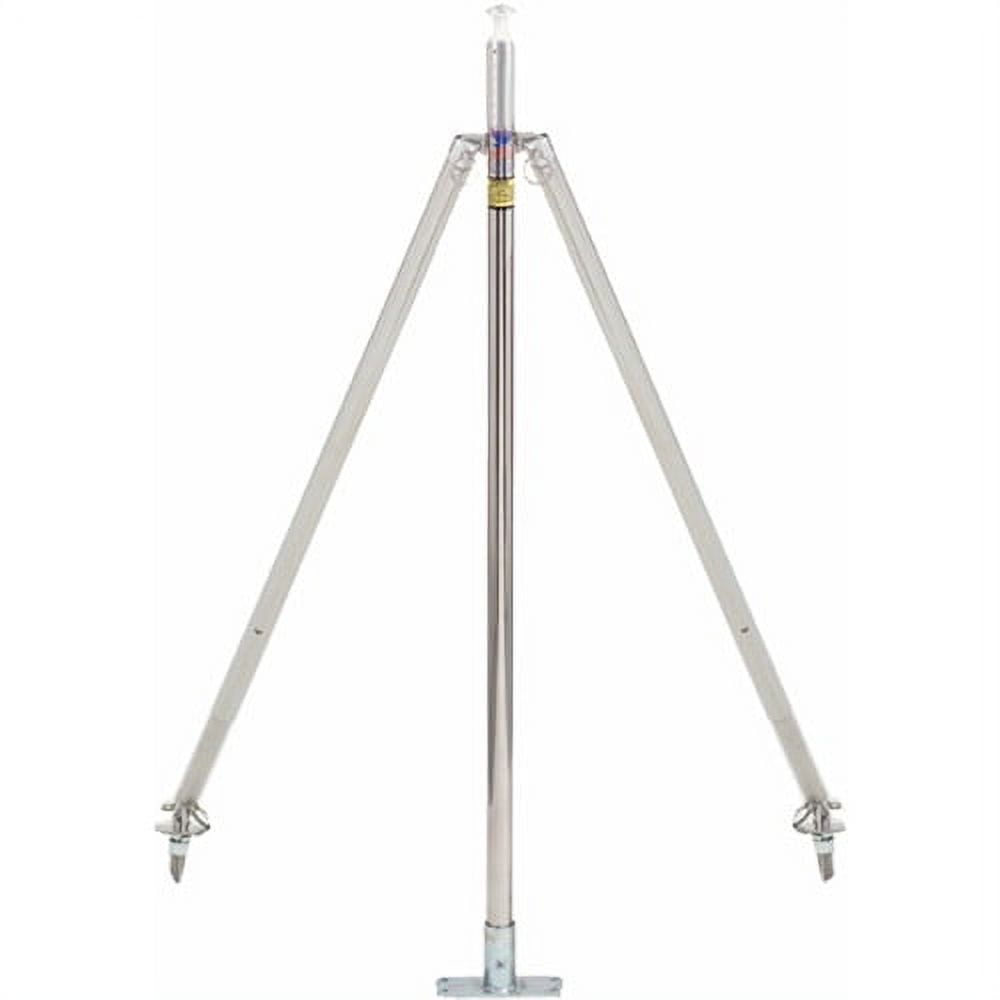
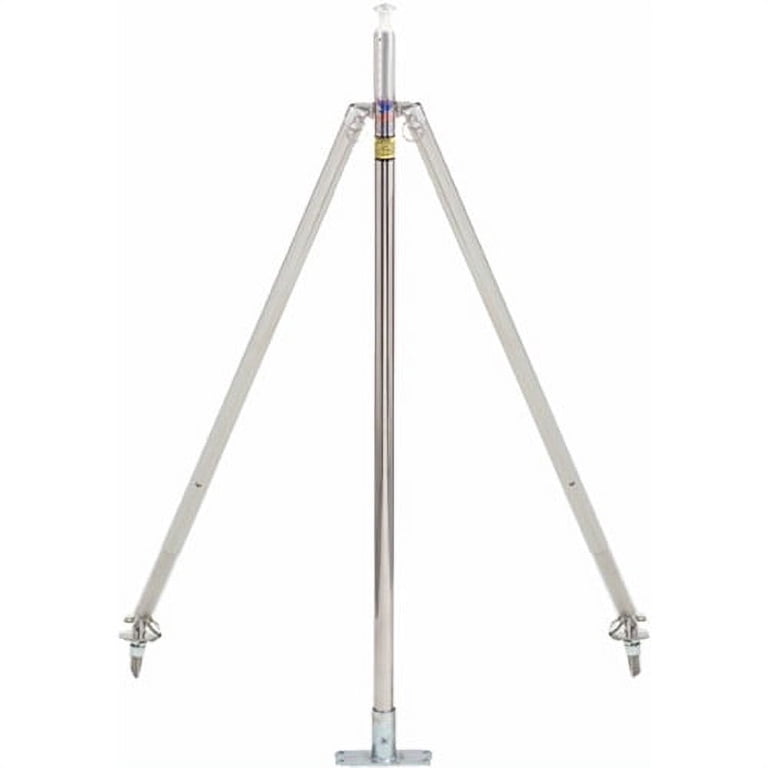
A ski pylon is a strong, vertical metal pole attached to a boat. Its main job is to be the connection point for the tow rope when pulling water skiers, wakeboarders, or even tubes. Unlike just tying the rope to a tow eye at the back of your boat, the ski pylon raises the attachment point higher above the water. This changes the angle of the rope and can affect the experience for the rider and everyone in the boat.
Most pylons are made from stainless steel or aluminum, making them tough and resistant to rust. You’ll find permanent pylons installed into the boat’s floor, or removable versions that can be added or taken off as needed.
Types Of Ski Pylons
- Factory-installed pylons: Built into the boat, often on ski or wake boats.
- Removable pylons: Can be added to almost any boat with some installation.
- Universal pylons: Adjustable, fit many boat types, and are often portable.
- Extended pylons: Taller than standard pylons, mainly for wakeboarding and advanced tricks.
Why Do People Use Ski Pylons?
For many boaters, a ski pylon isn’t just about looks. It brings real benefits that change the way you enjoy water sports.
Improved Pulling Angle
A higher rope attachment means the pulling angle is upwards instead of flat. This helps skiers and wakeboarders get up on the water faster and stay stable. The upward pull makes deep water starts easier, even for beginners.
Less Rope Drag
When the rope is higher, it doesn’t drag in the water as much. Less drag means a smoother pull, reducing fatigue for the skier and making tricks and turns easier.
Better Rope Control
The pylon keeps the rope away from the boat’s propeller and wake, reducing the risk of the rope getting tangled. This is especially helpful if you have kids or beginners on board.
Safer For Everyone
With the rope higher and more visible, there’s less chance of accidents. The pylon also absorbs sudden jerks or pulls, lowering the risk of injury both for the rider and the spotter.
Makes Multiple Sports Possible
Some sports, like barefoot skiing or advanced wakeboarding tricks, are much easier (sometimes only possible) with a pylon or similar setup.
Comparing Ski Pylon Vs. Tow Eye Vs. Wake Tower
It’s easy to confuse a ski pylon with a tow eye or a wake tower. Here’s how they compare for different water sports and situations:
| Feature | Ski Pylon | Tow Eye | Wake Tower |
|---|---|---|---|
| Rope Height | Medium (2–4 feet above deck) | Low (at deck level) | High (6+ feet above deck) |
| Best For | Water skiing, wakeboarding, tubing | Basic towing, tubing | Advanced wakeboarding, aerial tricks |
| Installation | Moderate | Simple | Complex |
| Boat Compatibility | Most boats | All boats | Specific boats (reinforced) |
| Cost | Medium ($300–$800) | Low (usually included) | High ($1000+) |
Key takeaway: A ski pylon is the middle ground—more specialized than a tow eye, but not as expensive or complex as a wake tower.
Benefits Of A Ski Pylon
Many boaters and water sports fans say that adding a ski pylon was one of their best upgrades. Let’s break down the main advantages.
1. Easier Water Starts
Getting up on skis or a wakeboard can be tough for beginners. A ski pylon lifts the rope, making it less likely to get caught in the wake. The skier pops up more easily, and beginners have a better time learning.
2. Smoother Pulls And Turns
Because the pylon holds the rope higher, it gives a more even pull. This means fewer sudden jerks and a more stable ride. Even experienced riders notice the difference, especially in choppy water.
3. Less Wear On The Boat
Pulling from a tow eye or transom can stress your boat’s hardware and hull. A ski pylon, if installed correctly, spreads the forces more evenly, which can prevent damage over time.
4. More Options For Water Sports
With a pylon, you can easily switch between skiing, wakeboarding, and tubing. Some pylons even have swivel heads to keep the rope moving smoothly during sharp turns.
5. Safety For Riders And Passengers
The higher attachment point keeps the rope away from the engine and reduces the chance of a rope snap-back hitting someone. This is a hidden benefit many new boaters don’t realize until they see a close call.
6. Clean Wake For Tricks
Because the rope is higher, the skier can move side to side without the rope dragging through the wake. This makes it easier to do tricks, jumps, and quick turns.
7. Quick Setup And Storage
Removable pylons can be installed or taken off in minutes. This gives you flexibility if you use your boat for fishing or cruising too.
Drawbacks And Limitations Of Ski Pylons
While ski pylons bring many positives, they’re not perfect for every situation.
1. Cost
A good-quality ski pylon can range from $300 to $800, and installation may require extra parts or professional help. For some, this feels like a big investment.
2. Not For All Boats
Some boats, especially smaller or lightweight models, may not have the structure needed to support a pylon. Installing one incorrectly can damage the boat or create safety risks.
3. Limited Height
While the pylon raises the rope, it’s not as high as a wake tower. For advanced wakeboarders looking for big air, a pylon may not be enough.
4. Can Get In The Way
Depending on your boat’s layout, the pylon might block movement or make seating less comfortable. Some people find it annoying during non-sport activities.
5. Installation Challenges
Permanent pylons often require drilling and reinforcing the boat. This isn’t a DIY job for everyone, and mistakes can be costly.
6. Not Ideal For Heavy Tubing
If you tow large, heavy tubes with multiple riders, the forces on a pylon can be extreme. Not all pylons are rated for this, so always check the weight limits.
Real-world Experience: When A Ski Pylon Makes Sense
If you mostly fish or cruise, a ski pylon may not add much value. But for families, youth groups, and anyone who loves water skiing or wakeboarding, the difference is clear.
Take the example of a family with three kids aged 8, 11, and 14. Before installing a ski pylon, they struggled with tangled ropes and rough starts. After the upgrade, every child got up on skis within minutes, and even the parents started enjoying wakeboarding again.
The experience was safer, smoother, and more fun for everyone.
Another example: A group of friends who love weekend tubing found that a pylon let them easily switch from skiing to tubing, making the boat more versatile. They also noticed less strain on the boat’s rear hardware.
Is A Ski Pylon Worth It For You?
Here’s a quick way to decide if a ski pylon is a smart investment:
| Situation | Is a Ski Pylon Worth It? |
|---|---|
| Frequent water skiing or wakeboarding | Yes, strong benefits for performance and safety |
| Mostly fishing or cruising | No, not necessary |
| Mix of tubing, skiing, and wakeboarding | Yes, for easier switching and smoother pulls |
| Boat has strong, reinforced deck | Yes, installation is usually simple |
| Small, lightweight boat | No, may not be safe or possible |
| Advanced aerial tricks (wakeboarding) | Consider a wake tower instead |
Non-obvious insight: If your boat is used by beginners, a ski pylon can reduce frustration and speed up learning more than any other single accessory. Also, for families, it can make water sports possible for younger kids who struggle with traditional tow eyes.
How To Choose The Right Ski Pylon
If you’ve decided a ski pylon makes sense, don’t just buy the first one you see. Here’s what matters most:
1. Compatibility With Your Boat
Check your boat’s length, deck strength, and layout. Some pylons are designed for specific brands or models. Universal pylons fit many boats but may not be as strong.
2. Weight And Pulling Capacity
Always check the maximum weight and number of riders the pylon supports. Exceeding these can damage your boat or cause accidents.
3. Material Quality
Look for marine-grade stainless steel or anodized aluminum. These resist corrosion and last longer.
4. Height And Adjustability
Standard pylons are 34–45 inches tall. Some are adjustable, which is helpful if you switch between sports.
5. Removable Vs. Permanent
Removable pylons offer flexibility but may not be as strong as permanent ones. Permanent pylons are great for dedicated ski boats.
6. Installation Requirements
Can you do it yourself, or will you need a pro? Some installations require drilling and reinforcing the deck.
7. Extra Features
Swivel heads, quick-release pins, and rope hooks can make setup and use easier.
Common Mistakes When Buying
- Choosing a pylon rated for fewer riders than you plan to pull.
- Ignoring your boat’s deck strength.
- Buying a cheap, non-marine-grade model that rusts quickly.
- Not measuring clearance for your bimini top or seating.
Installation Tips And Safety Advice
Installing a ski pylon isn’t always plug-and-play. Here’s how to do it right:
- Read the manual: Even universal pylons have unique instructions.
- Check your deck strength: Reinforce if needed with backing plates.
- Double-check measurements: Make sure the pylon won’t block seating or controls.
- Use marine-grade hardware: Prevents rust and loosening over time.
- Test before use: Start with gentle pulls before going full speed.
- Inspect regularly: Check for cracks, loose bolts, or rust every month.
Non-obvious tip: If you have a bimini top or rear sunshade, check if the pylon will fit underneath or block its use. Many people forget this until installation day.
Cost Breakdown: What To Expect
Let’s look at what you might spend:
- Entry-level universal pylon: $250–$400
- High-quality, brand-specific pylon: $500–$900
- Professional installation: $100–$300
- Extra parts (mounting hardware, reinforcement): $30–$100
Total cost can range from $350 to $1,200, depending on your needs and how much work you do yourself.
Do Ski Pylons Add Value To Your Boat?
If you plan to sell your boat later, a well-installed ski pylon can be a selling point—especially for buyers who want to ski or wakeboard. But if the installation is poor or looks “homemade,” it can lower the value.
A good pylon, installed by a pro, tells buyers you cared about safety and performance. It’s a small investment that can pay off, especially if you keep receipts and manuals for the next owner.
Ski Pylon Vs. Wake Tower: Which To Choose?
If you’re into serious wakeboarding with big jumps, a wake tower is usually better. It gives a higher pull, which is needed for aerial tricks. But wake towers are heavy, expensive, and require major installation.
For most families and casual riders, a ski pylon is easier, cheaper, and covers almost all needs—except the highest-level wakeboarding. A pylon also keeps your boat’s look cleaner and doesn’t add as much wind resistance.
Maintenance And Longevity
A quality ski pylon will last many years if you:
- Rinse it after every use, especially in saltwater.
- Check bolts and hardware regularly.
- Lubricate moving parts (like swivel heads) once a season.
- Store removable pylons indoors when not in use.
Ignoring these simple steps is the main reason pylons rust, loosen, or become unsafe.
Environmental And Legal Considerations
Some lakes and waterways have rules about towing heights and equipment. Always check local laws before installing a pylon or towing skiers. Also, be aware that overloading your pylon or boat can be illegal and dangerous.
If you boat in protected areas, a pylon can help keep ropes out of the water, reducing the risk of wildlife entanglement. This is a small but real environmental benefit.
Frequently Asked Questions
What’s The Difference Between A Ski Pylon And A Wake Tower?
A ski pylon is a medium-height pole used for skiing, wakeboarding, and tubing. A wake tower is much taller, designed for advanced wakeboarding and aerial tricks. Wake towers are more expensive and need special installation.
Can I Install A Ski Pylon Myself?
Some universal pylons are designed for easy DIY installation, but many require drilling and reinforcing the deck. If you’re not comfortable with tools or boat modifications, it’s best to hire a professional.
Is A Ski Pylon Safe For Towing Tubes?
Most pylons can handle single or double tubes, but always check the weight rating. For very large or heavy tubes, the force can exceed what a pylon is built for. Never pull more than the pylon’s or boat’s rated capacity.
Will A Ski Pylon Fit On Any Boat?
Not all boats can support a ski pylon. Small, lightweight boats or those with weak decks may not be safe for installation. Always check your boat’s structure and the pylon’s compatibility before buying.
Where Can I Find More Information About Ski Pylon Safety And Options?
A good place to start is the U.S. Coast Guard Boating Safety website, which has tips and legal guidelines for towing and water sports equipment.
Adding a ski pylon can make your time on the water safer, more fun, and more flexible. If you love water sports and your boat can handle it, the upgrade is often worth every penny. Just choose the right model, install it safely, and enjoy the smoother, safer rides that only a ski pylon can offer.


