

When you look at a watersports boat, you might notice a tall metal pole standing at the center or rear deck. This is a ski pylon—an essential part for anyone who loves water skiing, wakeboarding, or tubing. But not all pylons are the same. Some are fixed, while others are removable. If you’re new to boating or want to upgrade your watersports setup, understanding what a removable ski pylon is can help you make better choices. In this article, you’ll learn what a removable ski pylon does, why it matters, how it compares to other tow systems, and tips for choosing the right one.
What Is A Removable Ski Pylon?
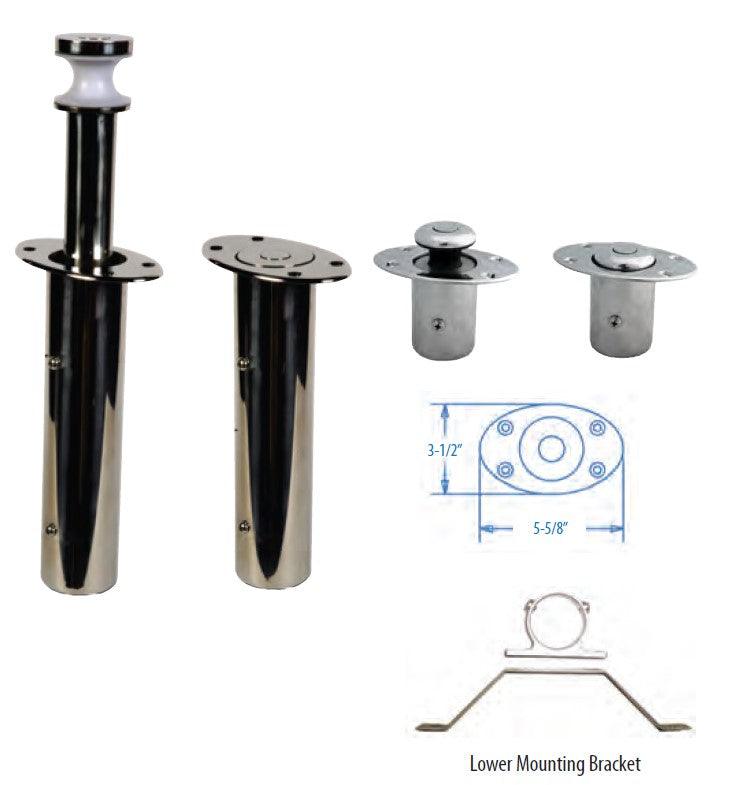
A removable ski pylon is a metal pole that attaches to a boat, usually on the deck, for towing a skier, wakeboarder, or inflatable. Unlike fixed pylons, it can be installed or taken off as needed. The main purpose is to provide a strong, stable, and high anchor point for tow ropes.

36% off Today’s Exclusive Deals
Limited-time Exclusive Deals. Check current discount on Amazon.
Check Price on Amazon As an Amazon Associate I earn from qualifying purchases.Most pylons are made from stainless steel or aluminum. This makes them strong and resistant to rust. A removable ski pylon usually slides into a special mount or base installed on the boat. When not needed, you can lift it out, freeing up deck space.
How Removable Ski Pylons Work
The pylon is installed into a mounting socket or base. This base is bolted to the boat for stability. When you want to use the pylon, you slide it in and lock it—often with a pin or screw. The rope attaches to a hook or ring at the top.
Most removable ski pylons are designed to:
- Support the force from towing a skier or wakeboarder
- Lift the tow rope higher off the water, reducing drag
- Protect the boat’s structure from stress by distributing weight
Where You Find Removable Ski Pylons
Removable ski pylons are common on:
- Pontoon boats
- Runabouts
- Deck boats
- Bass boats (with watersports features)
They’re especially popular on boats where deck space is limited, or when the boat is used for other activities besides watersports.
Fixed Vs. Removable Ski Pylons
Choosing between a fixed and removable ski pylon is a key decision for many boaters. Here’s a clear comparison to help you understand the differences:
| Feature | Fixed Ski Pylon | Removable Ski Pylon |
|---|---|---|
| Installation | Permanent, bolted or welded | Mounting socket, slides in/out |
| Deck Space | Always takes up space | Can be removed for more room |
| Flexibility | Only for watersports | Used when needed, removed for fishing or cruising |
| Cost | Usually cheaper | Usually more expensive |
| Maintenance | Harder to clean around | Easier to clean deck |
Removable pylons are perfect for people who want a multi-use boat. If you only ski or wakeboard, a fixed pylon may be simpler. But if you change activities often, removable pylons give you freedom.
Why Use A Removable Ski Pylon?
Removable ski pylons solve many problems for boat owners. Here are some of the main reasons they’re popular:
- Space-saving: When not in use, the pylon comes out, giving you more room for fishing, relaxing, or storing gear.
- Versatility: Use the boat for watersports one day, cruising or entertaining the next.
- Easy maintenance: Cleaning the deck is simpler when the pylon isn’t in the way.
- Safety: You reduce tripping hazards when the pylon is removed.
- Boat value: Boats with removable pylons can appeal to more buyers, increasing resale value.
Real-world Example
A family with a pontoon boat uses a removable pylon for tubing and skiing. On fishing days, they take the pylon out, giving anglers more space. This flexibility is why removable pylons are seen as a smart upgrade.
Key Features Of Removable Ski Pylons
Not all removable ski pylons are equal. If you’re thinking about buying one, pay attention to these features:
- Material: Most are made from stainless steel (strong, rustproof) or aluminum (lightweight, less expensive).
- Height: Standard pylons are 30–45 inches tall. Taller pylons lift ropes higher, which is good for wakeboarding.
- Mounting system: Look for a secure base that won’t loosen. Some use a quick-release pin; others use screws.
- Swivel top: Many pylons have a top ring that spins, keeping the tow rope from tangling.
- Load capacity: Check the weight rating. Most support up to 500–600 lbs of pulling force.
- Adjustability: Some pylons adjust in height or angle, fitting different boats or activities.
Example Of Pylon Specs
Here’s a sample of two popular removable pylons compared side by side:
| Brand | Height | Material | Mount Type | Weight Capacity |
|---|---|---|---|---|
| TurboSwing Removable | 42 inches | Stainless Steel | Socket + Pin | 600 lbs |
| Springfield Marine | 36 inches | Aluminum | Socket + Screw | 500 lbs |
Choose the features that match your boat and your watersports needs.
Installation Process: Step-by-step
Installing a removable ski pylon isn’t hard, but it needs careful planning. Here are the main steps:
- Choose the right location: The pylon should be near the center or rear deck, away from seats and gear.
- Mark and drill holes: Use the base as a template. Mark holes, then drill through the deck.
- Attach the mount: Bolt the socket/base securely. Use stainless steel bolts and washers to prevent rust.
- Test the fit: Slide the pylon in and lock it with the pin or screw.
- Attach the tow rope: Connect the rope to the top ring. Make sure it spins freely.
- Check for movement: Pull on the pylon to make sure it’s solid and doesn’t wiggle.
Tips For Safe Installation
- Read the manual for your pylon brand.
- Use marine-grade hardware.
- If unsure, ask a boat shop for help.
- Never install where fuel lines or electrical wires run under the deck.
Safety Considerations
Safety is the most important part of using any tow equipment. Removable ski pylons are designed for strength, but there are things you should keep in mind:
- Check before every use: Make sure the pylon is locked in place and the mount is tight.
- Use the right rope: Watersports ropes are stronger and stretch less than regular ropes.
- Don’t overload: Follow the weight limit—don’t pull too many riders or use heavy inflatables.
- Keep clear: Tell passengers to stay away from the pylon when towing.
- Inspect regularly: Look for cracks, rust, or loose hardware. Replace parts if needed.
Common Mistakes
Many beginners forget to lock the pylon in place, leading to accidents. Others use old ropes not rated for watersports. Always check everything before starting.
Removable Ski Pylon Vs. Other Tow Systems
There are several ways to tow a skier or tube from a boat. Removable ski pylons are just one option. Here’s how they compare to other systems:
Tow Hooks
Some boats have simple hooks or eyelets at the rear. These are low and don’t lift the rope.
Pros:
- Cheap
- Easy to use
Cons:
- Rope drags in water
- Harder for skiing and wakeboarding
Tow Towers
Tow towers are tall frames bolted to the boat, often used for wakeboarding.
Pros:
- High rope position
- Supports tricks and jumps
Cons:
- Expensive
- Heavy
- Not removable
Removable Ski Pylons
Combine height with flexibility. Easier to install than towers and better than low hooks.
Pros:
- Removable
- Medium price
- Good for most watersports
Cons:
- Not as high as towers
- May not fit all boats
Here’s a quick comparison table:
| System | Height | Removable | Best For | Cost |
|---|---|---|---|---|
| Tow Hook | Low | No | Tubing | $ |
| Ski Pylon | Medium | Yes | Skiing, Tubing | $$ |
| Tow Tower | High | No | Wakeboarding | $$$ |
For most families and casual boaters, a removable ski pylon is the best mix of height, flexibility, and cost.
How To Choose The Right Removable Ski Pylon
Picking the best pylon means looking at your boat, your needs, and your budget. Here’s what matters:
- Boat type: Some pylons fit pontoon boats; others fit runabouts or bass boats. Check compatibility.
- Mounting options: Make sure the base fits your deck. Some mounts are round; others are square.
- Height: For wakeboarding, taller is better. For tubing, standard height is fine.
- Material: Stainless steel lasts longer but costs more. Aluminum is lighter but can dent.
- Budget: Prices range from $200 to $700+. More features mean higher price.
- Brand reputation: Choose brands with good reviews and clear warranties.
- Ease of removal: If you plan to take it out often, look for quick-release systems.
Practical Tips
- Visit a boat dealer and see pylons in person.
- Ask other boaters about their experience.
- Check for certification (some pylons are tested for safety by marine groups).
Maintenance And Care
Removable ski pylons are low-maintenance, but they last longer if you care for them. Here’s how:
- Rinse after use: Saltwater can cause corrosion. Rinse with fresh water.
- Lubricate moving parts: Use marine grease on pins and swivels.
- Check bolts and screws: Tighten if loose.
- Store in a dry place: If not using for a while, keep the pylon indoors.
- Inspect regularly: Look for wear or damage.
Extra Insight
Many boaters forget to clean the mounting socket. Dirt and sand can make it hard to insert or remove the pylon. Clean the socket with a brush every few trips.
Common Questions And Beginner Mistakes
If you’re new to ski pylons, you might run into these problems:
- Wrong installation location: Placing the pylon too close to seats makes towing unsafe.
- Using non-marine hardware: Regular bolts can rust fast.
- Ignoring load capacity: Pulling heavy inflatables can damage the pylon.
- Not checking clearance: Make sure the pylon doesn’t block storage lids or movement.
Two Insights Beginners Miss
- Deck thickness matters: If your boat’s deck is thin, use a backing plate under the mount for strength.
- Swivel tops reduce rope wear: The spinning ring prevents rope fraying—many beginners overlook this and replace ropes often.
Real-world Data: Ski Pylon Popularity
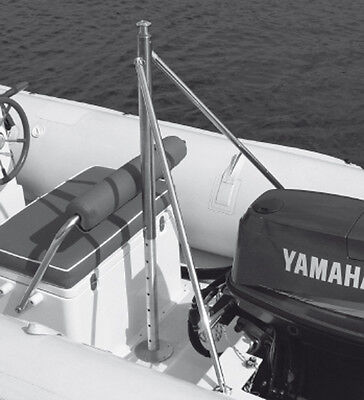
According to industry surveys, about 40% of pontoon boats sold in the US now include a ski pylon option. Most are removable, reflecting the demand for flexible watersports gear. The average price for a removable ski pylon is $350–$600.
Wakeboarders often choose towers, but families and casual boaters prefer pylons for their ease and versatility.
Watersports Experience: Why Height Matters
The height of the pylon changes the tow rope’s angle. A higher rope makes it easier for skiers and wakeboarders to get up on the water and do tricks. With a low rope, the tow line drags in the water, making starts harder and increasing rope wear.
For tubing, height isn’t as important, but for skiing and wakeboarding, a 36–42 inch pylon can make a big difference.
Environmental And Legal Considerations
Installing a removable ski pylon may require checking local boating laws. Some lakes and rivers have rules about tow equipment, especially in crowded areas.
- Check permits: In some states, adding a pylon may require a permit.
- Follow capacity rules: Don’t tow more riders than allowed for your boat size.
- Noise and speed limits: Watersports can increase boat speed and noise—respect local regulations.
For official guidance, see the US Coast Guard’s boating safety site: US Coast Guard Boating Safety.
The Future Of Removable Ski Pylons
As watersports grow, so does the demand for flexible equipment. New designs are lighter, stronger, and easier to remove. Some brands now offer telescoping pylons that adjust for different activities. Others add built-in lights or camera mounts for filming action.
Boat makers are also designing decks with built-in pylon sockets, making installation simpler.

Frequently Asked Questions
What Boats Can Use A Removable Ski Pylon?
Most pontoon boats, deck boats, and runabouts can use a removable ski pylon. Check the deck size and strength. Some bass boats also have pylons for watersports.
How Tall Should A Ski Pylon Be?
Standard pylons are 30–45 inches tall. Taller pylons are better for wakeboarding; shorter ones work for tubing and skiing.
Is A Removable Ski Pylon Safe For Children?
Yes, but make sure the pylon is installed correctly and the tow rope is rated for the load. Always supervise children during watersports.
Can I Install A Removable Ski Pylon Myself?
Most boat owners can install a pylon with basic tools. Follow the instructions and use marine-grade hardware. If unsure, ask a boat shop for help.
What Is The Difference Between A Ski Pylon And A Tow Tower?
A ski pylon is a single pole, often removable, used for skiing and tubing. A tow tower is a tall frame, usually fixed, used mainly for wakeboarding and tricks. Towers are higher and more expensive.
Final Thoughts
A removable ski pylon is a smart choice for boat owners who want flexibility and safety for watersports. It lets you tow skiers, wakeboarders, and tubes without taking up space when not needed. With the right features, careful installation, and regular care, a removable ski pylon can make your boat more fun and valuable. As watersports become more popular, removable pylons are likely to keep evolving—offering even more options for families and enthusiasts. Whether you’re starting out or upgrading your equipment, knowing the facts helps you get the most from your boating experience.

