

Riding behind a boat on skis or a wakeboard is a thrilling experience. But have you ever wondered how the tow rope stays so perfectly elevated, letting you glide smoothly over the water? The secret is the ski pylon—a simple but essential device that keeps the tow line at the right height, ensures safety, and even helps you perform tricks. Understanding how a ski pylon works can help both beginners and seasoned water sports lovers improve their experience and avoid common mistakes.
A ski pylon may look like just a metal pole, but it’s a clever piece of engineering. When used correctly, it transforms a regular boat into a water sports machine, making skiing, wakeboarding, and tubing safer and more enjoyable. Let’s explore the science, design, and practical aspects of ski pylons, and see why they are so important on the water.

36% off Today’s Exclusive Deals
Limited-time Exclusive Deals. Check current discount on Amazon.
Check Price on Amazon As an Amazon Associate I earn from qualifying purchases.What Is A Ski Pylon?
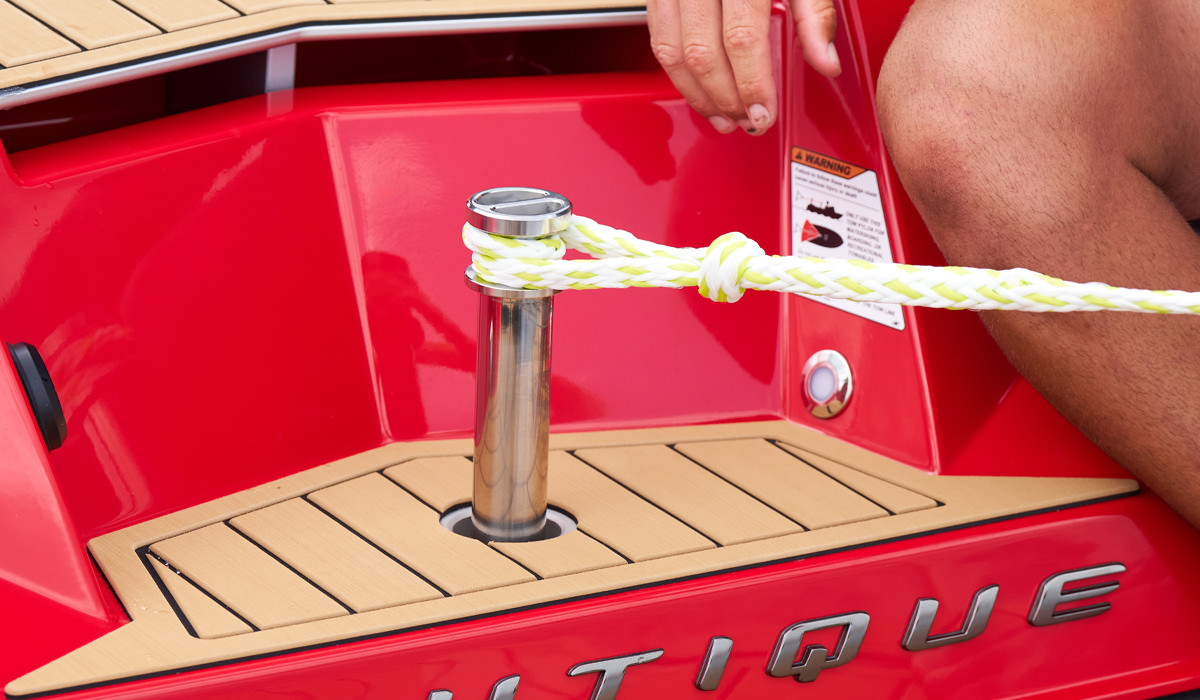
A ski pylon is a strong, vertical pole mounted to the deck or floor of a boat. Its main purpose is to act as an attachment point for the tow rope used in water skiing, wakeboarding, kneeboarding, or tubing. Unlike tying a rope directly to a boat’s stern, the pylon lifts the rope higher above the water. This elevation makes a big difference in how the skier or rider is pulled, improving both performance and safety.
Most ski pylons are made from marine-grade stainless steel or aluminum. This makes them lightweight, rust-resistant, and able to handle the intense forces generated during water sports. While basic pylons are fixed in place, some advanced models are telescopic or removable, allowing for easy storage or adjustments.
The Basic Mechanics: How A Ski Pylon Works
To understand how a ski pylon works, it helps to break down the mechanics:
1. Elevating The Tow Point
The pylon raises the rope’s attachment point above the boat’s rear deck. This keeps the rope from dragging in the water or hitting the boat’s wake, which can make skiing harder and more dangerous.
2. Force Distribution
When a skier pulls on the rope, the force is transferred to the pylon. The pylon must distribute this force evenly to the boat’s hull and deck, so the boat remains stable and undamaged.
3. Rope Angle Control
By lifting the rope, the pylon changes the angle at which the skier or rider is pulled. This helps riders get up on plane faster, makes jumps and tricks easier, and prevents spray from hitting the face.
4. Rotation And Flexibility
Many pylons have a swivel at the top. This allows the rope to rotate smoothly as the skier moves from side to side, avoiding tangles and reducing friction.
Here’s a simple illustration:
| Mounting Method | Height Above Deck | Rope Attachment | Typical Use |
|---|---|---|---|
| Fixed Base | 36-48 inches | Swivel eye at top | Recreational skiing |
| Telescoping | Adjustable (24-60 inches) | Quick-release shackle | Multiple sports |
| Removable | Varies | Detachable loop | Boats with limited space |
Why Not Just Tie The Rope To The Boat?
Tying a tow rope directly to a boat’s stern cleat or rail might seem simple. But this method has several problems:
- Low Pull Angle: The rope often drags in the water, making it harder for the skier to stand up or perform tricks.
- Damage to the Boat: Stern cleats are not designed to handle the high, sudden forces from towing. This can cause cracks or even pull the cleat out.
- Safety Risks: If the rope snaps or comes loose, it may whip back toward the boat or passengers.
- Reduced Maneuverability: The boat can become harder to steer, especially during sharp turns or with multiple riders.
A ski pylon solves these issues by offering a purpose-built, secure, and elevated attachment.
Key Components Of A Ski Pylon
Understanding each part of a ski pylon helps you see how the system works as a whole.
1. Main Shaft
The main shaft is the upright pole, usually made of strong, lightweight metal. Its height (often between 36 and 60 inches) determines the rope angle.
2. Base Mount
This is the part attached to the boat’s deck or floor. It must be very secure, as it takes the full force of the skier’s pull. Some bases are bolted down, while others use a clamp or socket system.
3. Support Arms (guy Wires)
Most pylons use support arms or cables that extend from the shaft to the boat’s sides or transom. These arms spread out the pulling forces, reducing stress on the main shaft and base.
4. Swivel Or Pulley
At the top, a swivel or pulley allows the rope to move freely as the skier changes direction. This prevents tangling and lets the skier move side to side without extra drag.
5. Quick Release And Safety Mechanisms
Many modern pylons have a quick-release shackle or similar system, so you can detach the rope instantly in an emergency.
6. Adjustable Height Feature
Some pylons are telescopic, so you can change the height for different activities (like skiing, wakeboarding, or tubing).
| Component | Purpose | Material |
|---|---|---|
| Main shaft | Holds rope above deck | Aluminum/Stainless steel |
| Base mount | Anchors pylon to boat | Steel/Aluminum |
| Support arms | Stabilizes pylon | Metal cable/tube |
| Swivel | Prevents rope twist | Stainless steel/plastic |
| Quick release | Emergency detachment | Steel/Plastic |
Types Of Ski Pylons
Different boats and activities call for different pylon designs. Here are the main types:
Fixed Ski Pylon
This is the most basic type. It’s permanently installed and best for boats that are always used for water sports. Fixed pylons are very strong but not easy to remove or adjust.
Removable Ski Pylon
These can be taken out when not in use, making them popular for multi-purpose boats. They often use a socket or clamp system for quick installation.
Telescoping Ski Pylon
A telescoping pylon lets you adjust the height. This is great if you switch between sports, as wakeboarding usually needs a higher pull than water skiing.
Universal Or Deck-mount Pylon
These are designed to fit a wide range of boats. They often use adjustable arms or feet to clamp onto the deck or floor without drilling.
Tower-mounted Pylon
Some wakeboard boats use a tower instead of a traditional pylon. The tower is like a roll cage that holds the rope even higher, which is ideal for big jumps.
How A Ski Pylon Improves Water Sports
Adding a ski pylon to a boat changes the whole towing experience:
- Easier Starts: The elevated rope angle helps beginners get up on skis or boards more easily.
- Better Tricks: Jumping, spinning, and crossing the wake become smoother because the rope stays above water.
- Less Spray: The skier’s face gets less water spray, making the ride more comfortable.
- Smoother Pulls: The rope doesn’t slap the water or get caught in the wake, so the skier feels a steady pull.
- Higher Safety: The strong, secure mount reduces the risk of accidents from snapped ropes or loose cleats.
In competitions, the pylon’s height and stability can even affect a skier’s performance scores. A higher pull point allows for more air time and safer landings during jumps.

Installation: How Is A Ski Pylon Mounted?
Proper installation is key for safety and performance. Here’s a look at the process:
1. Choosing The Location
The pylon should be installed as close to the boat’s center as possible, usually just behind the engine cover or in the middle of the cockpit. This balances the forces and keeps the boat stable.
2. Securing The Base
The base is usually bolted through the boat’s deck or floor, sometimes using backing plates for extra strength. Some deck-mount models use clamps instead.
3. Attaching Support Arms
Support arms or cables are fixed to strong points on the boat’s sides or transom. These must be very tight to prevent wobbling.
4. Adding The Swivel And Quick Release
The rope attachment goes at the top, with a swivel or pulley for smooth movement. Quick-release devices are tested for easy operation.
5. Testing The Setup
Before towing anyone, the pylon is loaded with static weight to check for movement or flexing.
Important tip:
Always follow the manufacturer’s instructions and use marine-grade hardware. If you’re unsure, have the installation checked by a professional.
Safety Considerations And Common Mistakes
A ski pylon must be used with care. Here are common mistakes and how to avoid them:
Installing On A Weak Surface
Mounting the pylon to a thin deck or weak area can cause structural damage. Always use strong, reinforced parts of the boat.
Overloading The Pylon
Most pylons have a weight limit—usually around 600-1000 lbs of pull force. Never tow more riders than recommended.
Neglecting Support Arms
Some boaters skip the support arms to save time, but this makes the pylon unstable and dangerous.
Using The Wrong Hardware
Using regular bolts or screws instead of marine-grade hardware can lead to rust and failure.
Forgetting To Inspect
Check the pylon for cracks, loose bolts, or corrosion before every use. A small issue can quickly become a big problem on the water.
Not Adjusting For Different Sports
Using the same pylon height for wakeboarding and skiing can reduce performance. Adjust when switching activities if your pylon allows.
Non-obvious insight:
Even experienced boaters sometimes forget that water conditions (like rough waves) increase the strain on pylons. Always use extra caution in choppy water.
Ski Pylon Vs. Wakeboard Tower: What’s The Difference?
Both ski pylons and wakeboard towers elevate the tow rope, but there are key differences:
| Feature | Ski Pylon | Wakeboard Tower |
|---|---|---|
| Height | 36-60 inches | Up to 84 inches |
| Installation | Deck/floor mount | Bolt-on frame |
| Use | Water skiing, tubing | Wakeboarding, surfing |
| Removability | Often removable | Usually fixed |
| Cost | Lower | Higher |
A wakeboard tower offers a higher pull point and often includes mounts for speakers and boards. But for classic water skiing, a ski pylon is usually simpler, lighter, and less expensive.
Practical Tips For Using A Ski Pylon
- Always Check Fastenings: Before each use, inspect all bolts, clamps, and arms. Tighten as needed.
- Match Rope and Handle: Use the right tow rope for the activity. Water skiing ropes are usually 75 feet long; wakeboarding ropes are often shorter.
- Don’t Exceed Limits: Stick to the maximum number of riders and weight for your pylon.
- Store When Not in Use: If your pylon is removable, take it off and store it in a dry place to prevent corrosion.
- Educate Passengers: Make sure everyone knows to stay clear of the rope path and pylon during starts and stops.
- Avoid Sharp Turns at High Speed: Quick, tight turns put extra stress on the pylon and can cause damage.
- Use the Quick Release: Practice using the quick-release feature, so you’re ready in an emergency.
Expert tip:
If you plan to use the boat for both fishing and water sports, consider a removable or deck-mount pylon. This keeps the deck clear when not skiing.

Real-world Example: Ski Pylon In Action
Imagine a family with a runabout boat. They want to teach their kids to water ski. Without a pylon, the tow rope drags in the water, making starts difficult and often splashing water into the kids’ faces.
After installing a telescopic ski pylon, the family notices immediate improvements:
- The kids get up on their skis more easily.
- The tow rope stays clear of the wake.
- The boat feels more stable, even with sharp turns.
- When switching to wakeboarding, they simply raise the pylon.
Non-obvious insight:
In some cases, a properly installed ski pylon can also improve fuel efficiency. With less drag from the rope and smoother starts, the boat works less to pull the rider.
Maintenance And Longevity
Taking care of your ski pylon helps it last for many seasons:
- Rinse after use: Saltwater can cause corrosion, even on stainless steel. Rinse and dry after every trip.
- Lubricate moving parts: Apply marine grease to swivels and quick releases.
- Inspect welds and joints: Look for cracks or loose parts regularly.
- Store indoors: If possible, remove and store the pylon in a dry place.
A well-maintained pylon can last over 10 years, even with frequent use.
Frequently Asked Questions
How High Should A Ski Pylon Be?
Most ski pylons are between 36 and 60 inches above the deck. Higher pylons are better for wakeboarding and tricks, while lower ones work well for classic water skiing. Always follow the manufacturer’s recommendations.
Can I Install A Ski Pylon On Any Boat?
Not all boats are suitable. The boat must have a strong deck or floor and enough space for the base and support arms. Small or inflatable boats may not be safe for pylon installation.
Is A Ski Pylon Better Than A Tow Bar Or Tower?
It depends on your needs. Ski pylons are easier to install and remove, cost less, and are perfect for skiing. Towers are better for wakeboarding and carrying gear. A tow bar is a simple, low-cost option for small boats, but isn’t as stable.
What Is The Maximum Weight A Ski Pylon Can Handle?
Most ski pylons handle 600 to 1000 lbs of pull force. Always check your specific model. Overloading can damage the boat or cause injury.
Where Can I Find More Information On Ski Pylons?
For detailed technical guides, visit the Water Ski Hall of Fame or check out Wikipedia’s water skiing page for background and safety info.
A ski pylon may seem simple, but it’s one of the most important parts of a water sports setup. With the right installation and care, it can make every day on the water safer, easier, and much more fun. Whether you’re teaching beginners or performing advanced tricks, understanding how your ski pylon works is the first step to a great ride.

