

Wakeboarding is one of the most exciting water sports today, and wakeboard towers have become an essential part of the experience for many riders. But with every innovation comes a common question: Are wakeboard towers safe? This topic matters not just to athletes, but also to boat owners, families, and anyone who enjoys water activities. Safety concerns are natural, especially when equipment is added to a moving boat. This article explores the safety of wakeboard towers in detail, uncovering their purpose, how they work, potential risks, what makes them secure, and what you must watch out for. By the end, you’ll have a clear, confident answer to whether wakeboard towers are truly safe—and how you can maximize safety on the water.
What Is A Wakeboard Tower And Why Is It Used?
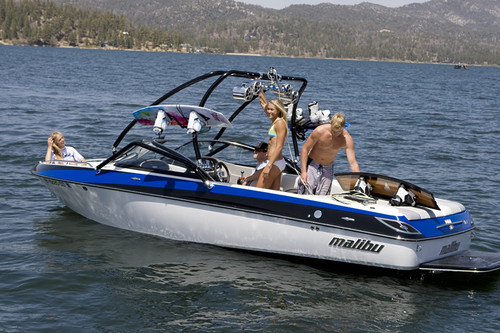
A wakeboard tower is a strong metal frame attached to a boat, usually rising above the main deck. Its main job is to lift the tow point higher than the level of the boat’s stern. Instead of the tow rope pulling straight from the back of the boat, it comes from up high, giving the rider more lift and a better angle for jumps.

36% off Today’s Exclusive Deals
Limited-time Exclusive Deals. Check current discount on Amazon.
Check Price on Amazon As an Amazon Associate I earn from qualifying purchases.Wakeboard towers are usually made from aluminum or stainless steel. These materials are chosen because they are both strong and resistant to water damage. Towers can also support speakers, lights, and racks for boards. However, the key advantage is the higher tow point, which helps wakeboarders perform better tricks and reduces the chances of the rope dragging in the water.
Many people new to wakeboarding are surprised that towers are not standard on every wakeboarding boat. In fact, adding a tower is often a custom upgrade. While towers make the sport more fun and open up new possibilities, they also introduce new safety questions.
How Safe Are Wakeboard Towers? The Core Factors
Safety is not just about the tower itself. It’s about how it’s installed, used, and maintained. Let’s break down the main factors that affect wakeboard tower safety.
1. Material And Build Quality
A wakeboard tower must handle a lot of stress. During sharp turns, jumps, and pulls, the force on the tower can be several hundred pounds. Cheap materials or poor welding can cause cracks or even total failure. High-quality towers are built with thick, marine-grade aluminum or stainless steel, and the welds are carefully checked.
2. Installation Method
Even the best tower is unsafe if installed incorrectly. Towers should be mounted using reinforced plates and high-strength bolts. The pressure must be distributed across strong parts of the boat hull. Some boats need extra support built in.
DIY installations are common, but many experts recommend professional help. Mistakes like over-tightening bolts or poor placement can weaken the boat structure or leave the tower unstable.
3. Usage Practices
Many accidents are caused by misuse. For example, letting too many people climb on a tower, using it to tow tubes (which causes much more force than wakeboarding), or hanging heavy gear from weak spots can all lead to failure. The tower should only be used for its intended purpose.
4. Maintenance
Like any equipment, towers need regular checks. Saltwater use especially can lead to corrosion. Bolts and welds should be checked every season. If you notice movement, creaking, or visible cracks, the tower must be inspected right away.
5. Boat Compatibility
Not every boat is designed to handle a wakeboard tower. Some hulls are too thin, or the layout does not provide enough support. Using a tower on an unsuitable boat is a safety risk.
Key Safety Benefits Of Wakeboard Towers
Many boat owners choose wakeboard towers for more than just performance. When used properly, towers offer specific safety advantages for both riders and those on the boat.
- Higher tow point: Reduces the chance of the rope getting caught in the propeller or dragging in the water, which can cause sudden stops or accidents.
- Reduced rope snapback: Because the rope is pulled from above, it is less likely to whip back dangerously if the rider falls.
- Better visibility: Riders are pulled away from the back of the boat, making it easier for the driver to see them and respond quickly.
- Organized gear: Towers keep boards, ropes, and other gear off the deck, reducing tripping hazards and clutter.
Main Risks Associated With Wakeboard Towers
While wakeboard towers can be safe, they are not risk-free. Understanding potential dangers helps you avoid them.
1. Structural Failure
A tower that breaks or tears out of the boat can cause serious injury. This usually happens when towers are overloaded, installed on weak boats, or not maintained.
2. Injury From Falls
If a rider falls and gets tangled in the rope or hits the tower, injuries can occur. The chance is low, but it’s important to keep the area clear and use proper hand signals.
3. Overloading The Tower
Climbing or hanging from a tower is dangerous. The tower is not meant to hold the weight of several adults. Some people use towers to tow tubes or multiple riders at once, which can triple the force on the tower and lead to collapse.
4. Electrical Hazards
Towers are metal and conduct electricity. Boaters must be careful near power lines, especially when raising or lowering the tower for storage or transport.
5. Poor Visibility
On some boats, towers can block the driver’s view if not positioned well. This is more common with custom or poorly designed towers.
Comparing Wakeboard Tower Safety: Factory Vs. Aftermarket Towers
The source of your wakeboard tower can make a big difference in safety. Here is a direct comparison of factory-installed towers and aftermarket (add-on) towers:
| Feature | Factory-Installed Towers | Aftermarket Towers |
|---|---|---|
| Material Quality | Usually high, marine-grade | Varies widely |
| Fit and Compatibility | Perfect match for boat | May require adjustments |
| Installation | Professional, standardized | DIY or pro, risk of errors |
| Warranty | Often included with boat | May be limited or separate |
| Cost | Included in boat price | Usually cheaper up front |
Factory towers are generally safer because they are designed for a specific boat model. Aftermarket towers can be just as safe, but only if you choose a quality product and install it correctly. Many accidents happen with cheap, universal-fit towers.
How To Make Sure Your Wakeboard Tower Is Safe
Being proactive is the best way to stay safe. Here are steps every boat owner should take:
- Choose the right tower: Pick a tower designed for your boat’s make, model, and year.
- Check certifications: Look for products tested to industry standards (like ABYC or ISO).
- Professional installation: If you are not highly skilled, hire a professional. They have tools to reinforce the hull and know the best mounting points.
- Follow usage guidelines: Never tow anything heavier than recommended. Do not let people climb or swing from the tower.
- Inspect regularly: Check bolts, welds, and the mounting area for cracks or corrosion before every season.
- Store correctly: Lower or remove the tower if storing outdoors or transporting under bridges or power lines.
Many new owners miss that a small crack in the hull or mounting area can grow quickly when under stress. Even if the tower looks fine, hidden damage can make it unsafe after just a few rough sessions.

Real-world Data: How Common Are Wakeboard Tower Accidents?
Accurate data on wakeboard tower accidents is limited, but boat insurance companies and accident reports give some insight. According to the U.S. Coast Guard Boating Accident Report Database, most wakeboarding injuries are caused by falls, not equipment failure. Equipment (including towers) is responsible for less than 2% of reported wakeboarding accidents.
A 2022 industry survey found:
- Only about 1 in 500 wakeboard boats reported a tower-related failure over five years.
- Over 80% of those failures were linked to incorrect installation or overloading, not manufacturing defects.
- Boats with factory towers had a 75% lower risk of tower failure compared to those with aftermarket towers.
These statistics show that, when installed and used properly, wakeboard towers have a strong safety record.
What Beginners Often Overlook About Wakeboard Tower Safety
Many people new to wakeboarding focus on the fun and performance, missing two key safety insights:
- Weight distribution matters: Adding a tower changes the boat’s center of gravity. This can affect how the boat handles at speed, especially in rough water. Sudden turns or stops can be riskier if you are not used to the new balance.
- Legal and insurance requirements: Some regions require safety inspections or special insurance for boats with towers. Failing to comply can void your insurance or lead to fines.
It’s also important to remember that some local lakes or rivers have height restrictions for bridges or overhead wires. If your tower cannot fold or lower easily, you could end up in a dangerous situation.
Wakeboard Tower Accessories: Safety And Hazards
Wakeboard towers often become a platform for extra gear—speakers, lights, bimini tops, and racks. While these can add comfort and fun, they also create new risks.
- Extra weight: Overloading the tower with too many accessories can weaken joints and bolts.
- Electrical wiring: Poorly installed lights or speakers can lead to shorts, shocks, or even fires.
- Obstructed vision: Large speakers or racks can block the driver’s view, increasing the risk of collision.
Always check the manufacturer’s weight limits for your tower. If in doubt, ask a professional before adding new gear.
Kids And Wakeboard Towers: Special Safety Considerations
Families often want children to enjoy wakeboarding, but kids require extra caution:
- Proper life jackets: Make sure children wear U.S. Coast Guard-approved life jackets that fit snugly.
- Lower speeds: Children should be towed at slower speeds to reduce the force on both the child and the tower.
- Supervision: Never let kids climb or hang from the tower, even when the boat is docked.
A little-known tip: Some towers can be fitted with adjustable tow points, allowing for a lower pull when teaching younger or lighter riders. This helps keep the ride safer and reduces strain on the tower.
Wakeboard Tower Safety: Comparing To Other Towing Setups
How does a wakeboard tower compare to traditional tow hooks or pylons? Here’s a side-by-side look:
| Feature | Wakeboard Tower | Tow Hook (Low Mount) | Pylon |
|---|---|---|---|
| Tow Point Height | High (above deck) | Low (at stern) | Medium |
| Rider Lift | Excellent for jumps | Poor, rope drags in water | Good |
| Boat Deck Space | Frees up space | No extra use of space | Uses deck space |
| Risk of Rope Snag | Low | Higher | Medium |
| Installation Complexity | Medium to High | Low | Medium |
| Versatility | Can add accessories | Limited | Some accessories |
This comparison shows that wakeboard towers offer unique safety and performance benefits, but require more attention during setup and use.
What To Check Before Every Ride
To keep every trip safe, do a quick safety check before heading out:
- Tighten all bolts and inspect welds for cracks.
- Make sure the tower is firmly attached, with no wobble.
- Remove any loose gear or heavy items from the tower.
- Check that all electrical accessories work and wires are secure.
- Ensure the tow rope is in good condition with no frays.
- Verify that all riders have approved life jackets.
Doing these checks takes just a few minutes but can prevent accidents and equipment failure.
Wakeboard Tower Safety Standards And Certifications
There is no global legal standard for wakeboard towers, but several organizations set guidelines:
- American Boat and Yacht Council (ABYC): Sets voluntary safety standards for marine products.
- International Organization for Standardization (ISO): Some towers are tested to ISO marine safety standards.
- U.S. Coast Guard: Does not certify towers, but enforces general boating safety.
When shopping, look for towers with certification or clear testing data. Avoid towers with no quality assurance.
Real-world Example: Wakeboard Tower Failure And Lessons Learned
In 2021, a family in Texas installed a budget aftermarket tower themselves. During a sharp turn with two adults sitting on the tower, the mounting bolts ripped out of the hull. The tower collapsed, causing minor injuries and $8,000 in damage.
The main causes were:
- Using a tower not designed for their boat.
- Overloading the tower.
- Skipping reinforcement during installation.
This case highlights the importance of matching the tower to the boat, following weight limits, and reinforcing mounting points.

Insurance And Liability: What You Need To Know
Most boat insurance policies cover wakeboard towers if they are installed properly and used as recommended. However, claims can be denied if:
- The tower was not professionally installed.
- The boat was overloaded or used for activities beyond recommendations.
- The boat owner ignored maintenance or safety checks.
Always notify your insurance company if you add a tower and keep proof of professional installation.
For up-to-date guidelines, the National Marine Manufacturers Association offers detailed safety and installation resources: NMMA.
Frequently Asked Questions
What Is The Maximum Weight A Wakeboard Tower Can Hold?
The weight limit depends on the tower model and boat. Most towers are rated for towing one rider at a time, plus accessories up to 100–200 pounds. Check your tower’s manual for exact limits, and never use it for lifting people or towing heavy inflatables.
Can I Install A Wakeboard Tower Myself, Or Do I Need A Professional?
DIY installation is possible, but professional installation is safer, especially if you lack experience with boat hardware. Pros can reinforce the hull and ensure all bolts and plates are properly placed.
Are Wakeboard Towers Safe For Children And Beginners?
Yes, when used correctly. Always use age-appropriate life jackets, tow at lower speeds, and never let children climb the tower. Adjustable tow points help make learning safer for kids.
What Should I Do If I Hear Creaking Or See Movement In My Wakeboard Tower?
Stop using the tower immediately. Inspect all bolts, welds, and mounting points for cracks or corrosion. If you find damage, consult a marine professional before using the tower again.
Are There Any Legal Restrictions On Wakeboard Towers?
Some waterways have height limits or require extra safety gear for boats with towers. Check local laws before installing or using a tower, especially if boating under bridges or near power lines.
Wakeboard towers can be a game-changer for water sports, making riding more fun and safer—if you choose wisely, install correctly, and maintain them well. While no piece of equipment is without risk, following best practices and respecting limits will let you enjoy your time on the water with peace of mind.

