

If you enjoy water sports like wakeboarding or water skiing, you’ve probably noticed some boats have a tall metal frame, while others use a single pole at the back. These are not just random accessories. They are called wakeboard towers and ski pylons. Both help riders get up on the water, perform tricks, and have a safer, more enjoyable experience. But while their goals are similar, they look and work very differently. If you’re thinking of upgrading your boat or just want to understand the difference, it’s important to know how each option affects performance, safety, and fun on the water.
Let’s break down what makes a wakeboard tower and a ski pylon unique, compare their pros and cons, and help you choose the best setup for your favorite water sport.

36% off Today’s Exclusive Deals
Limited-time Exclusive Deals. Check current discount on Amazon.
Check Price on Amazon As an Amazon Associate I earn from qualifying purchases.What Is A Wakeboard Tower?
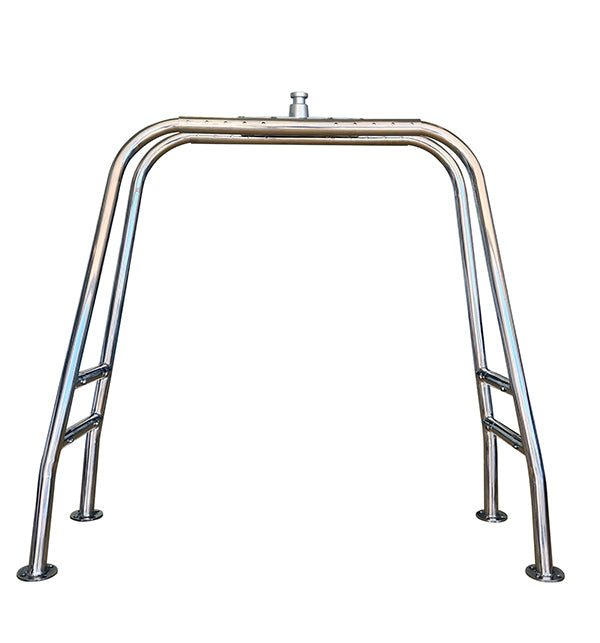
A wakeboard tower is a strong, usually aluminum, frame that mounts to the deck or hull of a boat. It rises above the boat’s main level, often in an arch shape, and provides an elevated point to attach a tow rope. This design is not just for looks; it changes the way wakeboarders ride.
Key Features
- Height: Towers are typically 6 to 7 feet above the boat’s floor, much higher than traditional tow points.
- Material: Most are made from polished or coated aluminum, making them lightweight but very strong.
- Mounting: Towers bolt to the boat’s sides or deck, spreading the force across a wider area for stability.
- Accessories: Many towers support speakers, wakeboard racks, lights, and even bimini tops for shade.
Main Purpose
The main reason for a wakeboard tower is to give the rider a higher tow point. This changes the rope’s angle, helping riders get more lift off the wake and stay in the air longer. It also reduces the downward pull, making it easier to stand up and perform tricks.
What Is A Ski Pylon?
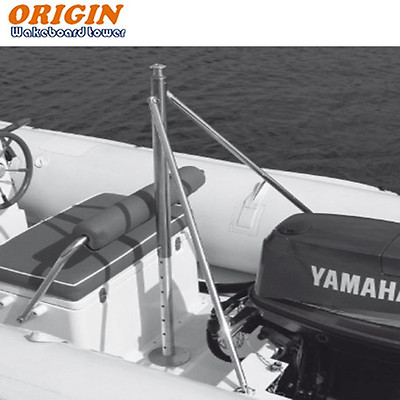
A ski pylon is a single, upright metal pole that mounts near the back of the boat, usually close to the engine or transom. It’s much simpler than a tower but still important for pulling skiers.
Key Features
- Height: Ski pylons are usually 3 to 4 feet tall, rising just above the engine cover or rear seat.
- Material: Made from stainless steel or aluminum, they are built to handle strong pulling forces.
- Mounting: They are either fixed (bolted in place) or removable (can be taken out after use). Some boats have factory-installed pylons; others use aftermarket versions.
- Accessories: Typically just the tow point; some may have a small ring or hook.
Main Purpose
The ski pylon’s job is to provide a centered, stable pull point for waterskiers. It keeps the rope above the engine and away from the propeller, while keeping the pull low for easier deep-water starts and smooth turns.
Comparing Wakeboard Towers And Ski Pylons
To understand the differences, let’s look at how each setup affects the sport, the boat, and the riders.
| Feature | Wakeboard Tower | Ski Pylon |
|---|---|---|
| Mounting Position | Bolted to boat sides/deck | Mounted near engine/transom |
| Height | 6-7 feet above deck | 3-4 feet above deck |
| Rope Angle | Upward, creates more lift | Low, parallel to water |
| Accessories | Speakers, racks, lights, shade | Usually none |
| Best For | Wakeboarding, wakesurfing, kneeboarding | Waterskiing, slalom skiing, tubing |
How Each Changes The Pull And Rider Experience
Rope Height And Pull Direction
The main difference comes from rope height. Wakeboard towers pull the rope much higher, around 6–7 feet. This lets riders jump higher, perform flips, and land more softly. Because the rope pulls up, it helps the rider get more air and makes tricks easier.
Ski pylons keep the pull close to the boat’s surface, around 3–4 feet. This makes it easier for water skiers to get up quickly, especially from deep water. The lower pull keeps the skier’s body low and stable, which helps with fast turns and slalom courses.
Impact On Tricks And Performance
Wakeboarders rely on a tower’s upward pull to launch off the wake, spin, and flip. The extra height gives more time in the air. Skiers, however, don’t need extra air; they want a smooth, steady pull. High pulls can actually make waterskiing harder, since the skier might get pulled too far out of the water.
Boat Handling And Stability
Adding a tower changes how the boat handles. Towers can catch wind, especially at high speeds or in rough conditions. This can affect balance and fuel use. Ski pylons are more compact and don’t catch wind, so they have less impact on the boat’s movement.
Pros And Cons: Wakeboard Tower
Advantages
- Higher Tow Point: Makes it easier to get up, do jumps, and perform advanced tricks.
- Accessory Mounting: Racks keep boards organized; speakers and lights add fun.
- Boat Value: Can make your boat look modern and boost resale value.
- Comfort: Bimini tops can attach to towers for sun protection.
Disadvantages
- Cost: Towers can be expensive, from $1,000 to over $4,000 (including installation).
- Installation: Needs careful mounting; incorrect installation can damage your boat.
- Wind Drag: Adds height and surface area, so can affect boat handling and fuel use.
- Storage Issues: Some towers don’t fold, making it harder to store boats in garages or under covers.
Pros And Cons: Ski Pylon
Advantages
- Simple Design: Easy to install, remove, and use.
- Low Cost: Basic pylons can cost $200–$600, much less than towers.
- No Drag: Minimal effect on boat performance or storage.
- Ideal for Skiing: Low pull makes deep-water starts and tight turns easier.
Disadvantages
- Limited Use: Not ideal for wakeboarding or advanced tricks.
- Few Accessories: No place for racks, speakers, or shade.
- Strength Limits: May not handle the force of multiple riders or heavy wakeboarders.
- Placement: Some boats do not have space or mounts for a pylon.
Which Should You Choose?
Choosing between a wakeboard tower and a ski pylon depends on your main activities, your boat, and your budget.
When To Choose A Wakeboard Tower
- You love wakeboarding, wakesurfing, or kneeboarding
- You want to add accessories or storage for boards
- Your boat can support the tower’s weight and mounting
- You want the look and resale value of a tower
When To Choose A Ski Pylon
- You mostly waterski (slalom, trick, or combo skiing)
- Your boat is smaller, older, or not designed for towers
- You want a simple, low-cost setup
- You need to remove the tow point after use
Can You Have Both?
Some boats do allow both a tower and a removable ski pylon. However, most people choose one to match their favorite sport. Using the wrong setup can make water sports harder or even unsafe. For example, using a ski pylon for wakeboarding may limit tricks and risk damaging the pylon.
Using a tower for slalom skiing can create awkward rope angles and hurt performance.
Real-world Examples
Let’s look at two families who enjoy water sports but have different needs.
Family A: They love wakeboarding and have a 21-foot runabout. They install a wakeboard tower with racks and speakers. Their teens use the high tow point to do jumps and spins. Friends bring their own boards, which fit easily in the racks. The family enjoys music from tower speakers and shade from the bimini.
Family B: Their focus is waterskiing. They have a 17-foot outboard with limited deck space. They use a removable ski pylon, which is easy to install and remove. The low tow point helps with deep-water starts. After skiing, they take out the pylon to free up space for fishing or cruising.
These examples show how the right equipment can make a big difference in safety, comfort, and fun.
Installation And Boat Compatibility
Wakeboard Towers
- Need strong mounting points on the sides or deck
- Usually require professional installation
- Some models fold down, but check for garage clearance
- Not all boats can handle the stress—check with the manufacturer
Ski Pylons
- Many are designed for specific boat models
- Some clamp onto the engine or bolt through the deck
- Easy to remove for storage
- Good for outboards and inboards alike
If your boat is older or not designed for towers, it’s safer to use a ski pylon or stick with the factory tow eye.
Safety Differences
Safety is key in water sports. The right tow point helps avoid accidents and injuries.
Wakeboard Tower Safety
- Must be installed correctly, or the tower can loosen or break
- Only use towers rated for your boat size and rider weight
- Attach ropes to the correct point (never to racks or speakers)
- Check bolts and fittings regularly for signs of wear
Ski Pylon Safety
- Make sure the pylon is rated for your boat and intended use
- Avoid using with too many riders or heavy wakeboarders
- Check for secure mounting before each use
- Remove when not in use to avoid tripping hazards
If you are unsure, ask a professional to inspect your equipment before towing anyone.
Cost Differences
Here’s a quick comparison of costs and what you get for your money:
| Item | Wakeboard Tower | Ski Pylon |
|---|---|---|
| Price Range | $1,000 – $4,000+ | $200 – $600 |
| Installation | Professional recommended ($300+) | DIY possible; often included |
| Accessories | Racks, speakers, bimini top | Usually none |
| Resale Value | Can add value | No major impact |
For many beginners, the price is a major factor. It’s better to invest in the right equipment for your main sport rather than spending extra on features you won’t use.
Key Differences Summarized
- Wakeboard towers offer a high tow point, support accessories, and are best for wakeboarding and similar sports.
- Ski pylons give a low, central pull, are simple and affordable, and are ideal for waterskiing.
- Towers change the way your boat looks, stores, and handles. Pylons keep things simple.
- Choose based on your main activity, budget, and boat compatibility.
Two Insights Beginners Often Miss
- A high tow point does not help all sports. Many beginners think a tower is always better, but for slalom skiing or tubing, it can make things harder or less safe. The right pull height is sport-specific.
- Installation matters as much as equipment quality. A top-quality tower or pylon is only safe if mounted correctly. Improper installation is a leading cause of failures and accidents on the water.
Practical Tips For Making The Right Choice
- Ask yourself what you’ll do most often: If you split time between skiing and wakeboarding, some boats allow both. But don’t force a tower onto a boat that isn’t designed for it.
- Check your boat’s manual: Manufacturers often list which setups are safe.
- Consider who will use the boat: Kids learning to ski may do best with a pylon. Advanced wakeboarders need a tower.
- Think about storage: Make sure your boat fits in your garage or under a cover with the tower installed.
- Prioritize safety: Always use equipment rated for your boat size and weight.
Where To Learn More
For even more details on equipment, safety, and tips, check out the official guides at the USA Water Ski & Wake Sports Foundation. They offer resources for all skill levels and boat types.
Frequently Asked Questions
What Is The Main Advantage Of A Wakeboard Tower Over A Ski Pylon?
A wakeboard tower gives a higher tow point, which helps riders get more air, do bigger tricks, and makes standing up easier for beginners. It also allows for extra accessories like board racks and speakers.
Can I Use A Ski Pylon For Wakeboarding?
You can use a ski pylon for wakeboarding, but you won’t get the same lift or trick potential as with a tower. The lower rope angle limits jumps and can put more stress on the pylon, especially with heavier riders or aggressive tricks.
Do Wakeboard Towers Fit All Boats?
Not every boat can handle a tower. Your boat needs strong mounting points and enough width. Some older or small boats may not be suitable, so always check with the manufacturer or a marine professional before installing a tower.
How Do I Know If My Boat Needs A Tower Or Pylon?
Think about your main activity. For wakeboarding or wakesurfing, a tower is better. For waterskiing or tubing, a pylon is usually the best choice. If you do both, some boats allow you to install both options, but always use the right tool for your main sport.
Are Wakeboard Towers Safe For Towing Tubes?
It’s not recommended to tow tubes from a wakeboard tower. The force from tubing can be much higher than wakeboarding, which could damage the tower or boat. Always use the manufacturer-recommended tow point for tubing.
Choosing between a wakeboard tower and a ski pylon isn’t just about looks or price. It’s about matching your equipment to your favorite water activity, staying safe, and getting the most fun out of every day on the water. Make your decision based on your needs, and you’ll enjoy smoother rides, safer starts, and more smiles from everyone on board.

