

Ski pylons might look simple, but they play a critical role when you’re towing skiers, wakeboarders, or tubers behind a boat. Many boat owners ask, “How much weight can a ski pylon hold? ” Understanding this is vital—not just for fun, but for safety.
If you overload your ski pylon, you could damage your boat, break equipment, or even cause accidents. This article explains the real-world weight limits for ski pylons, why these limits matter, and what factors you must check before towing. You’ll find practical advice, non-obvious insights, and answers to questions most beginners never think to ask.

36% off Today’s Exclusive Deals
Limited-time Exclusive Deals. Check current discount on Amazon.
Check Price on Amazon As an Amazon Associate I earn from qualifying purchases.Whether you’re a new boat owner or upgrading your setup, you’ll know how to make safe, confident choices.
What Is A Ski Pylon?
A ski pylon is a strong metal pole, usually made from stainless steel or aluminum, that mounts to your boat. Its main purpose is to provide a high, stable anchor point for a tow rope when pulling water skiers, wakeboarders, or inflatable tubes. By raising the tow point above the boat deck, ski pylons help keep the rope out of the water, reduce drag, and give the rider a smoother pull.
You’ll often see them on ski boats, wakeboard boats, and even some pontoons. They come in fixed, removable, and telescoping designs. Most are installed near the boat’s stern (back), sometimes between the engine and the back seats. Some boats come with a ski pylon as standard, while others need an aftermarket add-on.
Why Ski Pylon Weight Limits Matter
Many beginners think a ski pylon just has to be “strong enough” to pull a person. The reality is more complex. The weight capacity of a ski pylon is not just about the skier’s body weight. It involves forces like water resistance, sudden pulls, and even the speed of the boat. If you overload the pylon, you risk:
- Bending or snapping the pylon
- Ripping the pylon out of the boat floor
- Damaging the boat’s structure
- Injuring the skier, passengers, or bystanders
When you know the safe weight limit for your ski pylon, you can avoid these dangers and protect your investment.
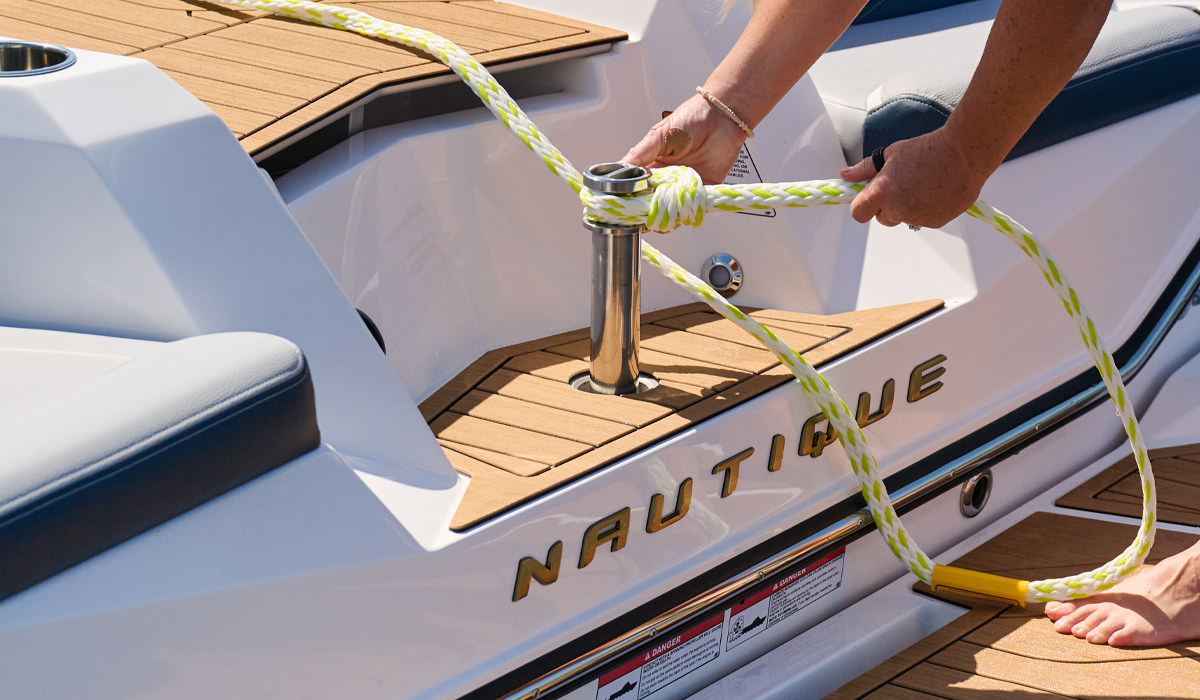
How Much Weight Can A Ski Pylon Hold? The Real Numbers
Most standard ski pylons are rated to hold between 500 and 1,200 pounds of “pulling force.” But what does that mean in practice?
| Ski Pylon Type | Typical Weight Capacity (Pulling Force) |
|---|---|
| Basic/Entry-Level | 500–700 lbs |
| Mid-Range | 800–1,000 lbs |
| Heavy-Duty/Professional | 1,200 lbs or more |
Pulling force is NOT the same as the skier’s body weight. It’s the force applied to the pylon when the skier accelerates, turns, or hits a wake. For example, a 180-pound adult can easily generate over 500 pounds of pulling force during a hard turn or jump.
Example: Understanding Pulling Forces
Imagine pulling a 150-pound skier at 25 mph. When the skier makes a sharp turn, water resistance increases. In that instant, the rope may experience a pulling force of 600 pounds or more—even though the skier doesn’t weigh nearly that much.
How Manufacturers Rate Pylons
Ski pylon makers test their products for maximum static load (how much weight the pylon can hold without moving) and maximum dynamic load (how much force it can handle during real-world use). Always check the manufacturer’s documentation for your specific model.
Factors That Affect Ski Pylon Weight Capacity
The rated weight is only part of the story. Several factors can raise or lower the true safe limit for your ski pylon.
1. Pylon Material And Construction
- Stainless steel pylons are usually stronger and more corrosion-resistant than aluminum, but they can cost more.
- Weld quality and mounting brackets affect real strength. Weak welds or poor mounting hardware can fail under stress, even if the main pole is strong.
2. Mounting Location And Boat Structure
- A ski pylon mounted on a reinforced deck or over a cross-member will handle more force than one mounted on thin fiberglass.
- Some boats are not designed for pylons. Mounting a high-capacity pylon on a weak deck is dangerous.
3. Type Of Activity
- Slalom skiing and wakeboarding generate higher pulling forces than tubing or kneeboarding. Aggressive riders put more stress on the pylon.
- Pulling multiple riders at once increases total force.
4. Rope Angle And Length
- A longer rope or a sharper angle increases leverage, which multiplies force on the pylon.
- Keep the rope as short as practical for your activity to reduce stress.
5. Boat Speed
- Higher speeds mean more water resistance for the skier, which increases the pulling force on the pylon.
- Sudden acceleration or deceleration (like a skier falling) creates sharp spikes in force.
6. Pylon Height
- A taller pylon gives better clearance but increases leverage on the mounting point, which can reduce safe weight limits.
Common Ski Pylon Types And Their Limits
Not all pylons are the same. Here’s a closer look at the main types and their usual weight capacities.
| Pylon Type | Pros | Cons | Usual Weight Limit |
|---|---|---|---|
| Fixed | Stable, strong, often factory-installed | Limited height, can’t remove | 800–1,200 lbs |
| Removable/Adjustable | Flexible, can store when not in use | May have lower strength if not installed well | 500–900 lbs |
| Telescoping | Variable height, easy to adjust | More moving parts, needs strong locks | 600–1,000 lbs |
| Aftermarket Universal | Can fit many boats, lower cost | Usually lower capacity, may not fit perfectly | 500–800 lbs |
Real-world Examples: Popular Pylons And Their Ratings
To make this practical, here are real ratings from popular ski pylon brands:
- Monster Tower Ski Tow Bar (universal, removable): Rated for up to 600 lbs pulling force.
- Barefoot International Pro Ski Pylon (pro-grade, fixed): Rated for 1,200 lbs.
- T-H Marine Adjustable Pylon (pontoon, adjustable): 700 lbs max.
Always double-check the specs for your exact model, as changes in design or installation can affect limits.
How To Calculate Safe Towing Weight
You don’t need to be an engineer, but you should know how to estimate safe limits.
Step 1: Find Your Pylon’s Rated Capacity
Look for the maximum pulling force in the manual or on the manufacturer’s website.
Step 2: Estimate Pulling Force Per Rider
- Average adult water skier: 400–600 lbs pulling force in action
- Wakeboarder (aggressive): 600–900 lbs
- Tubing (one adult): 300–500 lbs
For multiple riders, add the forces together.
Step 3: Add A Safety Margin
Never push your pylon to the exact limit. Allow at least a 20–30% safety margin. For example, if your pylon is rated for 800 lbs, don’t exceed 650 lbs total pulling force.
Example Calculation
If your pylon is rated for 900 lbs, you should not tow two aggressive wakeboarders (who may generate 600 lbs each). Even if their total weight is under 300 lbs, the combined force is over the safe limit.
Non-obvious Insights Beginners Miss
Many first-time boaters don’t realize two important things:
1. Dynamic Loads Matter Most
The force on the pylon is not constant. When a skier “cuts” hard or falls, the rope can snap tight and briefly create forces much higher than the skier’s weight or even the stated pylon limit. This is why you should always stay well below the max rating.
2. Boat Structure Is a Weak Point
Even if your pylon is strong, the part of the boat it’s bolted to might not be. A fiberglass deck or thin aluminum floor can rip out under stress. Reinforcing the mounting area is often more important than picking a stronger pylon.
How To Install A Ski Pylon Safely
Proper installation is as important as buying the right pylon. Here’s a typical process:
- Choose a solid mounting spot—preferably over a cross-member or reinforced area.
- Follow the manufacturer’s instructions for drilling, bolting, and bracing.
- Use marine-grade hardware (stainless steel bolts and washers).
- Add backing plates under the deck if needed, to spread the force over a larger area.
- Tighten all bolts securely, but don’t overtighten and crush the deck.
- Check the pylon for movement or looseness before every outing.
If you’re not experienced with boat hardware, consider professional installation. One missed step can lead to failure.
Signs Your Ski Pylon Is Overloaded
How do you know if you’re pushing your pylon too hard? Watch for these warning signs:
- Movement or wobble at the base after towing
- Cracks or stress marks in the deck, gelcoat, or mounting area
- Bent or deformed pylon (even slightly)
- Strange noises (creaking, popping) during use
If you notice any of these, stop towing immediately and inspect your setup.
What To Do If You Need More Capacity
If your current ski pylon isn’t strong enough for your needs:
- Upgrade to a higher-rated pylon from a trusted brand
- Reinforce the mounting area with extra backing plates or by adding structure
- Consider a tower (wakeboard towers can handle higher forces, often 1,500 lbs or more)
- Limit to single riders or less aggressive activities
Never try to “make do” by using a weak or damaged pylon for heavy towing.
Comparing Ski Pylons And Wakeboard Towers
Some boaters wonder if they should use a wakeboard tower instead of a ski pylon. Towers are larger, mount to the sides of the boat, and offer high mounting points for tow ropes.
| Feature | Ski Pylon | Wakeboard Tower |
|---|---|---|
| Typical Weight Limit | 500–1,200 lbs | 1,200–1,800 lbs |
| Mounting Location | Deck/stern | Sides of boat |
| Best For | Slalom, tubing, basic wakeboarding | Wakeboarding, wakesurfing, advanced tricks |
| Installation Difficulty | Medium | High |
| Cost | Lower ($200–$600) | Higher ($800–$3,000) |
For most family skiing or tubing, a ski pylon is enough. For advanced wakeboarding or frequent multiple riders, a tower may be safer.
Safety Tips For Using Ski Pylons
- Inspect your pylon and mounting hardware before every trip.
- Never exceed the rated capacity, even for “just one pull.”
- Use a tow rope rated for more than your pylon’s limit.
- Don’t pull more than one tube or more riders than recommended.
- Make sure all passengers stay clear of the tow line in case it snaps back.
- Replace any damaged parts—bent pylons or worn mounts are not safe.
Legal And Insurance Considerations
Some states or countries have laws about towing from a ski pylon, including limits on the number of riders, required spotters, or equipment standards. Check local regulations before towing.
Also, if you overload your pylon and cause an accident, insurance may not cover the damage. Always follow manufacturer recommendations and keep proof of safe installation.
When To Replace Your Ski Pylon
Ski pylons are tough, but not indestructible. Replace your pylon if you see:
- Cracks, bends, or corrosion
- Loose mounting bolts that won’t tighten
- Visible damage after a hard pull or accident
Don’t try to repair a badly damaged pylon—replacing it is the only safe option.
Frequently Asked Questions
How Do I Know My Boat Can Handle A Ski Pylon?
Check your boat’s owner’s manual or contact the manufacturer. Look for boats designed for skiing or wakeboarding, which usually have reinforced decks. If your boat isn’t designed for a pylon, you may need to add extra support or choose a different towing method.
Can I Pull A Tube From A Ski Pylon?
Yes, most ski pylons can pull a single tube with one or two riders, as long as you stay within the rated capacity. However, tubes can create unpredictable forces, especially when swinging out wide. Always check the pylon’s limit and use a rope rated for tubing.
Is It Safe To Tow Two Skiers At Once?
Only if your pylon and boat are rated for the combined pulling force. Two adult skiers can create over 1,200 lbs of force in action. Most standard pylons are not rated for this—use a tower or limit to one skier.
Do I Need To Use A Special Rope With My Ski Pylon?
Yes, use a water ski rope or wakeboard rope that matches the activity and has a higher breaking strength than your pylon’s limit. Never use nylon or hardware store rope—it’s not designed for towing.
Where Can I Find More Detailed Specs For My Ski Pylon?
Check the manufacturer’s website, your boat’s owner’s manual, or trusted boating resources like West Marine. Always use official data to make safety decisions.
A ski pylon is a fantastic tool for water sports, but knowing its real weight limit is the key to both fun and safety. Remember, it’s not just about the rider’s weight—pulling forces can be much higher during normal use.
Always check your pylon’s rating, consider your boat’s structure, and allow a wide safety margin. With the right setup and knowledge, you’ll enjoy years of safe, thrilling action on the water.

