

Many boat owners love the thrill and fun that comes with watersports like wakeboarding, tubing, and skiing. One essential tool for these activities is the ski pylon—a tall, strong post mounted on the boat, designed to lift the tow rope and offer a better pulling angle for the rider. But as you consider adding or using a ski pylon, an important question often arises: Can a ski pylon damage a boat? The answer isn’t just a simple yes or no. The risk depends on many factors, such as the boat’s design, the quality of installation, and how the ski pylon is used. Understanding these aspects is vital for protecting your boat and ensuring a safe, enjoyable experience on the water.
This article will break down the risks, technical details, installation tips, real-world examples, and maintenance advice you need to know before adding or using a ski pylon. We’ll also look at the differences between pylons and other towing options, and answer common questions to give you a complete, practical guide.

36% off Today’s Exclusive Deals
Limited-time Exclusive Deals. Check current discount on Amazon.
Check Price on Amazon As an Amazon Associate I earn from qualifying purchases.What Is A Ski Pylon And How Does It Work?
A ski pylon is a vertical post, usually made from stainless steel or aluminum, that is mounted on a boat. Its main purpose is to lift the tow rope above the engine, transom, or deck, making watersports smoother and safer. Raising the rope helps reduce spray, prevents the rope from dragging in the water, and gives the rider better lift, which is especially important for activities like wakeboarding and water skiing.
Ski pylons come in various heights and designs. Some are fixed, while others are removable or telescoping. The base of the pylon is typically attached to the boat’s hull or deck, sometimes with additional support braces. The strength and positioning of these mounting points are critical for both safety and protecting your boat.
Can A Ski Pylon Really Damage Your Boat?
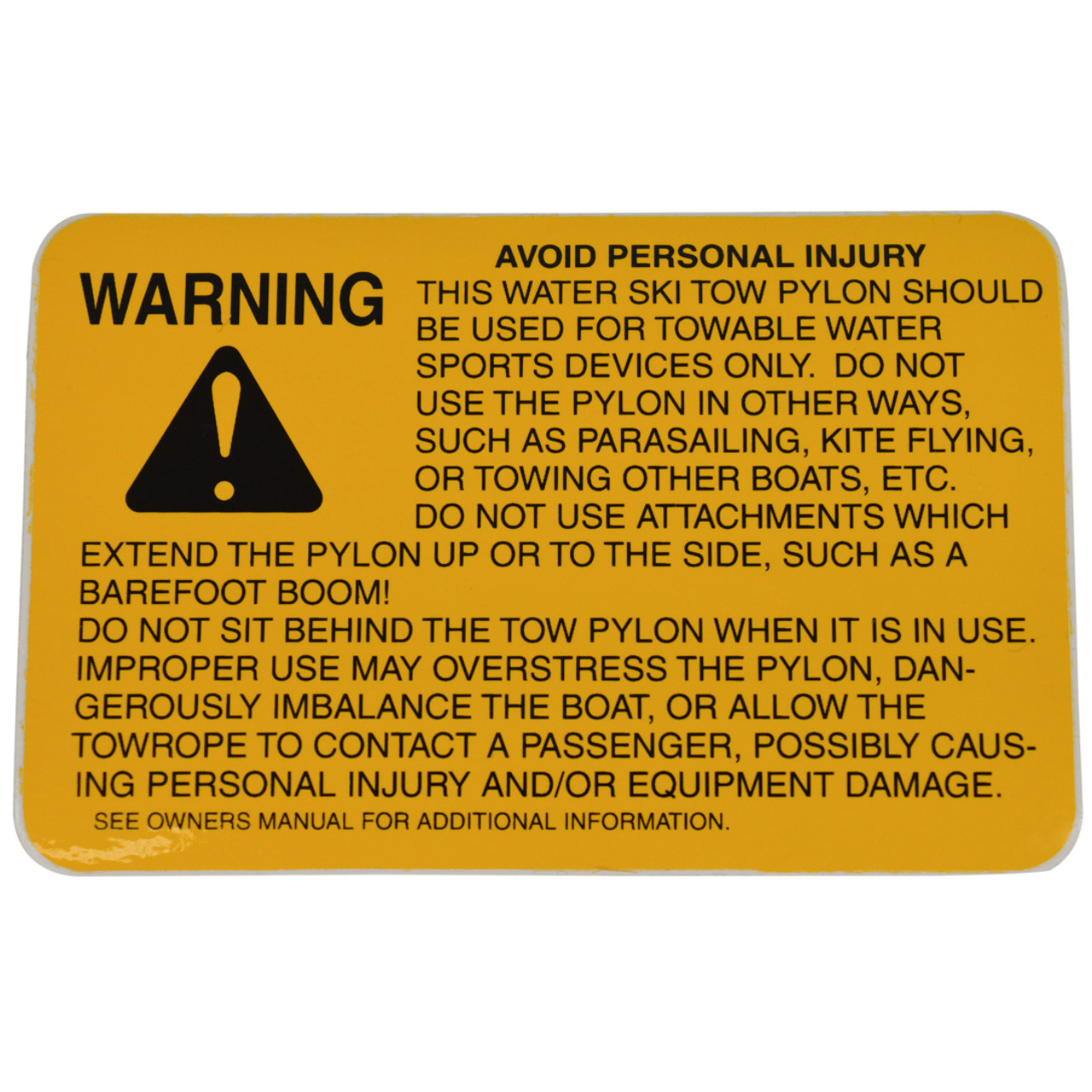
The risk of damage is real—but not guaranteed. A ski pylon, when properly installed and used within its limits, is generally safe for both the boat and rider. Problems usually come from poor installation, exceeding weight or force limits, or using a pylon on a boat that isn’t designed for it.
Common Ways Damage Happens
- Hull Cracks or Stress Fractures: If the pylon mounting points are weak or the hull isn’t reinforced, the pulling force can cause cracks or break the fiberglass or aluminum.
- Deck Separation: Heavy loads can cause the deck to separate from the hull, especially in boats with lightweight construction.
- Loose Hardware: Vibration and repeated use can loosen bolts or screws, making the mount unstable and creating leaks.
- Internal Damage: In some cases, the force is transferred inside the boat, damaging stringers, bulkheads, or other structural parts.
- Gelcoat Cracks: Even if the hull doesn’t break, surface cracks in the gelcoat (protective outer layer) can appear around the base.
Factors That Influence The Risk
- Boat Design: Some boats are built for watersports and have reinforced mounting points. Others, like lightweight fishing boats, may not be suitable for pylons.
- Installation Quality: Professional installation with strong backing plates and proper hardware is much safer than a DIY job with simple screws.
- Pylon Size and Material: Heavier or taller pylons put more force on the boat.
- Load Applied: Towing large tubes or multiple riders increases stress.
- Boat Age and Condition: Older boats with weakened materials are more at risk.
How Much Force Does A Ski Pylon Withstand?
To understand the risk, it’s helpful to know the forces involved. When you tow a skier, wakeboarder, or tube, the load on the pylon can range from a few hundred pounds to over a thousand pounds. The force changes based on the rider’s weight, speed, and direction.
Example Force Comparison
| Watersport Activity | Typical Pull Force (lbs) | Maximum Sudden Load (lbs) |
|---|---|---|
| Single Skier | 150–300 | 500–700 |
| Wakeboarder | 200–400 | 600–900 |
| Two-Person Tube | 400–600 | 900–1200 |
| Three-Person Tube | 500–800 | 1200–1600 |
Most ski pylons are rated for a maximum load—often around 1,000 to 1,500 pounds. Using the pylon above this limit, even for a moment, can damage both the pylon and the boat.
Key Differences: Ski Pylon Vs. Tow Bar Vs. Tow Point
It’s easy to confuse a ski pylon with other towing systems, but each has its own advantages and risks.
| Feature | Ski Pylon | Tow Bar | Tow Point (Transom/Eye) |
|---|---|---|---|
| Mounting Height | High (24–50 in.) | Mid (12–30 in.) | Low (at deck/transom) |
| Pull Angle | Upward | Mostly backward | Flat/backward |
| Boat Reinforcement Needed | Yes | Yes (less) | Rarely |
| Watersports Supported | Ski, wakeboard, some tubes | Ski, tube (light use) | Tube, light ski |
| Risk of Boat Damage | Medium–high if misused | Medium | Low |
A ski pylon offers better performance for watersports but puts more stress on the boat. Tow bars and transom eyes are safer for towing tubes, but don’t work as well for skiing or wakeboarding.
Signs Of Ski Pylon-related Damage
Spotting problems early can save you from major repairs. Here are warning signs to watch for if you use a ski pylon:
- Cracks around the base: Small cracks in the fiberglass or gelcoat near the mounting area.
- Loose or wobbling pylon: The pylon should not move when you pull on it.
- Water leaks: Moisture appearing around the mount, especially after watersports.
- Strange noises: Creaking, popping, or groaning sounds when towing.
- Soft spots in deck: The floor around the base feels spongy or flexible.
If you notice any of these, stop using the pylon and have the area inspected by a marine professional.
Real-world Examples: When Damage Happens
Let’s look at a few real examples to understand how ski pylons can damage boats:
1. Case 1: Underbuilt Deck
A family installed a universal ski pylon on their 17-foot runabout. After a summer of towing two-person tubes, they found cracks in the deck and water leaking into the hull. The deck wasn’t reinforced to handle the repeated stress.
2. Case 2: Overloading The Pylon
A group tried pulling three adult riders on a tube using a pylon rated for 1,000 lbs. The base ripped out of the fiberglass during a sharp turn, causing expensive structural damage.
3. Case 3: Poor Installation
A boater used only wood screws to mount a pylon, skipping backing plates. After a season, the screws pulled out, leaving holes and water damage in the transom.
These stories show that the problem isn’t the pylon itself, but how it’s installed and used.

How To Install A Ski Pylon Safely
Proper installation is the best way to avoid damage. Here’s how to do it right:
1. Choose The Right Pylon:
Buy a pylon designed for your boat’s make, model, and size. Universal pylons often don’t fit as securely as custom models.
2. Use Backing Plates:
Backing plates (metal or thick composite panels) spread the load over a larger area, reducing the risk of cracks or pull-through.
3. Bolt, Don’t Screw:
Use through-bolts and locknuts, never just screws, to secure the base. Screws can pull out under load.
4. Seal All Holes:
Use marine-grade sealant on every bolt hole to prevent water leaks.
5. Follow Manufacturer Instructions:
Every boat and pylon combination is different. Always read and follow the specific instructions.
6. Consider Professional Installation:
If you’re not experienced, have a marine shop do the work. They can reinforce the deck or hull as needed.
A Typical Installation Process
- Mark the mounting location, ensuring it’s on a flat, strong surface.
- Drill holes and fit the base, double-checking alignment.
- Place backing plates under the deck or inside the hull.
- Insert bolts through the base, deck, and plates, then tighten with locknuts.
- Attach side support braces if required.
- Check for movement—there should be none.
- Test with a gentle pull before towing.
Maintenance Tips To Prevent Damage
Even after a proper installation, regular checks are needed:
- Inspect before each use: Look for cracks, movement, or rust.
- Tighten bolts: Vibration can loosen hardware over time.
- Check for leaks: Water around the base means the seal might be broken.
- Clean and lubricate: Prevent corrosion on metal parts.
- Remove for storage: If your pylon is removable, take it off when not needed to reduce stress.

When Should You Avoid Using A Ski Pylon?
Some situations make using a ski pylon risky:
- Old or Weak Boats: If your boat is over 15 years old or has soft spots or previous repairs near the mounting area, it might not handle the stress.
- Lightweight or Small Boats: Boats under 16 feet or with thin hulls/decks often lack proper reinforcement.
- Heavy Loads: Never tow more than the pylon’s (and boat’s) rated capacity. Avoid multiple tubes or more than two adult riders.
- Unproven DIY Installs: If you’re not sure about the mounting strength, don’t risk it.
If in doubt, consult your boat manufacturer or a marine engineer.
Alternatives To Ski Pylons
If your boat isn’t suitable for a ski pylon, consider these options:
1. Transom Tow Eye:
Most boats have a steel eye on the back for towing. It’s strong but the rope stays low, which isn’t ideal for skiing.
2. Tow Bar:
A horizontal bar mounted at the stern. Safer than a pylon for tubes, but not as good for wakeboarding or skiing.
3. Tow Harness:
A Y-shaped rope that clips to two stern eyes, spreading the load. Good for tubes on boats without tow bars.
4. Wake Tower:
A tall frame mounted to the sides of the boat. Expensive, but offers a high tow point and is designed for heavy loads.
Each option has its own pros and cons. The key is to match the towing system to your boat’s structure and the activities you want.
Insurance And Warranty Concerns
Many boat owners forget to check the insurance and warranty implications of adding or using a ski pylon. Some boat warranties are voided if you install aftermarket accessories like pylons, especially if not installed by a certified dealer. Similarly, some insurance policies might not cover damage caused by towing watersports or by overloaded pylons.
It’s smart to:
- Read your boat’s warranty terms before making modifications.
- Ask your insurance provider if towing with a ski pylon is covered.
- Keep installation receipts and photos in case you need to make a claim.
Comparing Costs: Damage Vs. Prevention
Repairing ski pylon-related damage can be expensive. Fixing hull cracks or deck separation often costs $1,000–$5,000 or more, depending on the severity. In contrast, professional installation of a ski pylon with proper reinforcement usually costs $500–$1,500.
Here’s a quick cost comparison:
| Issue | DIY Repair Cost | Professional Repair Cost | Prevention (Pro Install) |
|---|---|---|---|
| Hull Crack | $500–$1,200 | $1,000–$3,000 | $800–$1,500 |
| Deck Separation | $800–$2,000 | $2,000–$5,000 | $1,000–$1,800 |
| Leaking Mount | $100–$300 | $300–$700 | $500–$1,000 |
Spending a bit more on proper installation is almost always cheaper than fixing serious damage later.
Two Non-obvious Insights Most Beginners Miss
1. The Real Weak Point Is Often Hidden
Most new boaters focus on the pylon itself, but the real weak point is usually the structure under the deck or inside the hull. Even if the pylon looks strong, the area it’s bolted to might not be reinforced. The stress travels to the weakest part—often hidden from view. Always check with your boat’s manufacturer or a marine surveyor to confirm if your boat can handle a pylon.
2. Tow Rope Angle Matters
Many users think “higher is better” for all watersports, but a rope that’s too high can actually increase the risk of flipping the boat, especially on small or light models. The tow rope angle changes the way force is applied and can lift the stern or destabilize the boat during sharp turns. Choose a pylon height that matches your boat and sport, not just the tallest available.
Expert Advice: How To Minimize Risk
If you decide a ski pylon is right for your boat, follow these expert tips:
- Never exceed the rated load for both the pylon and boat.
- Check mounting hardware regularly—tighten and inspect for corrosion.
- Don’t tow large multi-person tubes from a pylon unless specifically rated for it.
- Use the right rope—choose a rope with the correct strength and avoid knots or damage.
- Educate your crew on proper towing and emergency stop procedures.
One excellent resource for safe boating and watersports is the U.S. Coast Guard’s boating safety website, which offers detailed guides and safety checklists: USCG Boating Safety.
Frequently Asked Questions
Can I Install A Ski Pylon On Any Boat?
Not every boat is suitable for a ski pylon. Boats with strong, reinforced decks and hulls are best. Lightweight, older, or unreinforced boats may be damaged by the forces involved. Always check your boat’s manual or consult a marine professional before installing.
Is It Safe To Tow Tubes From A Ski Pylon?
Towing single tubes is usually safe if the pylon is rated for the load. However, most manufacturers advise against towing large or multiple tubes, as the sudden forces can exceed the pylon’s limits and damage the boat.
How Do I Know If My Pylon Is Coming Loose?
Signs of a loose pylon include wobbling, cracks around the base, water leaks, or strange noises when towing. Inspect the mounting area before every use and stop immediately if you notice any movement.
What’s Better: A Ski Pylon Or A Wake Tower?
A wake tower is stronger, usually attached to the boat’s sides, and better for wakeboarding or advanced skiing. However, wake towers are more expensive and harder to install. Ski pylons are easier to add but need proper reinforcement and are best for smaller boats or casual use.
Will Installing A Ski Pylon Void My Boat’s Warranty?
It might. Many boat warranties exclude coverage for damage caused by aftermarket modifications or poorly installed accessories. Check your warranty terms and consider having a dealer or certified shop do the installation.
Watersports bring excitement and joy to boating, but they also come with responsibility. A ski pylon can be safe and fun—but only if you respect your boat’s limits, install with care, and stay alert for warning signs. With the right approach, you’ll protect your investment and enjoy many seasons of safe, thrilling rides.

