

A good poker table is more than just a place to play cards—it’s a key part of the game experience. Whether you’re hosting weekly poker nights or setting up a dedicated game room, the right table can make your games feel professional, comfortable, and fun.
But how much should you expect to pay for a quality poker table? With so many types, sizes, and features, prices can range from affordable to quite expensive. In this guide, we’ll break down what really matters when choosing a poker table, show real price ranges, and help you make the best choice for your needs and budget.

36% off Today’s Exclusive Deals
Limited-time Exclusive Deals. Check current discount on Amazon.
Check Price on Amazon As an Amazon Associate I earn from qualifying purchases.What Affects Poker Table Cost?
Many people are surprised by how much poker tables can vary in price. The cost depends on several important factors:
- Table type (folding, portable, permanent)
- Size and shape (oval, round, octagon, custom)
- Materials (wood, MDF, felt, vinyl, padding)
- Features (cup holders, chip trays, dealer positions, LED lighting)
- Brand and craftsmanship
Understanding these will help you decide what’s worth paying for—and what’s just for show.
Types Of Poker Tables And Their Price Ranges
Let’s look at the main types of poker tables and what you can expect to pay for each.
Folding Poker Tables
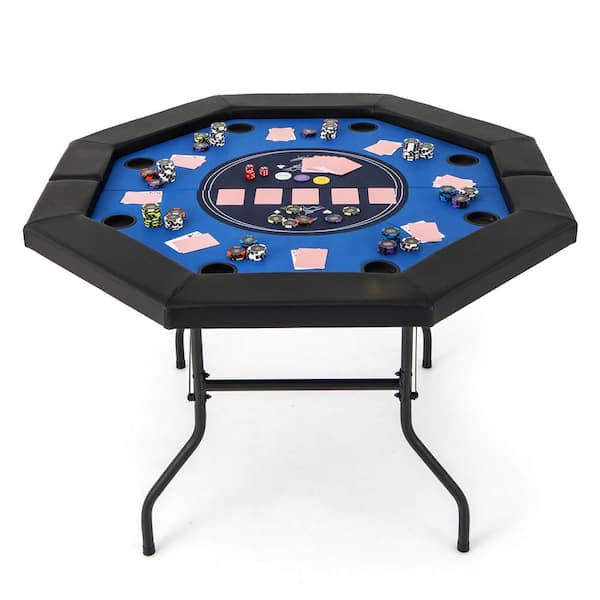
These are popular for home use because they are easy to store and set up. They come in two main styles: full tables and table toppers.
- Folding Table Toppers: These sit on top of a regular table. They’re lightweight and portable, but don’t offer much padding or support.
- Folding Standalone Tables: These have foldable legs and can stand on their own.
| Type | Price Range | Seats | Best For |
|---|---|---|---|
| Table Topper | $30 – $120 | 6–10 | Occasional home games |
| Folding Table | $120 – $400 | 8–10 | Regular home play |
Folding tables are great for beginners or anyone with limited space. But they can feel less sturdy and may wear out faster than permanent tables.
Permanent Poker Tables
Permanent tables are made for dedicated poker rooms. They are heavier, built from better materials, and often have extra features.
- Standard Oval Tables: The classic casino style, usually seating 8–10 players.
- Round or Octagon Tables: More social, good for smaller groups.
| Type | Price Range | Seats | Main Material |
|---|---|---|---|
| Standard Oval | $600 – $2,500 | 8–10 | Wood, padded rails, felt |
| Round/Octagon | $350 – $1,200 | 4–8 | Wood or MDF, felt |
Permanent tables look impressive and last longer. But they need more space, and moving them is difficult.
Custom And Luxury Poker Tables
For serious players or those who want something unique, custom tables offer almost endless options. You can choose the size, colors, materials, and add extras like built-in chip racks, USB chargers, or even LED lighting.
- Custom/Luxury Tables: These often start at $2,000 and can go well above $10,000 for high-end designs.
Features like solid hardwood, intricate inlays, or professional-grade speed cloth all add to the price. These tables are built to impress and often used in clubs, casinos, or by collectors.

Main Features That Affect The Price
It’s not just the table size that changes the price. Some features can make a huge difference in how much you pay.
1. Materials And Build Quality
- Frame: Solid wood frames are pricier and more durable than MDF or particle board.
- Playing Surface: Professional felt (sometimes called “speed cloth”) is smoother and lasts longer than cheap felt.
- Padding: Thicker padding under the felt makes the table more comfortable and can help cards slide better.
- Rails: Padded armrests, often covered in vinyl or leather, make long games more comfortable.
2. Table Size And Shape
Larger tables cost more, both for materials and shipping. Oval tables are classic but take up more room, while round and octagon tables are easier to fit in smaller spaces.
3. Seating Capacity
The standard is 8–10 seats, but some tables are made for as few as 4 or as many as 12. More seats = higher price.
4. Extras And Accessories
- Cup holders (built-in or removable)
- Chip trays
- Dealer position with a cutout
- Raised rails
- LED lighting
Each add-on increases the price. For example, LED lighting can add $100–$400 depending on the quality.
Poker Table Cost Examples
To give you a better idea of real prices, here are some popular options from well-known brands:
| Brand/Model | Type | Seats | Price |
|---|---|---|---|
| Barrington Billiards Poker Table | Folding | 10 | $180 – $350 |
| Fat Cat Poker Table | Folding | 8 | $170 – $250 |
| BBO Poker Pro Table | Permanent | 10 | $1,300 – $2,000 |
| RAM Game Room Oval Table | Permanent | 8 | $700 – $1,200 |
| Custom High-End Table | Custom | 10 | $3,000+ |
These prices are for new tables. Used poker tables can often be found for 30–50% less, but always check for wear and quality before buying.
What Do You Really Need In A Poker Table?
If you’re new to buying poker tables, it’s easy to get distracted by flashy features. Here’s what actually matters for most buyers:
- Solid frame: Tables with weak legs or thin frames can wobble. A table that feels sturdy is always worth paying more for.
- Quality felt: Cheap felt pills and snags quickly. Speed cloth or casino-grade felt costs more, but makes a big difference in how cards slide.
- Padded rail: If you play long games, a padded armrest is a must for comfort.
- Size: Make sure the table fits your space, including chairs and room for people to walk around.
Extras like cup holders and chip trays are nice, but not essential. Lighting, USB ports, and custom graphics are fun, but only if you have the budget.
Hidden Costs To Watch Out For
Most people only think about the price tag, but there are other costs:
- Shipping: Poker tables are heavy and large. Shipping can cost anywhere from $50 to $500 depending on size and distance.
- Assembly: Some permanent tables need assembly. If you’re not handy, you may need to pay for setup.
- Accessories: Don’t forget about chips, cards, and chairs. These can add several hundred dollars.
Also, check the return policy and warranty. A good poker table should last years, so make sure you’re protected if something goes wrong.
How To Save Money On A Poker Table
A good table doesn’t have to break the bank. Here are some smart ways to save:
- Buy used: Check local classifieds or online marketplaces for gently used tables.
- Start with a topper: If you’re not sure how often you’ll play, a table topper is a cheap way to start.
- Look for deals: Many brands offer sales around holidays.
- DIY: If you’re handy, building your own table can save money. Many guides are available online.
One insight many beginners miss: A well-built folding table often outlasts a cheap permanent table. It’s better to pay for quality construction, even if it’s portable.
Should You Buy Online Or In-store?
Buying online gives you more options and better prices, but you can’t test the table first. In-store shopping lets you check build quality and comfort, but choices may be limited and prices are often higher.
If you buy online, read reviews carefully and check the return policy. Look for detailed photos, not just computer images. For more on poker table materials and selection, see Wikipedia’s Poker Table Guide.
When To Invest In A High-end Table
If you host regular games, run a club, or just want a showpiece, a luxury table may be worth it. High-end tables use better materials, are more comfortable, and last longer. But for most home games, a mid-range folding or permanent table is enough.
A common mistake: Spending big on features you’ll rarely use. Only invest in extras if they’ll actually improve your games.
Frequently Asked Questions
How Much Should I Spend On My First Poker Table?
For most beginners, spending $120–$400 on a folding table is a smart choice. It gives good value, is easy to store, and lets you see how often you play before upgrading.
What Is The Best Size For A Home Poker Table?
A table that seats 8–10 players is standard for home games. Make sure the dimensions fit your space—most oval tables are about 84″ x 42″. For smaller rooms, round or octagon tables with 4–6 seats work well.
Are Custom Poker Tables Worth The Price?
Custom tables are worth it if you want specific features, unique design, or professional quality. But for most people, a standard permanent table offers enough comfort and style at a much lower cost.
How Long Does A Good Poker Table Last?
A quality poker table can last 5–15 years or more, depending on use and materials. Proper care—like covering the table when not in use and cleaning spills quickly—will make it last longer.
Do Poker Tables Hold Their Value?
Mid-range and high-end tables from well-known brands can keep 50–70% of their value if well maintained. Cheap tables or those with lots of wear lose value quickly.
A good poker table is an investment in fun, comfort, and game quality. By focusing on what matters—solid build, good felt, and the right size for your group—you’ll get more value for your money. Poker is about skill and luck, but the right table makes every game better.
Choose wisely, and enjoy the action for years to come.


