

Anyone who enjoys poker knows that the table is more than just a surface for cards and chips. The right poker table can transform a casual game into a memorable experience, whether at home, in a casino, or at a club.
But with so many designs and options available, what features truly make a poker table stand out from the rest? As an experienced player and advisor, I’ll walk you through the essentials—plus a few advanced touches most beginners overlook—to help you choose the best table for your needs.

36% off Today’s Exclusive Deals
Limited-time Exclusive Deals. Check current discount on Amazon.
Check Price on Amazon As an Amazon Associate I earn from qualifying purchases.Table Size And Seating Capacity
One of the first things to look at is size. Poker tables come in various shapes and lengths, and your choice will impact the comfort and flow of the game.
For home games, a typical oval table is about 84 inches long and seats 8 to 10 players. Smaller versions, around 72 inches, fit 6 to 8 comfortably. Casinos often use larger tables to fit up to 10 players plus a dealer.
A key detail: don’t underestimate the space needed around the table. You’ll want at least 3 feet of clearance on all sides so players can move in and out easily. If your room is tight, consider a folding poker table or a tabletop that can be stored away.
Comparing Table Sizes
Here’s a quick reference:
| Table Type | Length | Seats | Best For |
|---|---|---|---|
| Full-size Oval | 84–96″ | 8–10 | Casinos, Large Home Games |
| Mid-size Oval | 72–80″ | 6–8 | Most Home Games |
| Round | 48–60″ | 4–6 | Small Spaces, Casual Play |
Playing Surface Material
A great poker table must have a smooth, consistent playing surface. Most tables are covered in either felt or speed cloth. Felt is traditional and soft, but speed cloth (a polyester blend) is more durable and water-resistant.
Speed cloth allows cards to glide effortlessly, making shuffling and dealing easier. It also resists spills—a big plus for lively games. While felt feels classic and can come in many colors, it tends to wear out faster, especially if drinks are common at your games.
Look for tables with professional-grade speed cloth if you want a surface that lasts years with minimal maintenance. Some high-end tables even add a foam underlay beneath the cloth, providing a comfortable “bounce” for chips and cards.

Table Padding And Comfort
Comfort is often overlooked but crucial for long poker sessions. Quality tables feature a padded rail—the raised edge around the table—covered in vinyl or leather. This rail provides a soft place for players to rest their arms, reducing fatigue.
The padding thickness matters too. Cheaper tables use thin or low-density foam, which flattens quickly. Aim for at least 1 inch of high-density foam for genuine comfort.
Some tables also include padded playing surfaces (not just the rail), making card pickup easier and softer on your hands.
Stability And Table Construction
A poker table must be stable and durable. Nothing ruins a game faster than a wobbly table that shakes with every chip stack.
Look for tables with a solid wood frame or reinforced metal legs. Avoid plastic legs or thin particleboard, as these can bend or break over time.
Folding tables are convenient but often less stable, especially in the center. If you need a folding table, seek out models with locking mechanisms or extra support bars.
Comparing Table Frame Materials
Here’s a comparison of common frame materials:
| Material | Durability | Stability | Weight |
|---|---|---|---|
| Solid Wood | High | Excellent | Heavy |
| Metal | High | Good | Medium |
| Particleboard | Low | Fair | Light |
Cup Holders And Chip Trays
Cup holders and chip trays aren’t just for convenience—they help keep the game clean and organized. Cup holders prevent spills that can damage the felt and stain cards. They also free up space so chips and cards don’t get crowded.
There are three main types of cup holders:
- Inset holders: Built into the rail, flush with the surface. These are secure but harder to clean.
- Drop-in holders: Removable and easy to clean. Can be replaced if damaged.
- Clip-on holders: Attach to the edge; best for temporary tables or tabletops.
Chip trays are more common in casino tables or for games with a dedicated dealer. At home, they can help organize chips by denomination and speed up buy-ins or cash-outs.
Dealer Position And Accessories
Serious players appreciate a dedicated dealer position. Some tables feature a cutout for the dealer and extra space for chips and cards. A dealer tray, chip rack, and even a built-in shuffler can add efficiency and a professional feel.
For home games, you might not need a fixed dealer spot, but it’s useful if you rotate the dealer role or play tournament style.
Table Shape: Oval, Round, Or Octagonal?
Shape impacts how players interact and how the table fits in your space.
- Oval tables are classic for Texas Hold’em and accommodate the most players.
- Round tables are more social, with everyone equally close to the action. Better for 4–6 players.
- Octagonal tables blend the two, offering clear player spots and a compact design.
Most beginners forget to consider table shape in relation to their room layout. Oval tables can feel cramped in small spaces, while round tables fit neatly into corners or smaller rooms.
Portability And Storage
If you don’t have a dedicated game room, portability becomes crucial. Folding tables or tabletop versions are easy to move and store. Look for tables with locking legs for stability when set up, and lightweight designs that don’t sacrifice durability.
A portable table should fit in a closet or under a bed but still offer a sturdy playing experience. Beware of ultra-cheap models that flex or sag under weight.
Visual Appeal And Customization
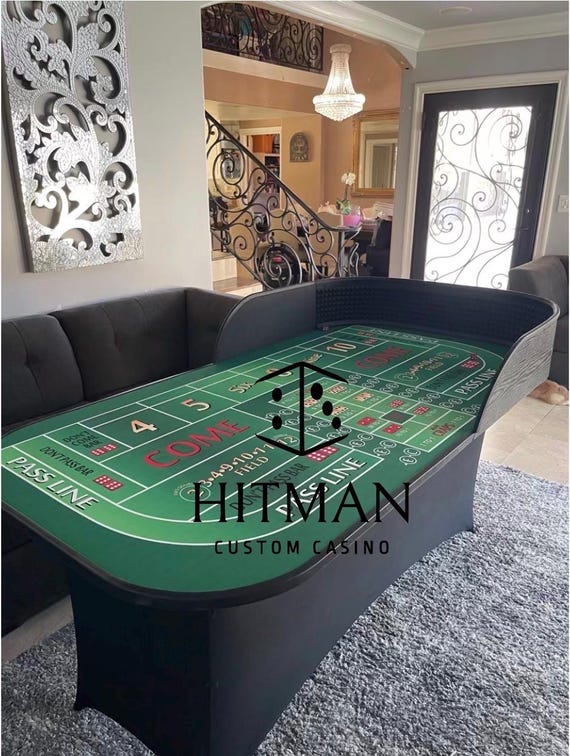
A poker table is also a centerpiece. Custom cloth designs, colored rails, or LED lighting can make your table a conversation starter. Some manufacturers offer custom logos, graphics, or even themed layouts (like WSOP or casino replicas).
While these upgrades can add cost, they make your game unique and memorable. Just be careful: fancy graphics can sometimes distract from play. Make sure any customizations keep the playing surface clear and readable.
Price Vs. Value
Poker tables range from under $100 for basic tabletops to several thousand dollars for high-end models. More expensive doesn’t always mean better for your needs.
When comparing prices, focus on:
- Playing surface quality
- Frame and leg stability
- Comfort features (rail, padding)
- Ease of setup and storage
A $500 table that lasts a decade is a better deal than a $100 table that needs replacing every year. Calculate cost per use, not just the sticker price.
Special Features For Advanced Players
Some features are less obvious but make a big difference for frequent games:
- Card shuffler slot: Speeds up play and reduces wear on cards.
- Dealer controls: For tournaments, built-in timers or betting controls.
- Raised rails: Prevents chips from rolling off.
- USB charging ports: Keeps devices powered during long games.
Advanced tables may also include LED lighting around the rail, built-in speakers, or even refrigerated cup holders. While not essential, these can elevate serious home games or club settings.
Common Mistakes When Choosing A Poker Table
- Ignoring room size: Measure your space carefully, including clearance for chairs and movement.
- Choosing style over function: A cool-looking table isn’t helpful if it’s uncomfortable or unstable.
- Underestimating player count: Pick a table that fits your usual group, not just the largest possible.
- Neglecting maintenance: Some materials stain or wear quickly; consider how easy the table is to clean.
- Skipping reviews and warranties: Check for product guarantees and real-user feedback before buying.
Real-world Example: Home Game Upgrade
Consider a home player who started with a round, 48-inch folding table. After a few months, the thin felt wore through, and the table began to wobble. Upgrading to a mid-size, 72-inch oval with speed cloth and a padded rail transformed their weekly game.
Players stayed longer, spills became less of a worry, and the overall experience felt more like a real casino.
Quick Poker Table Feature Comparison
To summarize, here’s a side-by-side look at key features:
| Feature | Basic Table | Professional Table |
|---|---|---|
| Surface Material | Basic Felt | Speed Cloth/Foam Underlay |
| Rail Padding | Thin Foam | 1″+ High-Density Foam |
| Frame | Particleboard/Plastic | Solid Wood/Metal |
| Cup Holders | None/Clip-on | Inset/Drop-in |
| Dealer Position | None | Dedicated, Chip Tray |
| Portability | Light, Basic | Folding with Locks |
| Customization | Limited | Logos, Graphics, LEDs |

Frequently Asked Questions
What Is The Best Material For A Poker Table Surface?
Speed cloth is often the best choice for most players. It’s water-resistant, durable, and allows cards to slide easily. Traditional felt feels nice but stains and wears out faster.
How Many Players Can Fit At A Standard Poker Table?
A standard full-size oval table usually fits 8 to 10 players. Smaller round or octagonal tables fit 4 to 8, depending on size.
Are Folding Poker Tables Stable Enough For Regular Use?
High-quality folding tables with locking mechanisms can be very stable. However, ultra-cheap folding tables often wobble or sag over time. Check the frame material and support structure before buying.
Do I Need Cup Holders On My Poker Table?
Cup holders are highly recommended. They prevent spills and keep drinks away from cards and chips. Built-in or drop-in holders are best for regular games.
What Features Do Professional Casino Poker Tables Have?
Professional casino tables use speed cloth, thick padding, solid frames, built-in chip trays, dealer positions, and often custom graphics. Many also have advanced features like shuffler slots or player tracking systems. For more details, visit the Wikipedia page on Poker Tables.
—
Choosing the right poker table is about more than just looks—it’s about creating the best possible game experience for everyone at the table. By focusing on the features that matter most—surface, comfort, stability, and thoughtful extras—you’ll ensure your games are fun, fair, and memorable for years to come.

