Setting Up An Aquarium: A Complete Guide For Beginners
Aquariums bring life, color, and calm to homes and offices. Watching fish glide through water is relaxing and can even reduce stress. But setting up an aquarium for the first time is not simple. Many beginners make mistakes that lead to unhealthy fish, cloudy water, or costly repairs.
This guide will walk you through every step, from choosing the right tank to keeping your fish healthy. If you’re new to aquariums, you’ll find clear instructions, practical tips, and real examples to help you succeed.

36% off Today’s Exclusive Deals
Limited-time Exclusive Deals. Check current discount on Amazon.
Check Price on Amazon As an Amazon Associate I earn from qualifying purchases.Choosing The Right Aquarium
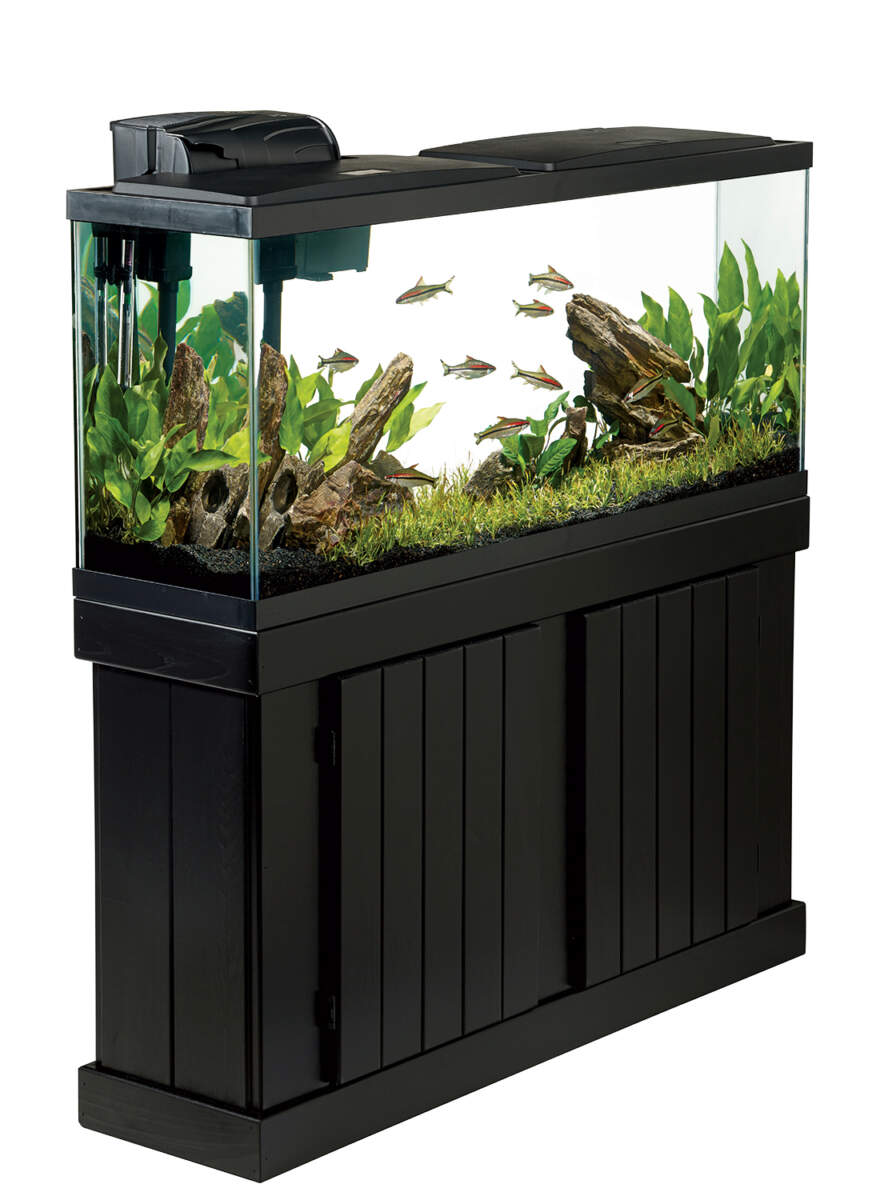
The first step is picking the right aquarium size. Many new aquarists go for small tanks, thinking they’re easier. But small tanks are actually harder to maintain. Water quality changes quickly in a small space, making fish more vulnerable.
For beginners, a 20-gallon (75-liter) tank is a safe choice. It’s big enough for several fish, but not too large to handle. Here’s a quick comparison of popular tank sizes:
| Tank Size | Dimensions (inches) | Ideal For | Pros | Cons |
|---|---|---|---|---|
| 10 Gallon | 20 x 10 x 12 | 2-4 small fish | Compact, cheap | Hard to keep stable |
| 20 Gallon | 24 x 12 x 16 | 4-8 small fish | Good stability | Needs more space |
| 55 Gallon | 48 x 13 x 21 | 8-15 fish | Lots of options | Heavy, expensive |
Glass tanks are strong and scratch-resistant, while acrylic tanks are lighter and clearer but scratch easily. Choose a tank that fits your space and budget. Make sure the stand can support the weight—water is heavy (1 gallon weighs about 8.3 pounds).
Deciding Freshwater Vs Saltwater
Most beginners start with freshwater aquariums. They’re easier, cheaper, and the fish are less sensitive. Saltwater tanks offer more color and exotic species, but need extra equipment and careful water control.
Here’s a quick comparison:
| Type | Setup Cost | Maintenance | Fish Variety | Difficulty |
|---|---|---|---|---|
| Freshwater | Lower | Simple | Wide | Beginner-friendly |
| Saltwater | Higher | Complex | Exotic | Advanced |
If you want easy care, go with freshwater. If you’re ready for a challenge and higher costs, saltwater may suit you.

Essential Equipment And Supplies
To set up an aquarium, you’ll need more than just a tank. Here’s what’s required:
- Filter: Keeps water clean by removing waste and toxins. Choose one sized for your tank.
- Heater: Needed for tropical fish. Keeps water between 74–80°F (23–27°C).
- Lighting: LED lights are efficient and show off your fish. Some fish and plants need specific light.
- Substrate: Gravel or sand covers the tank bottom. Choose size and color based on fish and plants.
- Water Conditioner: Neutralizes harmful chlorine and heavy metals in tap water.
- Test Kits: Checks pH, ammonia, nitrite, and nitrate levels.
- Fish Food: Use high-quality food made for your species.
- Decorations: Rocks, driftwood, plants, and caves offer shelter and make the tank attractive.
- Net, Bucket, and Siphon: For cleaning and moving fish.
Many beginners skip test kits, but they’re vital. Water quality problems are invisible—test kits help you spot issues early.
Setting Up The Aquarium
Now, let’s go step-by-step through the setup process.
Step 1: Clean The Tank
Rinse the tank with water only. Never use soap or chemicals—they leave residues that harm fish. Wipe the inside and outside with a clean cloth.
Step 2: Add Substrate
Pour the substrate into the tank. Rinse gravel or sand in a bucket until water runs clear to remove dust. Aim for 1–2 inches deep.
Tip: Slope substrate from back to front for easier cleaning and better viewing.
Step 3: Place Equipment
Install the filter, heater, and thermometer. Don’t plug them in yet.
Position decorations and plants. Avoid blocking the filter inlet or outlet. Leave space for fish to swim.
Step 4: Fill With Water
Pour water slowly onto a plate or bowl placed on the substrate. This prevents disturbing the gravel.
Add water conditioner as directed. For saltwater tanks, mix marine salt into water and test salinity with a hydrometer or refractometer.
Step 5: Start The Filter And Heater
Plug in and turn on the filter and heater. Set the heater to the correct temperature (usually 76°F or 24°C for tropical fish).
Let the tank run for at least 24 hours before adding fish.
Step 6: Cycle The Aquarium
This step is often missed by beginners, leading to dead fish. Cycling builds up helpful bacteria to convert toxic ammonia into safe nitrate. The process takes 2–4 weeks.
You can cycle with or without fish:
- Fishless cycling: Add a small amount of fish food daily. The food breaks down, producing ammonia. Test water regularly.
- With fish: Only use hardy fish like zebra danios or guppies. Monitor water closely.
Check ammonia and nitrite levels. When both drop to zero and nitrate rises, the cycle is complete. This ensures a safe home for fish.
Selecting Fish And Plants
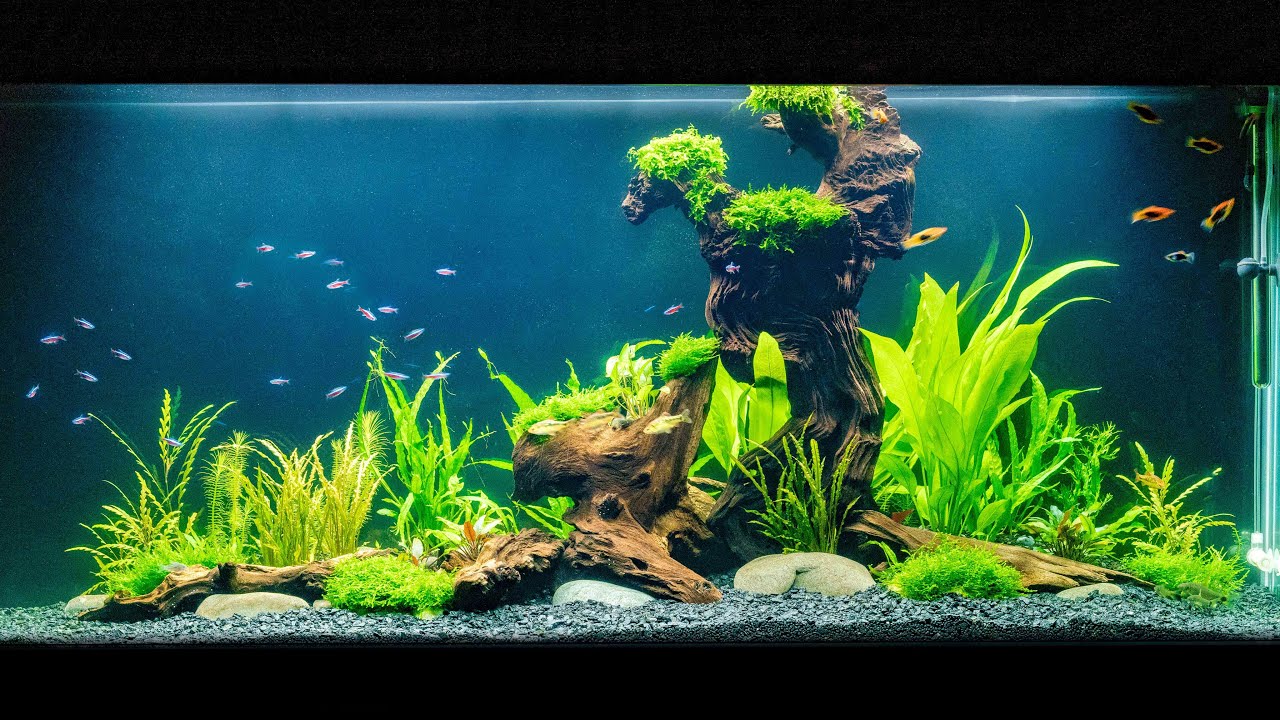
Choose fish based on tank size, water type, and compatibility.
Popular Freshwater Fish
- Betta: Colorful, easy to care for, but aggressive to other males.
- Neon Tetra: Small, peaceful, and likes groups.
- Guppy: Hardy, active, and breeds easily.
- Corydoras: Bottom dwellers that clean up leftover food.
Avoid mixing aggressive and peaceful fish. Research each species’ needs before buying.
Choosing Plants
Live plants improve water quality and give fish places to hide. Some easy plants are:
- Anubias: Hardy, grows slowly.
- Java Fern: Needs little light.
- Amazon Sword: Good for larger tanks.
Plastic plants are easier but don’t clean the water.
Acclimating Fish
Never drop new fish straight into the tank. The shock can kill them. Acclimate fish carefully:
- Float the unopened bag in the tank for 15–20 minutes to match temperature.
- Open the bag and add a small amount of tank water.
- Repeat every 5 minutes for 20–30 minutes.
- Use a net to move the fish into the tank (don’t pour bag water in).
Monitor the new fish for signs of stress or illness.
Maintaining The Aquarium
A healthy aquarium needs regular care. Here are key tasks:
Weekly
- Test water for ammonia, nitrite, nitrate, and pH.
- Clean glass with a sponge or magnetic cleaner.
- Remove debris with a siphon during water changes (10–20%).
Monthly
- Rinse filter media in tank water (not tap) to keep bacteria alive.
- Trim plants and rearrange decorations as needed.
Every 6 Months
- Inspect equipment for wear.
- Replace filter media if recommended by manufacturer.
A common mistake is overfeeding. Uneaten food turns into waste, raising ammonia levels. Feed only what fish can eat in 2–3 minutes.
Solving Common Problems
Even with good care, issues can happen. Here are solutions to frequent problems.
Cloudy Water
- Cause: Overfeeding, dirty substrate, or bacteria bloom.
- Fix: Reduce feeding, clean substrate, and wait. Bacterial blooms clear up on their own.
Algae Growth
- Cause: Too much light or nutrients.
- Fix: Reduce light to 8 hours per day, remove algae, and add plants to compete.
Fish Illness
- Symptoms: Lethargy, spots, or abnormal swimming.
- Action: Quarantine sick fish, check water quality, and treat with appropriate medication.
Equipment Failure
- If filter or heater stops, act fast. Water quality and temperature change quickly. Keep backup equipment if possible.
Non-obvious Insights For Beginners
- Patience Pays Off: Rushing the setup or skipping the cycle leads to dead fish and frustration. It’s better to wait a few weeks for the tank to stabilize.
- Quarantine New Fish: Always quarantine new fish for 2 weeks before adding them to the main tank. This prevents diseases from spreading.
- Water Changes Matter More Than Cleaning: Frequent water changes are more important than deep cleaning. Don’t remove all decorations or substrate at once—this destroys helpful bacteria.
- Test Before You Trust: Tap water can change quality over time. Test each new batch before adding it to the tank.
Aquarium Safety Tips
- Keep electrical equipment dry and use drip loops in cords.
- Never mix cleaning products with aquarium water.
- Supervise children around the aquarium.
Costs And Budgeting
Aquariums can be expensive. Here’s an example breakdown for a 20-gallon freshwater setup:
| Item | Average Cost (USD) |
|---|---|
| 20-Gallon Tank & Stand | $120 |
| Filter | $30 |
| Heater | $25 |
| Lighting | $40 |
| Substrate | $20 |
| Decorations | $30 |
| Water Conditioner & Test Kits | $25 |
| Fish & Plants | $40 |
| Total | $330 |
Ongoing costs include food, replacement parts, and electricity. Budget for $10–$20 per month for maintenance.
Expanding Your Aquarium
As you gain experience, you may want to upgrade:
- Larger tanks hold more fish and are more stable.
- Saltwater setups offer new challenges and beautiful species.
- Specialty tanks (like planted or reef tanks) require extra equipment.
Research each step before expanding. Join aquarium communities or forums for advice.
Real-life Example: Setting Up A 20-gallon Freshwater Tank
Let’s walk through a real example:
- Choose the tank: 20-gallon glass tank with sturdy stand.
- Buy equipment: Hang-on-back filter, 100-watt heater, LED light, gravel, and test kits.
- Wash tank and gravel: Rinse with water only.
- Add gravel and place decorations: Slope gravel and arrange rocks and plants.
- Fill with water: Use water conditioner.
- Install filter and heater: Start running them.
- Cycle for 3 weeks: Add fish food daily, test water.
- Add fish: 6 neon tetras, 2 corydoras, and 1 betta.
- Maintain weekly: Test water, change 15% weekly, feed once daily.
This setup costs about $330 and takes 3–4 weeks before fish are added. The result: clear water, healthy fish, and a beautiful tank.
Frequently Asked Questions
How Long Does It Take To Set Up An Aquarium?
Most setups take 2–4 weeks. The tank itself can be set up in a day, but cycling takes time. Rushing this step can harm fish.
What Is The Easiest Fish For Beginners?
Guppies and zebra danios are hardy and adapt well to new tanks. They tolerate small mistakes and are easy to feed.
How Often Should I Clean My Aquarium?
Do small water changes (10–20%) every week. Clean glass and remove debris monthly. Don’t clean all filter media at once.
Can I Use Tap Water For My Aquarium?
Yes, but you must use a water conditioner to remove chlorine and heavy metals. Always test tap water before adding it to the tank.
What Should I Do If My Fish Get Sick?
First, quarantine the sick fish. Check water quality and temperature. Most illnesses are caused by poor water or stress. Treat with proper medication and improve tank conditions.
Setting up an aquarium is a rewarding hobby. With patience, the right equipment, and careful planning, you’ll create a safe, beautiful home for your fish. Follow these steps, avoid common mistakes, and enjoy the calming world of aquatics. If you want deeper advice on fish care, visit WikiHow for more tips and guides.