

If you’re trying to gain weight, you might hear a lot of simple advice like “just eat more food.” But for many people, it’s not that easy. Whether you’re naturally thin, recovering from illness, or want to build muscle, gaining weight the right way can be challenging. Eating anything and everything won’t always help—and can even harm your health. Let’s break down how to gain weight in a smart, sustainable way. You’ll learn what works, common mistakes, and practical steps you can start today.
Why Gaining Weight Can Be Difficult
For some, gaining weight feels just as hard as losing it. Genetics, metabolism, medical conditions, and lifestyle all play a role. Some people burn calories faster, while others may have smaller appetites or digestive issues. Stress and busy schedules can also make it hard to eat enough. Understanding these factors helps you set realistic expectations.

36% off Today’s Exclusive Deals
Limited-time Exclusive Deals. Check current discount on Amazon.
Check Price on Amazon As an Amazon Associate I earn from qualifying purchases.How Weight Gain Really Works
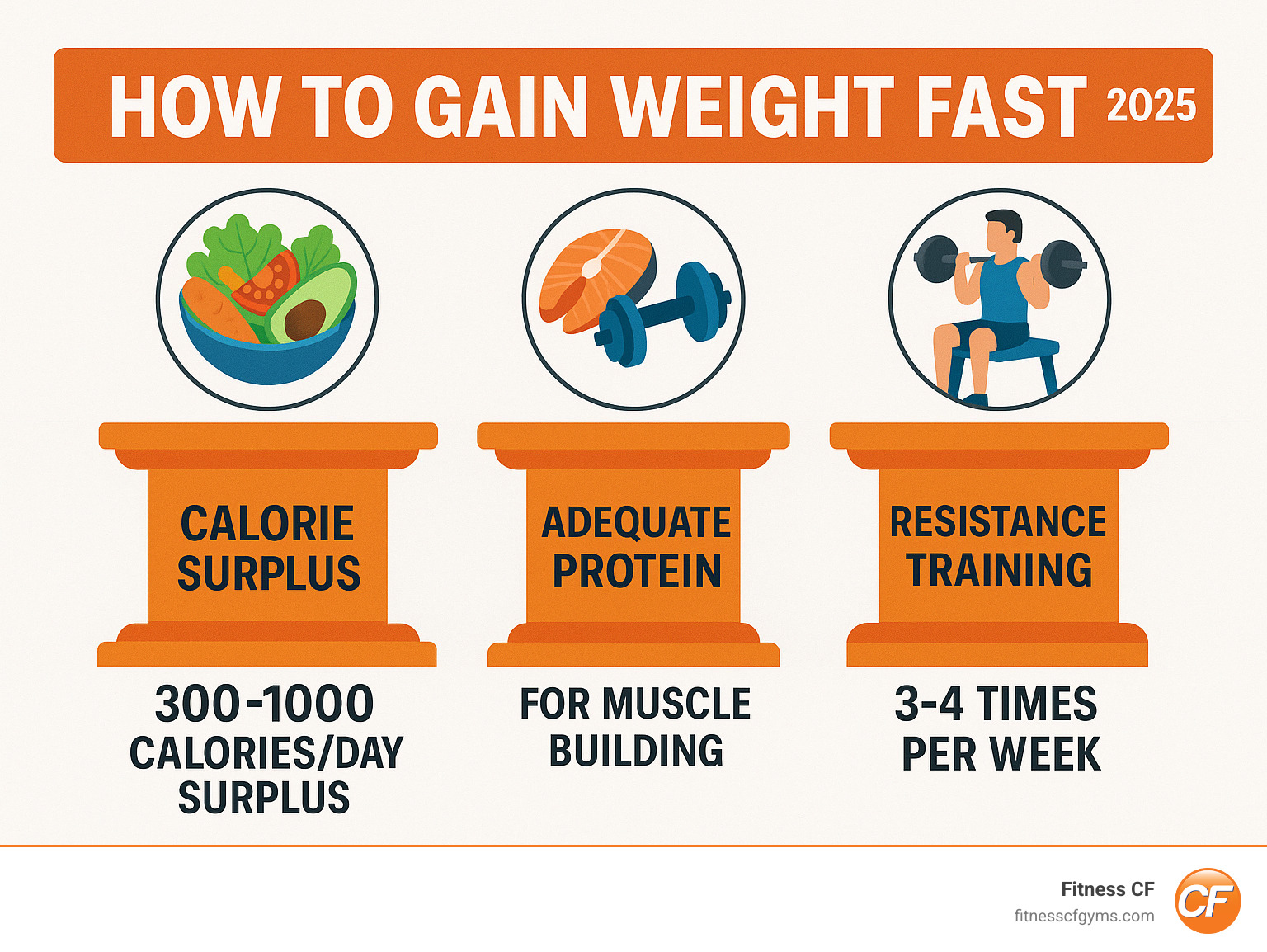
To gain weight, you need to eat more calories than your body burns. This is called a calorie surplus. But what you eat matters as much as how much you eat. The goal is to add mostly lean muscle and healthy fat, not just extra body fat.
Understanding Calorie Surplus
If your body uses 2,000 calories per day, eating 2,500 calories daily should lead to weight gain. The extra 500 calories per day equals about one pound per week. But everyone’s calorie needs are different, so tracking your food for a week can help you find your starting point.
Not All Calories Are Equal
It’s tempting to reach for sugary snacks and fast food, but these can cause health problems and add mostly fat. Instead, focus on nutrient-dense foods that support muscle growth, energy, and overall health.
How To Calculate Your Calorie Needs
Before you start, it’s helpful to know how many calories you burn each day. This is your Total Daily Energy Expenditure (TDEE). You can use online calculators, but here’s a simple method:
- Find your Basal Metabolic Rate (BMR):
- For men: BMR = 10 x weight (kg) + 6.25 x height (cm) – 5 x age (years) + 5
- For women: BMR = 10 x weight (kg) + 6.25 x height (cm) – 5 x age (years) – 161
- Multiply your BMR by your activity level:
- Sedentary (little exercise): X1.2
- Light activity (1-3 days/week): X1.375
- Moderate (3-5 days): X1.55
- Active (6-7 days): X1.725
- Very active (hard exercise): X1.9
Add 300–500 calories per day to this number for steady weight gain.
Choosing The Right Foods
Quality matters. You want to build a healthy body, not just add pounds. Here’s a look at foods that help you gain weight safely.
Best Foods For Healthy Weight Gain
- Lean proteins: Chicken, beef, eggs, fish, Greek yogurt, tofu
- Whole grains: Brown rice, oats, quinoa, whole wheat bread
- Healthy fats: Avocados, nuts, seeds, olive oil, nut butters
- Dairy: Whole milk, cheese, cottage cheese
- Starchy vegetables: Potatoes, sweet potatoes, corn, peas
- Fruits: Bananas, mangoes, dried fruits
Foods To Limit
- Sugary snacks: Candy, soda, and pastries add empty calories
- Trans fats: Found in processed foods, these increase health risks
- Alcohol: Adds calories but can disrupt appetite and metabolism
Sample Calorie-dense Snacks
- Trail mix (nuts, dried fruit, dark chocolate)
- Peanut butter on whole grain bread
- Greek yogurt with granola and honey
- Cheese and whole grain crackers
Creating A Weight Gain Meal Plan
Planning your meals makes it easier to eat enough every day. Here’s a sample one-day meal plan for healthy weight gain:
Breakfast: 2 eggs, 2 slices whole wheat toast with avocado, a banana, and a glass of whole milk
Snack: Greek yogurt with granola and honey
Lunch: Grilled chicken sandwich with cheese, lettuce, tomato, and olive oil mayo; baked sweet potato fries
Snack: Trail mix and an apple
Dinner: Salmon fillet, brown rice, and roasted vegetables in olive oil
Evening Snack: Cottage cheese with pineapple chunks
This plan provides about 2,500–2,800 calories, plenty of protein, and healthy fats.
The Role Of Protein In Weight Gain
Protein is essential for building and repairing muscle. Without enough protein, most extra calories will just turn into fat. Aim for about 0.7–1 gram of protein per pound of body weight daily.
Protein Sources Compared
Here’s how some common protein sources stack up:
| Food | Protein (per 100g) | Calories |
|---|---|---|
| Chicken Breast | 31g | 165 |
| Eggs | 13g | 155 |
| Greek Yogurt | 10g | 59 |
| Tofu | 8g | 76 |
| Salmon | 20g | 206 |
Including a variety of these foods helps meet your protein goals and keeps meals interesting.
Building Muscle With Strength Training
Eating more is only part of the solution. Strength training helps make sure you gain muscle, not just fat.
Why Strength Training Matters
Lifting weights or doing resistance exercises tells your body to use extra calories for muscle. This leads to a healthier weight gain and a better-looking body.
Types Of Exercises
- Free weights: Dumbbells, barbells
- Bodyweight: Push-ups, squats, pull-ups
- Machines: Leg press, chest press
Aim for 3–5 sessions per week, focusing on big muscle groups like legs, back, and chest.
Rest And Recovery
Muscles need time to recover and grow. Make sure to get enough sleep—7 to 9 hours per night—and take rest days between hard workouts.
How Fast Should You Gain Weight?
Healthy weight gain is slow and steady. Gaining 0. 5–1 pound (0. 2–0. 5 kg) per week is ideal. Gaining weight too quickly often means gaining more fat than muscle.
Weekly Weight Gain Pace
| Weight Gain Per Week | Main Result | Risk |
|---|---|---|
| 0.5 lb (0.2 kg) | Mostly muscle | Low |
| 1 lb (0.5 kg) | Muscle + some fat | Moderate |
| 2+ lb (0.9 kg+) | Mostly fat | High |
Track your progress weekly. If you’re not gaining, increase calories by 200–300 per day.
Common Mistakes When Trying To Gain Weight
Many people struggle with weight gain because of a few common mistakes. Knowing these can save you time and frustration.
- Not tracking calories: You may think you’re eating enough, but most people underestimate.
- Skipping meals: Missing meals makes it hard to keep a calorie surplus.
- Overdoing cardio: Too much running or cycling burns calories you need for weight gain.
- Focusing only on protein: Carbs and fats are also essential for energy and calorie intake.
- Choosing unhealthy foods: Junk food adds fat but not strength or health.
- Not being patient: Weight gain is slow, and results take time.
How To Eat More Without Feeling Too Full
One challenge is feeling full before reaching your calorie goals. Here are some strategies to help:
Eat More Often
Instead of three large meals, try 5–6 smaller meals throughout the day. Snacks between meals can add up to more calories.
Choose Calorie-dense Foods
Foods high in calories but not too filling can help, such as nuts, dried fruit, granola, and oils.
Add Extras To Meals
Top your dishes with cheese, avocado, olive oil, or nut butter. These small additions boost calories quickly.
Drink Your Calories
Smoothies, shakes, and whole milk can provide calories without making you feel too full. Try blending banana, peanut butter, and milk for a tasty, high-calorie drink.
Avoid Drinking Before Meals
Drinking lots of water before eating can reduce your appetite. Drink fluids after meals instead.
Supplements For Weight Gain: Are They Necessary?
Supplements are not required, but they can help if you struggle to eat enough.
Popular Weight Gain Supplements
- Protein powders: Whey, casein, or plant-based options
- Mass gainers: High-calorie powders with protein, carbs, and sometimes fats
- Creatine: Helps build muscle when paired with strength training
Supplements can be convenient but should not replace whole foods. Use them as a tool, not a crutch.
Comparing Protein And Mass Gainer Powders
| Type | Calories/Serving | Protein | Carbs | Best For |
|---|---|---|---|---|
| Whey Protein | 120 | 24g | 3g | Extra protein, not many calories |
| Mass Gainer | 700 | 50g | 100g | High calories, hard gainers |
If you don’t like the taste of these powders, try adding them to smoothies or oatmeal.
Special Considerations And Health Conditions
Some medical conditions can make it harder to gain weight. Digestive issues, diabetes, thyroid problems, or eating disorders can all be factors. If you suspect a health issue, talk to a doctor or dietitian before making changes.
Medications And Appetite
Some medicines reduce appetite or affect digestion. If you’re on medication and struggling to gain weight, discuss options with your healthcare provider.
Monitoring Progress And Adjusting
Tracking your progress helps you see what’s working and make changes if needed.
How To Track
- Weigh yourself weekly at the same time of day.
- Take body measurements (waist, arms, thighs).
- Track your calorie intake using an app or journal.
If you’re not gaining weight after two weeks, increase your calories by 200–300 per day.
Adjusting Your Plan
Everyone’s body is different. Some people need more calories, others need to change their exercise routine. Stay flexible and adjust as you go.
Social And Emotional Aspects
Trying to gain weight can feel isolating, especially if friends and family don’t understand. You may hear unhelpful comments. Remember, your journey is personal. Support groups, online forums, or a dietitian can be helpful.
Self-image And Motivation
Gaining weight is not just about numbers. Focus on how you feel—stronger, more energetic, and confident. Celebrate small wins, like lifting heavier weights or fitting into clothes better.
Real-life Example: A Success Story
Take the story of Chris, a college student who struggled to gain weight for years. He started tracking calories, added peanut butter sandwiches and homemade shakes to his meals, and lifted weights three times a week. In six months, he gained 15 pounds, most of it muscle.
Chris’s secret? Consistency—he stuck to his plan even when progress was slow.
Non-obvious Insights Most Beginners Miss
- Liquid calories are powerful. Many beginners focus only on food, but high-calorie drinks like smoothies, milk, and shakes make a big difference without filling you up.
- Progress is not always linear. Some weeks you might not gain any weight, and that’s normal. Look for trends over a month, not just week to week.
- Hidden calories add up. A spoonful of olive oil, a handful of nuts, or an extra slice of cheese can push you over your calorie goal, so don’t ignore these small extras.
- Sleep is crucial. Poor sleep slows muscle growth and increases stress hormones, making it harder to gain weight.

When To Get Professional Help
If you’re eating enough, following a plan, and still not gaining weight, consider talking to a registered dietitian or doctor. They can check for underlying issues and design a custom plan for you.
For more in-depth guidelines, check resources like the Academy of Nutrition and Dietetics.
Frequently Asked Questions
How Long Does It Take To See Results When Trying To Gain Weight?
Most people see small changes within 2–4 weeks if they consistently eat more calories and train with weights. Bigger changes, like 10–20 pounds, often take several months. Remember that weight gain is slow and steady progress is normal.
Is It Possible To Gain Weight Without Getting Fat?
Yes. Gaining weight through strength training and eating a balanced diet helps you add more muscle and less fat. Avoid junk food and focus on protein, healthy fats, and whole grains for the best results.
Can Skinny People Gain Weight?
Absolutely. With the right plan—eating more calories, choosing calorie-dense foods, and lifting weights—most people can gain weight. Some may need to eat much more than they think due to fast metabolisms.
What If I Lose My Appetite?
If you don’t feel hungry, try eating smaller, more frequent meals and drinking smoothies or shakes. Adding spices or herbs to food can also boost appetite. If appetite loss lasts, talk to a doctor.
Are Weight Gain Supplements Safe?
Most protein powders and mass gainers are safe for healthy adults when used as directed. Choose reputable brands and avoid supplements with unnecessary fillers or stimulants. Always prioritize whole foods first.
Gaining weight is a journey that takes time, patience, and the right approach. By focusing on healthy foods, regular strength training, and smart strategies, you can reach your goals and feel your best.

