

Recycling at home has become more important than ever. Every year, the average American generates about 4.9 pounds of waste per day. When much of this waste ends up in landfills, it pollutes the environment and wastes resources. But recycling at home can make a real difference. It saves energy, reduces pollution, and helps conserve natural resources. Learning how to recycle properly is not just for eco-enthusiasts. It’s a practical way for everyone to reduce their environmental footprint.
Many people feel confused about recycling. They wonder what can be recycled, how to sort materials, and how to avoid common mistakes. In this guide, you’ll learn how to recycle at home step by step. You’ll discover tips, facts, and real-life examples that make recycling easy and efficient.

36% off Today’s Exclusive Deals
Limited-time Exclusive Deals. Check current discount on Amazon.
Check Price on Amazon As an Amazon Associate I earn from qualifying purchases.Whether you live in a house, apartment, or dorm, you’ll find practical advice to start or improve your recycling routine.
Understanding The Basics Of Recycling
Before you begin recycling at home, it’s important to know what recycling means. Recycling is the process of turning waste materials into new products. This reduces the need to use raw materials and lowers energy use. Not every item can be recycled, and recycling rules are different in each city or town.
What Can Be Recycled?
Most home recycling programs accept:
- Paper: Newspapers, magazines, office paper, cardboard
- Plastic: Bottles, jugs, containers labeled #1 or #2
- Glass: Bottles and jars
- Metal: Aluminum cans, tin cans
Some materials, like styrofoam, certain plastics, and greasy pizza boxes, are usually not accepted. Always check your local recycling guide.
Common Recycling Symbols
Look for recycling symbols on packaging. The triangle symbol with a number inside shows the type of plastic:
- #1 (PETE): Water bottles
- #2 (HDPE): Milk jugs
- #5 (PP): Yogurt containers
Items with these symbols are often recyclable, but local rules may vary.
Why Recycling Matters
Recycling helps in many ways:
- Saves energy: Recycling aluminum saves 95% energy compared to making new aluminum.
- Reduces pollution: Less waste goes to landfills.
- Conserves resources: Recycling paper saves trees.
Even small actions at home can add up to big environmental benefits.
Setting Up Your Home Recycling System
A successful recycling routine starts with a good system. Creating a simple setup makes recycling easy for everyone in your home.
Choosing Recycling Bins
Select bins based on the materials you recycle. You’ll need separate bins for:
- Paper
- Plastic
- Glass
- Metal
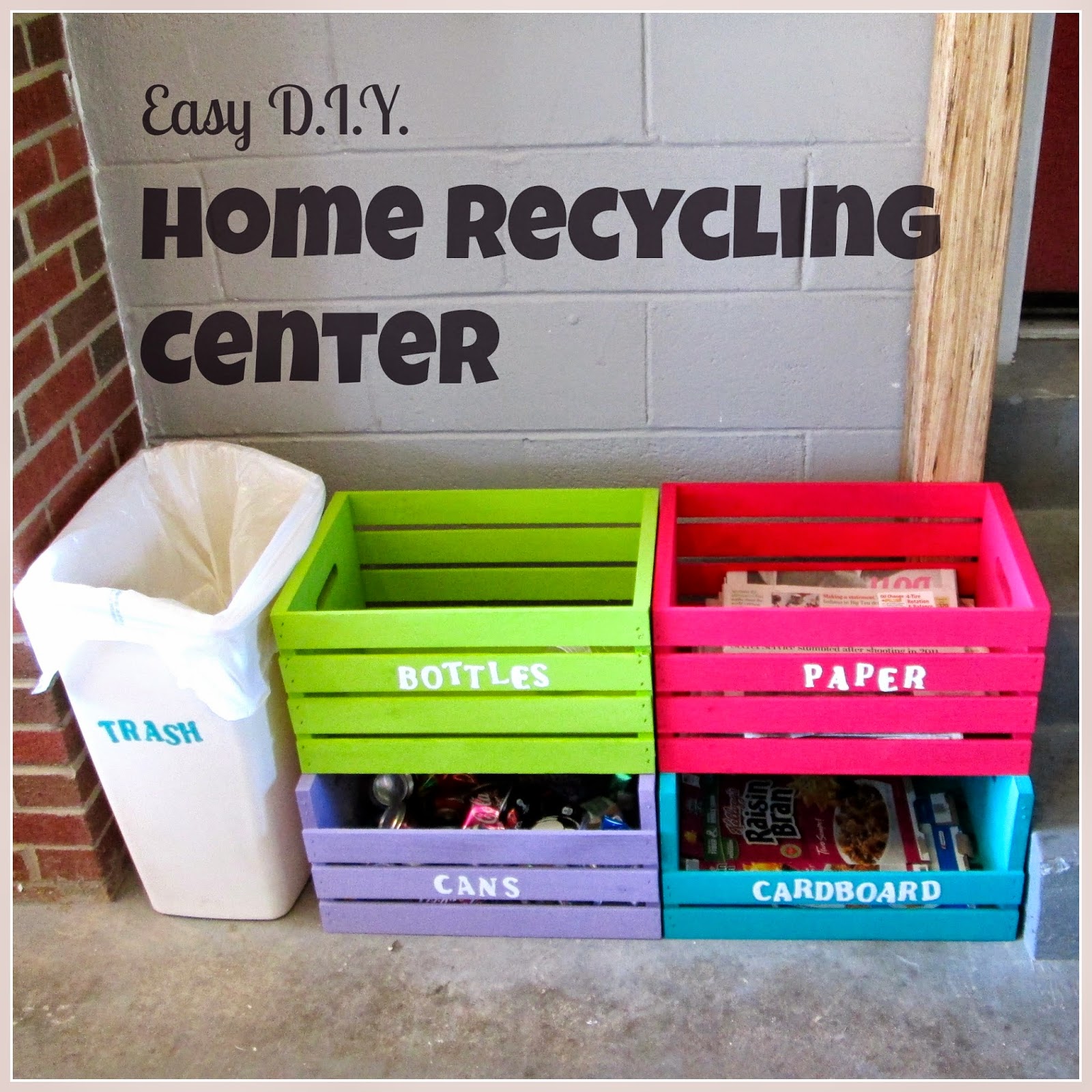
Place bins in easy-to-reach areas—like the kitchen, garage, or hallway. Label each bin clearly.
Organizing Your Space
If you have limited space, try these ideas:
- Use stackable bins
- Hang bags on hooks
- Keep small bins under the sink
Make sure everyone knows where each bin is and what goes inside.
Example Home Recycling Setup
Here’s how a typical home setup might look:
| Location | Bin Type | Material |
|---|---|---|
| Kitchen | Blue Bin | Plastic bottles, cans |
| Garage | Green Bin | Glass bottles, jars |
| Office | Paper Box | Newspapers, magazines |
Cleaning Recyclables
Always rinse containers before recycling. Food or liquid can spoil the recycling process. Clean recyclables prevent contamination and help recycling centers process materials efficiently.
Sorting And Preparing Materials
Sorting is a key part of recycling at home. Many communities ask you to separate materials before collection.
How To Sort Correctly
Follow these steps:
- Check local rules: Some areas use single-stream recycling (all materials in one bin). Others require sorting.
- Separate by type: Divide paper, plastic, glass, and metal.
- Remove caps and lids: Some lids are made from different materials.
- Flatten boxes: Save space by flattening cardboard.
Items That Need Extra Care
Some items need special handling:
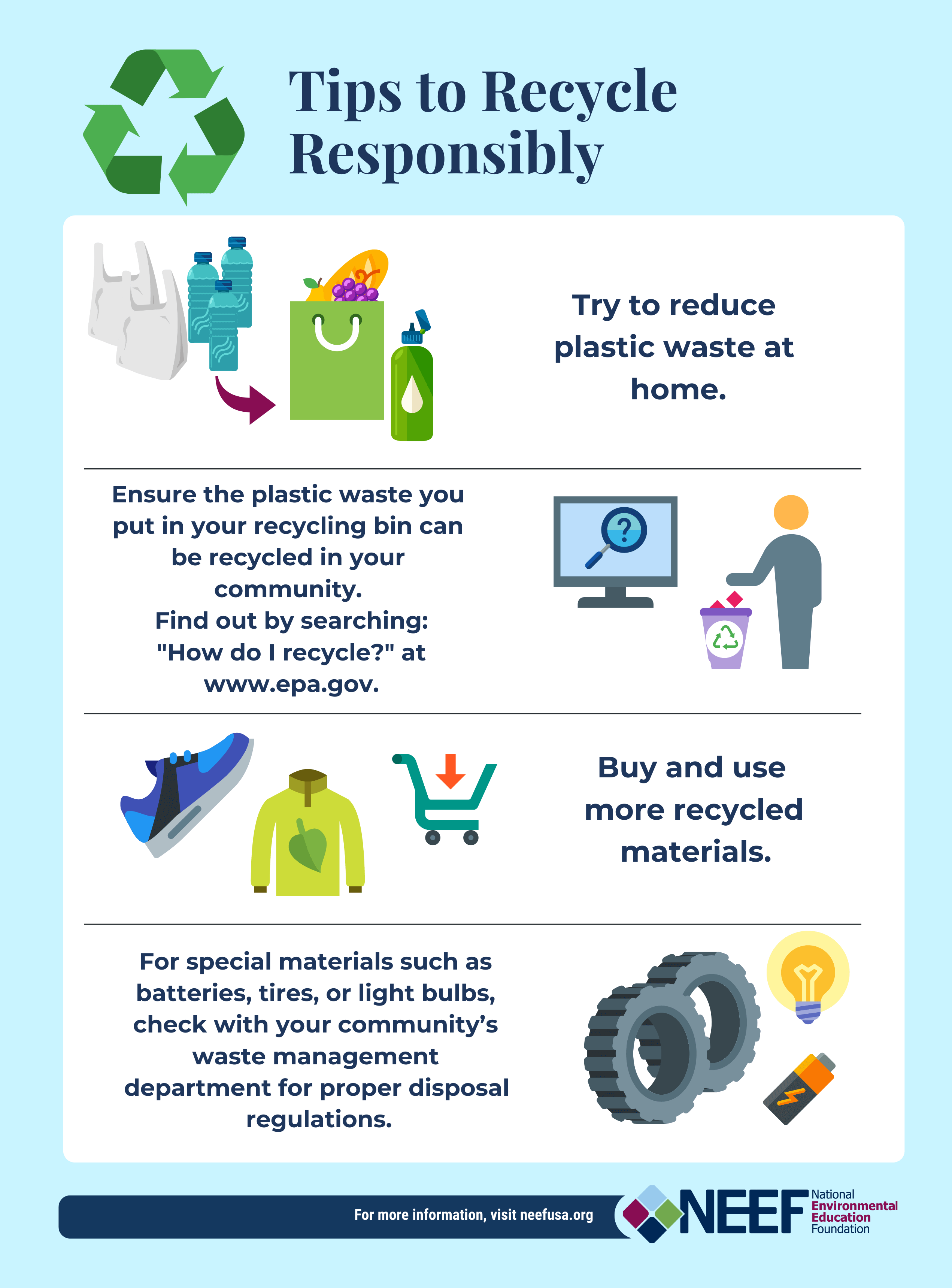
- Batteries: These can’t go in regular recycling. Take them to a drop-off location.
- Electronics: Recycle at e-waste centers.
- Plastic bags: Many stores collect these for recycling.
Common Sorting Mistakes
Beginners often make mistakes like:
- Recycling dirty containers
- Including plastic bags in curbside bins
- Putting hazardous items in recycling
Avoid these to keep your recycling clean and safe.
What Can And Cannot Be Recycled
Not all materials are recyclable. Sorting mistakes can cause problems at recycling centers.
Recyclable Items
Most programs accept:
- Cardboard
- Aluminum cans
- Glass bottles
- Plastic containers (#1, #2)
Some programs also take:
- Steel cans
- Paperboard (cereal boxes)
- Office paper
Non-recyclable Items
Usually, you cannot recycle:
- Food waste
- Greasy pizza boxes
- Styrofoam
- Ceramics
- Plastic wrappers
Check your local guide for special cases. Some cities recycle more materials than others.
Example: Comparing Recyclable And Non-recyclable Materials
| Material | Recyclable? | Reason |
|---|---|---|
| Plastic bottle (#1) | Yes | Accepted in most programs |
| Styrofoam cup | No | Cannot be processed |
| Greasy pizza box | No | Oil contaminates paper |
| Aluminum can | Yes | Highly recyclable |
| Ceramic mug | No | Not recyclable with glass |
Reducing Waste And Reusing Materials
Recycling is important, but reducing waste and reusing items are just as valuable. Reducing and reusing can save money and help the environment even more.
How To Reduce Waste
Try these practical steps:
- Buy products with less packaging
- Use reusable bags, bottles, and containers
- Choose bulk items instead of single-use packs
- Avoid disposable plates and utensils
Reusing At Home
Many items can be reused:
- Glass jars for storage
- Cardboard boxes for moving
- Old clothes for cleaning rags
Reusing reduces the need to buy new products and keeps materials out of landfills.
Example: Simple Ways To Reuse
- Turn old t-shirts into cleaning cloths
- Use coffee grounds as garden fertilizer
- Refill water bottles instead of buying new ones
Composting: An Alternative To Recycling
Composting is a way to recycle organic waste like food scraps and yard trimmings. It turns waste into rich soil for your garden.
How Composting Works
Composting breaks down natural materials with the help of microorganisms. You can compost:
- Fruit and vegetable peels
- Coffee grounds
- Egg shells
- Grass clippings
Avoid composting meat, dairy, or oily foods—they attract pests and smell.
Setting Up A Home Compost Bin
Follow these steps:
- Choose a bin: Buy a compost bin or make one from wood or plastic.
- Add materials: Mix “greens” (food scraps) and “browns” (leaves, paper).
- Turn the pile: Stir every week to help it break down.
- Use finished compost: After a few months, use it in your garden.
Composting Vs. Recycling: What’s The Difference?
| Composting | Recycling |
|---|---|
| Breaks down organic waste | Processes materials into new products |
| Produces soil for gardens | Produces raw materials for manufacturing |
| Reduces food waste | Reduces landfill waste |
Dealing With Hazardous And Special Waste
Some items require special disposal. Hazardous waste can harm people and the environment if not handled correctly.
Examples Of Hazardous Waste
- Batteries
- Paint
- Cleaning products
- Electronics
- Light bulbs
How To Dispose Safely
Never put hazardous items in regular recycling or trash. Use:
- Local collection events
- Special drop-off centers
- Store programs (some stores take batteries)
Check your city’s website for information.
Common Mistakes With Hazardous Waste
Many people throw batteries or electronics in the trash. This can leak chemicals into the environment. Always look for safe disposal options.
Teaching Kids And Family To Recycle
Getting the whole family involved makes recycling more successful. Kids can learn good habits early.
Simple Ways To Involve Kids
- Let children help sort items
- Use colorful bins and labels
- Play recycling games
- Teach why recycling is important
Example: Recycling Game For Kids
Create a game where kids sort pictures of items into the right bin. This helps them learn what’s recyclable in a fun way.
Making Recycling A Habit
Set reminders. Place bins in visible spots. Praise family members for recycling. Habits grow stronger when everyone participates.
Staying Updated: Local Rules And Global Trends
Recycling rules change often. New materials become recyclable, and technology improves.
Checking Local Guidelines
Always check your city’s recycling website or guide. Some cities recycle more types of plastics or have special collection days.
Global Recycling Trends
Worldwide, countries like Germany and Sweden recycle over 50% of their waste. The U.S. recycles about 32%. More cities are adding composting and electronics recycling.
Example: Why Rules Change
A city may stop accepting glass if there’s no market for it. Or start accepting more plastics as technology improves.
Advanced Tips For Efficient Home Recycling
Once you master the basics, you can take your recycling to the next level.
Reduce Contamination
Contamination happens when wrong items are mixed in. It can ruin whole batches of recyclables.
- Rinse containers well
- Don’t include plastic bags
- Keep food out of recycling
Track Your Progress
Keep a log of how much you recycle. Set goals for your family. Celebrate improvements.
Try Recycling Unusual Items
Some cities recycle:
- Mattresses
- Clothing
- Cooking oil
Find out what’s accepted in your area.
Donate Instead Of Disposing
If you have items in good condition (clothes, toys, furniture), donate them. This extends their life and helps others.
Common Recycling Myths
Many people believe myths about recycling. Knowing the truth helps you recycle better.
Myth 1: Everything With A Recycling Symbol Can Be Recycled
Not all items with the triangle symbol are accepted locally. Always check your city’s rules.
Myth 2: It’s Okay To Leave Food In Containers
Food can spoil recycling. Rinse all containers before recycling.
Myth 3: Recycling Takes Too Much Time
With a good setup, recycling takes just a few extra seconds. It’s easy once it becomes a habit.
Data And Benefits Of Home Recycling
Home recycling has clear benefits. Here are some facts:
- Recycling one ton of paper saves 17 trees and 7,000 gallons of water
- Recycling aluminum saves enough energy to run a TV for 3 hours
- Every glass bottle recycled saves enough energy for a light bulb to run 4 hours
The U.S. Environmental Protection Agency says that recycling and composting saved 95 million tons of waste from landfills in 2018.
Practical Challenges And Solutions
Recycling at home is not always simple. You may face challenges, but there are solutions.
Challenge 1: Confusing Local Rules
Solution: Print or bookmark your city’s recycling guide. Post it near your bins.
Challenge 2: Lack Of Space
Solution: Use small, stackable bins. Hang bags on doors.
Challenge 3: Forgetting To Recycle
Solution: Set phone reminders or leave notes near bins.
Challenge 4: Mixed Materials
Solution: Choose products with simple packaging. Avoid items with mixed materials (like paper-plastic composites).
Real-life Examples Of Home Recycling Success
Families and communities have made a difference by recycling at home.
Example 1: Apartment Recycling
A group of neighbors in Chicago started a recycling program with labeled bins in their building. They reduced landfill waste by 40% in six months.
Example 2: Family Composting
A family in California began composting food scraps. They produced enough compost for a small garden and cut their trash output by 30%.
Example 3: Community Drop-off
A town in Vermont set up a drop-off center for hard-to-recycle items like batteries and electronics. It improved recycling rates and kept hazardous waste out of landfills.

Frequently Asked Questions
How Do I Know If Something Is Recyclable?
Check the packaging for recycling symbols. Look for numbers inside the triangle, and compare them to your local guide. When unsure, visit your city’s recycling website or ask at a local center.
Can I Recycle Plastic Bags At Home?
Most curbside programs do not accept plastic bags. Take them to a grocery store with a collection bin. Never put plastic bags in your home recycling bin—they can jam sorting machines.
Should I Remove Labels From Cans And Bottles?
Labels are usually removed during the recycling process. You don’t need to peel them off. But always rinse containers to remove food residue.
Can I Recycle Pizza Boxes?
If the box is clean, recycle it. If it has grease or food stains, it cannot be recycled. Tear off clean parts and recycle those.
What Should I Do With Batteries And Electronics?
Never put batteries or electronics in regular recycling. Find a local drop-off center or special collection event. Many stores accept old batteries and electronics for safe disposal.
Final Thoughts
Recycling at home is not just a trend—it’s a practical step for a better environment. With the right knowledge and setup, you can make recycling easy for your family. Start with simple changes, like sorting materials and rinsing containers. Learn your local rules and stay updated as recycling evolves.
Remember, reducing and reusing are just as important as recycling. By taking action, you help save resources, reduce pollution, and inspire others to do the same.
For more detailed information on recycling, visit the EPA’s official recycling page.
Recycling is a journey. With every can, bottle, or paper you recycle, you make a difference. Start today—and see how easy and rewarding it can be.

