

A Cuisinart DCC-3200P1 14-Cup Coffee Maker not heating usually points to power, scale buildup, or a failed heating element.
If your Cuisinart DCC-3200P1 14-Cup Coffee Maker is not heating, the problem can feel frustrating fast, especially when the machine powers on but never gets the water hot enough to brew. I’ve seen this issue many times in countertop drip brewers, and the fix is often simpler than people expect. In this guide, I’ll walk you through the most likely causes, practical troubleshooting steps, and the repair signs that tell you when the machine needs replacement or professional service.

36% off Today’s Exclusive Deals
Limited-time Exclusive Deals. Check current discount on Amazon.
Check Price on Amazon As an Amazon Associate I earn from qualifying purchases.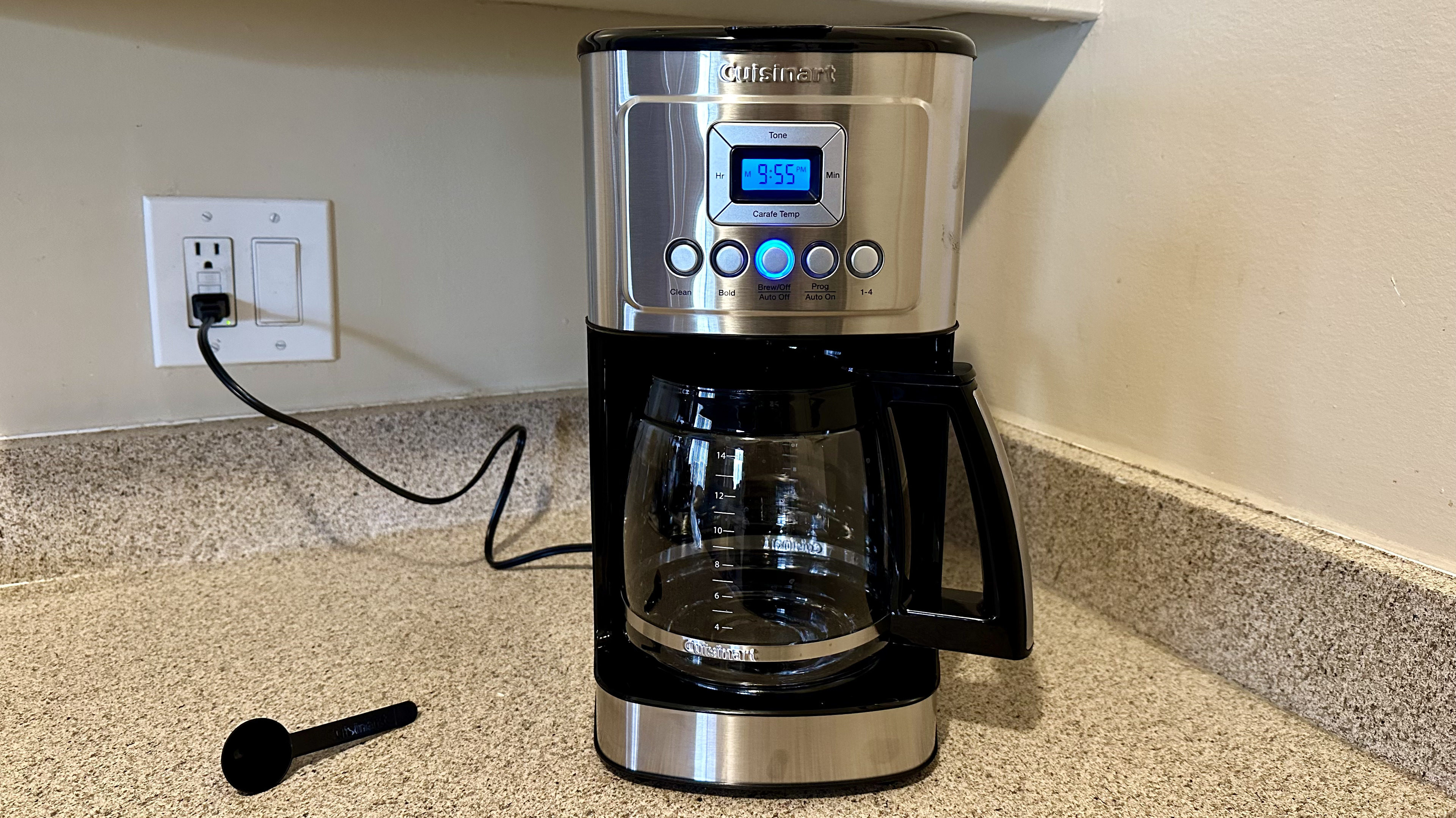
Why the Cuisinart DCC-3200P1 14-Cup Coffee Maker may not heat
When a Cuisinart DCC-3200P1 14-Cup Coffee Maker not heating issue shows up, it usually means one of three things: the unit is not getting stable power, the heating path is blocked by mineral scale, or the internal heater has failed. Drip coffee makers rely on a simple but precise heating system. If any part of that chain breaks, the brew water stays lukewarm or cold.
In my experience, the most common mistake is assuming the whole machine is dead. Many times, the display lights up and the clock works, but the heating plate or water heater cannot keep up because of buildup or a weak internal part. That is why it helps to work through the issue step by step instead of guessing.
Common causes of heating problems
Several issues can cause a Cuisinart DCC-3200P1 14-Cup Coffee Maker not heating. Some are easy to fix at home, while others point to an internal failure.
Power supply problems
If the machine is not receiving steady power, the heater cannot run correctly. This may happen because of a loose outlet, a damaged cord, or a worn plug connection.
Check for these signs:
- The machine turns on, but heating is weak or inconsistent
- The display flickers or resets
- The unit works in one outlet but not another
A simple outlet test can save time. Plug in another appliance, like a lamp, to see if the outlet is stable.
Mineral buildup inside the brewer
Hard water leaves mineral deposits inside coffee makers over time. These deposits can slow water flow and insulate the heating system, which makes the Cuisinart DCC-3200P1 14-Cup Coffee Maker not heating properly.
This is especially common if you skip regular descaling. Even a machine that seems clean on the outside can be heavily coated inside.
Faulty heating element
The heating element is the part that warms the water and keeps the carafe hot. If it burns out or weakens, the machine may still power on but fail to reach brewing temperature.
This is often the case when:
- The coffee stays cold even after a full brew cycle
- The warming plate feels only slightly warm
- The problem continues after cleaning and descaling
Thermostat or thermal fuse failure
Many coffee makers use a thermostat or thermal fuse to control heat safely. If one of these parts fails, the machine may shut off heat to prevent damage.
This is a safety feature, but it also means the brewer may need repair or replacement. If the unit stopped heating after a power surge or overheating event, this is a real possibility.
Internal wiring or control board issues
Modern brewers use electronic control boards and wiring connections to manage brew cycles. A loose wire, burnt connector, or damaged board can stop the heater from working.
These problems are harder to diagnose at home. If the machine behaves oddly, such as starting a cycle but never heating water, the control system may be part of the issue.
Step-by-step troubleshooting for the Cuisinart DCC-3200P1 14-Cup Coffee Maker not heating
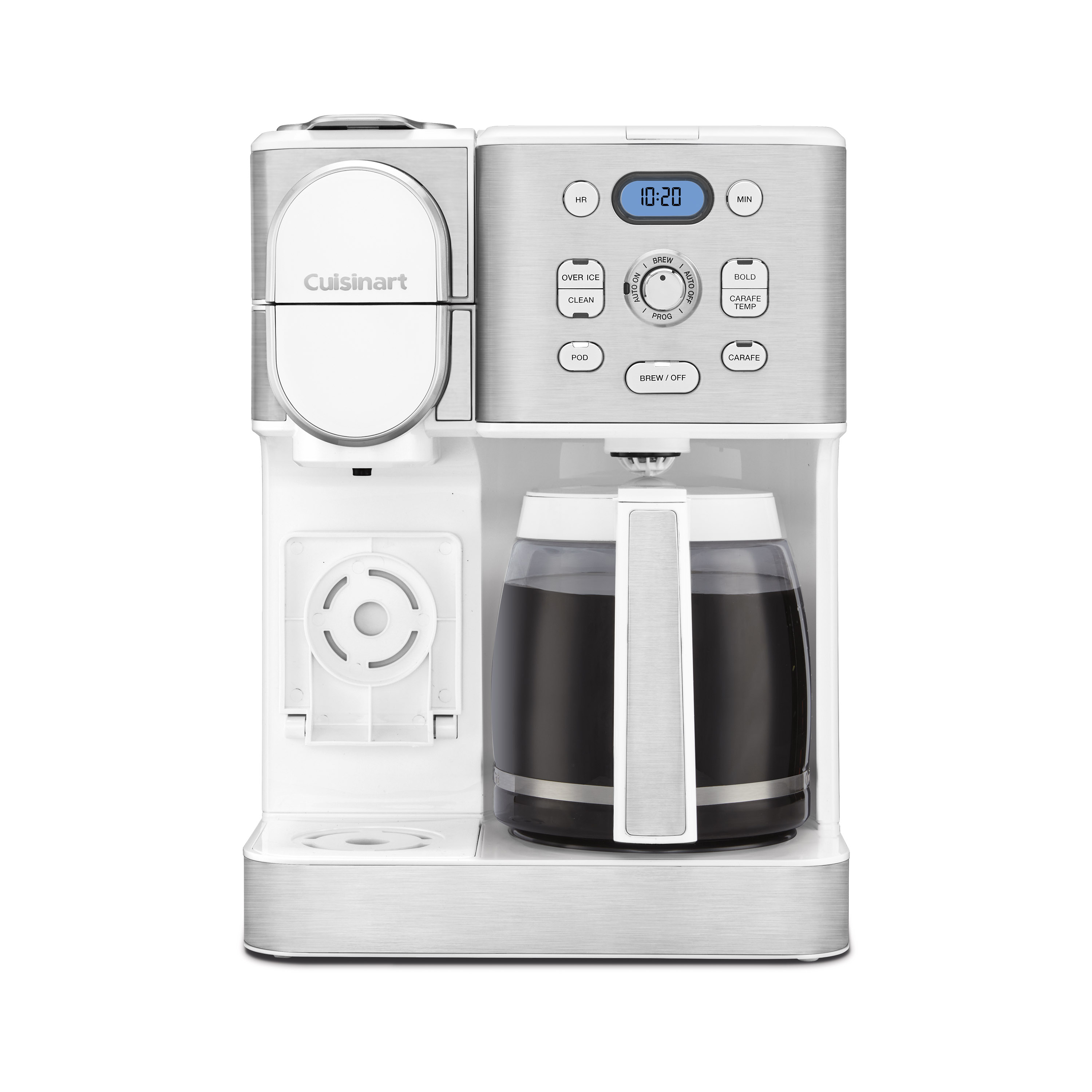
Before you replace the brewer, try a basic troubleshooting routine. This is the same process I use when helping people narrow down coffee maker problems, and it often reveals the real cause quickly.
1. Confirm the outlet works
First, plug the coffee maker into a different outlet. Then test the original outlet with another small appliance.
If the brewer works in the second outlet, the problem is not the coffee maker. It is likely a home electrical issue.
2. Check the power cord and plug
Look closely at the cord for cuts, kinks, or scorch marks. Make sure the plug fits firmly into the outlet and does not feel loose.
If the cord is damaged, stop using the machine. A bad cord can be a safety risk, not just a heating issue.
3. Run a full descaling cycle
Descaling is one of the most important fixes for a Cuisinart DCC-3200P1 14-Cup Coffee Maker not heating. Use a descaling solution or a vinegar-water mix if recommended in your care routine, then run a brew cycle without coffee grounds.
A good descaling process can restore water flow and improve heat transfer. If the machine has not been cleaned in months, this step is often the breakthrough.
4. Clean the water reservoir and filter area
Check for coffee oils, debris, or buildup in the reservoir, filter basket, and showerhead. Blockages can affect how water moves through the brewer and may make it seem like the machine is not heating.
Use warm water, mild soap, and a soft cloth. Avoid harsh scrubbing that could damage plastic parts.
5. Test with fresh water and no extra accessories
Sometimes the issue is not the machine itself but the setup. Try brewing with plain water, no paper filter issues, and no third-party accessories.
This helps you rule out user-side problems like an overfilled basket or incorrect brew setup.
6. Let the machine cool and retry
If the brewer overheated, an internal safety feature may temporarily shut down heating. Unplug it, let it cool for 20 to 30 minutes, then try again.
I’ve seen this happen after repeated back-to-back brews. Once the machine cools, it may return to normal.
How to know whether the problem is repairable
Not every Cuisinart DCC-3200P1 14-Cup Coffee Maker not heating issue can be fixed with cleaning. The key is knowing when the machine is still worth saving.
A problem is usually repairable when:
- The machine powers on normally
- The issue started gradually
- Descaling improves performance, even a little
- The heating is inconsistent, not completely dead
A problem is often not worth repairing when:
- The unit has no heat at all after cleaning
- The power cord is damaged
- There is a burnt smell or visible heat damage
- The machine is older and out of warranty
For most home users, replacement is more practical than internal repair if the heating element or control board has failed. Coffee makers in this class are typically not designed for easy part replacement by consumers.
Preventing future heating issues
The best way to avoid another Cuisinart DCC-3200P1 14-Cup Coffee Maker not heating problem is regular care. A little maintenance goes a long way.
Use filtered water
Filtered water reduces mineral buildup inside the machine. That means less stress on the heating system and longer life for the brewer.
Descale on a regular schedule
If you have hard water, descale more often. Many households benefit from cleaning the machine every 1 to 3 months, depending on use and water quality.
Empty and dry the unit after use
Leaving water in the tank can lead to mineral spots and odor. Emptying the reservoir and letting parts dry helps keep the machine cleaner.
Avoid overloading the machine
Using the wrong brew volume or packing the filter area too tightly can strain the brew process. A smooth water path helps the machine heat and brew more evenly.
Store the coffee maker safely
Keep the machine away from moisture, stove heat, and unstable outlets. Small environmental factors can shorten the life of the heating parts.
What I have learned from real troubleshooting
One thing I have learned from working with drip coffee makers is that heat problems often look bigger than they are. A machine that seems broken may simply be clogged with mineral scale and needs a deep cleaning. I have also seen people replace a brewer too early because they never checked the outlet or cord first.
The biggest lesson is to start with the easy fixes. If you rush to a replacement, you can miss a simple issue that takes 15 minutes to solve. Think of it like a car that will not start: you check the battery before you assume the engine is gone.
When to contact support or replace the machine
If your Cuisinart DCC-3200P1 14-Cup Coffee Maker not heating after descaling, outlet testing, and a full inspection, it may need service. Contact support if the unit is still under warranty or if you suspect a defective heating component.
Replacement makes more sense when:
- The brewer is several years old
- The repair cost is close to the cost of a new unit
- Multiple components are failing at once
- Safety is a concern
If the machine has electrical damage, do not keep testing it repeatedly. Safety should always come first.

Frequently Asked Questions of Cuisinart DCC-3200P1 14-Cup Coffee Maker not heating
Why is my Cuisinart DCC-3200P1 14-Cup Coffee Maker turning on but not heating?
This usually means the machine has power, but the heating system is blocked or damaged. The most common causes are mineral buildup, a bad heating element, or a faulty thermostat.
How do I reset my Cuisinart DCC-3200P1 14-Cup Coffee Maker?
Unplug the machine, let it sit for 20 to 30 minutes, then plug it back in and try again. This can help if a safety feature or temporary glitch is stopping the heating cycle.
Can descaling fix a Cuisinart DCC-3200P1 14-Cup Coffee Maker not heating?
Yes, descaling often helps if mineral buildup is the cause. It can improve water flow and heat transfer, especially in homes with hard water.
Why does my coffee maker brew cold coffee?
Cold coffee can happen if the water is not reaching the right temperature during brewing. That usually points to a heater, thermostat, or scale problem inside the machine.
Is it worth repairing a Cuisinart DCC-3200P1 14-Cup Coffee Maker not heating?
It depends on the age of the machine and the cause of the failure. If cleaning and simple checks do not help, internal repairs may cost more than replacing the brewer.
Conclusion
A Cuisinart DCC-3200P1 14-Cup Coffee Maker not heating issue is often tied to power, scale buildup, or a failing internal part. The good news is that many cases can be solved with simple checks like outlet testing, descaling, and cleaning the brew path.
If your brewer still will not heat after those steps, the problem may be deeper inside the machine. Take the time to diagnose it carefully, avoid unsafe use, and choose the fix that makes the most sense for your budget and safety. If this guide helped, keep it handy for future troubleshooting and share it with someone who might need a faster cup of coffee.

