

Many people today experience muscle stiffness, whether after a hard workout, a long day sitting at a desk, or because of certain health conditions. This tight, uncomfortable feeling can make it harder to move and sometimes even cause pain. In recent years, massage guns have become a popular tool for easing sore, stiff muscles. These handheld devices claim to help your muscles recover faster and feel more relaxed. But do they really work, and can they help with muscle stiffness? Let’s dive deep into the science, the real-life results, and what you should know before using a massage gun.
What Is Muscle Stiffness?
Muscle stiffness means your muscles feel tight or difficult to move. You might notice this after exercising, waking up in the morning, or when you have not moved much for a while. Sometimes, the stiffness includes mild pain, especially when you try to stretch or use the muscle.

36% off Today’s Exclusive Deals
Limited-time Exclusive Deals. Check current discount on Amazon.
Check Price on Amazon As an Amazon Associate I earn from qualifying purchases.Why Do Muscles Get Stiff?
- Exercise: Intense activity causes small tears in muscle fibers, leading to soreness and tightness.
- Lack of movement: Sitting or lying down for long periods makes muscles shorten and stiffen.
- Injury: Sprains or strains can cause the muscles to tighten to protect themselves.
- Medical conditions: Problems like arthritis, fibromyalgia, or muscle disorders can cause ongoing stiffness.
Muscle stiffness is usually temporary. But if it lasts a long time, or is severe, it might signal a health problem that needs medical attention.
How Do Massage Guns Work?
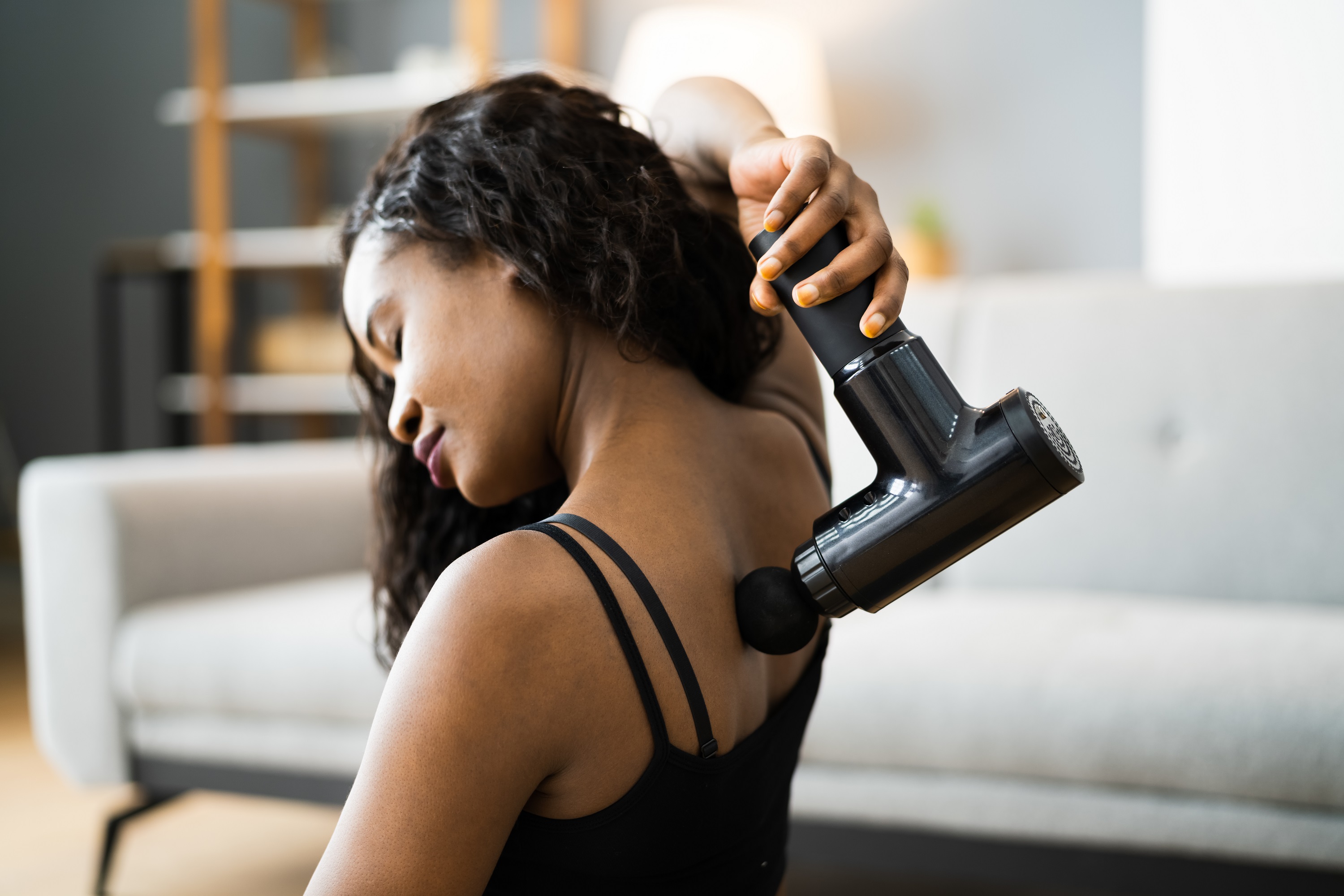
Massage guns use a technique called percussive therapy. This means the device rapidly moves back and forth, pushing into your muscles and pulling away many times per second. The movement is fast, strong, and rhythmic—much like getting tapped with a small hammer.
Key Features Of Massage Guns
- Speed settings: Most devices let you choose how fast the head moves.
- Attachment heads: Different shapes target specific muscles or areas.
- Amplitude: This is how deep the head moves with each pulse.
- Portability: Many are cordless and easy to carry.
The idea is that these repeated hits increase blood flow, warm up the tissues, and help reduce tightness. Some devices even claim to break up muscle “knots” or adhesions.
What Science Says About Massage Guns And Muscle Stiffness
Let’s look at the research. While massage guns are new, percussive therapy has been studied for years.
Research Findings
- Increased blood flow: A study published in the Journal of Clinical Medicine found that percussive therapy can improve blood circulation in muscles, which may help with recovery and reduce stiffness.
- Reduced muscle soreness: Research from 2014 showed that percussive massage can decrease delayed onset muscle soreness (DOMS) after exercise, which is often linked to stiffness.
- Improved range of motion: Another study reported better flexibility and less tightness after using percussive therapy devices.
However, it’s important to know that most research is still limited. Many studies use small groups, and the long-term effects of regular massage gun use are not fully known.
Expert Opinions
Physical therapists and sports trainers often use massage guns with their clients. They say that these devices can:
- Warm up muscles before exercise
- Help relax tight areas after activity
- Make stretching more effective
But most agree: massage guns are not a cure-all. They are one tool among many for managing muscle stiffness.
Massage Guns Vs Other Muscle Stiffness Treatments
How do massage guns compare to other ways of relieving stiff muscles? Here’s a side-by-side look at three popular options.
| Method | How It Works | Pros | Cons |
|---|---|---|---|
| Massage Gun | Percussive hits increase blood flow and relax tissue | Quick, portable, easy to use alone | Can be noisy, requires battery, not for all body parts |
| Foam Rolling | Roller applies pressure to break up tight spots | Cheap, effective for large areas, increases flexibility | Can be painful, hard to use on some muscles |
| Traditional Massage | Manual kneading, rubbing, stretching by a therapist | Custom approach, deeply relaxing, targets problem areas | Expensive, needs appointment, not always available |
Each method has its strengths and weaknesses. Massage guns are fast and convenient, but they don’t replace the skill of a trained therapist.
Benefits Of Massage Guns For Muscle Stiffness
Massage guns have become popular for a reason. Here are the main benefits that users and some studies report:
1. Fast Relief
Many people feel relief within a few minutes of using a massage gun. The quick tapping helps loosen stiff muscles and can make it easier to move right away.
2. Improved Blood Flow
The repeated hits push blood through the muscle, bringing fresh oxygen and nutrients. This helps the tissue recover and can speed up healing after exercise or injury.
3. Easy To Use Alone
Unlike traditional massage, you do not need another person. You can use a massage gun on your own at home, at the gym, or even at work.
4. Customizable Settings
Most massage guns let you change the speed and the head type. You can adjust the pressure and angle to match your comfort level and the size of the muscle.
5. May Improve Flexibility
Regular use may help keep muscles looser and more flexible. This can be especially helpful if you have a desk job or do repetitive movements.
6. Portable
Modern massage guns are lightweight and cordless. You can carry them in your gym bag or suitcase, making it easy to manage muscle stiffness anywhere.
Limitations And Risks Of Massage Guns
Massage guns are not perfect and not suitable for everyone. Here’s what you need to consider:
Not A Medical Treatment
If your muscle stiffness comes from a health problem like a torn muscle, nerve damage, or a disease, a massage gun will not cure the cause. It only helps with mild, everyday stiffness.
Possible Side Effects
Some people feel soreness, bruising, or even numbness if they use the device too hard or too long. Sensitive areas, like the neck or joints, can be injured if you are not careful.
Not For Everyone
- Pregnant women: Should avoid using massage guns on the lower back, abdomen, or legs without medical advice.
- People with blood clots or bleeding disorders: Should not use these devices, as the pounding can cause problems.
- People with nerve disorders: Could make symptoms worse.
If you are not sure, ask your doctor or a physical therapist before using a massage gun.
Quality Varies
Cheap massage guns may have weak motors, short battery life, or poor build quality. This can lead to disappointment or even device failure.
How To Use A Massage Gun For Muscle Stiffness
To get the best results and avoid injury, follow these steps:
- Choose the right head: Start with a larger, softer head for big muscle groups. Use smaller heads for focused areas.
- Turn on the device: Begin at a low speed.
- Place the gun on the muscle: Do not press hard—let the device do the work.
- Move slowly: Glide the gun along the muscle for 30 seconds to 2 minutes.
- Avoid bones and joints: Only use on muscle tissue.
- Increase speed/pressure if needed: But never use so much that it hurts.
Sample Routine
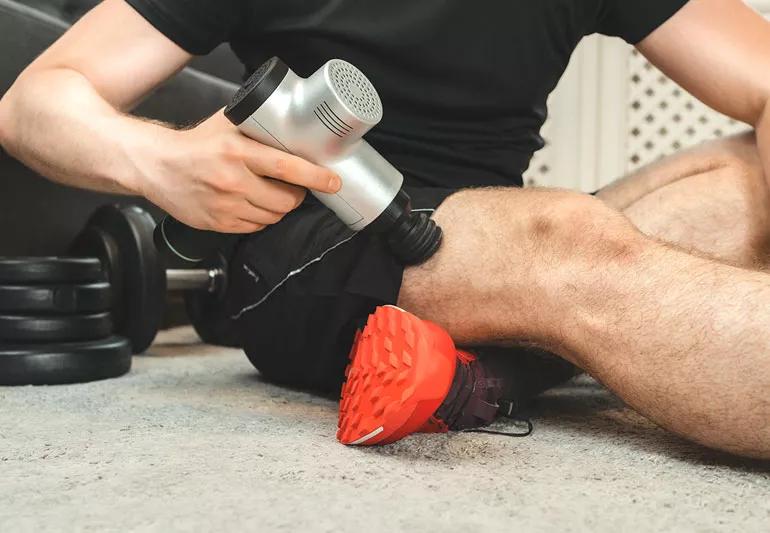
Suppose your thighs feel stiff after running. Use a large round head, move the gun slowly up and down the front, side, and back of each thigh for 1–2 minutes per area. Repeat on other stiff muscles.
Common Mistakes
- Using too much pressure
- Staying in one spot too long (causes bruising)
- Using on injured or inflamed areas
- Ignoring pain signals
Listen to your body. If something hurts, stop.
When To Use A Massage Gun
Massage guns can be used at different times, depending on your goal:
- Before exercise: To warm up muscles and increase blood flow.
- After exercise: To help muscles relax and recover.
- Anytime you feel stiff: A few minutes can help loosen up.
If you have chronic stiffness, regular use (once or twice a day) may help. But you should also stretch, move often, and address the cause of the stiffness.
Real-world Experiences
Many athletes and gym-goers use massage guns as part of their routine. For example, professional basketball players use them on the sidelines to stay loose between games. Office workers often use them at the end of the day to help with stiff backs or shoulders.
Maria, a runner, says: “After long runs, my calves get so tight it’s hard to walk. I use my massage gun for two minutes on each calf, and the tight feeling goes away much faster than with stretching alone.”
However, some people find the noise or vibration uncomfortable. Others say the benefit is short-lived or not as strong as a full-body massage.
Massage Guns Vs Other Muscle Recovery Tools
Massage guns are just one tool in a big toolbox. Here’s a look at how they compare with other popular devices.
| Device | Cost Range | How It Works | Best For |
|---|---|---|---|
| Massage Gun | $50–$400 | Percussive vibration | Quick relief, deep muscles |
| Foam Roller | $20–$60 | Body weight pressure | Large muscle groups |
| Lacrosse Ball | $5–$15 | Pinpoint pressure | Small knots, trigger points |
| Electric Heating Pad | $15–$50 | Heat therapy | Gentle muscle relaxation |
Massage guns are more expensive than some tools but offer more power and flexibility. Each tool has its place, and many people combine them for the best results.
What To Look For When Choosing A Massage Gun
If you decide to buy a massage gun, there are a few key factors to consider. Here’s what matters most:
Power And Speed Settings
You want a device with enough power to reach deep muscles but also gentle options for sensitive areas. Multiple speed settings let you adjust for comfort.
Battery Life
Look for a battery that lasts at least 2–3 hours of use. Short battery life can be frustrating, especially if you travel.
Attachment Heads
More head shapes mean more ways to target different muscle groups. At least three heads is a good start.
Noise Level
Some massage guns are very loud. If you plan to use it at night or in shared spaces, find a quieter model.
Size And Weight
If you need to carry it around, choose a lighter, smaller design.
Warranty And Support
A good warranty protects your investment. Check for customer support and easy returns.
Price
Expensive does not always mean better. Many mid-range options offer great value and performance.
When Massage Guns Are Not Enough
If your muscle stiffness is severe, ongoing, or comes with other symptoms like numbness, swelling, or fever, a massage gun is not the answer. These can be signs of:
- Muscle tear
- Infection
- Blood clot
- Nerve injury
In these cases, see a doctor or physical therapist for help. Using a massage gun could make things worse.

Practical Tips For Getting The Most From Your Massage Gun
Here are some expert tips that beginners often miss:
- Warm up first: Muscles respond better to massage when they are a little warm. Try light movement or a quick shower before you begin.
- Hydrate: Drink water before and after using the device. Good hydration helps your muscles recover faster.
- Combine with stretching: Use the gun before or after gentle stretching to maximize results.
Common Myths About Massage Guns
Let’s clear up some misunderstandings:
- “Massage guns break up lactic acid.” This is not true. Lactic acid leaves the muscles naturally in less than an hour after exercise. The gun helps with blood flow and relaxing tight tissue.
- “Anyone can use a massage gun anywhere.” Some areas, like the front of the neck, spine, or over bones, should be avoided. Always follow safety instructions.
Latest Innovations In Massage Gun Technology
As massage guns become more popular, companies are adding new features:
- Smart sensors: Some high-end models measure how hard you press and give feedback.
- Bluetooth connections: You can track usage and get routines through apps.
- Heated heads: Add warmth for extra muscle relaxation.
- Quieter motors: New designs reduce noise, making use more comfortable.
These upgrades can help you get more from your device, but the basics—safe, regular use—are most important.
How Massage Guns Fit Into A Healthy Lifestyle
Massage guns work best as part of a larger self-care routine. Here’s how to combine them for the best results:
- Stay active: Move every day, even if it’s just a short walk.
- Stretch regularly: Gentle stretching keeps muscles flexible.
- Eat well: Good nutrition supports muscle health.
- Rest: Give your body time to recover after workouts or long periods of sitting.
Massage guns are a helpful tool, not a replacement for healthy habits.
Real-world Example: Office Workers And Muscle Stiffness
Many office workers complain about stiff necks, backs, and shoulders. A massage gun can quickly loosen these muscles during a break. For example, using the gun on your shoulders for two minutes can relieve tension built up from hours at the computer.
But remember, the best solution is to combine this with regular movement—stand up, stretch, and walk around every hour.
Supporting Evidence And Further Reading
For those interested in the science, you can read more about percussive therapy and muscle recovery at the National Center for Biotechnology Information.
Frequently Asked Questions
Can I Use A Massage Gun Every Day For Stiffness?
Yes, you can use a massage gun daily if you follow safety guidelines. Limit each muscle group to 1–2 minutes. If you feel pain, numbness, or bruising, stop and give your muscles time to recover.
Are Massage Guns Safe For Everyone?
Most healthy adults can use a massage gun safely. Avoid using on injuries, broken skin, or areas with poor sensation. Pregnant women, people with blood disorders, or nerve problems should ask their doctor first.
How Long Does It Take To Feel Results?
Many people feel less stiff right after using the device. For some, it takes a few sessions to notice real improvement, especially if muscle tightness is long-lasting.
Is A Massage Gun Better Than Stretching?
They work best together. Massage guns quickly loosen tight tissue, while stretching helps maintain long-term flexibility. Neither is enough on its own for total muscle health.
Can A Massage Gun Replace A Professional Massage?
No. A massage gun is helpful for daily relief, but a trained therapist can target deeper issues and adjust for your body. Use the device between appointments or when you need quick help.
Muscle stiffness can slow you down, but with smart use of massage guns and healthy habits, you can keep moving comfortably and feel your best.

