

Everywhere you look, there are ads and social media posts about massage guns. Athletes, office workers, and even casual fitness fans are using these handheld devices. Many claim they help with sore muscles, recovery, and even posture. But can massage guns really help you stand straighter or fix rounded shoulders? If you spend long hours hunched over a computer or feel stiff after a day at work, you might wonder if buying a massage gun is a smart step for your posture.
This article explores how massage guns work, what science says about posture, and whether these tools can make a real difference. You’ll get clear answers, practical tips, and facts you might not hear from salespeople. By the end, you’ll know if a massage gun should be part of your routine, what results you can expect, and what other steps matter for better posture.

36% off Today’s Exclusive Deals
Limited-time Exclusive Deals. Check current discount on Amazon.
Check Price on Amazon As an Amazon Associate I earn from qualifying purchases.Understanding Posture: More Than Standing Tall
Good posture is not just about looking confident or tall. It means your body is aligned in a way that puts the least strain on your muscles and joints. When posture is poor, muscles get tired and joints can wear out faster. Common posture problems include:
- Rounded shoulders
- Forward head
- Slouching in the lower back
- Tilted hips
Many people develop these issues because of desk jobs, using phones, or heavy bags. Over time, bad posture can cause pain, headaches, and even breathing problems. Fixing posture often means more than just “standing up straight. ” It involves muscles, habits, and sometimes special tools.
How Massage Guns Work
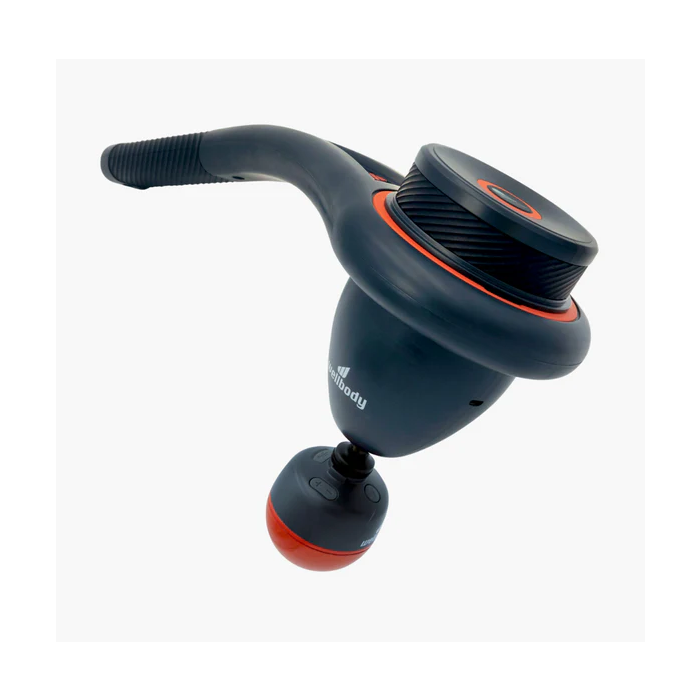
Massage guns, also called percussive therapy devices, use a fast-moving head to pound or vibrate muscles. This creates pressure and movement deep inside the muscle tissue. The main goals are:
- Reduce muscle tightness
- Increase blood flow
- Speed up recovery after exercise
- Relieve pain
People use them on sore spots, tight muscles, and trigger points. Most devices have different speeds and heads for various body parts. The science behind massage guns is linked to myofascial release, which means relaxing the layer of tissue around muscles.

The Connection Between Muscles And Posture
Your posture depends on a balance between different muscle groups. Some muscles become too tight and short, pulling your body out of alignment. Others become weak and overstretched. For example:
- Chest muscles (pectorals) often get tight from hunching forward.
- Upper back muscles (rhomboids, trapezius) become weak and stretched.
- Hip flexors tighten from sitting, tilting the pelvis forward.
- Core muscles can weaken, leading to slouching.
If you only focus on stretching or strengthening, you may not see full improvement. That’s why some experts recommend soft tissue work like massage, which targets muscle tightness directly.
Can Massage Guns Really Help With Posture?
Massage guns do not change bones or instantly “fix” posture. But they can make a difference by targeting the muscles that cause bad alignment. Here’s how:
1. Releasing Tight Muscles
Tight, shortened muscles often pull your body into poor posture. For example, if your chest is tight, your shoulders round forward. Using a massage gun on these areas can:
- Loosen muscle fibers
- Reduce trigger points
- Make stretching easier
When tightness goes down, you have more freedom to move and hold better posture.
2. Improving Body Awareness
Using a massage gun helps you feel where muscles are tense or sore. This awareness can remind you to sit up or move differently. Sometimes people do not realize which muscles are causing their discomfort until they try massaging them.
3. Supporting Other Posture Work
Massage guns work best with exercises and stretching. When combined, you can release tight muscles and strengthen weak ones. This full approach leads to longer-lasting posture changes.
4. Reducing Pain And Fatigue
Bad posture often leads to muscle pain or tiredness. A massage gun can give quick relief, making it easier to keep good habits without discomfort.
What Science Says About Massage Guns And Posture
There are not many large studies on massage guns and posture alone. Most research focuses on muscle recovery, pain relief, and flexibility. However, some findings support their role in posture work:
- A study in the Journal of Sports Science & Medicine found that percussive therapy can improve range of motion and reduce muscle soreness.
- Another study showed massage guns help reduce muscle stiffness after exercise, which may help with movement quality.
- There is evidence that myofascial release, including with massage guns, increases flexibility. This is important for correcting tight muscles that affect posture.
While massage guns are not a magic solution, they are useful for releasing muscle tension—a key part of posture correction. But, results last longer when you also strengthen weak muscles and change daily habits.
When To Use A Massage Gun For Posture
Massage guns can help in several situations:
- After long periods at a desk: Use on the chest, shoulders, or lower back to relax tight muscles.
- Before stretching or exercise: Loosen muscles so you can stretch deeper or move better.
- When you notice pain or stiffness: Target sore spots to release tension.
- As part of a posture routine: Combine with core exercises and stretching for best results.
Practical Steps: Using A Massage Gun For Better Posture
To get the most from a massage gun, follow these steps:
1. Identify Problem Muscles
Common tight areas for poor posture include:
- Chest/pecs
- Upper shoulders/trapezius
- Lower back/lumbar
- Hip flexors
Feel for sore, tight, or knotted spots. These are usually the muscles pulling your body out of alignment.
2. Use The Right Technique
- Start with low speed and light pressure, especially if new to massage guns.
- Move the head slowly across the muscle (about 1 inch per second).
- Spend 30 seconds to 2 minutes on each muscle group.
- Avoid bones, joints, and the front of the neck.
3. Combine With Other Corrections
Massage guns work best when you also:
- Stretch tight muscles after using the gun.
- Strengthen weak muscles (like the upper back, core, and glutes).
- Change daily habits—stand up often, adjust your chair, or set reminders to check your posture.
4. Be Consistent
Use the massage gun a few times a week for ongoing results. Consistency is more important than long sessions.
Example Routine: Massage Gun For Desk Workers
If you work at a desk, try this routine 3–4 times a week:
- Chest (Pectorals): 1 minute per side
- Front of Shoulders (Anterior Deltoid): 1 minute per side
- Upper Back (Trapezius/Rhomboids): 1 minute each area
- Lower Back: 1 minute
- Hip Flexors: 1 minute per side
Follow with gentle stretching and 5 minutes of posture exercises (like wall angels or rows).
Areas To Avoid With A Massage Gun
Some body parts are not safe for massage guns:
- Bones and joints: Can cause pain or injury.
- Front or sides of neck: Sensitive nerves and blood vessels.
- Spine: Use only on muscles next to, not directly on, the bones.
- Injured or inflamed areas: Wait until pain/swelling goes down.
Always read your device’s instructions and check with a doctor if you have medical conditions.
Risks, Limitations, And Common Mistakes
Massage guns are safe for most healthy adults, but there are some things to watch out for:
Risks
- Bruising: Pressing too hard can damage the skin or muscle.
- Nerve irritation: Using on the neck or other sensitive areas.
- Worsening injuries: Not for use on sprains, fractures, or fresh wounds.
- Overuse: Too much can make muscles sore or tired.
Common Mistakes
- Thinking massage guns alone will fix posture: You also need exercises and habit changes.
- Ignoring weak muscles: Only releasing tightness does not balance your body.
- Using poor technique: Moving too fast, pressing too hard, or staying too long on one spot.
- Skipping daily movement: Sitting all day, even with massage, will slow progress.
Comparing Massage Guns To Other Posture Tools
Massage guns are not the only tool for muscle release and posture correction. Here’s how they compare to some common options:
| Tool | How It Works | Main Benefit | Limitation |
|---|---|---|---|
| Massage Gun | Percussive/vibration therapy | Deep muscle release, quick use | Can be noisy or heavy |
| Foam Roller | Body weight rolling | Large muscle groups, low cost | Hard to target small areas |
| Lacrosse/Therapy Ball | Point pressure | Pinpoints knots, portable | Requires floor space |
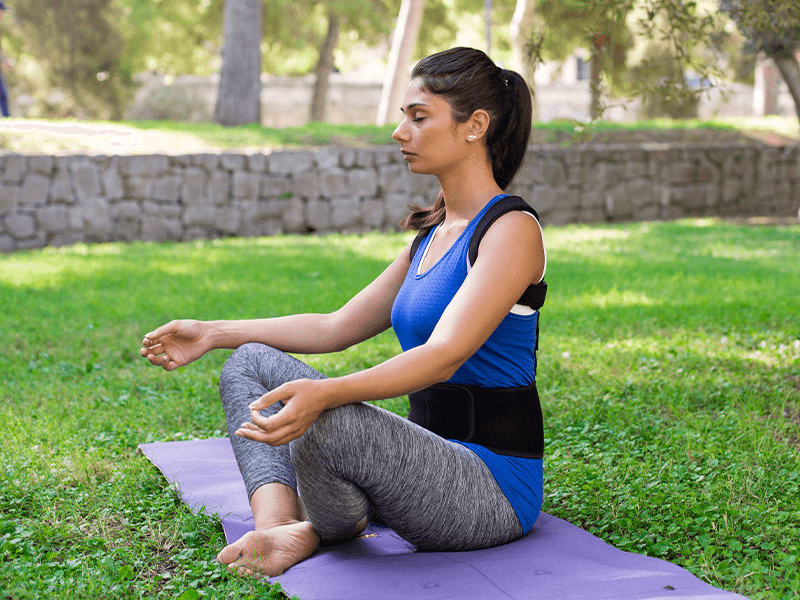
| Posture Brace | Holds shoulders back | Immediate support | Does not train muscles |
Massage guns are best for fast, deep muscle release, especially when you do not want to get on the floor or need to target small, tricky spots. Foam rollers and balls are cheaper but require more effort and space.
Massage Guns: Brands, Features, And Buying Considerations
If you decide to buy a massage gun, focus on these features:
- Speed settings: More speeds give better control.
- Attachments: Different heads for big or small muscles.
- Battery life: At least 60 minutes per charge.
- Weight: Lighter is easier to use on yourself.
- Noise: Quieter models are more comfortable for home or office.
Here’s a comparison of popular massage gun options for posture work:
| Brand/Model | Speed Settings | Attachments | Weight | Battery Life | Noise Level |
|---|---|---|---|---|---|
| Theragun Prime | 5 | 4 | 2.2 lbs | 120 mins | Moderate |
| Hypervolt 2 | 3 | 5 | 1.8 lbs | 180 mins | Low |
| RENPHO R3 | 5 | 5 | 1.5 lbs | 150 mins | Low |
Choose a device that fits your hand size, comfort, and budget. Trying one in person can help you decide.
Massage Guns Versus Professional Massage
Many people wonder if a massage gun can replace a real massage. There are some differences:
| Massage Gun | Professional Massage |
|---|---|
| Quick, convenient at home | Personalized technique |
| Good for daily muscle release | Addresses deeper issues, whole-body patterns |
| One-time cost | More expensive over time |
| Limited by your skill and reach | Therapist can access hard-to-reach areas |
Massage guns are a great addition but not a full replacement for professional help, especially if you have complex posture or pain issues.
Non-obvious Insights Most People Miss
- Muscle tightness is only half the problem. Many people focus on relaxing tight muscles with a massage gun but forget to strengthen weak ones. Without balance, posture will not improve much.
- Posture is a 24/7 habit, not a one-time fix. Even daily use of a massage gun cannot undo hours of poor sitting or standing. Changing your workspace, taking breaks, and moving more are just as important as muscle release.
Realistic Expectations: What Results Can You Expect?
Massage guns can help you feel lighter, move better, and have less pain. Some people notice less tension and better range of motion after just a few sessions. But, lasting posture change takes weeks or months and requires:
- Consistent use
- Stretching and strengthening
- Better daily habits
Do not expect instant “perfect” posture from just a massage gun. Use it as a helpful tool, not the only solution.
Who Should Not Use Massage Guns?
Massage guns are not safe for everyone. Avoid use if you have:
- Recent injuries (sprains, fractures)
- Blood clotting problems or take blood thinners
- Nerve pain or numbness
- Pregnancy (ask your doctor)
- Medical implants (like pacemakers)
If unsure, talk to a healthcare professional before starting.
Additional Ways To Improve Posture
Massage guns are only one part of posture correction. Consider these steps:
- Set up your workspace: Adjust chair, screen, and keyboard.
- Take frequent breaks: Stand, stretch, or walk each hour.
- Exercise regularly: Focus on core, glutes, and upper back.
- Use reminders: Apps or notes to check posture.
- See a physical therapist: For personalized guidance.
For more on posture science and muscle health, read resources like Mayo Clinic’s guide on posture.
Frequently Asked Questions
What Muscles Should I Use A Massage Gun On For Posture?
Focus on chest, upper shoulders, lower back, and hip flexors. These muscles often get tight from sitting or slouching and pull your body out of alignment. Always avoid the neck, spine, and joints.
How Often Should I Use A Massage Gun To Improve Posture?
Most people benefit from 3–5 sessions per week, spending 1–2 minutes on each muscle group. Consistency is more important than very long sessions. Combine with stretching and strengthening for best results.
Can Massage Guns Fix Rounded Shoulders Or Forward Head Posture?
Massage guns can release tight muscles that cause rounded shoulders or forward head posture. But you must also strengthen weak muscles and change daily habits. Alone, they will not “fix” posture, but they are a helpful tool.
Are Massage Guns Better Than Foam Rollers For Posture?
Massage guns are better for targeting small, deep knots and for quick use. Foam rollers are good for large muscle groups and are usually cheaper. Both tools can help, and many people use them together.
Is It Safe To Use A Massage Gun Every Day?
Yes, for most healthy adults, daily use is safe if you avoid bones, joints, and sensitive areas. Do not use on injured or inflamed areas. Always follow device instructions and stop if you feel pain, numbness, or bruising.
Standing taller and feeling better is not only about tools—it’s about balanced muscles, healthy habits, and consistent care. A massage gun can be a powerful part of your posture journey, but it works best as part of a full routine.
With the right steps, you can move toward better alignment, less pain, and more confidence every day.

