

Recovery boots have become a popular tool for athletes, fitness enthusiasts, and anyone seeking faster muscle recovery after intense activity. These high-tech devices promise to reduce soreness, speed up healing, and improve performance. But how do recovery boots actually work, and do they deliver on these promises?
Understanding the science and practical use of recovery boots can help you decide if they’re right for your routine.

36% off Today’s Exclusive Deals
Limited-time Exclusive Deals. Check current discount on Amazon.
Check Price on Amazon As an Amazon Associate I earn from qualifying purchases.What Are Recovery Boots?
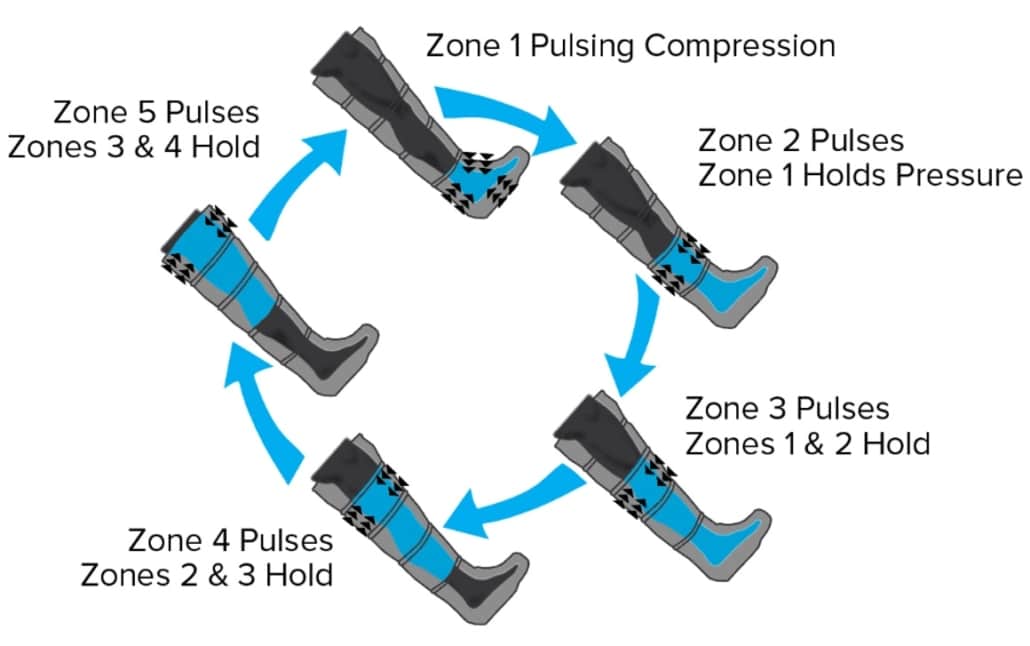
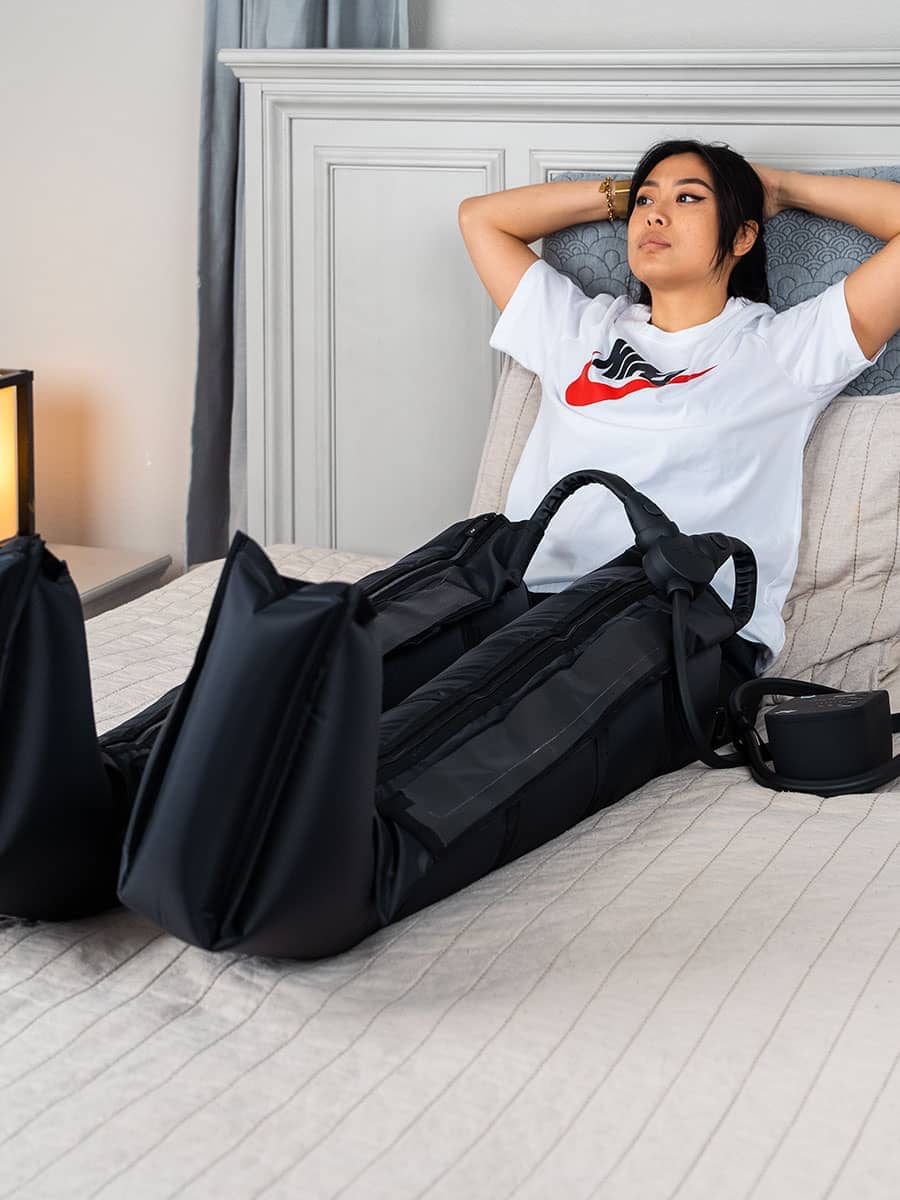
Recovery boots, sometimes called compression boots or leg recovery systems, are wearable devices that cover your legs (often from foot to thigh). They use air pressure to squeeze and release your muscles in a controlled way. This process is called intermittent pneumatic compression (IPC). The boots have multiple air chambers that inflate and deflate in a sequence, mimicking a gentle massage or the natural muscle pump that happens during movement.
Most recovery boots are powered by an electric air pump and let you adjust the pressure, speed, and duration of the massage. Athletes often use them after training or competition, but they’re also used in physical therapy clinics and by people with circulation problems.
The Science Behind Recovery Boots
Intermittent Pneumatic Compression Explained
The main idea behind recovery boots is to improve blood flow and lymphatic drainage. When the boots squeeze your legs, they push blood and fluids out of the muscles and toward your heart. When the pressure releases, fresh blood rushes back in. This cycle helps:
- Remove waste products like lactic acid
- Bring in oxygen and nutrients needed for repair
- Reduce inflammation and swelling
This technique is not new. Medical professionals have used IPC devices for decades to prevent blood clots, especially after surgery. The difference is that modern recovery boots are designed for active people and can be used at home.
What Research Shows
Several studies have looked at the effects of compression boots on recovery. For example, a 2017 study published in the *Journal of Strength and Conditioning Research* found that athletes using recovery boots after exercise had less muscle soreness and recovered strength faster than those who did not.
However, the improvements were moderate, and not every study finds dramatic results.
Some research suggests that the placebo effect—believing the device helps—may also play a role in how people feel after using recovery boots. Still, the consistent finding is that compression therapy can help reduce the perception of soreness and speed up the feeling of recovery.
Key Mechanisms At Work
- Mechanical Pressure: The squeezing action increases venous return, pushing deoxygenated blood and waste products back to the heart.
- Muscle Pump Mimicry: The boots imitate natural movement, helping circulation without active exercise.
- Fluid Shift: Compression moves lymphatic fluid, which can reduce swelling and promote healing.

How Do Recovery Boots Work In Practice?
The Compression Cycle
When you put on recovery boots and start a session, the device inflates the air chambers in a sequence. Here’s what usually happens:
- Distal to Proximal Inflation: The chambers closest to your feet inflate first, then the next ones up your leg, and so on. This creates a wave-like pressure up your legs.
- Sustained Pressure: Each chamber holds pressure for a few seconds before releasing. This helps move blood and fluids upward.
- Release Phase: After the cycle, all chambers deflate, allowing blood to flow back in.
Most sessions last 15 to 30 minutes, but some people go longer. You can often adjust the pressure (measured in mmHg), the speed of inflation, and the number of cycles.
What You Feel
Using recovery boots feels like a strong, rhythmic massage. The pressure should be firm but not painful. Your legs may feel lighter or less sore after a session. Some users report a tingling sensation, which is normal as circulation improves.
Typical Use Cases
- After a hard workout: To reduce soreness and speed recovery
- Before a race or event: As a warm-up to increase blood flow
- For injury rehab: To decrease swelling and promote healing
- For people with jobs requiring long standing: To relieve tired legs
Benefits Of Recovery Boots
1. Faster Muscle Recovery
The main benefit is faster recovery between workouts. By improving circulation, recovery boots help clear out metabolic waste and bring in nutrients. This means you can train harder and more often with less risk of overtraining.
2. Reduced Muscle Soreness
Many users notice less delayed onset muscle soreness (DOMS) after using recovery boots. This is especially helpful after intense or unusual exercise.
3. Decreased Swelling And Inflammation
Compression helps move excess fluid out of the muscles, which can reduce swelling and inflammation. This is useful after injuries or high-impact activities.
4. Improved Circulation
Better blood flow means more oxygen and nutrients get to your muscles. This can support healing and overall health.
5. Time Efficiency
You can use recovery boots while relaxing, reading, or watching TV. This makes them a time-efficient way to support recovery without extra effort.
Key Features That Affect How Recovery Boots Work
If you’re considering buying recovery boots, several features can change how effective they are for you.
Number Of Chambers
Boots with more air chambers can provide a smoother, more precise massage. Cheaper models may have fewer chambers, leading to a less targeted effect.
Adjustable Pressure
Being able to control the pressure is important. Too little pressure may not give results, while too much can be uncomfortable or even unsafe.
Customizable Programs
Some boots offer different modes—for example, a gentle mode for relaxation, a strong mode for deep recovery, or a mode that targets specific areas.
Portability And Battery Life
If you travel or need recovery at events, consider the weight, battery life, and ease of setup.
Size And Fit
Proper fit is crucial. Boots that are too tight or too loose won’t work as intended. Most brands offer different sizes for height and leg circumference.
Noise Level
Some pumps are loud, which can be annoying if you like to relax or multitask while recovering.
Here’s a comparison of key features between popular recovery boot brands:
| Brand | Number of Chambers | Pressure Range (mmHg) | Weight | Battery Life | Noise Level |
|---|---|---|---|---|---|
| NormaTec | 5 | 30-110 | 3.4 kg | 3 hrs | Low |
| Rapid Reboot | 4 | 20-200 | 4.1 kg | 2 hrs | Medium |
| Air Relax | 4 | 30-230 | 2.6 kg | 1.5 hrs | Medium |
| RecoveryPump | 4 | 20-100 | 3.0 kg | 4 hrs | Low |
Who Should Use Recovery Boots?
Athletes And Fitness Enthusiasts
People who train hard or compete regularly can benefit from faster recovery. Recovery boots allow them to bounce back for the next session.
People With Poor Circulation
Those with medical conditions that cause swelling or poor blood flow (like chronic venous insufficiency) may get relief from regular use. However, they should always check with a doctor first.
Older Adults
As we age, circulation slows and recovery takes longer. Gentle compression can help older adults stay active and recover from activity.
People Standing All Day
Nurses, retail workers, and others who spend hours on their feet may use recovery boots to relieve tired, swollen legs.
Who Should Not Use Recovery Boots?
While recovery boots are generally safe, they’re not for everyone. Some groups should avoid or use them only with medical advice:
- People with deep vein thrombosis (DVT)
- Those with severe arterial disease
- People with open wounds or skin infections
- Pregnant women (without doctor’s approval)
- Anyone with uncontrolled heart conditions
Always read the safety instructions, and if in doubt, talk to your healthcare provider.
Common Myths And Misunderstandings
Myth 1: Recovery Boots Build Muscle
Recovery boots do not increase muscle size or strength directly. Their job is to help muscles recover, not to make them bigger or stronger.
Myth 2: More Pressure Means Better Results
Some people think cranking up the pressure will speed up recovery. In reality, too much pressure can damage blood vessels or cause discomfort. The right amount should feel firm but not painful.
Myth 3: You Only Need Recovery Boots
Recovery boots are a tool, not a complete solution. Good recovery also requires rest, nutrition, hydration, and sleep. Boots can support these, but cannot replace them.
Myth 4: Only Professionals Need Recovery Boots
While top athletes use recovery boots, recreational athletes, older adults, and anyone with tired legs can benefit. You don’t need to be a pro to use them.
Tips For Getting The Most From Recovery Boots
1. Use After, Not During, Exercise
Recovery boots are most effective after exercise. Using them during a workout doesn’t provide benefits and may distract from your training.
2. Start With Short Sessions
If you’re new to compression therapy, start with shorter sessions (10-15 minutes) and moderate pressure. Increase time and pressure as your body adapts.
3. Stay Hydrated
Better circulation means more waste products leave your muscles. Drink extra water after using recovery boots to help flush these out.
4. Combine With Other Recovery Methods
Stretching, foam rolling, and active recovery can work well with recovery boots. Use them together for best results.
5. Listen To Your Body
If you feel pain, numbness, or strong discomfort, stop using the boots and check the fit and pressure. Don’t push through pain.
6. Clean And Maintain Your Boots
Sweat and bacteria can build up inside the boots. Clean them regularly according to the manufacturer’s instructions.
How Do Recovery Boots Compare To Other Recovery Tools?
Recovery boots are not the only method for muscle recovery. Here’s a simple comparison with other popular tools:
| Recovery Tool | Main Benefit | Ease of Use | Cost | Science Support |
|---|---|---|---|---|
| Recovery Boots | Improves circulation, reduces soreness | Very easy | High | Moderate |
| Foam Roller | Releases muscle knots | Medium (requires technique) | Low | Moderate |
| Massage Gun | Targets specific muscles | Easy | Medium | Low-Moderate |
| Ice Bath | Reduces inflammation | Hard (can be uncomfortable) | Low | Moderate-High |
Non-obvious insight: While recovery boots are passive (you can relax while using them), tools like foam rollers and massage guns require active effort and technique. This makes recovery boots especially attractive for people who want to recover while multitasking or relaxing.
How To Choose The Right Recovery Boots
1. Consider Your Goals
If you’re a competitive athlete, you may want top-tier boots with many settings and programs. If you’re using boots for general wellness, a simpler model may be enough.
2. Check Sizing
Boots that don’t fit well won’t work well. Measure your leg length and circumference and compare with the brand’s sizing chart.
3. Look At Warranty And Support
Quality boots are an investment. Check for warranty, customer support, and service options.
4. Research Brand Reputation
Read user reviews and look for brands with a good track record. Brands used in physical therapy clinics usually have proven reliability.
5. Price Vs. Features
Don’t overpay for features you won’t use. Compare pressure range, number of chambers, portability, and ease of cleaning.
Here’s a quick side-by-side look at price and features for leading models:
| Brand | Typical Price (USD) | Number of Modes | Warranty |
|---|---|---|---|
| NormaTec | $899–$1,299 | 3 | 2 years |
| Rapid Reboot | $795–$1,195 | 4 | 2 years |
| Air Relax | $499–$699 | 4 | 1 year |
Non-obvious insight: Some insurance plans or health savings accounts (HSAs) may cover part of the cost for recovery boots if prescribed for a medical reason. It’s worth checking with your provider.
Are Recovery Boots Worth It?
The value of recovery boots depends on your needs, goals, and budget. For professional athletes or serious competitors, the ability to train harder and recover faster can justify the cost. For casual users, the main benefit is comfort and convenience—especially if you struggle with soreness or swollen legs.
While not a “magic bullet,” recovery boots offer real benefits for circulation, soreness, and recovery speed. Their passive use and ease of operation make them attractive for busy people. The science is promising, though not overwhelming; most users report positive results, even if some of that is due to the placebo effect.
If you want to learn more about the medical background of compression therapy, see this Intermittent Pneumatic Compression overview.
Frequently Asked Questions
What Is The Best Time To Use Recovery Boots?
The best time is after exercise or intense activity, when your muscles are tired and full of waste products. Using them as part of your post-workout routine helps reduce soreness and speed up recovery.
How Long Should I Use Recovery Boots Per Session?
Most sessions last 15 to 30 minutes. Beginners should start at the lower end and increase as needed. Avoid using them for more than an hour at a time to prevent numbness or discomfort.
Can I Use Recovery Boots Every Day?
Yes, most people can use recovery boots daily, especially during heavy training periods. However, always listen to your body, and consult a doctor if you have circulation or heart problems.
Do Recovery Boots Help With Injuries?
They can help reduce swelling and improve circulation, which supports healing from minor injuries. However, they are not a substitute for medical treatment and should not be used on fresh injuries or broken skin without professional advice.
Are Recovery Boots Better Than A Massage?
Both have benefits. Recovery boots provide a consistent, full-leg massage and are easy to use at home. Traditional massage can target specific muscles and adjust to your needs in real time. Many athletes use both for optimal results.
Recovery boots are a powerful tool for anyone serious about recovery. They work by improving circulation, reducing soreness, and speeding up the healing process. Choosing the right pair depends on your personal needs, goals, and budget, but understanding how they work helps you get the most value from this innovative technology.
With the right use, recovery boots can help you stay active, feel better, and reach your goals faster.

