

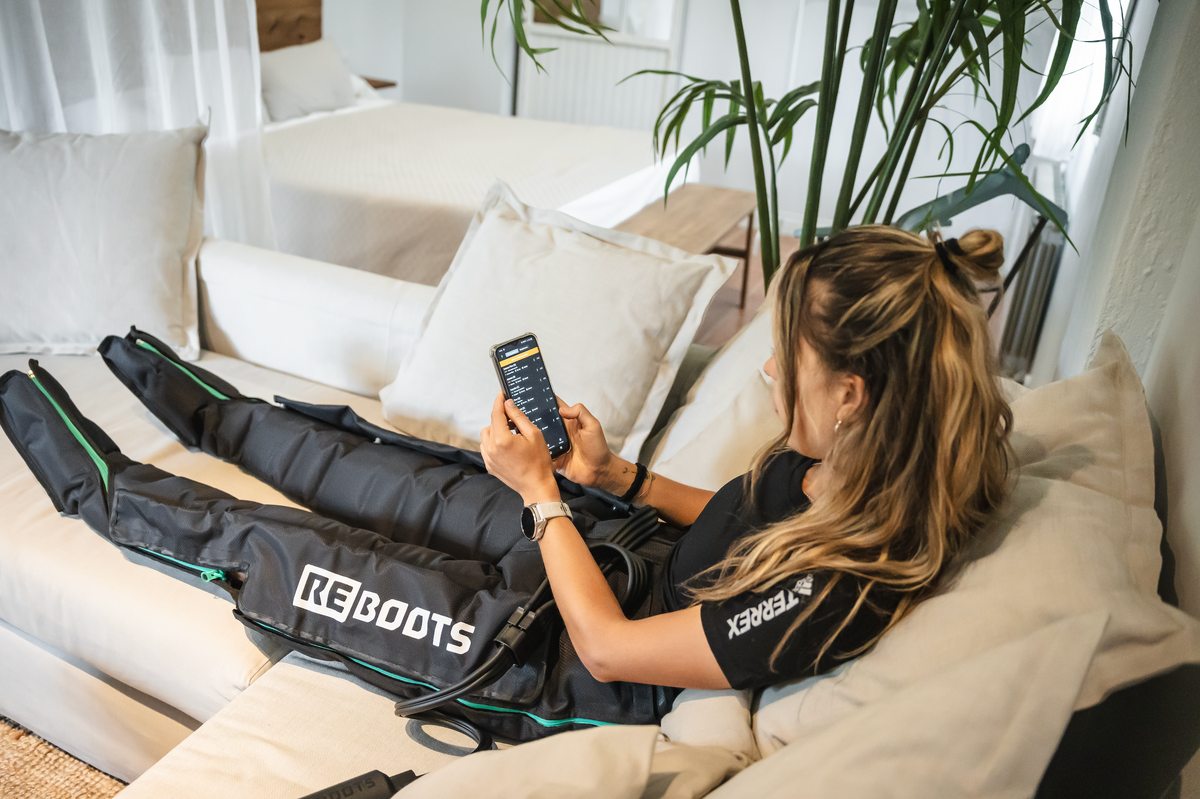
Many people see recovery boots and think they are only for professional athletes or serious runners. The image of someone relaxing with large, high-tech boots on their legs looks advanced, maybe even intimidating. But more and more beginners are asking: Can beginners use recovery boots? Is this technology helpful, safe, or even needed if you’re just starting out with exercise or sports?
Let’s explore what recovery boots really are, how they work, and whether beginners should use them. We’ll look at benefits, risks, and practical tips—so you can decide if recovery boots belong in your fitness routine, even if you’ve just begun your journey.

36% off Today’s Exclusive Deals
Limited-time Exclusive Deals. Check current discount on Amazon.
Check Price on Amazon As an Amazon Associate I earn from qualifying purchases.What Are Recovery Boots?
Recovery boots, sometimes called compression boots or air compression leg sleeves, are wearable devices designed to help muscles recover after physical activity. They use air chambers that inflate and deflate in cycles, squeezing your legs in a specific pattern. This process is called pneumatic compression.
The idea is to improve blood flow and lymphatic drainage in your legs. Increased circulation helps remove waste products like lactic acid from your muscles, which can speed up recovery, reduce soreness, and make you feel ready for your next workout.
Many brands make recovery boots, such as NormaTec, Therabody, and Rapid Reboot. While some models are expensive and used by professionals, more affordable options are now available for beginners and casual exercisers.
How Do Recovery Boots Work?
Recovery boots use a system of air pockets that inflate and deflate around your legs. Here’s how the process works in simple terms:
- You put on the boots, which cover your feet up to your thighs.
- The boots connect to a control unit—usually a small box that pumps air into the chambers.
- The air fills the chambers in a set sequence, starting at your feet and moving up toward your thighs.
- Each section squeezes and releases in a wave-like motion. This mimics natural muscle contractions.
- The cycle repeats for the length of your session, usually 15 to 30 minutes.
This gentle, rhythmic pressure helps push blood and lymph fluid up your legs. It reduces swelling, removes waste, and brings in nutrients—helping your muscles recover faster.

Are Recovery Boots Safe For Beginners?
The short answer: Yes, most beginners can safely use recovery boots, but there are important things to know first.
Safety Basics
- Recovery boots are non-invasive—they do not break the skin or require medical procedures.
- The pressure is adjustable, so you can start with a gentle setting.
- Most healthy people (even those new to exercise) will not experience harm if they use the boots correctly.
Who Should Avoid Recovery Boots?
Some people should avoid using recovery boots or talk to a doctor first:
- People with deep vein thrombosis (DVT) or blood clotting disorders
- Those with severe vascular disease
- Pregnant women (unless a doctor says it’s okay)
- People with open wounds or skin infections on the legs
- Anyone with heart failure or kidney problems
If you have any health conditions or are unsure, always check with your doctor before trying recovery boots.
Common Concerns
Beginners sometimes worry about using technology meant for elite athletes. But recovery boots are safe for most healthy adults. The pressure is not strong enough to cause injury if you use the correct settings and follow the instructions.
Do Beginners Really Need Recovery Boots?
While recovery boots offer benefits, it’s fair to ask if they are necessary for beginners. Let’s break down the real value for people just starting out.
What Makes Recovery Boots Helpful?
- Faster recovery: They help reduce muscle soreness and fatigue after exercise.
- Reduced swelling: Especially if you stand or walk a lot.
- Comfort and relaxation: Many people simply enjoy the massage-like feeling.
- Motivation to stay active: Easier recovery can help you keep up a new exercise habit.
When Are Recovery Boots Less Useful?
- If your workouts are short and low intensity (like a 10-minute walk), your muscles may not need extra help to recover.
- If you’re not exercising regularly, or your activity is very light, traditional methods like stretching and rest may be enough.
The Key Insight
Recovery boots are not a magic tool that replaces proper rest, hydration, nutrition, or basic stretching. For beginners, boots can help, but you should focus on building a good exercise routine and recovery habits first.
Benefits Of Recovery Boots For Beginners
For those starting out, recovery boots can be a useful addition to your routine. Here’s how they might help:
1. Reduce Delayed Onset Muscle Soreness (doms)
After a new or tough workout, many beginners feel muscle soreness one or two days later. This is called DOMS. Recovery boots can help reduce the pain and stiffness by increasing blood flow and flushing out waste products.
2. Encourage Regular Exercise
Pain and soreness often make beginners skip workouts. Recovery boots can make you feel better faster, making it easier to stick to your exercise plan.
3. Support Healthy Habits
Using recovery boots can remind you to pay attention to recovery. You may start to value other healthy habits, like drinking water or eating well, as part of your routine.
4. Psychological Benefits
The relaxing, massage-like feel of recovery boots can help reduce stress and give you a positive association with exercise and recovery.
5. Reduce Swelling From Daily Life
Even outside of exercise, beginners who stand or walk a lot can experience leg swelling. Recovery boots help reduce this swelling, making your legs feel lighter.
How To Use Recovery Boots As A Beginner
If you’re new to recovery boots, it’s important to use them correctly for the best results. Here’s a step-by-step guide:
1. Start Slow
Begin with short sessions (10–15 minutes) and use a low pressure setting. This helps your body get used to the feeling and avoids discomfort.
2. Use After Exercise
The best time to use recovery boots is after your workout, when your muscles are warm and your blood is already circulating.
3. Pay Attention To Comfort
If you feel pain, numbness, or tingling, stop the session and reduce the pressure. The boots should feel snug, not painful.
4. Follow Manufacturer’s Instructions
Every brand and model is slightly different. Read the manual carefully and follow all safety guidelines.
5. Stay Hydrated
Drink water before and after using the boots. Good hydration helps your body remove waste products more efficiently.
6. Listen To Your Body
If you feel unwell or notice swelling, redness, or pain that doesn’t go away, stop using the boots and talk to a doctor.
Common Mistakes Beginners Make With Recovery Boots
Many first-time users make simple mistakes that can reduce the benefits or even cause problems. Here are some to avoid:
- Using too much pressure: Beginners often think higher pressure means better results. Start low and increase only if it feels comfortable.
- Using for too long: More is not always better. Stick to 15–30 minutes per session.
- Skipping other recovery steps: Don’t rely only on boots. Rest, nutrition, stretching, and sleep are important too.
- Ignoring discomfort: If something doesn’t feel right, stop the session. Don’t push through pain.
- Using boots with health issues: If you have any medical problems, check with your doctor first.
Comparing Recovery Boots With Other Recovery Methods
How do recovery boots compare to more traditional ways to recover after exercise? Here’s a quick look.
| Method | How It Works | Best For | Common Drawbacks |
|---|---|---|---|
| Recovery Boots | Air compression to improve blood flow | Reducing soreness, swelling, and speeding up recovery | Costly, not always portable |
| Stretching | Lengthens muscles, improves flexibility | Maintaining range of motion, preventing injury | Needs proper technique, sometimes boring for beginners |
| Massage | Manual pressure to muscles | Deep relaxation, specific muscle work | Expensive, time-consuming |
| Foam Rolling | Self-massage with a foam roller | Releasing muscle knots, affordable | Can be painful, requires learning proper technique |
| Rest & Sleep | Body naturally repairs itself | All types of recovery | Not always enough after hard workouts |
Key Takeaway
Recovery boots offer a hands-free, relaxing recovery experience, but they should not replace other important recovery methods. For beginners, a mix of stretching, sleep, hydration, and (if possible) some compression therapy is a smart approach.
Are Recovery Boots Worth The Investment For Beginners?
Recovery boots can be expensive, with prices ranging from $300 to $1,500 or more. Are they worth it for someone just starting out? Consider these points:
How Often Will You Use Them?
If you exercise several times a week and struggle with soreness, you’ll get more value from recovery boots. If you only work out once a week, the cost may not be justified.
Do You Have Other Recovery Needs?
If you have a job where you stand all day or experience leg swelling, boots can offer extra benefits beyond exercise recovery.
Are Cheaper Alternatives Enough?
Simple methods like foam rolling, stretching, and proper rest can be effective for many beginners. Start with these before investing in expensive equipment.
Look For Community Or Shared Options
Some gyms, clinics, or recovery centers offer access to recovery boots for a fee or as part of a membership. This can be a way to try them before buying.
Non-obvious Insight
Many beginners don’t realize that recovery boots can be shared among family members (with proper cleaning), making the investment more worthwhile. Also, some health insurance plans or flexible spending accounts may cover the cost if prescribed for a medical reason—check with your provider.
Key Features To Look For When Choosing Recovery Boots
If you decide recovery boots are right for you, here are important features to consider:
| Feature | Why It Matters | What Beginners Should Look For |
|---|---|---|
| Adjustable Pressure | Allows you to set comfort level | Wide range, easy controls |
| Size and Fit | Proper fit ensures effectiveness | Multiple sizes or adjustable sleeves |
| Number of Chambers | More chambers = smoother compression | At least 4-6 for good coverage |
| Portability | Easy to store and transport | Lightweight, compact design |
| Ease of Use | Beginner-friendly setup | Simple controls, clear instructions |
| Warranty & Support | Protection against defects | At least 1-year warranty, helpful customer service |
Pro Tip
Beginners often overlook ease of cleaning. Choose boots with washable liners or easy-to-clean surfaces, especially if they will be shared or used after sweaty workouts.

Scientific Research On Recovery Boots And Beginners
While much research focuses on athletes, some studies show benefits for people at all levels.
- A study from the Journal of Strength and Conditioning Research found that pneumatic compression can reduce muscle soreness and improve flexibility after exercise—even in people who do not train regularly.
- Another research review in 2022 showed that using recovery boots after moderate exercise reduced perceived muscle pain by up to 30% compared to no compression.
- However, no study shows that recovery boots are required for beginners, or that they replace the need for other recovery habits.
For more details, you can check studies like those referenced by the Wikipedia page on compression garments.
How Beginners Can Maximize Recovery Without Boots
If you’re not ready to buy recovery boots, you can still get great results by focusing on fundamentals:
- Rest: Give your muscles time to heal after workouts.
- Hydration: Drink plenty of water to help flush out toxins.
- Stretching: Gentle stretching after exercise reduces stiffness.
- Foam rolling: Helps release muscle knots and improve circulation.
- Balanced diet: Protein, carbs, and healthy fats all help with recovery.
- Sleep: Aim for 7-9 hours per night—your body does most of its repair work during sleep.
Many beginners skip these basics, thinking they are only for “serious” athletes. In reality, good recovery habits matter at every level.
Real-world Examples: Beginners Using Recovery Boots
Let’s look at a few scenarios to show how recovery boots fit into the lives of beginners:
- Sarah just started running for the first time. After her second jog, she used recovery boots at her gym’s wellness center. She reported feeling less sore the next day and found it easier to keep up her new habit.
- Michael works retail and stands eight hours a day. Even though he’s not an athlete, he bought a simple recovery boot system. He uses it after work, especially on days when his legs feel heavy or swollen. He noticed less swelling and more comfort.
- Priya is a beginner cyclist. She rented recovery boots after a long bike ride as part of a group event. She found the massage effect relaxing and planned to use them again after hard rides.
Non-obvious Insight
Many beginners don’t realize that psychological benefits—like feeling pampered or cared for—can make recovery boots a positive part of your routine, even if the physical benefits are similar to other methods.
Frequently Asked Questions
What Is The Best Time For Beginners To Use Recovery Boots?
The best time is after exercise, when your muscles are warm. This helps flush out waste products and brings fresh blood to your muscles, speeding up recovery. You can also use recovery boots after standing or walking for long periods to reduce swelling.
Are There Side Effects Or Risks For Beginners Using Recovery Boots?
For healthy adults, recovery boots are generally safe. Possible side effects are rare but can include mild discomfort, numbness, or tingling if the pressure is too high. People with certain health conditions (like DVT or vascular disease) should avoid recovery boots unless cleared by a doctor.
How Often Should Beginners Use Recovery Boots?
Most experts recommend 2–4 times per week for beginners, or after tough workouts. Each session should last 15–30 minutes. Overuse is not necessary and may reduce the benefits.
Do Recovery Boots Help With Weight Loss Or Fitness Gains?
Recovery boots do not cause weight loss or increase fitness by themselves. They are for recovery—helping you feel better after exercise, so you can stay active and consistent with your workouts.
Should Beginners Buy Recovery Boots Or Try Other Methods First?
For most beginners, it’s smart to try simple, low-cost methods first—like stretching, foam rolling, and proper rest. If you exercise regularly and find recovery boots helpful (maybe by trying them at a gym or wellness center), then consider buying your own.
Choosing the right recovery method depends on your goals, budget, and how your body feels after activity. With the right approach, even beginners can use recovery boots safely and effectively—if they fit your lifestyle and needs. Remember, good recovery habits are the real key to progress, no matter where you start.

