

If your GE Deep Fill washer is not working right, it can turn laundry day into a headache. These washers are popular because they handle large loads and offer extra water for deep cleaning, but even the best machines sometimes have problems.
Whether your washer won’t fill, makes strange noises, or leaves clothes soaking wet, knowing how to troubleshoot can save you time, money, and stress.

36% off Today’s Exclusive Deals
Limited-time Exclusive Deals. Check current discount on Amazon.
Check Price on Amazon As an Amazon Associate I earn from qualifying purchases.This guide covers common GE Deep Fill washer issues, step-by-step solutions, and practical advice. You’ll learn how to fix problems yourself or decide when to call for help. Many users miss simple checks that can solve big issues—this article will show you what those are.
With clear tips and real examples, you’ll feel confident handling most washer troubles.
Understanding Your Ge Deep Fill Washer
The GE Deep Fill washer is designed for flexibility. It lets you add extra water to loads, which helps remove dirt and stains. These washers use smart technology to sense the size of loads and adjust water levels. They have digital controls and several wash cycles, making them easy to use.
But like any machine, washers can fail for many reasons. Electrical problems, water supply issues, or simple user mistakes can cause trouble. Knowing how your washer works helps you spot problems faster and fix them before they get worse.
Key Features Of Ge Deep Fill Washers
- Deep Fill option: Adds more water for heavy loads.
- Multiple cycles: Choices for normal, heavy, delicate, and more.
- Automatic sensing: Adjusts water based on load size.
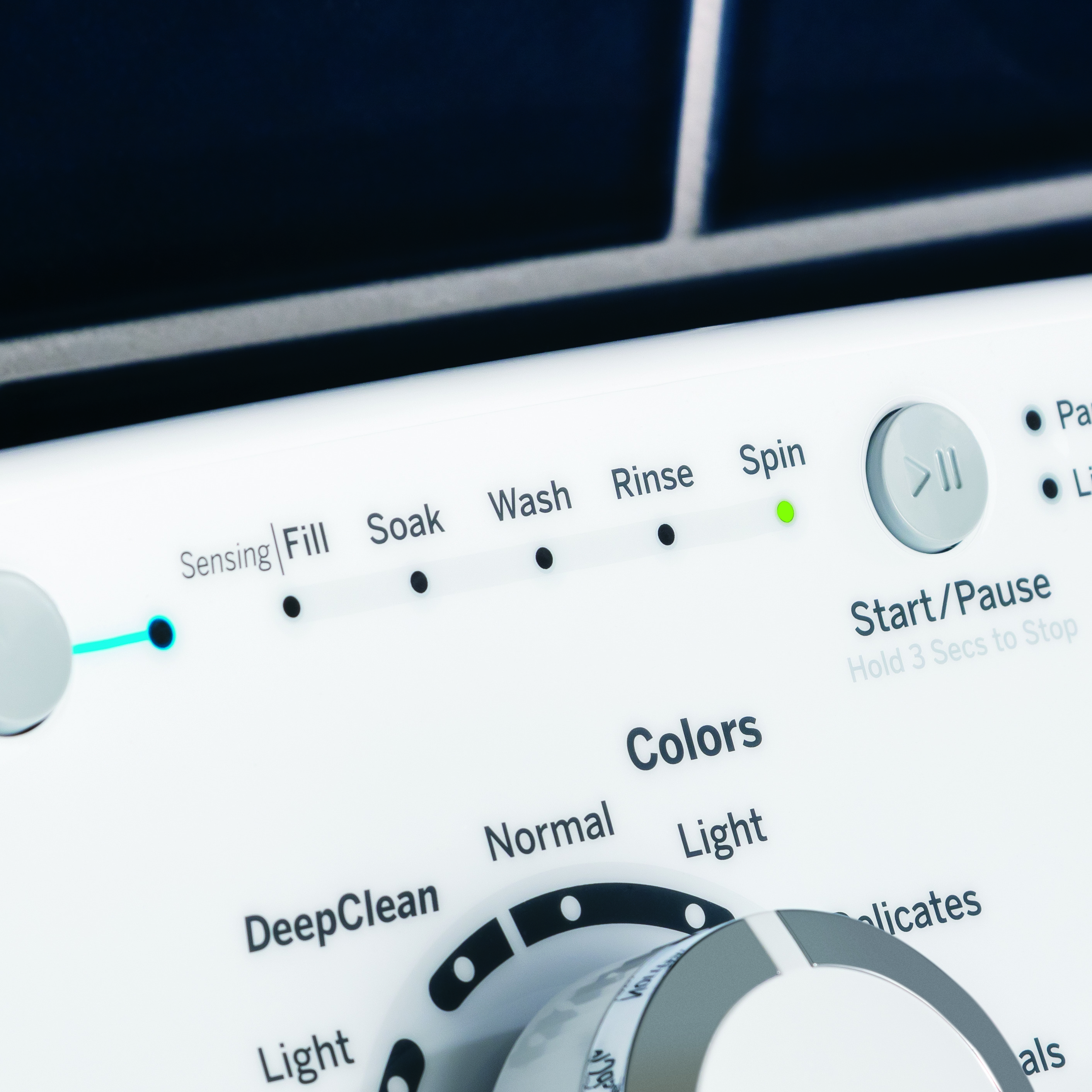
- LED controls: Easy-to-read display for settings and errors.
Common Ge Washer Models
Many GE washers share similar features and troubleshooting steps. Here are a few popular models:
| Model | Capacity | Deep Fill Feature | Average Price |
|---|---|---|---|
| GTW685BSLWS | 4.5 cu. ft. | Yes | $700 |
| GTW720BSNWS | 4.8 cu. ft. | Yes | $800 |
| GTW840CSNWS | 5.0 cu. ft. | Yes | $950 |
Understanding your model is helpful when searching for specific solutions or parts.
Common Ge Deep Fill Washer Problems
Problems with these washers usually fall into a few main categories. Some are easy to fix. Others need a technician. Here’s a breakdown:
- Washer won’t fill with water
- Washer won’t start or turns off mid-cycle
- Washer is noisy or shakes
- Washer won’t drain or spin
- Error codes on display
- Washer leaks water
- Clothes come out too wet or dirty
- Washer smells bad
Each issue has unique causes and solutions. Let’s dig into the details.
Troubleshooting: Washer Won’t Fill With Water
One of the most common issues is when the washer doesn’t fill. This is often simple to fix.
Step-by-step Solutions
1. Check The Water Supply
Make sure both hot and cold water valves are open. If you recently moved the washer, valves may be closed by accident.
2. Inspect The Hoses
Look for kinks, bends, or leaks in the hoses. If water can’t flow, the washer won’t fill.
3. Clean The Inlet Filters
Washers have small filters where hoses connect. Dirt or minerals can block them. Unscrew hoses, clean filters, and reconnect.
4. Test The Lid Switch
If the lid isn’t closed or the switch is broken, the washer won’t fill. Listen for a click when you close the lid. If you don’t hear it, the switch may need replacement.
5. Check For Error Codes
The display may show codes like IE or F8. Look up these codes in your manual. They often point to water supply problems.
Practical Example
If your washer fills slowly, try running water through the hoses into a bucket. If the flow is weak, the problem is with your plumbing, not the washer.
Troubleshooting: Washer Won’t Start Or Stops Mid-cycle
When your washer won’t start or quits in the middle of washing, it’s frustrating. Here’s what to check:
Step-by-step Solutions
1. Power Supply
Make sure the washer is plugged in. Check the outlet with another device to confirm it works.
2. Circuit Breaker
Washers pull a lot of power. If the breaker trips, reset it.
3. Control Lock Or Delay Start
Some models have a child lock or delay setting. Look for a lock icon on the display. Hold the button for 3 seconds to unlock.
4. Faulty Lid Switch
If the lid doesn’t close firmly, the washer won’t start. Replace the switch if needed.
5. Error Codes
Codes like E2 or E3 can mean electrical or motor issues. Refer to your manual or the official GE troubleshooting guide.
Non-obvious Insight
Many users forget to check for loose power cords. Vibrations during washing can loosen the cord, causing random shut-offs.
Troubleshooting: Washer Is Noisy Or Shakes
Noises and shaking can worry anyone. Most often, the cause is simple.
Step-by-step Solutions
1. Balance The Load
Overloading or washing a single heavy item (like a rug) can make the washer shake. Redistribute clothes and restart.
2. Level The Washer
Use a bubble level to check if the washer sits flat. Adjust the feet as needed.
3. Check For Foreign Objects
Coins or buttons can get stuck in the drum, making noise. Remove them before washing.
4. Inspect The Suspension Rods
If rods are worn out, the drum won’t balance. Replacement may be needed.
5. Loose Parts
Screws and bolts can come loose over time. Tighten them if you hear rattling.
Practical Example
If your washer vibrates a lot, try placing a towel under the feet. This can absorb small movements and reduce noise.
Troubleshooting: Washer Won’t Drain Or Spin
If your washer finishes the cycle but clothes are still wet, it’s usually a draining or spinning issue.
Step-by-step Solutions
1. Check The Drain Hose
Make sure it’s not clogged or bent. Remove the hose and flush it with water.
2. Inspect The Pump Filter
Many GE washers have a filter near the bottom. Open the panel, remove the filter, and clean out any lint or debris.
3. Check For Error Codes
Codes like F2 or E4 often mean draining problems.
4. Test The Lid Switch
The washer won’t spin if the lid is open or the switch is broken.
5. Pump Failure
If you hear the motor running but no water drains, the pump may need replacement.
Non-obvious Insight
Some users forget to check the height of the drain hose. If it’s too high, water won’t flow out properly. Keep it between 24–36 inches above the floor.
Troubleshooting: Error Codes On Display
GE washers use error codes to help you identify problems. Here are some common ones:
| Error Code | Meaning | Solution |
|---|---|---|
| IE | Water inlet error | Check hoses, filters, and water valves |
| E2 | Motor error | Reset washer, check power supply |
| F8 | Overflow error | Inspect water level sensor |
| F2 | Drain error | Clean pump filter, check hose |
| E4 | Spin error | Balance load, check lid switch |
How To Clear Error Codes
- Unplug the washer for 1–2 minutes.
- Plug it back in and run a cycle.
- If the error returns, follow the steps above.
Practical Example
If you see IE, cleaning the inlet filter often solves the problem. If not, the water valve may need replacement.
Troubleshooting: Washer Leaks Water
Leaks can cause damage to floors and walls. Here’s how to handle them:
Step-by-step Solutions
1. Check The Hoses
Look for cracks, loose connections, or worn-out washers. Replace if needed.
2. Inspect The Pump
Pumps can develop leaks after years of use. Look for water under the washer.
3. Check The Tub Seal
If water leaks during the spin cycle, the seal may be bad.
4. Door Or Lid Seal
For top-load models, check the lid seal. For front-loaders, check the door gasket.
5. Overflow
If the washer overfills, the water level sensor may be faulty.
Non-obvious Insight
Small leaks often come from overfilling. If you use the Deep Fill feature with too many clothes, water can spill over the edge.
Troubleshooting: Clothes Come Out Too Wet Or Dirty
If your clothes don’t come out clean or are dripping wet, try these fixes:
Step-by-step Solutions
1. Use The Right Cycle
Heavy soils need longer wash cycles. Delicate cycles won’t remove tough dirt.
2. Don’t Overload
Too many clothes prevent proper agitation and rinsing.
3. Check Detergent
Use high-efficiency detergent. Too much soap can leave residue.
4. Inspect The Agitator
If it doesn’t move, clothes won’t get clean. Replace if broken.
5. Spin Speed
Make sure the spin speed is set high enough for your fabric.
Practical Example
If clothes are still dirty after washing, try running a Deep Fill cycle with fewer items. This allows better movement and cleaning.
Troubleshooting: Washer Smells Bad
Bad odors can build up in washers. Here’s how to fix and prevent them:
Step-by-step Solutions
1. Clean The Drum
Run a cleaning cycle with washer cleaner or white vinegar.
2. Clean The Filter
Remove and wash the pump filter regularly.
3. Leave The Lid Open
After each use, let the washer air out to prevent mold.
4. Check For Lint
Lint trapped in the tub or filter can cause smells.
5. Clean The Detergent Drawer
Soap and softener build-up can lead to odors.
Non-obvious Insight
Many users forget to dry the rubber gasket after each wash. Moisture here is a common cause of mildew smells.
When To Call A Professional
Some problems need expert help. If you see sparks, smoke, or water flooding, stop using the washer immediately. Call a technician if:
- The motor or pump needs replacement
- There are electrical faults
- You see repeated error codes after basic troubleshooting
- The washer leaks badly from the bottom
Professional repairs cost $150–$400 on average. If your washer is over 8 years old, consider replacement.
Maintenance Tips To Prevent Troubles
Keeping your washer in good shape helps avoid future problems. Here are simple tips:
- Clean the drum and filter monthly
- Check hoses for wear every 6 months
- Use the Deep Fill option only for heavy loads
- Do not overload the washer
- Use the right detergent and amount
- Level the washer before use
These steps keep your washer running smoothly and extend its life.
Comparison: Ge Deep Fill Vs. Standard Washer Troubles
Some users wonder if Deep Fill washers are more trouble-prone. Here’s a comparison:
| Issue | GE Deep Fill | Standard Washer |
|---|---|---|
| Water fill problems | More common due to extra water | Less common |
| Noise and vibration | Similar | Similar |
| Drain issues | Similar | Similar |
| Leaking | More likely with overuse of Deep Fill | Less likely |
| Bad odors | Similar | Similar |
Most problems are similar, but Deep Fill washers can leak or fill slowly if not used correctly.
Advanced Troubleshooting: Technical Checks
For users comfortable with technical steps, try these:
- Test the water inlet valve with a multimeter
- Inspect the motor for burned-out coils
- Check the control board for loose wires
- Use diagnostic mode to check sensors
Refer to your model’s manual for exact steps. If you’re not sure, it’s safer to call a technician.

Where To Find Parts And Manuals
If you need replacement parts, use the official GE website or trusted appliance stores. Always match parts with your washer’s model number. Manuals can be downloaded from GE’s support site.
For more information on appliance troubleshooting, visit GE Appliances Support.
Frequently Asked Questions
Why Does My Ge Deep Fill Washer Take So Long To Fill?
Slow filling is usually caused by clogged inlet filters or low water pressure. Clean the filters and check the water valves. Sometimes, local plumbing issues can affect water flow.
How Do I Reset My Ge Deep Fill Washer?
Unplug the washer for 1–2 minutes. Plug it back in, then press and hold the Start button for 5 seconds. This clears most error codes and resets the controls.
What Should I Do If My Washer Shows An Error Code?
Look up the error code in your manual or in this article. Follow the recommended steps—usually checking hoses, filters, or power supply. If the code returns after troubleshooting, call a technician.
Can I Use Regular Detergent In A Ge Deep Fill Washer?
You should use high-efficiency (HE) detergent. Regular detergent can cause too many suds, leading to poor rinsing and possible error codes.
Is It Safe To Repair My Washer Myself?
Basic fixes like cleaning filters or hoses are safe. For electrical or motor issues, call a professional. Always unplug the washer before working on it.
If you follow these troubleshooting steps, most GE Deep Fill washer problems can be solved quickly. Regular maintenance and careful use help prevent future issues, making laundry day simple again.

