

Atosa Refrigerator troubleshooting often fixes common issues quickly with simple checks and routine care.
As a technician and long-time user, I know Atosa Refrigerator Troubleshooting inside and out. This guide explains common faults, step-by-step fixes, and maintenance tips. You will learn how to diagnose cooling problems, strange noises, leaks, and electrical faults. I mix hands-on experience with clear, safe steps so you can fix many issues yourself or know when to call a pro.

36% off Today’s Exclusive Deals
Limited-time Exclusive Deals. Check current discount on Amazon.
Check Price on Amazon As an Amazon Associate I earn from qualifying purchases.
Common problems and causes with Atosa Refrigerator Troubleshooting
Atosa Refrigerator Troubleshooting starts with knowing common faults. Many problems share simple causes. Below are the issues I see most often.
- No cooling or weak cooling: usually due to dirty coils, faulty compressor, or low refrigerant.
- Excess frost or ice build-up: often caused by a failed defrost timer, heater, or door seal issues.
- Strange noises: fans, compressor mounts, and loose panels are typical noise sources.
- Water leaks: blocked drain lines, cracked drain pans, or improper door alignment.
- Temperature fluctuations: thermostat, sensor, or control board faults can cause swings.
I recommend checking the easy items first. Simple fixes save time and money. My experience shows many calls can be closed by cleaning coils or adjusting a door gasket.

Step-by-step Atosa Refrigerator Troubleshooting guide
Follow these steps in order. They are safe for most users and avoid needless part swaps.
- Visual inspection
- Check for loose panels, water on the floor, and damaged cords.
- Look for frost in the freezer or heavy condensation inside.
- Power and settings
- Verify unit is plugged in and circuit breaker is on.
- Confirm temperature settings; set fridge to 37°F (3°C) and freezer to 0°F (-18°C).
- Clean and clear airflow
- Clean condenser coils with a brush or vacuum.
- Clear vents inside the unit so air can move freely.
- Check the door seal
- Run a paper test: close a paper strip in the door and pull gently; if it slides out easily, the gasket may leak.
- Replace or realign the gasket if needed.
- Test fans and compressor
- Listen for fan and compressor operation. Fans should run when compressor runs.
- If fans are silent, power off and inspect for obstructions or failing motors.
- Defrost system check
- Look for heavy ice on evaporator. If present, the defrost heater, timer, or thermostat may be faulty.
- Check drain and drip pan
- Clear the drain hole with warm water and a pipe cleaner.
- Empty and inspect the drip pan for cracks or overflow.
This ordered approach keeps Atosa Refrigerator Troubleshooting logical. It minimizes risk and helps you find the cause faster.

Checking key components for Atosa Refrigerator Troubleshooting
Understanding components helps you troubleshoot better. These parts are common failure points.
Condenser coils
- Role: release heat from refrigerant.
- Symptom: dirty coils cause poor cooling and longer run times.
- Fix: clean with a brush or vacuum every 6 months.
Evaporator and defrost system
- Role: freeze and remove frost automatically.
- Symptom: frost build-up in freezer or fridge getting too cold.
- Fix: test defrost heater, timer, and thermostat. Replace defective parts.
Compressor and start relay
- Role: pump refrigerant and start the cooling cycle.
- Symptom: unit won't cool and compressor hums or does not start.
- Fix: test relay and overload. Replace relay if needed; compressor replacement needs pros.
Fans and motors
- Role: move air across coils and through compartments.
- Symptom: loud noise or no airflow.
- Fix: remove obstructions, lubricate or replace fan motors.
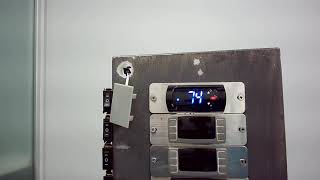
Thermostat and control board
- Role: regulate temperature settings.
- Symptom: erratic temperature or incorrect readouts.
- Fix: verify sensor readings. Replace faulty thermostat or control module.
Knowing what each part does improves your Atosa Refrigerator Troubleshooting. When in doubt, take photos and notes before disassembly.
Maintenance tips to avoid future Atosa Refrigerator Troubleshooting
Routine care reduces breakdowns. These quick tasks take little time and pay off.
- Clean condenser coils at least twice a year.
- Check and replace door gaskets if torn or loose.
- Keep fridge vents clear and do not overload shelves.
- Defrost manual models regularly to prevent ice build-up.
- Inspect drain lines and clear them every few months.
- Keep the unit level to avoid drainage and door issues.
From my years doing service, consistent maintenance prevents more than half of common failures. It also saves energy.

When to call a professional for Atosa Refrigerator Troubleshooting
Some problems need trained hands. Call a technician when:
- You smell burning or see smoke.
- The compressor is hot and not running after tests.
- Refrigerant leaks or sealed-system repairs are required.
- Electrical parts or control boards need replacement.
- The unit requires complex diagnostics or part sourcing.
I have replaced sealed-system parts only as a certified tech. Attempting refrigerant work without certification is unsafe and often illegal. Be honest about your skill level and call an expert when needed.

Parts and replacement guide for Atosa Refrigerator Troubleshooting
Here are common parts you may need and tips for replacement.
- Door gasket: check fit and order OEM gasket for best seal.
- Evaporator fan motor: test continuity and replace if noisy or dead.
- Condenser fan: easy swap; ensure blade clearance.
- Start relay and overload: cheap parts that fix many compressor start issues.
- Defrost heater and thermostat: common in frost build-up cases.
Match part numbers from the serial tag on your Atosa unit. Keep a small toolkit and simple multimeter. If you buy parts, save receipts and return policies.

Troubleshooting examples and case studies from experience
Real examples help you learn fast. These are common service stories I handled.
Example 1: No cooling after a move
- Symptom: fridge ran but did not cool after transport.
- Fix: discovered collapsed condenser coil dust. Cleaned coils and reset thermostat. Unit cooled normally.
Example 2: Freezer iced solid
- Symptom: heavy ice on evaporator and poor cooling.
- Fix: replaced defrost timer and heater. Ice cleared and unit ran quietly.
Example 3: Water pooling under unit
- Symptom: water on floor after door use.
- Fix: cleared blocked drain line and repositioned drip pan. Leak stopped.
I learned to document each fix. Photos and notes help with later checks. These small routines make Atosa Refrigerator Troubleshooting smoother and faster.

Frequently Asked Questions of Atosa Refrigerator Troubleshooting
What should I check first if my Atosa refrigerator is not cooling?
Start with power, temperature settings, and condenser coil cleanliness. These quick checks fix many issues.
How often should I clean condenser coils on an Atosa unit?
Clean the coils every 6 months or more often in dusty kitchens. Clean coils improve cooling and efficiency.
Can I replace the door gasket myself on an Atosa refrigerator?
Yes, gasket replacement is usually a DIY job if you follow the manual instructions and match the part. Ensure a tight fit for proper sealing.
Why is my Atosa freezer making loud noises at night?
Noises often come from fan motors, compressor vibration, or loose panels. Tighten panels and inspect fans first.
Is it safe to add refrigerant to my Atosa refrigerator at home?
No. Refrigerant handling requires certification and special tools. Call a licensed technician for sealed-system work.
Conclusion
Atosa Refrigerator Troubleshooting gets easier with a clear plan and steady care. Start with visual checks, clean coils, and test simple parts. Use the step-by-step guide to find common causes and try safe fixes. When issues involve refrigerant, electrical hazards, or sealed-system parts, contact a certified technician.
Take action today: inspect your Atosa unit, clean the coils, and test door seals. Share your experience or questions below, and consider subscribing for more appliance repair tips.

