

A faulty transformer is often the reason pool lights stop working.
I’ve spent years fixing backyard pools and troubleshooting electrical gear. This guide on Pool Light Transformer Troubleshooting breaks down causes, tests, and fixes in clear steps you can follow safely. You’ll learn how transformers work, how to test them, when to repair or replace, and practical tips I’ve learned on real jobs to save time and avoid costly mistakes.

36% off Today’s Exclusive Deals
Limited-time Exclusive Deals. Check current discount on Amazon.
Check Price on Amazon As an Amazon Associate I earn from qualifying purchases.
What is a pool light transformer and why it matters
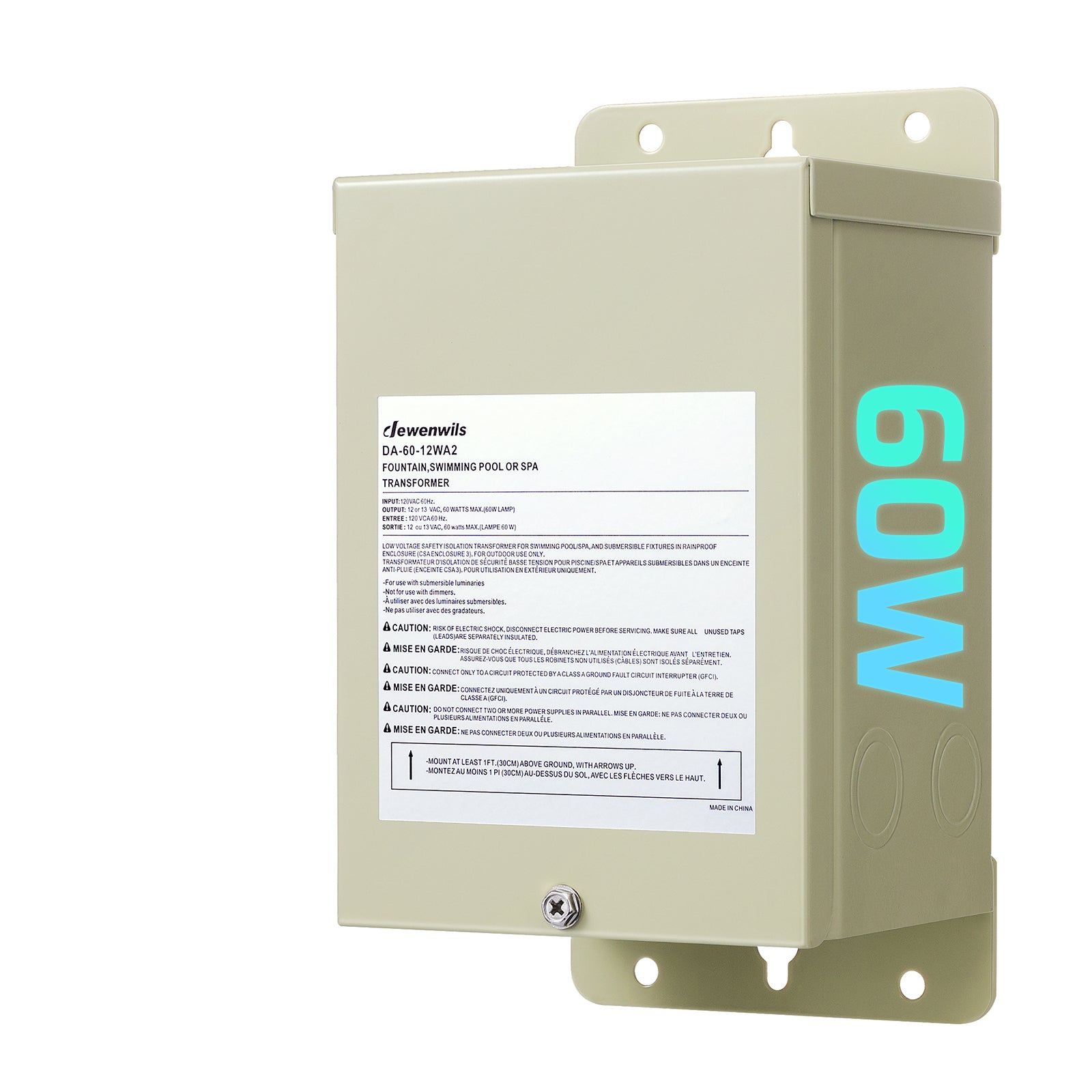
A pool light transformer converts house voltage to low voltage for underwater lights. Most pools use 12V or 15V transformers or LED drivers. The transformer protects the light and the swimmer by keeping voltage low near water.
Types of pool light transformers
- Magnetic low-voltage transformers used with incandescent halogen lamps.
- Electronic drivers or LED transformers for LED fixtures.
- Isolated isolation transformers that sit in a dry niche near the pool.
How the transformer fits into the system
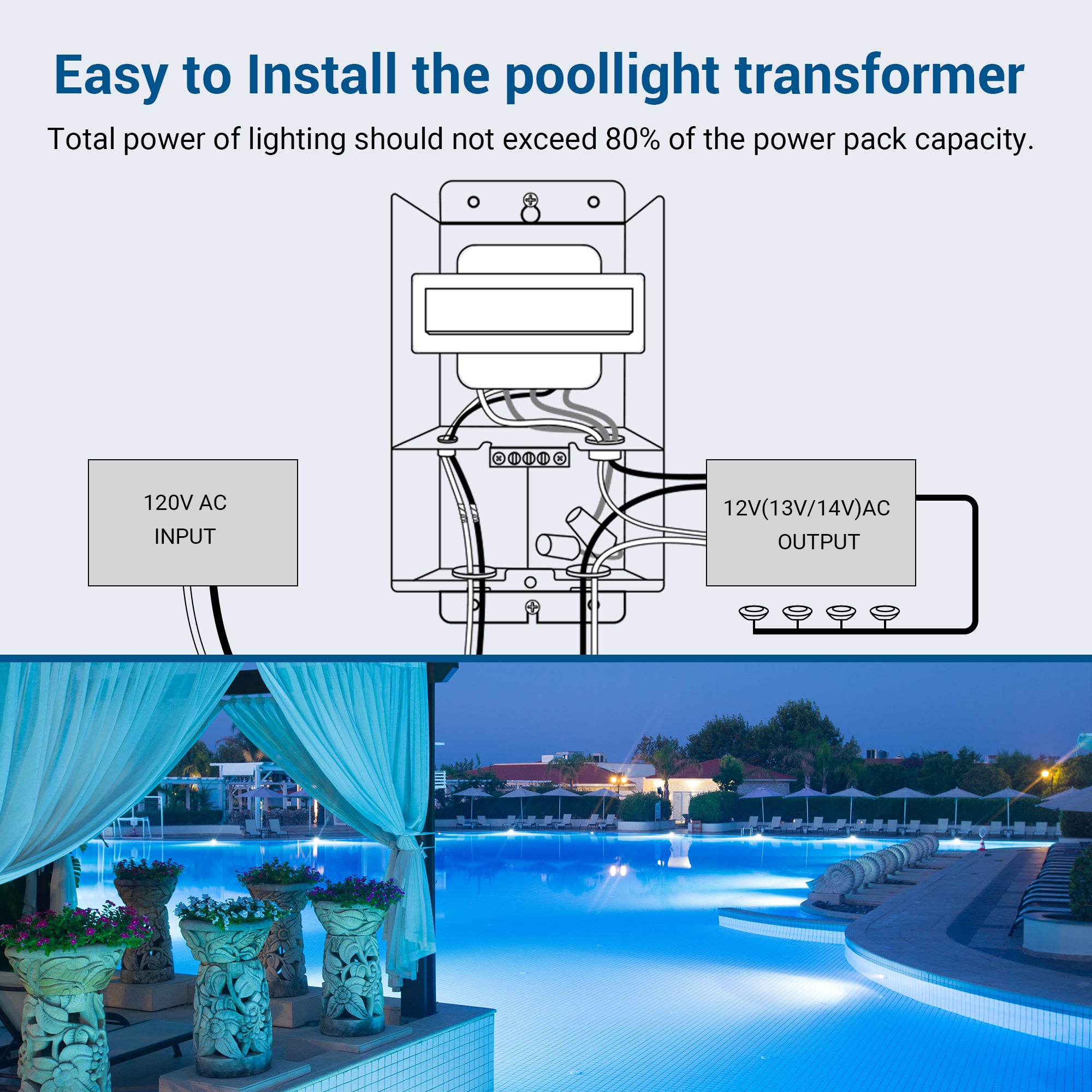
- Receives 120V or 240V mains from the breaker.
- Outputs safe low voltage to underwater fixtures through splice boxes or niche wiring.
- Often protected by a GFCI for added safety.

Source: reddit.com
Common signs your pool light transformer is failing
You will see clear symptoms when something goes wrong. Watch for these signs.
- No lights at all while breaker and bulbs are good.
- Flickering lights or dim output.
- Transformer hum, buzzing, or a burning smell.
- Tripping GFCI or circuit breaker repeatedly.
- Visible corrosion, rust, or water intrusion at the splice box or transformer.

Source: youtube.com
Safety first: before any troubleshooting
Safety is critical. Do not work on pool wiring when power is live. Follow these safety steps.
- Turn off the circuit at the pool breaker and main breaker if needed.
- Reset and test the GFCI before testing anything else.
- Use lockout/tagout to prevent accidental re-energizing.
- Wear insulated gloves and safety glasses when working on electrical parts.
- If you are not comfortable with electrical work, call a licensed electrician.

Source: amazon.com
Step-by-step Pool Light Transformer Troubleshooting guide
Follow this clear sequence. Keep notes and take photos of connections before you touch them.
-
Check the obvious first
- Confirm the breaker is on and the GFCI hasn’t tripped.
- Inspect bulbs: replace a suspected bad bulb with a known good one.
-
Test for voltage at the transformer input
- Turn off power, open the transformer box, then turn power on safely.
- Use a multimeter to check 120V (or correct mains) at the transformer input.
-
Test low-voltage output
- With power on and using proper PPE, measure the low-voltage output. It should match the transformer rating (example 12V AC).
- No output likely means internal transformer failure.
-
Inspect wiring and splice boxes
- Look for loose wires, corrosion, or burnt terminals.
- Tighten or replace corroded connectors. Clean corrosion with approved cleaners only after power is off.
-
Check the GFCI and breaker behavior
- If the breaker trips when power is applied to the transformer, test with the load disconnected. If it still trips, the transformer may have an internal short.
-
Test transformer under load
- Connect a known good lamp or test resistor and measure voltage under load. Large voltage drop under load shows internal winding damage or wrong transformer size.
-
For LED systems, inspect drivers and polarity
- Many LED drivers are polarity-sensitive and can fail if wired wrong.
- Replace suspect LED driver with an identical spec unit to test.
-
Final checks
- Replace damaged components and reseal junctions with proper fittings and silicone.
- Restore power and confirm stable operation.
Source: dewenwils.com
Tools and materials you’ll need
Keep this basic kit on hand for Pool Light Transformer Troubleshooting.
- Multimeter with AC and DC voltage settings.
- Insulated screwdrivers and pliers.
- Voltage detector pen for quick live checks.
- Replacement bulbs, fuses, or LED drivers matching specs.
- Wire connectors rated for wet locations and silicone sealant.
- Safety gear: gloves and eye protection.

Source: amazon.com
Common causes and practical fixes
Understanding causes helps you fix the right issue. Here are typical faults and fixes.
-
Corrosion and water intrusion
- Cause: Moisture in junctions or niches.
- Fix: Dry and clean, replace corroded connectors, use sealed splice kits, reseal niche covers.
-
Burned or shorted windings
- Cause: Overload, old transformer, or internal fault.
- Fix: Replace the transformer; repair is usually not cost-effective.
-
Wrong transformer size or type
- Cause: Undersized transformer for lamp wattage or mismatch for LED system.
- Fix: Replace with correct VA-rated transformer or compatible LED driver.
-
Loose or damaged wiring
- Cause: Vibration, poor initial connections, or rodents.
- Fix: Re-strip wires, use proper marine-grade connectors, and secure wiring.
-
GFCI or breaker faults
- Cause: Nuisance trips from ground faults or old GFCI devices.
- Fix: Test and replace GFCI if it trips with no load; call electrician if breaker trips persist.
Source: bigblow.fr
When to repair vs replace the transformer
Decide quickly to save time and money.
- Repair might be possible for loose connections, fuse changes, or replaceable external parts.
- Replace when the transformer hums loudly, smells burned, shows physical damage, or fails voltage tests.
- For LED drivers, replacement is common because drivers are modular and have short lifespans compared to wires.
Rules of thumb
- If the transformer is older than 10–15 years, lean toward replacement.
- If repair costs approach replacement price, replace it.

Source: reddit.com
Preventive maintenance to avoid transformer failures
Small steps prevent big problems. Do these tasks seasonally.
- Test GFCI monthly and log results.
- Inspect splice boxes and niches every 6 months for moisture.
- Replace halogen bulbs proactively; they stress transformers when failing.
- Use dielectric grease on connections to repel moisture.
- Keep transformer and junction boxes in dry, ventilated places above flood risk.
Personal experience and lessons learned
I once spent an afternoon chasing a flicker that turned out to be a bad connector. I had assumed the transformer failed. Lesson learned: always check connectors and measure voltage under load first. I also replaced a transformer on an older pool only to find the new LED driver fixed a different fixture’s flicker. Always isolate variables.
Practical tips from the field
- Photograph wiring before you disconnect anything.
- Label wires during work to avoid wiring mistakes.
- Keep a spare lamp and a driver for common fixtures in your pool toolbox.
Troubleshooting examples: two real cases
Case 1: No lights, GFCI trips
- Symptom: Pool lights off, GFCI trips on reset.
- Diagnosis: Shorted transformer windings found with insulation resistance test.
- Fix: Replaced transformer and re-sealed splice box; problem solved.
Case 2: Flicker only when pump runs
- Symptom: Lights flicker with pump on.
- Diagnosis: Voltage drop due to undersized transformer and loose connection.
- Fix: Tightened connections and upgraded to a higher VA transformer rated for motor-induced voltage swings.
Frequently Asked Questions of Pool Light Transformer Troubleshooting
How do I know if the transformer is dead?
Measure the low-voltage output with a multimeter. If the input power is present but the output is zero or far below rating, the transformer is likely dead.
Can a bad bulb trip the transformer or GFCI?
A shorted bulb can cause a ground fault that trips the GFCI. Replace the bulb and retest to rule out fixture shorts.
Is it safe to test a transformer while it is powered?
Only perform live voltage checks with proper PPE and testing tools. If you are not trained, have a licensed electrician do live tests.
How long do pool light transformers usually last?
Transformers often last 10–15 years, but LED drivers may fail sooner. Heat, moisture, and load stress shorten life.
Can I replace a halogen transformer with an LED driver directly?
You must match voltage and current specs. Often you will need a specific LED driver designed for the LED fixtures rather than a direct swap.
Conclusion
Pool Light Transformer Troubleshooting is a skill you can learn with safe steps, simple tools, and careful checks. Start with safety, test methodically, and isolate the problem before replacing parts. Small fixes like tightening connectors often save time and money, while loud hums or zero output usually mean replacement. Take action: test your system this season, keep basic tools ready, and ask a pro if the job feels risky. Leave a comment with your pool light issue or subscribe for more hands-on pool care tips.

