

Carry 2–3 liters of water and lightweight, calorie-dense foods like bars, nuts, jerky, and dried fruit.
I’ve planned and packed food and water for dozens of solo hikes, from day trips to multi-day routes. This guide on What food and water should you carry for solo hiking? breaks down exact quantities, smart food choices, purification options, packing tips, and real-world lessons so you leave prepared and confident. Read on to learn practical, tested advice you can use today.

36% off Today’s Exclusive Deals
Limited-time Exclusive Deals. Check current discount on Amazon.
Check Price on Amazon As an Amazon Associate I earn from qualifying purchases.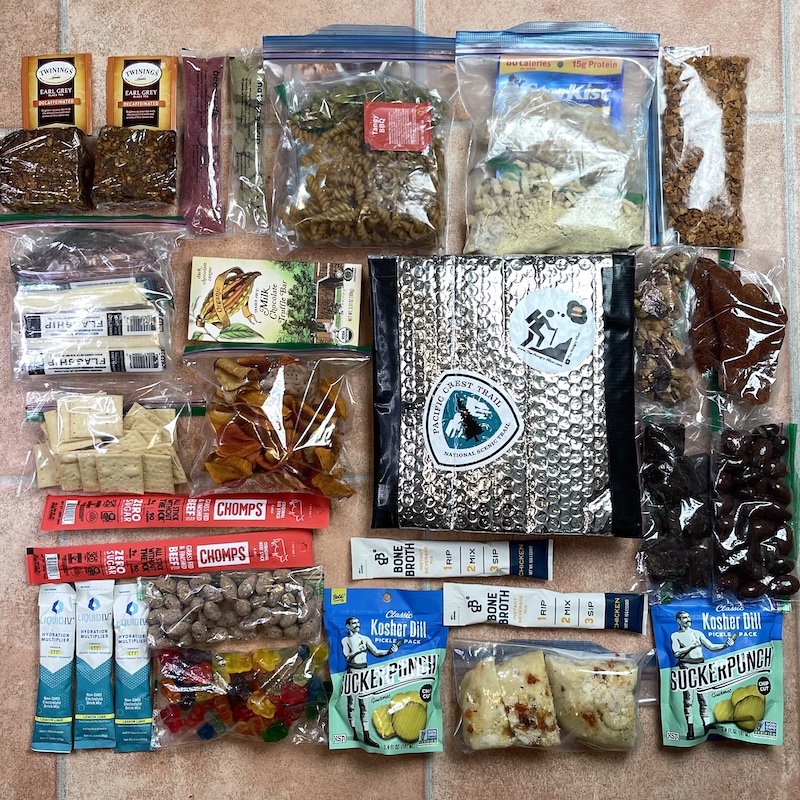
How much water to carry
Water needs vary by climate, effort, and body size. A common starting point is 0.5 to 1 liter per hour of moderate hiking. For a typical 4-6 hour day hike carry 2 to 3 liters. For hot or strenuous conditions add another liter for every extra few hours.
For multi-day solo hiking, plan a baseline of about 3 liters per person per day in dry areas. If you expect reliable streams, carry less and plan to treat water. Always err on the side of carrying more if water sources are uncertain.
Best water storage and purification methods
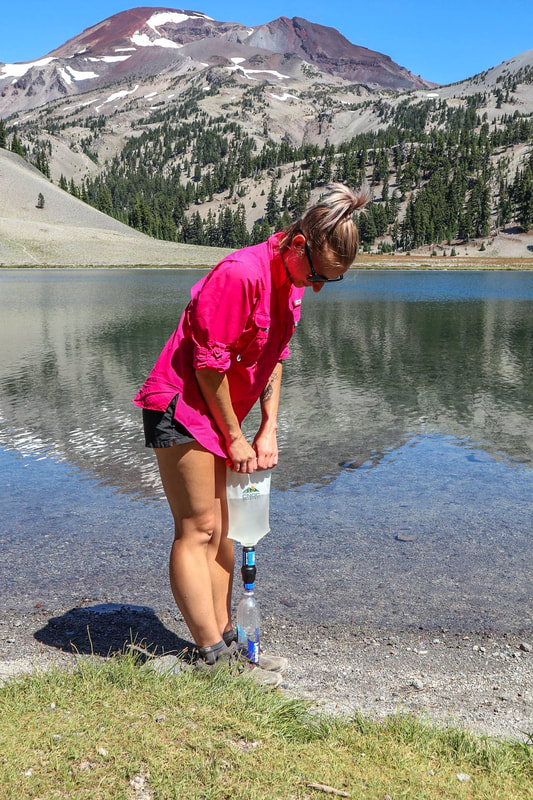
Choose containers and purifiers that fit your route and comfort level.
- Collapsible soft flasks for day hikes. They save space as you drink.
- Rigid bottles are durable and easy to clean for multi-day trips.
- Water bladders sit in pack reservoirs for steady sipping on long trails.
- Chemical tablets are light and simple for backcountry use.
- Pump filters remove sediment and microbes and work well from clear streams.
- UV purifiers are fast and effective, but need batteries.
My routine: one 1.5L bottle and one 1L soft flask. I carry a small pump filter for extended routes and chlorine dioxide tablets as backup. This combo covers most scenarios and keeps weight manageable.
How many calories and what foods to bring
Calories fuel miles. Aim for 300–500 calories per hour of active hiking. For a 6-hour day, that’s 1,800–3,000 calories. Balance quick energy with sustaining meals.
Foods to pack
- Energy bars and meal replacement bars for quick, dense calories.
- Trail mix with nuts and dried fruit for fats and sugar.
- Jerky or cured meats for protein and salt.
- Nut butter packets and tortillas instead of bread to avoid crumbling.
- Instant oats or granola for a light, warm breakfast.
- Freeze-dried backpacking meals if you carry a stove.
- Electrolyte powder or tablets to replace salts during heavy sweating.
Sample day plan
- Breakfast: instant oats with nuts (400–500 kcal).
- Snack 1: energy bar (200–300 kcal).
- Lunch: tortilla with nut butter and jerky (600–800 kcal).
- Snacks: trail mix and gel packs throughout the day (600–800 kcal).
- Optional dinner: freeze-dried meal if camping (600–900 kcal).
What food and water should you carry for solo hiking? Focus on calorie density, low prep, and foods you trust. I once learned this the hard way after underpacking calories on a long ridge hike; morale drops fast when energy is low.
PAA-style quick questions
#### How do I estimate calories for a solo day hike?
Multiply your hours of active hiking by 300–500 calories per hour. Adjust for terrain, temperature, and personal metabolism.
Can I rely only on trail snacks for multi-day trips?
Not usually. Snacks work for day hikes, but multi-day trips need planned meals or freeze-dried dinners to meet calorie needs and variety.
How much water do dehydrated meals need?
Most freeze-dried meals require 1–2 cups of hot water per meal. Factor that water into your daily total.

Packing tips and eating schedule
A good pack plan saves time and energy.
- Repackage bulk foods into smaller zip bags to remove air and weight.
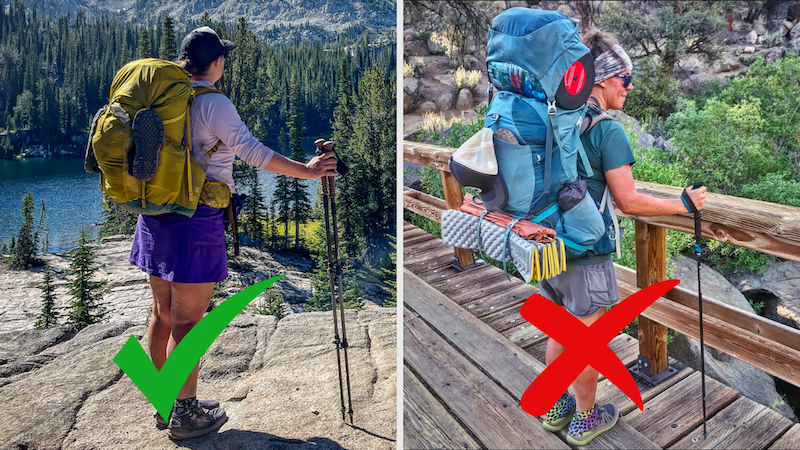
- Distribute heavy food close to your spine for better balance.
- Keep snacks in accessible pockets for frequent nibbling.
- Eat small amounts every 45–60 minutes to maintain energy.
- Weigh food before you go to know exact pack weight and calorie totals.
From experience, I snack every hour. It prevents bonking and keeps pace steady. Use bright wrappers or colored bags so you can find food fast without stopping long.
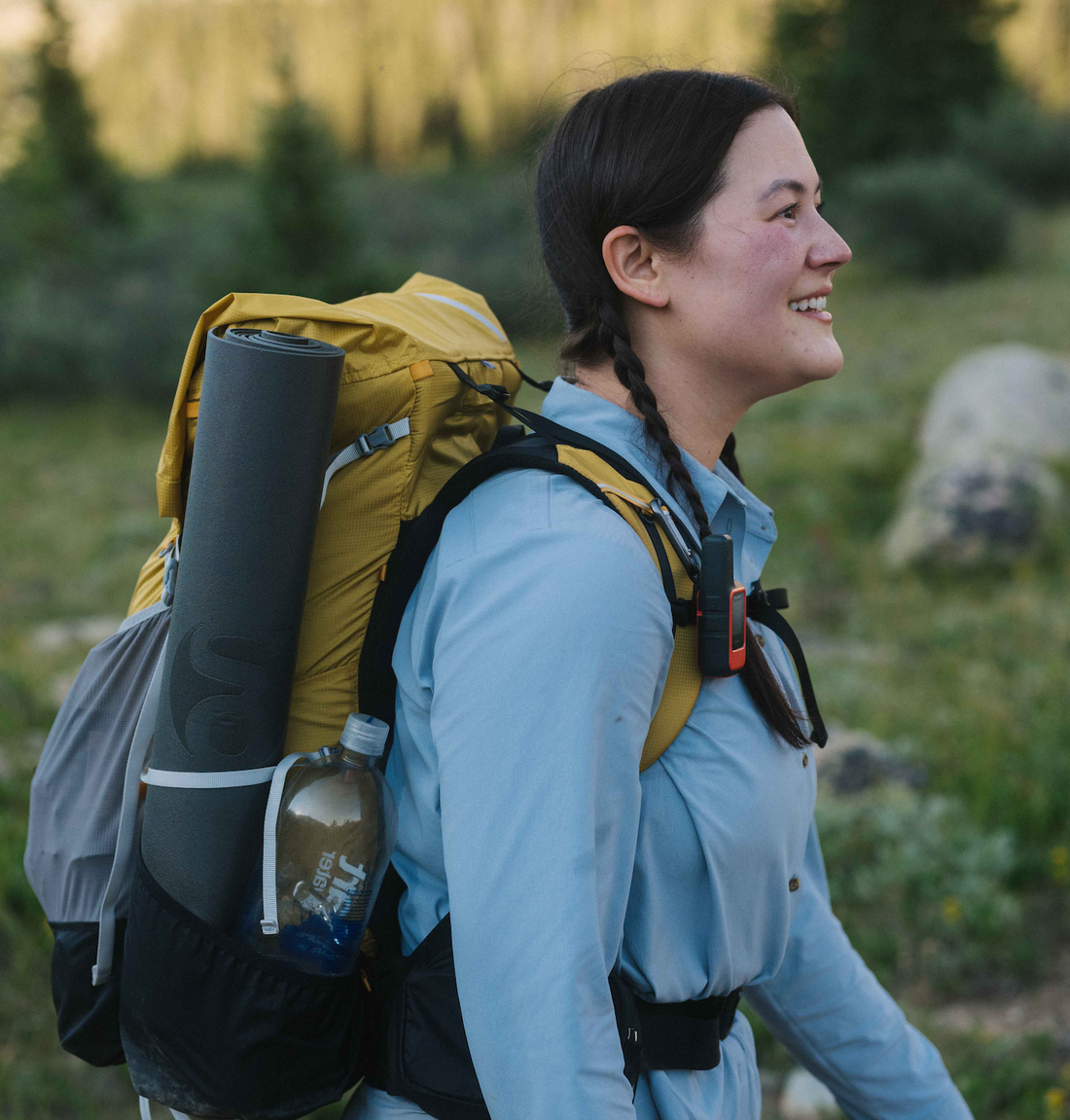
Special cases: hot weather, cold weather, and ultralight hiking
Adjust food and water choices for conditions.
- Hot weather: increase water by 25–50% and include salty snacks and electrolyte mix. Choose lighter, non-melting foods.
- Cold weather: more calories are needed to stay warm—add extra fats like cheese and nuts. Carry insulated containers for water to prevent freezing.
- Ultralight: focus on calorie-per-ounce. Sport performance gels, dense bars, and dehydrated meals save weight. Trade variety for efficiency.
What food and water should you carry for solo hiking? In extreme conditions, priority is hydration and calorie density—safety over comfort. I once carried extra electrolyte mix in summer and it made a big difference on a steep, exposed climb.
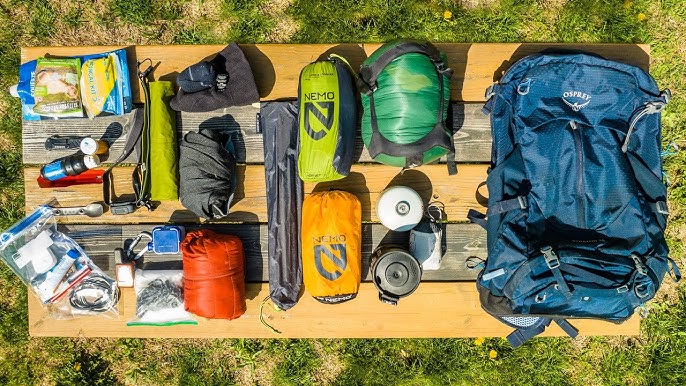
Safety, nutrition, and emergency food
Prepare for the unexpected with simple backups.
- Carry one to two emergency high-calorie bars that last a long time.
- Bring a small first-aid kit and know how to treat dehydration.
- Pack a compact stove and fuel if you want hot meals and sterilized water.
- Include a basic oral rehydration mix or electrolyte packets.
- Know signs of heat illness and hypothermia and adjust intake accordingly.
A lightweight emergency ration saved me during an all-day delay when my planned resupply was missed. Those extra 1,000 calories felt priceless.

Frequently Asked Questions of What food and water should you carry for solo hiking?
How much water should I carry on a 4-hour solo hike?
Carry at least 1 to 2 liters for a 4-hour hike, depending on heat and effort. Add more if the trail is exposed or temperatures are high.
What are the best lightweight foods for solo hiking?
Energy bars, nuts, dried fruit, jerky, and nut butter packets are excellent for solo hiking because they are calorie-dense and stable. Freeze-dried meals work well if you carry a stove.
Can I treat water instead of carrying it all?
Yes. Treating water with a filter, chemical tablets, or UV device is a reliable way to reduce carried weight. Always plan for a backup purification method.
How many calories do I need per hiking day?
Aim for 2,000–4,000 calories depending on duration and intensity. Track intake and adjust based on appetite and energy levels.
Should I carry fresh fruit or fresh cheese?
Fresh fruit and cheese are fine for short hikes but can spoil in heat. For multi-day trips, choose shelf-stable alternatives like dried fruit and hard cheeses or vacuum-sealed options.
Is it okay to drink untreated water if it looks clean?
No. Clear water can still contain pathogens. Always filter, treat, or boil water from natural sources before drinking.
Conclusion
Plan water and food around time on trail, climate, and expected effort. Prioritize 2–3 liters for day hikes, 300–500 calories per hour, and lightweight, calorie-dense foods you enjoy. Use reliable purification methods and pack small emergency rations. Put this advice into practice on your next solo hike: weigh your options, test your meals at home, and adjust based on real experience. If this guide helped, try one change on your next trip and share the results or questions below.

