

A standard soccer match lasts 90 minutes of play, plus stoppage time and possible extra periods.
I’ve studied and watched soccer for years, worked with coaches, and even refereed youth games, so I know how the clock and rules shape a match. This article answers the question How long is a soccer match? in detail. You will learn the standard timings, how stoppage and added time work, when extra time and penalties apply, and what to expect in youth, amateur, and special formats. Read on for clear facts, real examples, and practical tips to plan your matchday or training session.

36% off Today’s Exclusive Deals
Limited-time Exclusive Deals. Check current discount on Amazon.
Check Price on Amazon As an Amazon Associate I earn from qualifying purchases.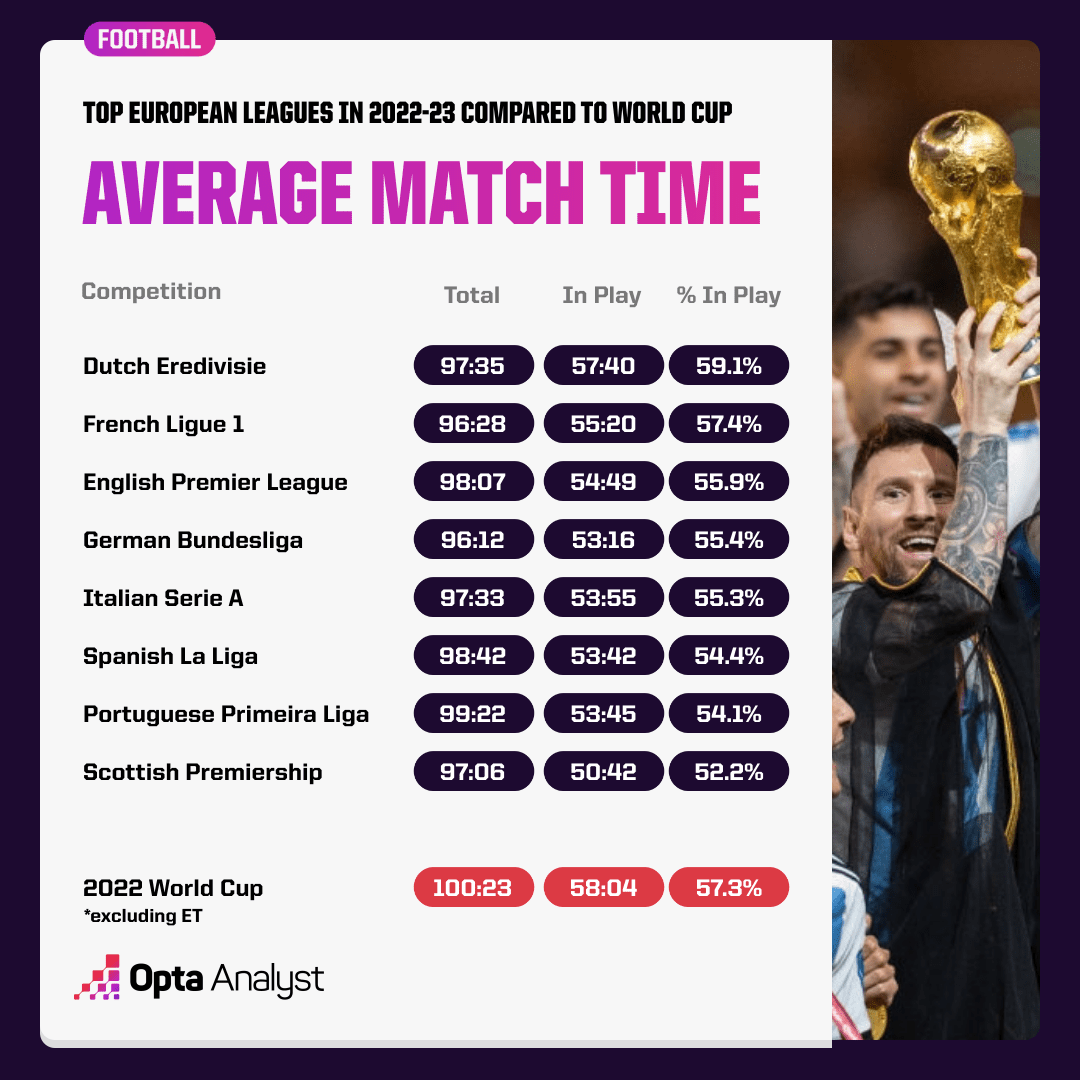
Standard Duration of a Soccer Match
A regulation soccer match is two halves of 45 minutes each. The halves are separated by a 15-minute halftime break. The match clock counts forward from zero to 45, then from 45 to 90. This 90-minute core is what most people mean when asking How long is a soccer match?.
Referees add time at the end of each half for stoppages. This added or stoppage time can range from a minute to many minutes, depending on what happened during the half. Typical professional matches have 1–6 minutes added per half. In matches with injuries, substitutions, or time-wasting, added time often climbs higher.
Key points:
- Two halves: 45 minutes each.
- Half-time break: 15 minutes.
- Stoppage time: added by the referee at each half’s end.
:quality(85):upscale()/2024/08/06/111/n/1922729/d05dfdda66b2d0b8924366.69267617_.jpg)
Added Time: Injury, Stoppages, and Referee Discretion
Added time, often called stoppage time or injury time, compensates for lost playing time. The referee tracks interruptions such as injuries, substitutions, disciplinary delays, goal celebrations, and time-wasting. They then announce the minimum added time after the 45th and 90th minute.
How stoppage time is decided:
- Injuries and treatments: time spent treating injured players.
- Substitutions: each substitution costs time.
- VAR checks and goal reviews: prolonged reviews add minutes.
- Time-wasting or delays: penalties in play time.
Added time is a minimum. The referee can extend beyond the signaled amount if further delays occur during stoppage time. That means the true answer to How long is a soccer match? varies; you should expect a few minutes beyond the 90.
Personal note: As a referee, I often added 3–6 minutes for midweek matches with many substitutions. In key knockout matches with VAR and checks, I sometimes saw more than seven minutes added.

Extra Time and Penalty Shootouts in Knockout Matches
Knockout matches that need a winner may go beyond normal added time. Typical tournament rules apply extra procedures.
Standard knockout format:
- If tied after 90 minutes, two 15-minute halves of extra time are played.
- Extra time totals 30 minutes.
- If still tied after extra time, a penalty shootout decides the winner.
So, when asking How long is a soccer match? in a knockout setting, the match may be 90 minutes plus stoppage time, plus 30 minutes of extra time, plus a penalty shootout. This can push total elapsed time to well over two hours.
Examples:
- Cup finals often last 120+ minutes plus a shootout.
- Some competitions skip extra time and go straight to penalties; always check tournament rules.
:upscale()/2024/08/06/111/n/1922729/tmp_9qk7sT_cec160892f63f522_GettyImages-2165566752.jpg)
Variations: Youth, Amateur, and Other Formats
Not every soccer match follows the 90-minute model. Different age groups and competitions use varied lengths to match safety and skill levels.
Common variations:
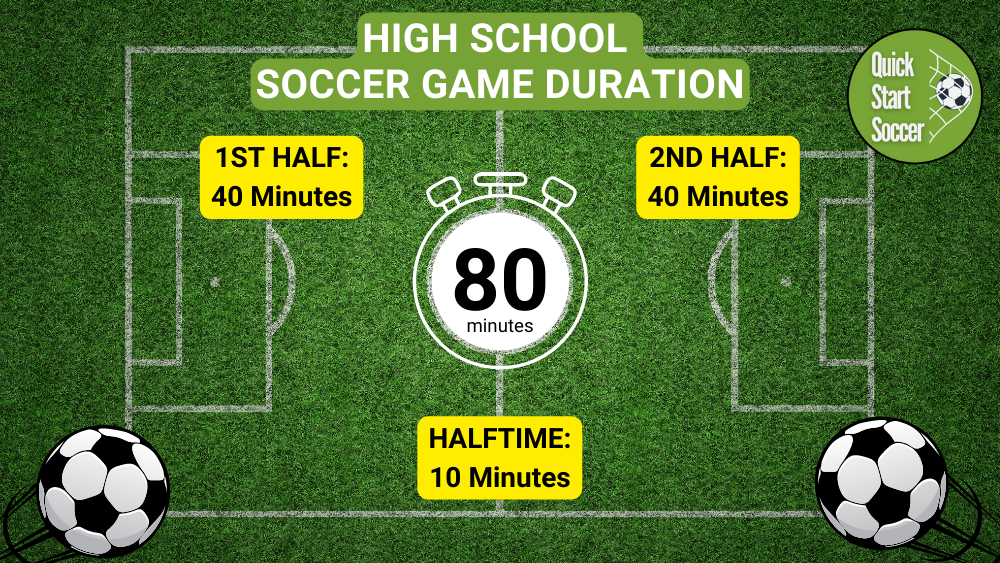
- Youth soccer: halves commonly range from 20 to 40 minutes depending on age.
- Amateur and recreational leagues: 80 to 90 minutes is common but can be shortened.
- Small-sided games: 7v7 or 5v5 often use much shorter halves, 10–25 minutes.
- Friendly matches: can use rolling time or flexible length by agreement.
Always check the competition rules or ask coaches. This answers specific queries about How long is a soccer match? for non-professional levels.
Practical Examples: How Long Is a Soccer Match in Real Life?
Here are real-match scenarios to help set expectations.
Example 1: Regular league game
- 90 minutes plus 4 minutes added in first half and 5 minutes added in second half.
- Total play time: about 99 minutes, plus 15-minute half, so about 114 minutes elapsed.
Example 2: Knockout cup tie with extra time
- 90 minutes, 5 minutes added in second half, then 30 minutes extra time with 2 minutes added, then a penalty shootout.
- Total play time: roughly 127 minutes plus shootout time; elapsed time over two hours.
Example 3: Youth match (U12)
- Two 30-minute halves, minimal added time.
- Total play time: 60–65 minutes including small stoppages and halftime.
These examples show why the simple question How long is a soccer match? needs context. Knowing the level and competition clarifies the answer.
Tips for Spectators, Players, and Coaches
If you plan to attend, play, or coach, these practical tips will help you manage time and expectations.
For spectators:
- Arrive at least 20 minutes early to find seats and pregame entertainment.
- Expect a match to last roughly 1.75 to 2.5 hours depending on extra time and ceremonies.
For players:
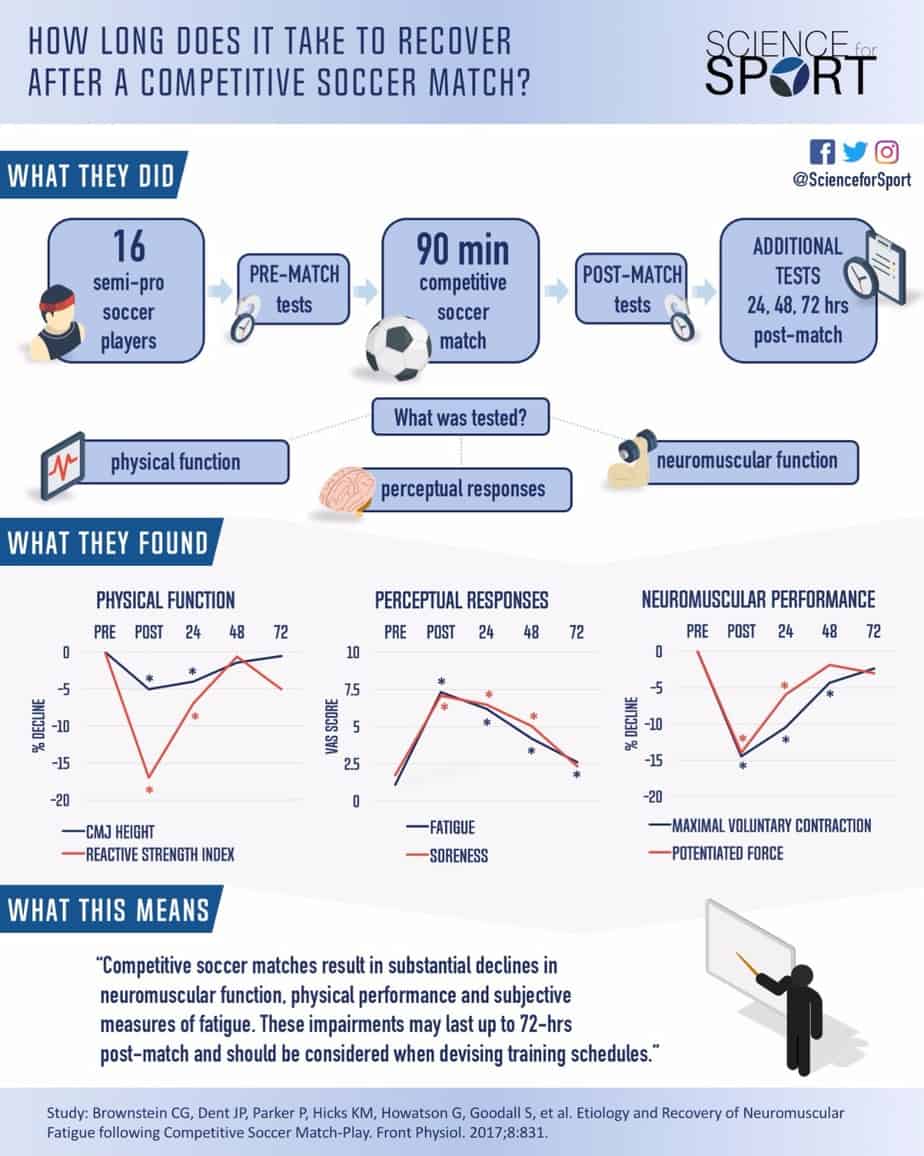
- Prepare for 90 minutes of play and variable stoppage time.
- Pace yourself and hydrate properly; fitness helps in long matches and extra time.
For coaches:
- Plan substitutions to manage player fatigue while noting each change adds stoppage time.
- Use time-wasting and delay awareness sparingly to avoid bookings.
Real-life lesson: During an evening cup tie I coached, a long VAR review added nearly 8 minutes at the end of the half. We always plan for extra minutes now, and it helps the team stay focused until the final whistle.

PAA-style Questions (short, direct answers sprinkled in content)
What counts toward stoppage time?
- Any time lost to injuries, substitutions, disciplinary actions, goal celebrations, and VAR or other reviews counts toward stoppage time.
Can a match be extended beyond the signaled stoppage time?
- Yes. The minutes shown are a minimum; the referee can add more if additional delays occur during added time.
Do referees stop the clock for injuries?
- No. The match clock does not stop; referees record stoppages and add that time at the end of each half.

Frequently Asked Questions of How long is a soccer match?
How long is a soccer match with extra time included?
A soccer match with extra time is 120 minutes of play, split into two 15-minute halves, plus stoppage time and any penalty shootout. Total elapsed time often exceeds two hours.
How much stoppage time is normal?
Stoppage time usually ranges from 1 to 6 minutes per half in professional games, but it can be longer for injuries, VAR checks, or many substitutions. The referee decides the exact amount.
How long are youth soccer matches?
Youth match lengths vary by age. Common formats use 20–40 minute halves, so total play is typically 40–80 minutes, plus a short halftime.
Does injury time always get added?
Yes. Referees add injury time at the end of each half to compensate for lost time. The amount depends on the length and nature of stoppages.
How long does a penalty shootout take?
A penalty shootout usually lasts 10–20 minutes, depending on the number of kicks and any delays. It happens after extra time if the match remains tied.
Can a referee shorten a match?
Not under normal rules. A referee can abandon a match for severe weather, safety, or other exceptional reasons, but they do not shorten play at will.
Are there matches with no stoppage time?
No. Any time lost must be accounted for; stoppage time is the mechanism to do so. Even short halves include added time when interruptions occur.
Conclusion
A standard soccer match lasts 90 minutes of play split into two 45-minute halves, plus stoppage time and, when needed, 30 minutes of extra time and a possible penalty shootout. How long is a soccer match? The answer depends on the level, competition rules, and events during play, but planning for 1.5 to 2.5 hours covers most situations. Use the tips here to prepare for matches, plan travel, or manage training. If you found this useful, share your matchday stories, subscribe for more guides, or leave a comment with your questions.

