

A cricket maiden over is an over in which no runs are conceded.
I have spent years watching and playing cricket at club and semi‑pro levels, and I know how a simple over can shift a match. This article explains what a cricket maiden over is, why it matters, how it is officially recorded, and how bowlers and captains use maidens to control a game. Read on for clear definitions, practical tips, real match examples, and common questions answered with straight facts and real experience.

36% off Today’s Exclusive Deals
Limited-time Exclusive Deals. Check current discount on Amazon.
Check Price on Amazon As an Amazon Associate I earn from qualifying purchases.
What a cricket maiden over means: clear definition and quick rules
A cricket maiden over occurs when six legal deliveries in an over yield zero runs to the batting side. If the batting team does not score any runs off the bat, and there are no runs from wides, no‑balls, byes, or leg byes, the over is a maiden. Wickets can fall during a maiden; dismissals do not stop it from being a maiden over.
Key points about the definition:
- Six legal balls must be bowled for the over to count.
- No runs allowed from bat, extras, or penalties.
- Wickets, catches, and runouts do not negate a maiden.
A clear rule to remember: if the bowler bowls a wide or no‑ball, even if no runs come off the bat, the over cannot be a maiden because an extra run was conceded.

Why a cricket maiden over matters: tactical and psychological impact
A maiden over helps the bowling side apply scoreboard pressure. In limited overs formats, maidens increase the required run rate for the chasing team. In longer formats, successive maidens build pressure that often leads to mistakes and wickets.
Benefits include:
- Reduces scoring momentum of the batting team.
- Creates pressure that can force risky shots.
- Improves a bowler’s economy rate and team control.
From experience, one tight maiden over late in a chase can change a confident chase into a nervous one. Bowlers often use maidens to set up a wicket in the next over.

How a cricket maiden over is scored and recorded
Scorers mark a maiden in the over summary and the bowler’s returns. The bowler’s figures show maidens as a number next to overs bowled, for example 10‑2‑30‑1 means 10 overs, 2 maidens, 30 runs, 1 wicket.
Important scoring rules:
- Extras such as wides and no‑balls break a maiden.
- If an over has no runs but includes an overthrow that registers as runs, it is not a maiden.
- A maiden is independent of wickets; a bowler can take a wicket and still record a maiden.
Accurate scoring keeps match statistics meaningful. I’ve seen matches where a missing extra turned a maiden into a non‑maiden in the scorebook, which affected bowler stats at season end.

Types and variations sometimes discussed
There are a few informal terms you may hear in commentary or conversation related to maidens.
Common variations:
- Conventional maiden: Six legal balls, zero runs and zero extras.
- Bowling maiden: The bowler concedes no runs from the bat; sometimes used interchangeably with maiden.
- Over with only dot balls: Six dots make a maiden if no extras occur.
- Economic maiden: A maiden combined with no wides or penalties in matches with stricter rules.
Note that in limited overs cricket, a maiden over is rarer and thus more impactful. In Tests, bowlers may string together multiple maidens during tight spells.
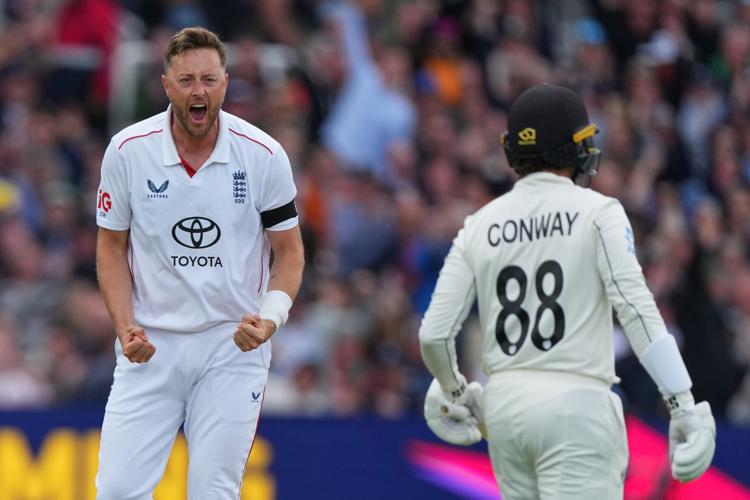
Strategy: how bowlers and captains create maidens
Bowling maidens intentionally is part skill and part planning. Here are practical tactics:
Bowling tactics:
- Focus on accuracy: target good length and consistent lines.
- Vary pace and angles to prevent easy scoring.
- Build dot-ball sequences to force risky runs.
Captain strategies:
- Use fielders to plug likely scoring gaps.
- Rotate bowlers to bring in one who can exploit a batsman’s weakness.
- Apply psychological pressure by encouraging tight overs.
Practical tip from my playing days: when trying to bowl a maiden, concentrate on one perfect line for a full over instead of mixing too many plans. Consistency usually delivers dot balls.

Benefits and limitations of maidens in different formats
Maidens mean different things in Tests, One Day, and T20 cricket.
Benefits by format:
- Test cricket: maidens choke scoring and help set up wickets.
- One Day: maidens reduce run rate and force batting aggression.
- T20: a maiden shifts tempo drastically and can be match-defining.
Limitations:
- In T20, bowling for a maiden may risk being attacked in the next over.
- Aggressive batting and powerplay rules limit maiden opportunities early on.
- Wind, pitch, and dew conditions can make maidens harder to achieve.
Understanding the context is key: a maiden early in a Test innings differs in value from a maiden in the 18th over of a T20.
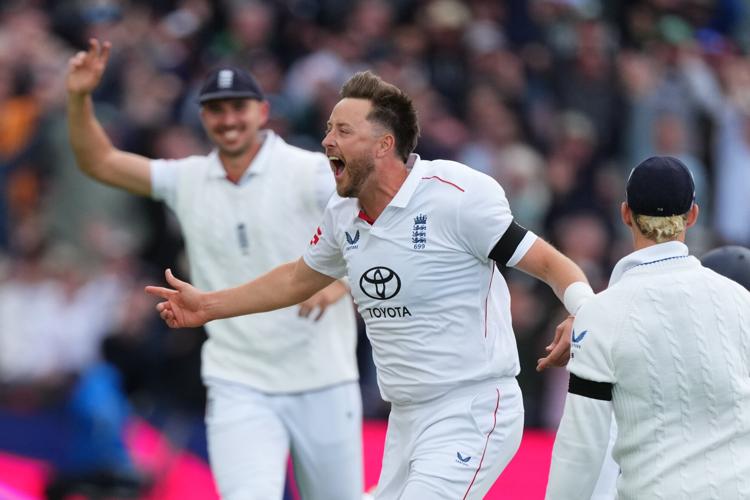
Real examples and notable stats
Examples help make the idea practical and memorable.
Notable facts and examples:
- In Test cricket, bowlers sometimes bowl long spells with multiple maidens to build pressure.
- In limited overs matches, a single maiden can swing momentum and is often highlighted by commentators.
- Personal memory: I bowled a match‑turning maiden in a local final, and the opposition lost two wickets immediately after, showing how pressure creates chances.
These examples illustrate the actionable effect of a cricket maiden over in real games.
How to practice bowling maidens: drills and routines
Practicing maidens requires discipline and focus. Try these drills:
Drills to improve maiden overs:
- Target lines: place cones and bowl 12 balls aiming at the same zone.
- Dot ball challenge: bowl three consecutive overs trying for at least ten dots per over.
- Match simulation: bowl in a nets scenario with batsmen trying to score; reward maidens.
Routine tips:
- Use video to review consistency.
- Work with a captain and fielders to set defensive fields for practice.
From coaching sessions, I found that tracking dot-ball percentages over weeks helps bowlers see clear improvement toward bowling maidens.
Frequently Asked Questions of What is a cricket maiden over?
What exactly counts as a maiden over in cricket?
A maiden over is when six legal deliveries result in zero runs, including no extras. Wickets can fall; they do not stop the over from being a maiden.
Can an over with only dot balls and a leg‑bye still be a maiden?
No. If any leg‑byes, byes, wides, or no‑balls score runs, the over is not a maiden. Even one extra run breaks the maiden.
Does a wicket affect a maiden over?
Wickets do not affect the maiden status. A bowler can take a wicket and still bowl a maiden over as long as no runs are conceded.
Are maidens common in T20 cricket?
Maidens are rare in T20 because the batting is aggressive and boundary scoring is frequent. A T20 maiden is therefore a significant event.
How are maidens shown on a scorecard?
Scorecards show maidens in the bowler’s figures, typically as the second number, for example 10‑2‑35‑3 means two maidens in ten overs.
Conclusion
A cricket maiden over is a simple concept with powerful effects. It is an over of six legal balls with no runs scored, and it changes matches by building pressure, improving economy, and creating wicket opportunities. Learn the rules, practice accurate bowling, and use field placements to increase your chances of bowling maidens. Try practicing dot‑ball drills this week, track your progress, and share your results with teammates. If you enjoyed this guide, leave a comment, subscribe for more cricket insights, or try the drills in your next nets session.

