

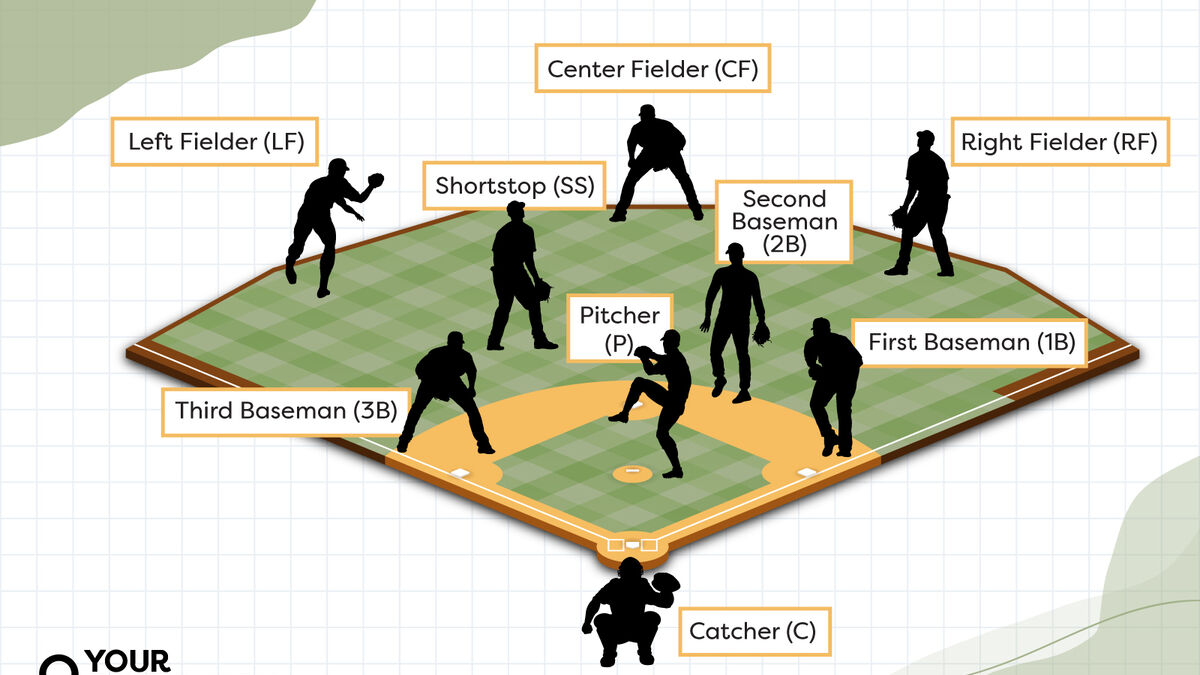
Nine defensive positions cover the field: pitcher, catcher, infielders, and outfielders.
As someone who has coached youth teams and played amateur baseball for years, I’ll walk you through what each role does, why it matters, and how players fit into the system. If you’ve ever asked "What are the positions in baseball?" this guide gives clear, practical answers and real-life tips to help you understand or teach the game.

36% off Today’s Exclusive Deals
Limited-time Exclusive Deals. Check current discount on Amazon.
Check Price on Amazon As an Amazon Associate I earn from qualifying purchases.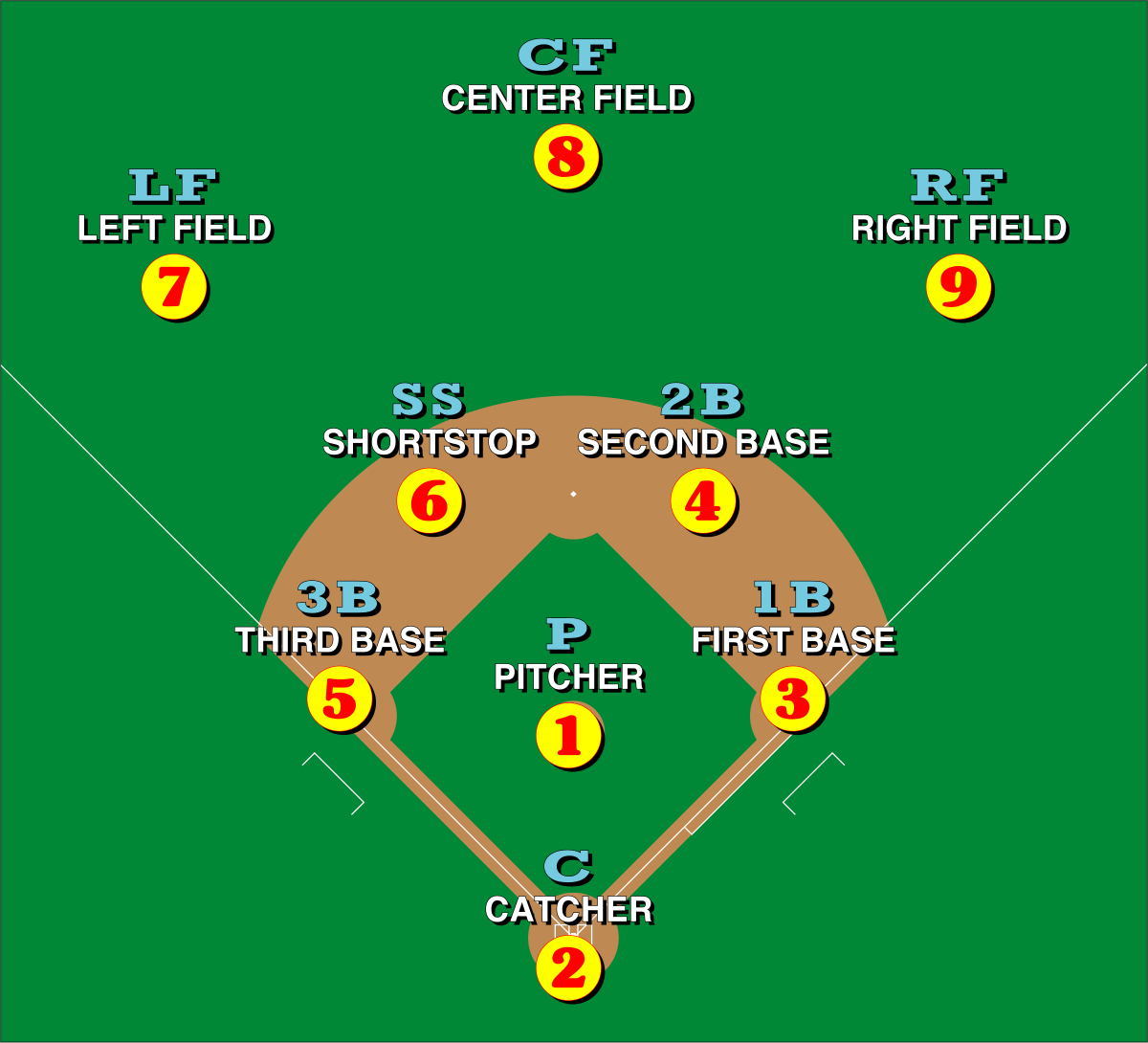
Overview: Why positions matter in baseball
Positions organize defense and shape every play. Knowing what are the positions in baseball helps fans read the game and helps players focus on skills that match their role. Positioning improves team defense, prevents runs, and creates scoring chances. Learning the names, numbers, and basic duties makes baseball easier to follow and more fun to coach or play.
The nine defensive positions explained
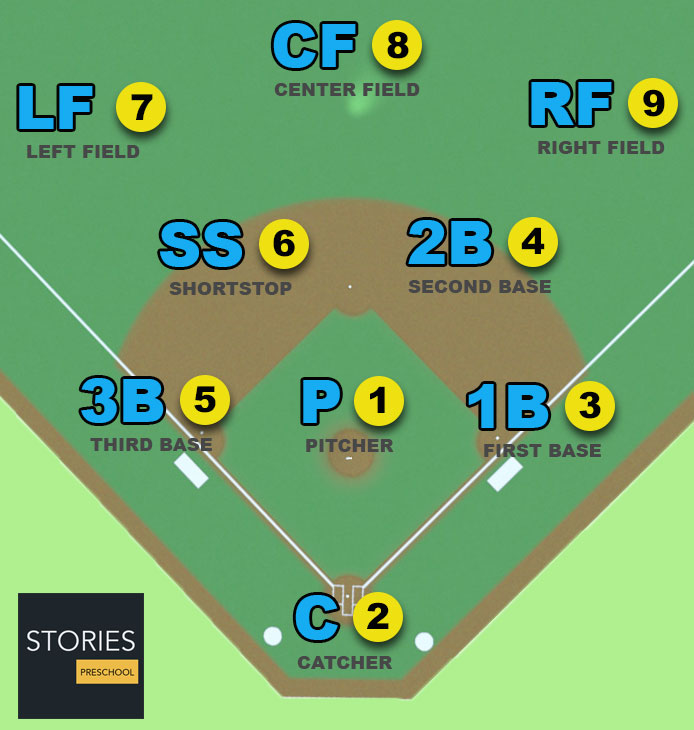
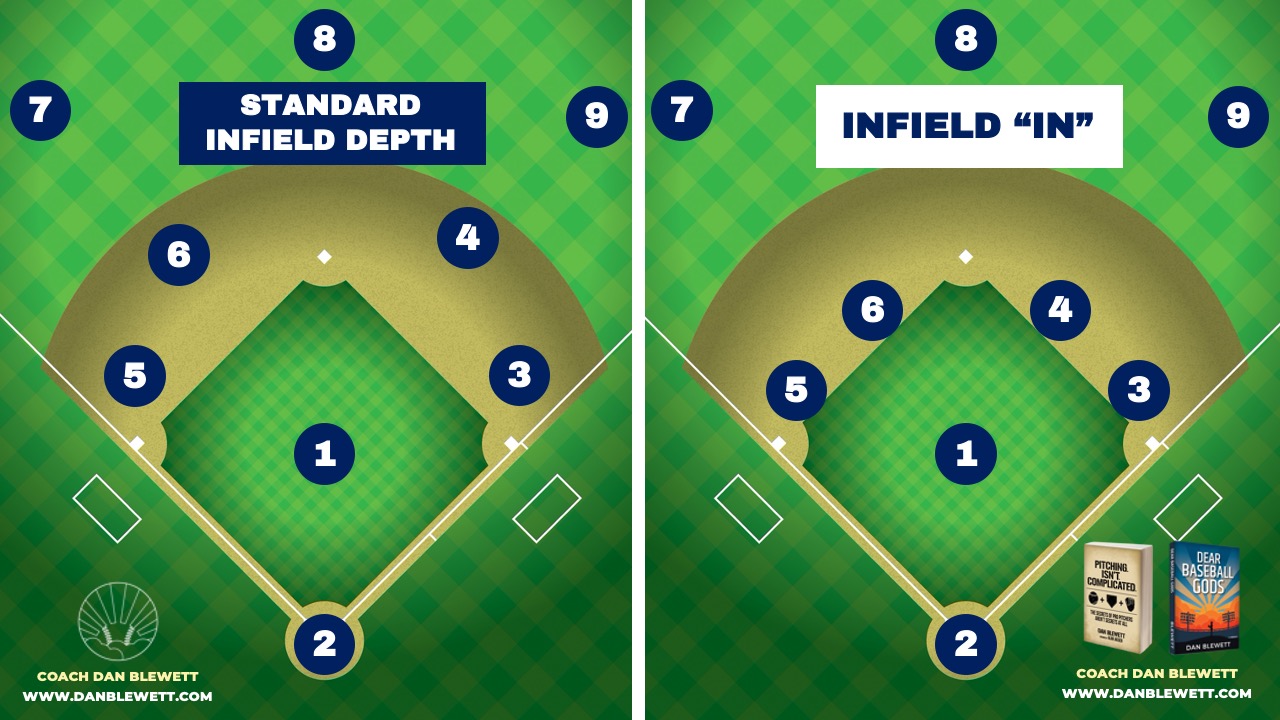
If you wonder "What are the positions in baseball?" the standard defensive set has nine spots numbered 1 to 9. Below are simple explanations and the main job for each position.
Pitcher (1)
The pitcher starts every play by throwing the ball to the catcher. Pitchers control the tempo and use strategy to get batters out. Good pitchers mix speed, location, and movement.
Catcher (2)
The catcher receives pitches, blocks balls in the dirt, and calls the game. Catchers must throw well to prevent stolen bases. They act as the field general on defense.
First baseman (3)
First basemen catch throws to record outs at first base. They need quick reactions and good footwork to stretch for throws. First basemen often handle many infield plays.
Second baseman (4)
Second basemen cover the right side of the infield and turn double plays with the shortstop. They need agility, quick hands, and good anticipation. Many plays require short throws to first.
Third baseman (5)
Third basemen guard the "hot corner" and face hard-hit balls. They need strong arms for long throws to first base and quick reaction time. Moving late, reading bunts, and fielding sharp grounders are key.
Shortstop (6)
Shortstops cover the most ground in the infield and often make the toughest plays. They act as a relay for many outs and must have excellent range and arm strength. Shortstops are often team leaders on defense.
Left fielder (7)
Left fielders back up infield throws and field many routine fly balls. They need good reads and reliable catching. Left field requires less arm strength than right field but solid instincts.
Center fielder (8)
Center fielders patrol the largest outfield area and often take charge of fly balls. They need speed, range, and the ability to communicate with corner outfielders. A strong center fielder can save many runs.
Right fielder (9)
Right fielders often face stronger hits and need a powerful arm to throw to third base and home. They back up first base on certain plays and field deep fly balls. Right field requires both arm strength and good reads.

Roles and responsibilities by position
Understanding what are the positions in baseball includes knowing core responsibilities. Each spot has clear tasks during defense and offense.
- Pitcher: Throw strikes, mix pitches, and field bunts or comebackers.
- Catcher: Receive pitches, call signals, block balls, and control the running game.
- Corner infielders (1B and 3B): Handle throws, field grounders, and guard foul lines.
- Middle infielders (2B and SS): Turn double plays, cover bases, and back each other up.
- Outfielders (LF, CF, RF): Track fly balls, field hits to gaps, and make strong relay throws.
Key skills and traits for each position
Matching skill sets to positions helps players develop. Knowing what are the positions in baseball clarifies which drills matter most.
- Pitcher: Control, command, stamina, and pitch variety.
- Catcher: Blocking, framing, quick release, and leadership.
- Infielders: Footwork, soft hands, quick transfers, and accurate throws.
- Outfielders: Sprinting speed, route efficiency, and strong throws.
- Versatility: Utility players who can fill multiple positions add roster flexibility.
Strategies, positioning, and defensive shifts
Teams use alignment and shifts based on hitters and game situations. If you ask "What are the positions in baseball?" remember that placement isn’t fixed. Managers move players to increase the chance of outs.
- Standard alignment: The nine positions in their normal places.
- Infield shift: Move infielders toward pull side to cut off expected hits.
- Double-play depth: Middle infielders position to maximize turn speed.
- Outfield alignment: Shade left or right based on batter tendencies.
Good teams communicate and adjust during innings. Players must know their base responsibilities during each shift and who covers on steals or bunts.
Youth leagues, designated hitter, and variations
Leagues change the lineup and rules, so what are the positions in baseball can differ by level and league. Many youth leagues move players through positions. High school and college may use a designated hitter to bat in place of the pitcher. Slow-pitch, softball, and recreational leagues may modify positioning and roles.
- Youth development: Rotate players to build all-around skills.
- Designated hitter: Used in many adult amateur leagues and some professional rules.
- Extra positions: Some leagues allow defensive substitutes or limit pitcher innings.
Common mistakes and practical tips from experience
From coaching, I’ve seen recurring errors and easy fixes. If you want to master what are the positions in baseball, start with basics and practice game-like reps.
- Mistake: Standing flat-footed after the pitch. Tip: Always be on the balls of your feet and ready to move.
- Mistake: Poor communication in the outfield. Tip: Call the ball loudly and early to avoid collisions.
- Mistake: Rushing throws. Tip: Set your feet and use quick transfers for accuracy.
- Tip: Practice situational drills—cut-offs, relays, and bunt defense—to build instincts.
Playing multiple positions helps young players find the best fit. I learned my range improved after spending an off-season in center field rather than only infield drills.
Frequently Asked Questions of What are the positions in baseball?
What are the nine positions in baseball?
The nine positions are pitcher, catcher, first base, second base, third base, shortstop, left field, center field, and right field. Each position has numbered shorthand used on scorecards.
How are baseball positions numbered?
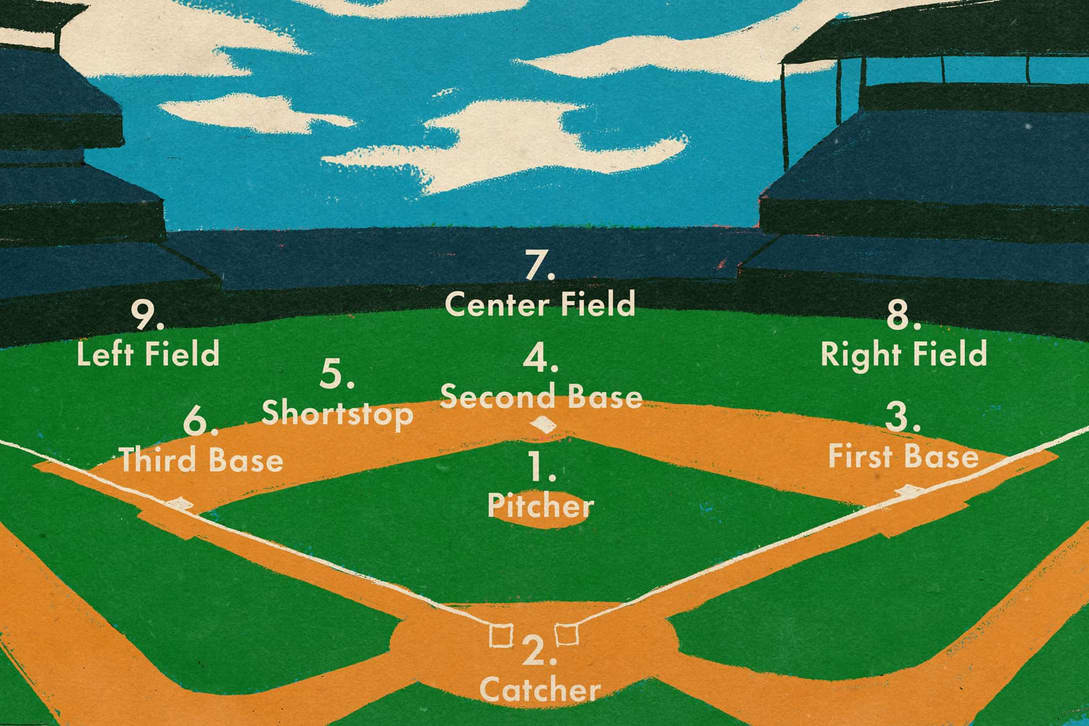
Positions are numbered 1 through 9: 1 pitcher, 2 catcher, 3 first base, 4 second base, 5 third base, 6 shortstop, 7 left field, 8 center field, 9 right field. The numbering helps scorekeeping and play description.
What is the role of the shortstop?
The shortstop fields ground balls between second and third base, turns double plays, and covers second base on steals. Shortstops need strong range and quick decision-making.
Can a player play multiple positions?
Yes. Many players are utility players and fill multiple roles during a season. Versatility helps teams manage injuries and matchups.
What does a designated hitter do?
A designated hitter bats in place of the pitcher but does not play defense. Leagues and levels decide whether the designated hitter is allowed.
How do I decide what position to play?
Choose a position based on your skills: arm strength for corners, quick feet for middle infield, speed for outfield. Try different spots to find where you perform best.
Conclusion
Understanding what are the positions in baseball gives you the tools to watch, play, or coach with more confidence. Learn the nine spots, practice the right skills for each role, and communicate well on the field. Try rotating through a few positions this season, ask for feedback, and keep honing one specialty. If this guide helped, share your questions or experiences below, subscribe for more tips, or join a local practice to put these ideas into action.

