Are Ice Bath Tubs Good For Athletes?
Few things are as striking in the world of sports recovery as the image of an athlete submerged in icy water, shivering but determined. Ice bath tubs—sometimes called cold water immersion—have become a familiar sight in gyms, training camps, and locker rooms. But are these frosty dips really as helpful as many claim? Or are they just a trend that feels good but delivers little?
For athletes at all levels, faster recovery means better performance, fewer injuries, and more consistent training. That’s why the idea of a simple, affordable tool like an ice bath is so appealing. However, as with many fitness trends, the truth is more complex.
Science, experience, and practical wisdom all play a role in understanding the real value of ice baths.
Let’s dive into the facts, myths, and deeper details about ice bath tubs for athletes. Whether you’re a weekend runner, a professional football player, or just curious about recovery hacks, this guide will help you decide if ice baths belong in your training routine.
What Are Ice Bath Tubs?
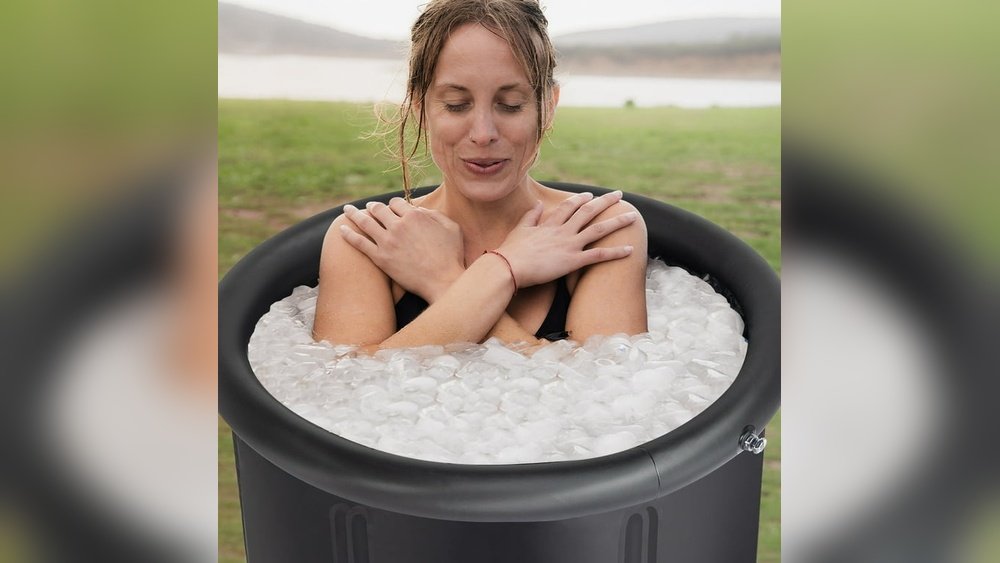
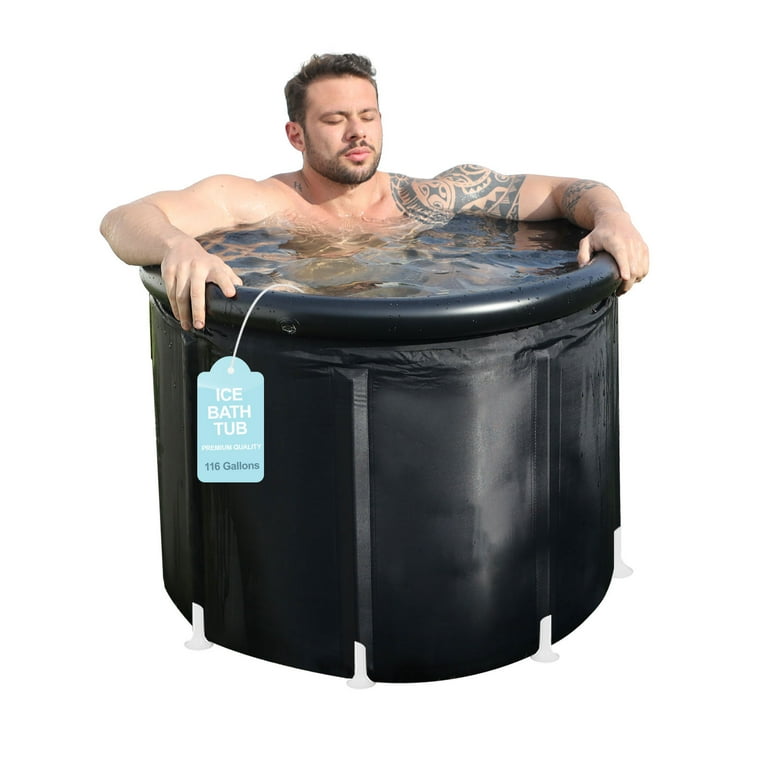
Ice bath tubs are containers—ranging from simple bathtubs to special portable tubs—filled with cold water and ice. The water temperature usually sits between 10°C to 15°C (50°F to 59°F). Athletes sit or lie in the tub for 10 to 15 minutes after intense exercise.
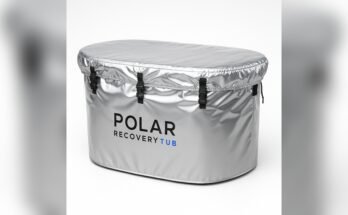
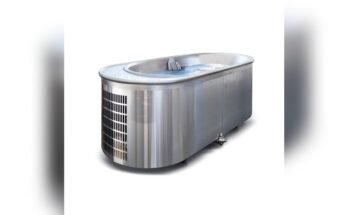
Some gyms use regular bathtubs, while others invest in high-tech tubs with temperature controls, built-in timers, and filtration systems. Home versions are often inflatable or made from hard plastic. But at their core, all ice bath tubs serve the same purpose: to immerse the body in cold water for recovery.
Why Do Athletes Use Ice Baths?
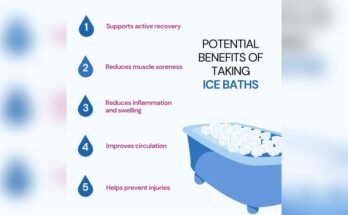
The main reason athletes use ice baths is to speed up recovery after hard workouts, games, or competitions. The cold water is said to:
- Reduce muscle soreness
- Decrease inflammation
- Limit swelling
- Help muscles repair faster
These benefits are especially valuable for sports with tight schedules—think soccer tournaments or back-to-back basketball games. Even amateur athletes use ice baths to help their bodies bounce back from long runs, heavy weightlifting, or intense training.

How Do Ice Baths Work? The Science Explained
The basic idea behind ice baths is simple: cold causes blood vessels to constrict. When you step into icy water, your blood vessels narrow. This reduces blood flow to your muscles, which is thought to help decrease swelling and inflammation caused by microtears in muscle fibers.
When you get out of the bath and warm up, your blood vessels open back up—known as vasodilation. This rush of blood is believed to help flush out waste products (like lactic acid) and bring in nutrients that speed healing.
But what does the science say? Research on ice baths is mixed, but several studies show that cold water immersion can:
- Reduce delayed onset muscle soreness (DOMS) by up to 20% in the 24-72 hours after exercise
- Limit the amount of swelling after intense or damaging workouts
- Offer a small boost to short-term recovery, especially for athletes doing multiple events in a short period
However, some studies suggest that ice baths do not significantly improve long-term muscle recovery or performance. In some cases, frequent ice baths may even slow down muscle growth if used right after strength training.
Proven Benefits Of Ice Bath Tubs For Athletes
1. Reduces Muscle Soreness
One of the most consistent findings in research is that ice baths help reduce muscle soreness after heavy exercise. A review of 17 studies published in the Journal of Strength and Conditioning Research found that ice baths can lower soreness levels by about 20% compared to passive rest.
This reduction is most noticeable 24 to 72 hours after exercise. For athletes with busy schedules, this means less pain and better training consistency.
2. Controls Inflammation
Intense exercise causes small tears in muscle fibers, leading to inflammation. Ice baths help control this response by narrowing blood vessels and slowing down the movement of inflammatory chemicals.
This effect is especially useful for sports involving high impact or eccentric muscle work—like rugby, basketball, or long-distance running.
3. May Speed Recovery Between Events
For athletes who compete or train on back-to-back days, ice baths can help speed up recovery. Studies with soccer players and marathon runners show that cold water immersion allows athletes to perform at a higher level the next day compared to regular rest.
This is most valuable during tournaments, training camps, or multi-day races.
4. Reduces Swelling
Ice baths help limit swelling by constricting blood vessels and slowing blood flow. This is helpful for injuries, sprains, or after long periods of standing or running.
5. Psychological Benefits
The ritual of taking an ice bath can have a powerful mental effect. Athletes often report feeling refreshed, tougher, and more ready to tackle the next challenge. The cold forces you to focus, breathe deeply, and practice mental discipline.
6. May Reduce Perception Of Fatigue
Feeling less sore and more alert after an ice bath can help athletes feel less fatigued, even if the physical recovery is only modest. This psychological boost matters in sports where mindset is key.

Risks And Drawbacks Of Ice Bath Tubs
Despite their benefits, ice baths are not risk-free or perfect for every athlete. It’s important to understand the potential downsides.
1. Possible Negative Impact On Muscle Growth
Some studies suggest that regular use of ice baths right after strength training can blunt muscle gains. The cold may slow the signaling pathways that lead to muscle growth and adaptation.
If your main goal is building muscle, save ice baths for very hard sessions, injuries, or when soreness is extreme—not after every workout.
2. Risk Of Hypothermia
Staying in cold water for too long, or using water that’s too cold, can lead to hypothermia. Always limit sessions to 10-15 minutes and use a thermometer to check the water temperature.
3. Not Suitable For Everyone
People with certain health conditions—like heart problems, Raynaud’s disease, or poor circulation—should avoid ice baths. The sudden cold can stress the heart and blood vessels.
4. Discomfort And Pain
Ice baths are uncomfortable. The initial shock, numbness, and pain can be intense, especially for beginners. For some, this discomfort outweighs the benefits.
5. Not A Cure-all
Ice baths are not a magic solution. They do not replace proper nutrition, sleep, or medical care for injuries.
Who Should Use Ice Bath Tubs?
Ice baths are most useful for:
- Endurance athletes: Runners, cyclists, triathletes after long races or hard training
- Team sport athletes: Soccer, basketball, rugby players during tournaments or heavy schedules
- Combat sports: Boxers, MMA fighters, wrestlers with repeated training sessions
- Athletes recovering from injuries (with medical approval)
They are less important for athletes focused only on muscle building, or for those who train at low to moderate intensity.
When And How Often Should Athletes Use Ice Baths?
Timing and frequency matter. Here are some practical guidelines:
- After competitions or very hard workouts: Use ice baths when you have extreme soreness or back-to-back events.
- Not after every strength session: To avoid slowing muscle growth, skip ice baths after regular weightlifting.
- 1-2 times per week: For most, this is enough. More frequent use is rarely needed unless training volume is very high.
How To Take An Ice Bath Safely
Here are key steps for a safe and effective ice bath:
- Prepare the tub: Fill with cold water, then add ice until the temperature is 10°C to 15°C (50°F to 59°F).
- Check the temperature: Use a reliable thermometer.
- Set a timer: Limit the bath to 10-15 minutes.
- Wear clothing: Some athletes wear shorts or a swimsuit for comfort.
- Ease in slowly: Enter the tub gradually to avoid shock.
- Keep your chest out: For safety, keep most of your chest above water.
- Have towels ready: Dry off and warm up immediately after leaving the bath.
Tip: If you feel dizzy, numb, or unusually cold, get out right away.
Comparing Ice Baths With Other Recovery Methods
Ice baths are just one of several recovery tools for athletes. Here’s how they stack up against other popular options.
| Method | Main Benefit | Best For | Drawbacks |
|---|---|---|---|
| Ice Bath | Reduces soreness, swelling | Intense training, tournaments | Uncomfortable, not for muscle growth |
| Foam Rolling | Improves flexibility, reduces knots | Daily use, warm-ups | Can be painful, time-consuming |
| Compression Gear | Decreases swelling, improves blood flow | Travel, long events | Expensive, mixed research |
| Massage | Relaxes muscles, improves mood | After heavy sessions | Costly, requires a therapist |
| Active Recovery | Boosts blood flow, aids recovery | Low-intensity days | Not for acute injuries |
Choosing The Right Ice Bath Tub
If you’re considering buying an ice bath tub for home or team use, keep these factors in mind:
1. Size And Capacity
Choose a tub that fits your height and allows you to submerge your legs and hips comfortably. Tall athletes may need extra-long models.
2. Material And Durability
Inflatable tubs are portable and affordable but can puncture. Hard plastic or fiberglass tubs are more durable but cost more.
3. Portability
If you travel often or have limited space, look for collapsible or inflatable options.
4. Temperature Control
Advanced tubs offer built-in chillers and temperature controls. These are costly but convenient for teams or frequent use.
5. Ease Of Cleaning
A tub with a drain and smooth surface is easier to clean and maintain.
6. Price
Prices range from $100 for basic inflatable tubs to several thousand dollars for high-tech models.
7. Safety Features
Look for non-slip surfaces and sturdy walls. Some tubs include covers to keep water clean.
Popular Types Of Ice Bath Tubs
| Type | Pros | Cons | Typical Price |
|---|---|---|---|
| Standard Bathtub | Already available, easy | Limited space, no controls | Free (if at home) |
| Inflatable Tub | Portable, affordable | Less durable, manual ice needed | $100–$300 |
| Hard Plastic Tub | Durable, easy to clean | Bulky, heavy | $300–$700 |
| High-Tech Chiller Tub | Precise temp, fast setup | Expensive, needs power | $2,000+ |
Myths And Misconceptions About Ice Baths
Despite their popularity, ice baths are surrounded by myths. Let’s clear up a few:
1. “ice Baths Make You Stronger”
While ice baths help with soreness and swelling, they do not build muscle or increase strength. In fact, overuse may reduce gains if used after every strength workout.
2. “colder Is Always Better”
Super-cold water (below 10°C) increases the risk of numbness, pain, and injury. There is no extra benefit to using extremely cold water. Stick to 10–15°C.
3. “everyone Should Use Ice Baths”
Not all athletes need ice baths. For low-intensity sports or rest days, gentle recovery methods (like stretching or walking) are better.
4. “ice Baths Heal Injuries”
Ice baths help with general soreness and swelling but do not treat serious injuries like muscle tears or broken bones. Always see a doctor for medical issues.
Real-world Examples: Who Uses Ice Bath Tubs?
Elite Sports Teams
Professional soccer, rugby, and basketball teams often have dedicated ice bath rooms. For example, during the FIFA World Cup, teams use ice baths after every match to help players recover quickly for the next game.
Marathon Runners
After a marathon, runners often use ice baths to reduce swelling in their legs. Many report less pain and faster return to training.
Ufc And Boxing Gyms
Combat sports athletes use ice baths as part of “weight cut” and recovery routines. The cold helps reduce bruising and keeps inflammation in check after sparring or fights.
College Athletes
Universities often provide ice baths for their athletes during tournaments and training camps. These are especially popular in football, track and field, and basketball.
Two Insights Beginners Often Miss
- It’s Not Just About the Cold: The biggest benefit of ice baths may be the combination of physical and mental recovery. The process builds mental toughness, teaching athletes to stay calm and focused under stress—a valuable skill in competition.
- Less Can Be More: Many beginners assume more ice or longer baths are better. In reality, overdoing it can blunt training gains, increase discomfort, and even lead to injury. Short, controlled sessions are most effective.
Practical Tips For Getting Started
If you’re new to ice bath tubs, start slow:
- Try cold showers first to get used to the sensation.
- Use less ice and shorter sessions (5–7 minutes) at first, then build up.
- Focus on deep, slow breathing to manage the shock.
- Have a warm drink and dry clothes ready for after your bath.
And always listen to your body. If you feel faint, numb, or overly chilled, cut the session short.
What The Experts Say
Leading sports medicine experts generally support ice baths for managing soreness and short-term recovery. However, they caution against overuse and recommend balancing cold therapy with other recovery tools.
According to the American College of Sports Medicine, ice baths are “most useful for athletes in high-frequency, high-intensity sports,” but are not needed for everyone.
For more in-depth research, see this Wikipedia entry on Cryotherapy.
Frequently Asked Questions
What Is The Best Temperature For An Ice Bath?
The ideal temperature for an ice bath is 10°C to 15°C (50°F to 59°F). Colder water does not provide extra benefits and increases the risk of hypothermia or skin damage.
How Long Should I Stay In An Ice Bath?
Most athletes use ice baths for 10 to 15 minutes. Longer sessions do not offer added benefits and can be dangerous.
Can Ice Baths Help Prevent Injuries?
Ice baths can help reduce swelling and soreness, but they do not prevent injuries on their own. Proper warm-up, stretching, and training are also essential.
Are Ice Baths Safe For Everyone?
No. Ice baths are not safe for people with heart conditions, circulatory issues, or Raynaud’s disease. Pregnant women and young children should also avoid them.
Do Ice Baths Work Better Than Hot Baths?
Ice baths reduce inflammation and soreness, while hot baths help relax muscles and improve flexibility. Some athletes alternate between hot and cold (contrast therapy) for combined benefits.
Final Thoughts
Ice bath tubs are a powerful recovery tool for many athletes, but they are not a cure-all. Used wisely, they help reduce soreness, control swelling, and speed up recovery between intense sessions. However, they are not essential for every athlete and should be used with care, especially if you’re focused on muscle growth.
Remember that recovery is a complete package—including sleep, nutrition, stretching, and mental rest. Ice baths are just one piece of the puzzle. If you decide to try them, start slow, listen to your body, and always put safety first. For many athletes, the icy plunge is worth it—but only as part of a balanced recovery plan.