Many people hear about ice bath tubs from athletes or on social media. They see people sitting in cold water, looking relaxed or sometimes struggling, and wonder: is this safe for beginners? Can anyone use an ice bath tub, or do you need special training? If you’re curious, you’re not alone. The world of cold water therapy has grown quickly, but there’s a lot of confusion about what’s true and what’s risky.
This guide will help you understand if ice bath tubs are good for beginners. We’ll look at what happens to your body, how to start, what mistakes to avoid, and how to make your first experience safe and comfortable. You’ll also see how ice baths compare to other recovery methods, and get practical tips for a smooth start.
By the end, you’ll know if an ice bath tub is right for you and what steps to take.
What Is An Ice Bath Tub?
An ice bath tub is a container filled with cold water and ice, usually between 10°C and 15°C (50°F to 59°F). People sit or submerge their bodies in the tub for a set time, usually 5–15 minutes. This practice is also called cold water immersion or cryotherapy.
Ice bath tubs can be made from:
- Plastic or metal tubs
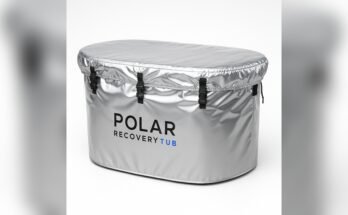
- Inflatable portable tubs
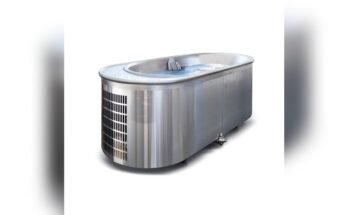
- Dedicated cold plunge units
Athletes use them after intense exercise, but now many non-athletes try ice baths for recovery, energy, or stress relief.
Why Do People Use Ice Bath Tubs?
The main reasons people use ice bath tubs include:
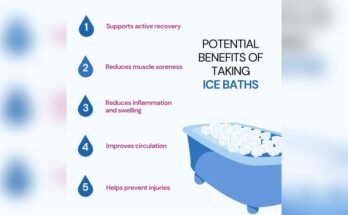
- Muscle recovery: Cold water can help reduce muscle soreness after heavy exercise.
- Decrease inflammation: The cold slows blood flow, which may limit swelling and inflammation.
- Boost energy and mood: Many say ice baths wake them up and improve mood.
- Mental resilience: Staying in cold water helps build mental strength by learning to handle discomfort.
While these are popular reasons, science is still learning about the long-term effects. Still, many people feel real benefits, especially with regular use.

How Ice Baths Affect The Body
When you enter an ice bath, your body reacts quickly to the cold. Here’s what happens:
- Blood vessels constrict: Cold water causes your blood vessels to narrow, reducing blood flow to skin and muscles.
- Nerve signals change: The cold can reduce pain signals, making you feel less sore.
- Heart rate increases: Your heart works a bit harder to keep your body warm.
- Shivering: Your muscles may shiver, which is your body’s way to create heat.
After you exit, your blood vessels open again. This increases blood flow, helping to remove waste products from muscles and bring in nutrients for healing.
Are Ice Bath Tubs Safe For Beginners?
For most healthy adults, ice bath tubs are safe if you follow basic guidelines. But there are important things beginners need to know:
Who Should Not Use Ice Baths?
Some people should be extra careful or avoid ice baths, including:
- Those with heart conditions (like arrhythmia or hypertension)
- Anyone with Raynaud’s disease (poor blood flow to fingers and toes)
- People with asthma or breathing problems
- Anyone who is pregnant (always ask your doctor first)
- Those with open wounds or skin infections
If you have any health doubts, always check with a doctor before your first ice bath.
Why Beginners Struggle
Beginners often find ice baths very uncomfortable. Common problems include:
- Shortness of breath from the shock of cold
- Muscle cramps or shivering
- Numbness or tingling in fingers and toes
- Feeling light-headed or dizzy
These are normal body responses, but they can feel scary if you’re not prepared.
Benefits Of Ice Bath Tubs For Beginners
If done safely, beginners can enjoy several benefits from using ice bath tubs:
Faster Muscle Recovery
Cold water helps lower delayed onset muscle soreness (DOMS), especially after hard workouts. A review in the British Journal of Sports Medicine found that cold water immersion reduced muscle soreness by up to 20% compared to rest alone.
Reduced Inflammation
The cold slows swelling and can help with minor injuries. This is why athletes use ice after sports.
Improved Mood
Cold water triggers the release of endorphins, the body’s “feel good” chemicals. Many people say they feel happier and more focused after an ice bath.
Learning To Handle Stress
Sitting in cold water is tough mentally. Beginners often notice their ability to handle stress in life improves as they get used to ice baths.
Better Sleep
Some people find that ice baths in the evening help them relax and sleep better, though the scientific evidence is still limited.
Potential Risks And Side Effects
While ice baths offer benefits, there are risks, especially for first-timers:
Cold Shock Response
Sudden exposure to cold water may cause you to gasp or hyperventilate. This can be dangerous if not controlled.
Hypothermia
Staying too long in cold water can lower your body temperature too much, leading to hypothermia. Beginners should never stay in longer than recommended.
Frostbite
Rare, but if you use too much ice or stay in very cold water for too long, you could damage skin or nerves.
Heart Strain
Cold water makes your heart work harder. People with heart problems face a higher risk.
How To Start Using Ice Bath Tubs As A Beginner
If you want to try an ice bath tub, here’s a simple, safe approach:
- Start with cool, not icy, water: Begin with water around 15°C to 18°C (59°F to 64°F).
- Limit your time: Aim for 2–5 minutes for your first session.
- Don’t go alone: Have someone with you in case you need help.
- Warm up before and after: Use a warm shower or light exercise before, and dry off quickly after.
- Listen to your body: If you feel dizzy, numb, or in pain, get out right away.
Here’s a step-by-step for your first ice bath:
- Fill the tub with cold tap water
- Add a small amount of ice
- Use a thermometer to check the temperature
- Set a timer for your planned duration
- Slowly lower your body in, controlling your breathing
- Get out and wrap up warm as soon as the timer goes off
Comparing Ice Baths To Other Recovery Methods
How do ice bath tubs stack up against other ways to recover after exercise? Here’s a look:
| Method | Muscle Soreness Relief | Inflammation Control | Mental Benefits | Beginner Friendly |
|---|---|---|---|---|
| Ice Bath Tub | High | High | Moderate | Medium |
| Foam Rolling | Moderate | Low | Low | High |
| Massage | High | Moderate | High | High |
| Stretching | Low | Low | Low | High |
| Heat Therapy | Moderate | Low | High | High |
Insight: Ice baths offer fast relief for soreness and swelling, but they are less beginner-friendly than stretching or foam rolling. They also provide a unique mental challenge.
What Beginners Usually Miss About Ice Bath Tubs
Most first-time users focus on the cold, but there are some less obvious points:
- Breathing control is essential: How you breathe changes your body’s stress response. Fast, shallow breathing makes the ice bath harder. Slow, deep breaths help you relax.
- Small temperature differences matter: Even 2–3 degrees warmer or colder can feel very different. Don’t push for the coldest water right away.
- The mental aspect is powerful: Many beginners focus only on physical recovery, but the true benefit is often mental resilience.
- Consistency beats intensity: Short, regular ice baths are better than rare, extreme sessions.
How To Choose An Ice Bath Tub As A Beginner
If you’re ready to buy or use an ice bath tub, here are key things to look for:
Size And Material
Pick a tub that fits your body comfortably. Most adults need a tub at least 100 liters (26 gallons) in volume. Materials can be plastic, metal, or inflatable. Inflatable tubs are easy to store but may not last as long.
Ease Of Use
Look for a tub with easy drainage and cleaning. Some portable tubs come with covers or insulation to keep water cold longer.
Safety Features
Non-slip bottoms, stable walls, and handles can help you get in and out safely.
Price
Ice bath tubs range from $50 for basic models to over $1,000 for high-end cold plunge units. Beginners don’t need to spend much—many start with a regular bathtub.
Here’s a simple comparison:
| Type | Pros | Cons | Price Range |
|---|---|---|---|
| Standard Bathtub | Easy to access, no extra cost | Not very deep, may not stay cold | Free (if you have one) |
| Inflatable Tub | Portable, low cost, easy to set up | Less durable, slower to drain | $50–$200 |
| Metal/Plastic Tub | Very durable, holds cold well | Heavier, less portable | $100–$500 |
| Cold Plunge Unit | Precise temperature, long-lasting | Expensive, needs space and electricity | $500–$2,500 |
Best Practices For Your First Ice Bath
To make your first experience safe and enjoyable, follow these best practices:
- Set realistic expectations: Ice baths will be uncomfortable at first. This is normal.
- Use a timer: Never guess. Set an alarm for your planned duration.
- Enter slowly: Don’t jump in. Lower your body in stages.
- Keep your hands and feet out: For first-timers, it’s okay to keep your hands and feet out of the water to reduce shock.
- Focus on breathing: Inhale through your nose, exhale slowly through your mouth.
- Warm up afterward: Have a towel and warm clothes ready. Light movement helps your body return to normal.
What To Expect: Timeline For Beginners
Here’s a rough idea of what beginners usually feel:
- First 30 seconds: Strong cold shock, rapid breathing
- 1–2 minutes: Body starts to adjust, breathing slows
- After 3 minutes: Numbness in skin, muscles relax
- 5 minutes and beyond: Deeper numbness, risk of overcooling (beginners should exit)
Most experts recommend beginners do not stay in longer than 5 minutes for their first few ice baths.

Common Mistakes Beginners Make
Even with good advice, mistakes happen. Here are the main ones and how to avoid them:
Staying In Too Long
Trying to “prove toughness” by staying too long can lead to hypothermia. Always use a timer and get out if you feel numbness or pain.
Using Water That’s Too Cold
Starting with very cold water increases risk and discomfort. Begin with 15–18°C (59–64°F) and reduce over time.
Forgetting To Warm Up After
If you don’t warm up after, you may shiver for a long time. Have a warm drink, dry towel, and warm clothes ready.
Not Having Support
It’s best to have someone with you, especially for your first time. They can help if you feel dizzy or need to get out quickly.
Not Listening To Your Body
Pain, dizziness, or strong shivering are signs to get out immediately. Don’t ignore these warnings.
How Often Should Beginners Use Ice Bath Tubs?
For beginners, 1–2 sessions per week is enough. As your body adapts, you can increase frequency. Most benefits come from regular, not extreme, use.

Real User Experiences: What Beginners Say
Many beginners are surprised by how strong the first cold shock feels. But most also say they adapt quickly. Here are some real comments from new users:
- “The first minute was tough, but after two minutes, I felt calm and clear-headed.”
- “I started with just my legs, then tried a full plunge a week later.”
- “It helps me recover faster after running, but I always have a friend nearby.”
A non-obvious insight: Some users find the social aspect helpful. Sharing the experience with friends or in a group can make the process easier and more enjoyable.
Are Ice Bath Tubs Worth It For Beginners?
If your main goals are faster muscle recovery, improved mood, and building mental toughness, ice bath tubs can be a good choice—even for beginners. But it’s important to start slow and focus on safety. The cold is a powerful tool, but only if used wisely.
Ice baths are not a magic solution. They work best as part of a balanced recovery routine, including sleep, nutrition, and other recovery methods. If you dislike cold or have health worries, there are other options that can also help.
For more on the science behind cold water therapy, you can read the research overview on Wikipedia.
Frequently Asked Questions
What Is The Best Temperature For A Beginner’s Ice Bath?
For beginners, 15°C to 18°C (59°F to 64°F) is best. This is cold enough to offer benefits but less likely to cause shock or discomfort. Start higher and slowly lower the temperature as you get used to the experience.
How Long Should A Beginner Stay In An Ice Bath?
Most experts suggest 2–5 minutes for your first sessions. Never go over 10 minutes as a beginner. Focus on short, regular sessions rather than one long plunge.
Can I Use My Regular Bathtub As An Ice Bath Tub?
Yes, a standard bathtub works well for most people. Just fill it with cold water and add ice as needed. Make sure the water covers most of your legs and hips for the best effect.
What Should I Do If I Feel Dizzy Or Numb During An Ice Bath?
Exit the water immediately, dry off, and warm up with a towel and warm clothes. If symptoms do not improve, seek medical help. Dizziness and numbness are signals to stop.
How Often Can I Use An Ice Bath Tub As A Beginner?
1–2 times per week is plenty for beginners. Listen to your body and only increase frequency if you recover well and enjoy the process.
Trying something new can feel challenging, but with the right knowledge and preparation, ice bath tubs can be a safe, rewarding tool—even for beginners. Start slow, respect your limits, and you may find more benefits than you expect.