Seniors today want to stay healthy and active for as long as possible. Many look for new ways to boost recovery, reduce pain, and keep energy high. One method getting attention is the ice bath tub—a cold water soak used by athletes for years. But is this chilly trend safe for older adults? The answer isn’t simple. While ice baths can offer benefits, they also bring real risks, especially for seniors. Let’s dive deep into what you need to know before stepping into cold therapy later in life.
What Is An Ice Bath Tub?
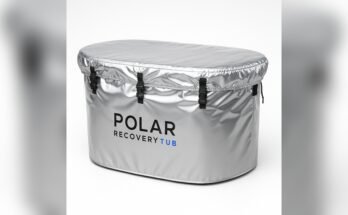
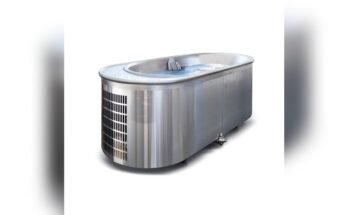
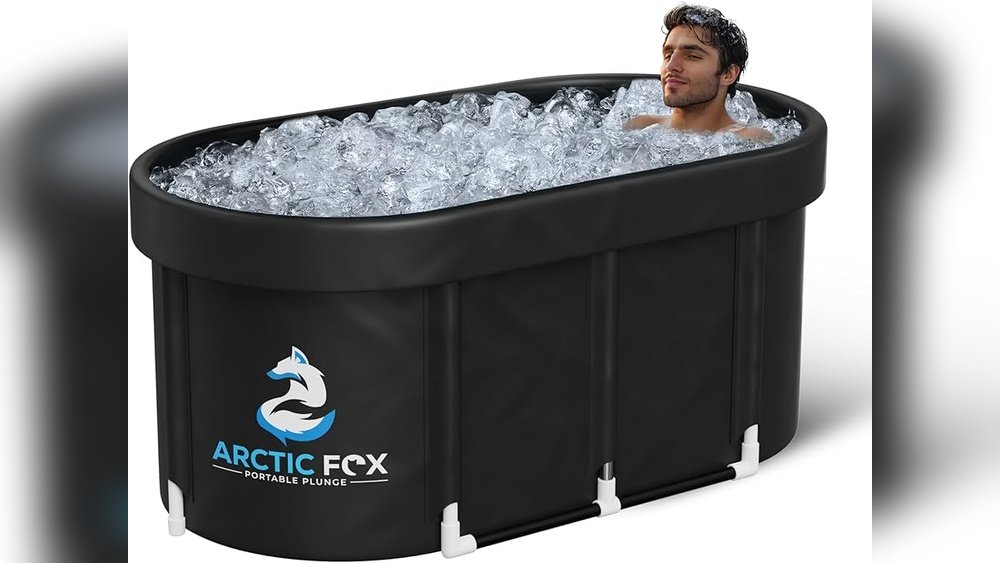
An ice bath tub is a container, often portable or installed at home, filled with cold water and ice. People sit in these tubs for a set time, usually between 5–15 minutes, to lower their body temperature. The goal is to reduce muscle soreness, inflammation, and sometimes to refresh the mind. You may see ice baths called cold plunge pools or cryotherapy tubs. While originally popular with athletes, more seniors are considering them for joint pain, arthritis, and general recovery.
The Science Behind Ice Baths
Cold water therapy works by causing vasoconstriction—your blood vessels narrow, which reduces blood flow to muscles. This process is believed to limit swelling and flush out waste products. When you leave the tub and warm up, blood flow increases, helping with healing. Research shows ice baths can cut muscle soreness after exercise by about 20%. However, most studies focus on young, healthy adults, not seniors.
Here’s a quick comparison of the body’s response in different age groups:
| Response | Younger Adults | Seniors |
|---|---|---|
| Vasoconstriction Speed | Fast | Slower |
| Heart Rate Response | Steady | More variable |
| Risk of Hypothermia | Low | Higher |
As you can see, older adults may not react the same way as younger people in the cold, which affects safety.

Potential Benefits Of Ice Baths For Seniors
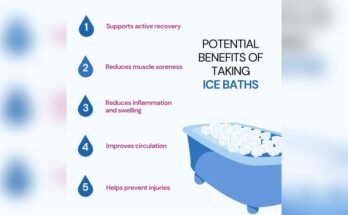
Some seniors turn to ice baths for relief from joint pain or to bounce back after physical activity. Here are possible benefits:
- Reduced muscle soreness: Cold water can ease aches after walking, gardening, or gentle workouts.
- Less swelling: Seniors with sore knees or ankles may notice less puffiness.
- Improved mood: The shock of cold can release endorphins, which help with stress and low mood.
- Faster recovery: For those staying active, ice baths may speed up healing after minor injuries.
- Better sleep: Some people report sleeping more deeply after cold exposure.
However, these benefits are not guaranteed for everyone, and research on seniors is limited.
Real Risks And Concerns For Seniors
While ice baths can sound tempting, the risks for older adults are real and must not be ignored. Here’s why caution is critical:
Cardiovascular Stress
Cold water makes the heart work harder. When you plunge into icy water, blood pressure rises quickly. For seniors with heart disease, high blood pressure, or a history of stroke, this can be dangerous—even life-threatening. The sudden shock may cause irregular heartbeat (arrhythmia), chest pain, or fainting.
Hypothermia
Older bodies lose heat faster and have a harder time warming up afterward. Hypothermia can happen in as little as 10–15 minutes in cold water, especially if the room is also cool. Symptoms like shivering, confusion, and weakness may come on quickly.
Nerve And Joint Issues
Seniors often have reduced sensitivity in their skin, so they may not realize how cold they are getting. This increases the risk of frostbite or nerve damage, especially in the feet and hands.
Balance And Falls
Getting in and out of a slippery tub is risky at any age. For seniors with reduced mobility or balance problems, the chance of slipping is much higher. Wet floors and numb legs make falls more likely.
Medication Interactions
Many seniors take medicine for blood pressure, diabetes, or circulation. Cold exposure can interact with these drugs, making their effects unpredictable.
Who Should Not Use Ice Bath Tubs
Not every senior is a good candidate for ice baths. Avoid cold water therapy if you have:
- Heart disease or a history of heart attacks
- High blood pressure that is not well controlled
- Stroke history
- Diabetes with nerve damage (neuropathy)
- Circulation problems like Raynaud’s disease
- Severe arthritis that limits mobility
- Cognitive decline (such as advanced dementia)
If you fall into any of these categories, speak with your doctor before considering an ice bath.
How To Use An Ice Bath Tub Safely (if At All)
If you and your doctor agree that you are healthy enough, there are steps to make ice bath use as safe as possible:
- Never use alone: Always have someone nearby to help.
- Check the water temperature: Aim for 10°C to 15°C (50°F to 59°F). Never go colder.
- Limit your time: Stay in for no more than 5–8 minutes.
- Warm up first: Don’t enter the bath if you’re already cold or have just eaten.
- Get out slowly: Stand up carefully to avoid dizziness.
- Dry off and warm up: Have warm clothes and a blanket ready.
- Monitor your body: If you feel chest pain, numbness, confusion, or weakness, get out immediately.
- Avoid after heavy meals or alcohol: Both can increase heart risk.
A practical tip: Place a non-slip mat beside the tub and inside it to prevent falls.
Comparing Ice Baths To Other Recovery Methods
Ice baths are not the only way to recover after exercise or reduce pain. Here’s a look at how they stack up against other common methods:
| Method | Benefits | Risks | Suitability for Seniors |
|---|---|---|---|
| Ice Bath Tub | Reduces soreness and swelling | Hypothermia, heart stress, falls | Limited, with supervision |
| Warm Bath | Relaxes muscles, increases circulation | Low blood pressure, dizziness | Generally safe |
| Compression Therapy | Reduces swelling, supports veins | Can cause discomfort if too tight | Safe if properly fitted |
| Gentle Stretching | Improves flexibility, reduces stiffness | Low risk | Very safe |
| Massage | Reduces pain, improves mood | Bruising, soreness | Safe with a trained therapist |
Gentle stretching and warm baths are often safer and still effective for most seniors.
Common Mistakes Seniors Make With Ice Baths
It’s easy to underestimate the power of cold water. Here are mistakes older adults often make:
- Staying in too long: More time does NOT mean better results. Overexposure increases all risks.
- Using water that’s too cold: Below 10°C (50°F) is dangerous.
- Going in alone: If you faint or slip, there’s no one to help.
- Ignoring warning signs: Shivering, chest pain, or numbness are signals to stop immediately.
- Trying to match younger people: What works for athletes can harm older bodies.
A non-obvious insight: Seniors sometimes forget to check the room temperature. If the air is also cold, the risk of hypothermia doubles.
Essential Features To Look For In An Ice Bath Tub For Seniors
If you decide to buy an ice bath tub, not all models are created equal. Here’s what really matters for older adults:
- Easy entry/exit: Look for tubs with a door or step, not just a deep barrel.
- Non-slip surface: Both inside and outside to cut fall risk.
- Precise temperature control: Some electric models let you set the water temperature.
- Shallow depth: Easier to get in and out, and less overwhelming.
- Sturdy handrails: For steady support.
- Quick drain system: You don’t want to stand up in cold water longer than needed.
- Insulated walls: To keep the cold in the tub, not in the room.
- Emergency release: Some advanced tubs have a quick open option.
Here’s a comparison of two common types:
| Feature | Standard Barrel Tub | Senior-Friendly Tub |
|---|---|---|
| Entry/Exit | Step over edge | Side door or low wall |
| Non-slip Surface | Rare | Common |
| Temperature Control | Manual (add ice) | Digital or dial setting |
| Handrails | No | Yes |
| Drain System | Slow plug | Quick release |
A non-obvious insight: Even “senior-friendly” tubs can be heavy when filled. Check if you need help moving or draining the tub.
Alternatives To Ice Baths For Seniors
If an ice bath feels too risky, there are safer ways to get similar benefits. Consider:
- Cool compresses: Apply cold packs to specific sore areas, not your whole body.
- Contrast showers: Alternate warm and cool water while standing. Less shock to the system.
- Water exercise: Swim or move gently in a pool (not cold), which supports joints and muscles.
- Topical gels: Products with menthol can create a cooling feeling without real cold.
- Guided relaxation: Mindfulness and breathing exercises can lower inflammation and stress.
These methods lower risk but still help with soreness, swelling, and mood.

How To Decide: Is An Ice Bath Tub Right For You?
Making the right choice comes down to your health, your goals, and your support system. Here’s a step-by-step guide:
- Talk to your doctor: Bring up any heart, blood pressure, or nerve issues.
- Be honest about mobility: Can you get in and out safely?
- Know your medications: Some interact badly with cold.
- Start small: Try a cool (not icy) bath for one minute with a helper nearby. See how you feel.
- Listen to your body: If you notice shivering, chest pain, or confusion, stop immediately.
- Review alternatives: If you have doubts, try other recovery methods.
Most importantly, remember: No cold therapy should replace medical care for injury or illness.
Stories From Seniors: Real-life Experiences
Some seniors have tried ice baths with mixed results. For example, Joan, age 70, enjoys gardening but struggles with knee pain. She started with a cool bath (not icy) for five minutes, with her daughter nearby. Joan found her knees felt less swollen and she slept better. However, she avoids ice baths when her arthritis flares.
Frank, age 75, tried an ice bath after hearing about benefits from his gym friends. He stayed in for ten minutes alone. Afterward, he felt dizzy and had trouble warming up. His doctor later warned him not to try again because of his high blood pressure.
Stories like these show that ice baths are not one-size-fits-all. Careful planning and supervision are key.

What Experts Say
Medical experts tend to be cautious about recommending ice bath tubs for seniors. The American Geriatrics Society notes that cold exposure can be risky for older adults with heart or circulation problems. Most experts recommend safer recovery methods first and suggest ice baths only for healthy, well-supervised seniors.
A recent study published by the National Institutes of Health found that cold water immersion can help with muscle soreness, but benefits for seniors are not well studied. The researchers recommend more trials with older adults before making strong recommendations. You can read more about these findings at the National Institutes of Health.
Frequently Asked Questions
Can Ice Baths Help With Arthritis Pain In Seniors?
Cold water can temporarily reduce swelling and pain in arthritic joints. However, ice baths are not always safe for seniors with arthritis, especially if mobility is limited. Safer options include cool compresses or short cool showers. Always check with your doctor before trying cold therapy for arthritis.
Is It Safe To Use An Ice Bath Tub Every Day As A Senior?
Daily use is rarely recommended for seniors. Even healthy older adults should limit ice bath use to 1–2 times per week, and only under supervision. Overuse can increase the risk of hypothermia, heart stress, and numbness. Safer recovery methods can be used daily.
What Should I Do If I Feel Dizzy Or Numb During An Ice Bath?
Get out of the bath immediately. Dry off and wrap yourself in a warm blanket. If you feel chest pain, severe dizziness, or confusion, call for medical help. These symptoms can signal dangerous drops in body temperature or heart problems.
Can I Use A Home Bathtub Instead Of A Special Ice Bath Tub?
You can use a regular bathtub for cold baths, but it’s harder to control the temperature and may be slippery. Always add non-slip mats and have someone with you. Special ice bath tubs made for seniors offer better safety features like handrails and temperature controls.
Are There Any Groups Of Seniors Who Should Never Use Ice Bath Tubs?
Yes. Seniors with heart disease, uncontrolled blood pressure, history of stroke, diabetic neuropathy, or serious circulation problems should never use ice bath tubs. Also, those with severe arthritis or cognitive issues should avoid them, as the risks outweigh the benefits.
Final Thoughts
Ice bath tubs can offer some recovery and pain relief benefits, but for seniors, the risks are much greater than for younger people. Most healthy older adults are better off with gentle, safer recovery methods like warm baths, stretching, or cool compresses.
If you still want to try an ice bath, always speak with your doctor first, use senior-friendly equipment, and never go in alone. Your safety and comfort should always come first—no trend is worth risking your health.