If you have ever watched athletes on social media, you may have seen them sitting in big tubs of icy water after a hard workout. These ice bath tubs are becoming popular, not only for professional sports players but also for everyday fitness fans and people looking to speed up recovery. But with so much hype, the real question stands: are ice bath tubs worth it for most people?
In this article, you will discover what ice bath tubs are, how they work, the real benefits and possible risks, who gets the most value from them, the different types available, what to look for before buying, and honest thoughts about whether they are a smart investment.
You will also see practical examples, real studies, and expert opinions to help you decide if jumping into the cold is right for you.
What Are Ice Bath Tubs?
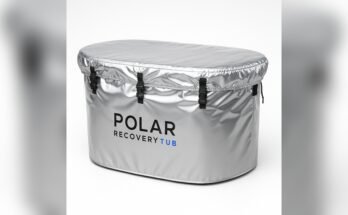
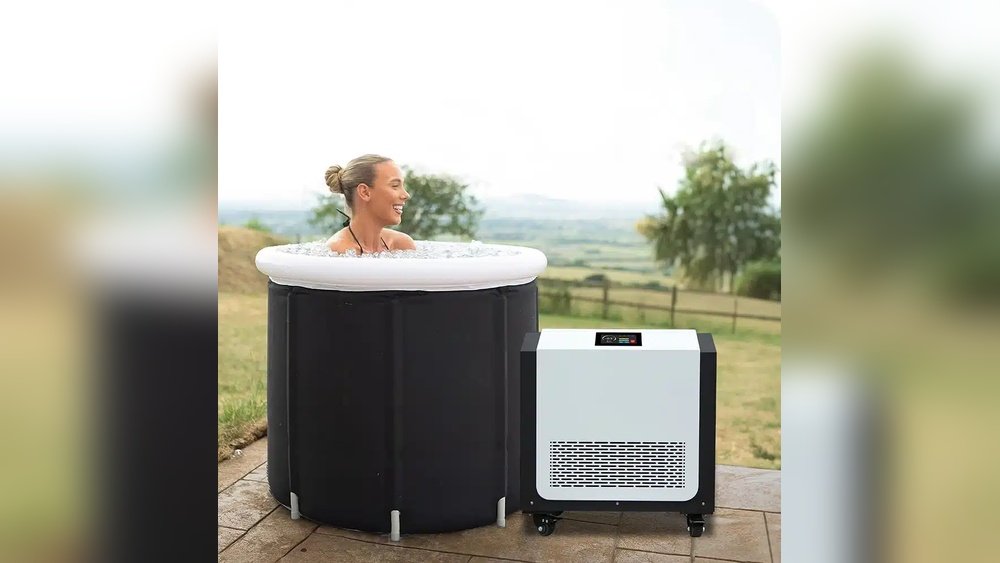
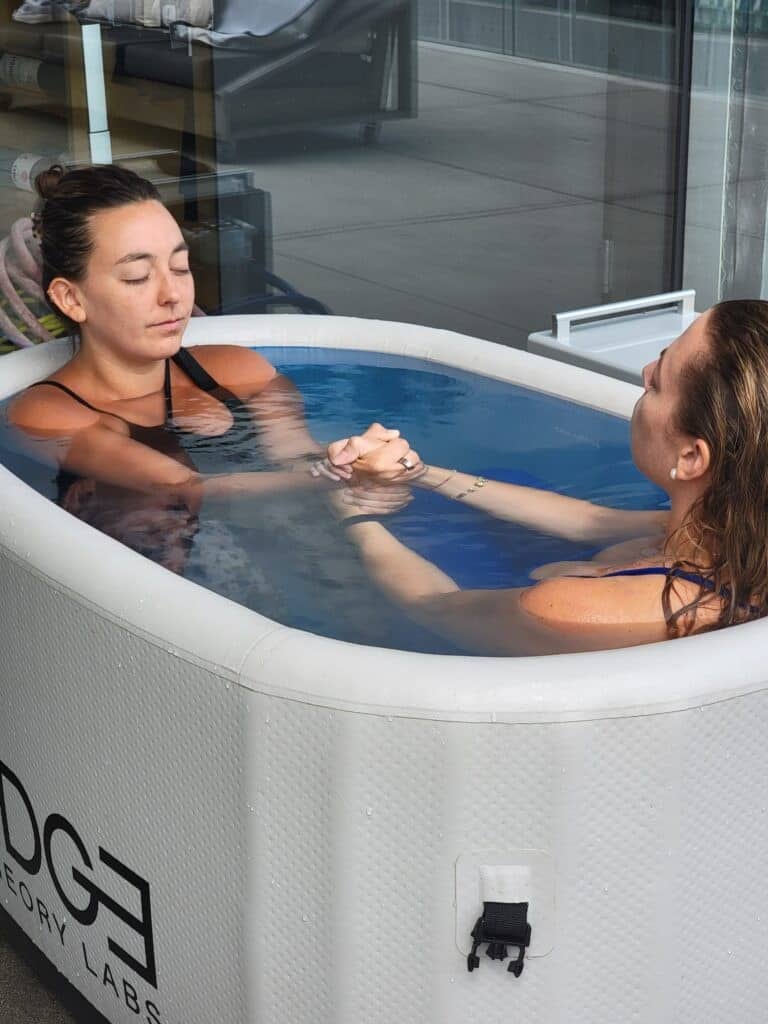
An ice bath tub is a container designed for people to sit or lay in cold water, usually with added ice. The main goal is to cool the body quickly after exercise, injury, or during hot weather. These tubs come in many shapes and sizes. Some are simple, like large plastic barrels, while others are more advanced, with built-in temperature controls and filtration systems.
Ice baths are also called cold water immersion or cryotherapy. They are used by athletes and fitness lovers to reduce muscle soreness, speed up recovery, and sometimes even for mental health benefits.
How Do Ice Bath Tubs Work?
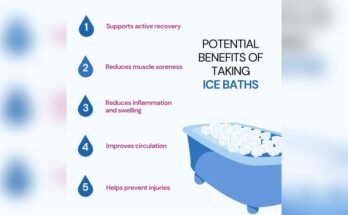
When you enter an ice bath, the cold water causes blood vessels to shrink. This process is called vasoconstriction. It helps lower swelling and slows down inflammation in your muscles. After you leave the cold water, your blood vessels open up again (vasodilation), and fresh blood flows into the area, bringing nutrients that help repair your body.
This cycle of cold and warm helps:
- Reduce muscle pain and soreness after exercise
- Decrease inflammation
- Support recovery from injuries like sprains or strains
Some people also use ice baths to train their bodies to handle stress better, which may help with focus and mood.

Main Benefits Of Using Ice Bath Tubs
Many people want to know: what do you really get from using an ice bath tub? Here are the main science-backed advantages:
1. Faster Muscle Recovery
When you push your body hard, you create small tears in your muscles. This is normal, but it can cause soreness (called delayed onset muscle soreness, or DOMS) one or two days later. Studies have shown that cold water immersion may help reduce these feelings of soreness, especially after tough workouts or competitions.
A review published in the *Journal of Strength and Conditioning Research* found that athletes who used ice baths for 10–15 minutes after exercise felt less sore and could train again sooner.
2. Lower Inflammation
Inflammation is your body’s response to injury or stress, but too much can slow healing. The cold water in ice bath tubs helps lower swelling and inflammation, which may speed up the repair process for muscles and joints.
3. Improved Sleep
Surprisingly, some research shows that cooling the body after exercise can help you sleep better. A drop in body temperature tells your brain it is time to rest. Many athletes report deeper, more restful sleep after taking an ice bath in the evening.
4. Possible Boost For Mental Health
While not everyone will feel this, some users say regular ice baths help them feel more alert, less stressed, and even happier. The cold water can trigger the release of endorphins, which are chemicals that improve your mood.
5. May Support Immune Function
A few studies suggest that repeated exposure to cold water could support the immune system. The shock of cold may make your body produce more white blood cells, which fight infection. However, more research is needed to be sure.
6. Potential Injury Recovery Aid
For people with minor injuries like sprains, cold therapy can help manage pain and swelling. Ice baths may be especially useful after sports games or intense training sessions to prevent injuries from getting worse.
Who Gets The Most Value From Ice Bath Tubs?
Ice bath tubs are not for everyone. They work best for:
- Athletes: Runners, football players, weightlifters, and other serious sportspeople use ice baths to recover faster and train harder.
- Fitness lovers: People who work out often and want to avoid soreness.
- People with physical jobs: If your work is hard on your body, ice baths may help after long shifts.
- Those with mild injuries: For small sprains or muscle strains, ice baths can be part of a recovery plan.
- Biohackers and wellness fans: Some use cold therapy to improve mood, alertness, or even immune health.
Not everyone needs an ice bath tub. If you only exercise lightly or a few times a week, simple rest and stretching may be enough.
Types Of Ice Bath Tubs
There are different types of ice bath tubs to fit different needs and budgets. Here is a breakdown of the main categories:
| Type | Main Features | Typical Price Range |
|---|---|---|
| Basic Portable Tubs | Inflatable or foldable, easy to store, filled with hose and ice | $60–$250 |
| Plastic or Steel Barrels | Large, strong containers; may have steps/handles | $100–$500 |
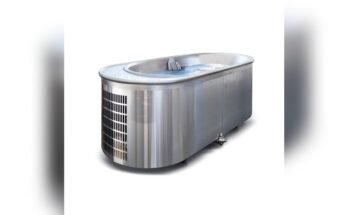
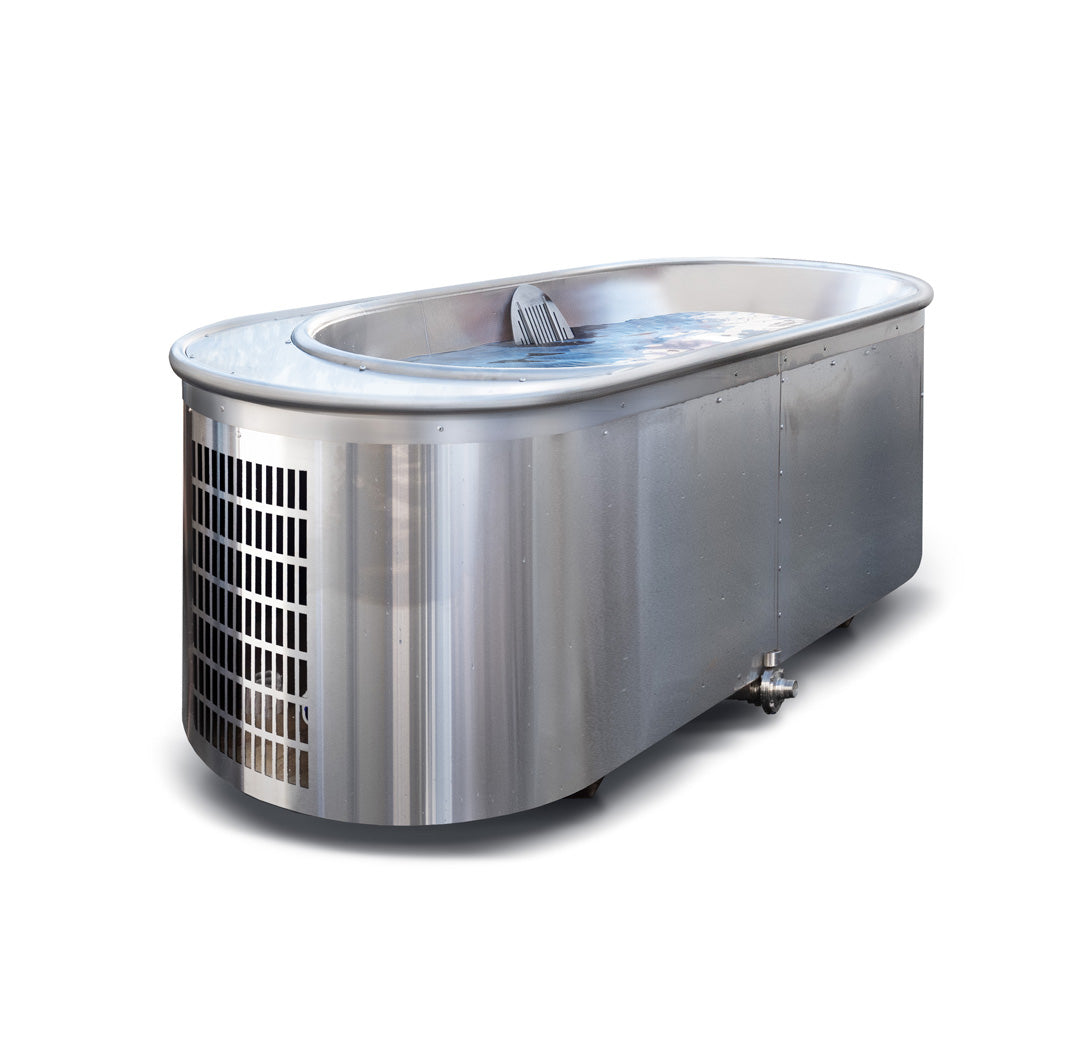
| Professional Cold Plunge Systems | Filters, chillers, temperature control, often used in gyms | $2,500–$12,000+ |
| DIY Setups | Repurposed bathtubs or livestock tanks, low cost | $60–$400 |
- Basic portable tubs are great for beginners. They are cheap, easy to move, and simple to use. Just fill with water and ice.
- Plastic or steel barrels are tougher and can last longer. Some have insulation to keep water cold.
- Professional cold plunge systems are top of the line. They keep water at a set temperature, clean themselves, and are ready all the time. They are often used in sports centers and high-end gyms.
- DIY setups are made from things like old bathtubs or farm water tanks. These can save money but may not look as nice.
How To Use An Ice Bath Tub Safely
Jumping into ice-cold water can shock your body, so safety is important. Here’s how to use an ice bath tub correctly:
- Check your health. If you have heart problems, high blood pressure, or circulation issues, ask your doctor before trying ice baths.
- Set the right temperature. For most people, 10–15°C (50–59°F) is cold enough. Do not go colder unless you have experience.
- Limit your time. Stay in for 5–15 minutes. Beginners should start with 2–3 minutes and slowly build up.
- Do not go alone. Have someone nearby in case you feel dizzy or weak.
- Warm up after. Put on dry clothes and move to a warm place after your ice bath to avoid getting too cold.
Some people make the mistake of staying in too long or using water that is too cold. This can be dangerous and may cause health problems.
Common Myths And Mistakes
With so much talk about ice bath tubs, myths can spread easily. Let’s clear up some common misunderstandings:
1. “ice Baths Are Only For Olympic Athletes.”
This is not true. Anyone who exercises hard or has muscle pain can benefit, as long as they use the tub safely.
2. “colder Is Always Better.”
Many think the coldest water gives the best results, but that’s not true. Too-cold water can be risky and does not always improve recovery. Mild cold is often enough.
3. “ice Baths Heal Injuries Instantly.”
Ice baths help with pain and swelling, but they do not cure injuries on their own. They are just one tool in a full recovery plan.
4. “you Need A Fancy Tub To Get Results.”
A simple tub with ice and water can work as well as expensive models for most people. The key is using it the right way.
5. “everyone Will Love Ice Baths.”
Some people find ice baths uncomfortable or even painful. It’s normal to need time to adjust.
Ice Bath Tubs Vs. Other Recovery Methods
Is an ice bath tub really better than other recovery tools? Let’s compare some popular options:
| Recovery Method | Main Benefits | Common Use | Cost |
|---|---|---|---|
| Ice Bath Tub | Reduces soreness, speeds recovery, lowers swelling | After hard workouts or injuries | Medium to high |
| Foam Rolling | Releases muscle tightness, improves flexibility | Anytime after exercise | Low |
| Massage | Relaxes muscles, reduces stress, helps circulation | After exercise or for relaxation | Medium to high |
| Stretching | Improves range of motion, prevents injury | Before/after workouts | Free |
| Compression Therapy | Reduces swelling, supports blood flow | After hard exercise or injury | Medium |
Each method has its place. Ice bath tubs are especially good for fast recovery after very tough workouts. For general muscle health, stretching and foam rolling are often enough.
What To Look For When Buying An Ice Bath Tub
If you decide an ice bath tub is right for you, here are some tips to help you choose:
1. Size And Space
Make sure the tub fits your body size and the space you have at home. Can you sit comfortably with your legs covered?
2. Insulation
Better-insulated tubs keep water cold for longer. This saves ice and money in the long run.
3. Drainage
A good drain makes cleaning and refilling easy. Some cheap tubs can be hard to empty.
4. Portability
If you need to move your tub or store it away, a foldable or lightweight model is best.
5. Extra Features
Some high-end tubs have built-in chillers, filters, or digital controls. These add convenience but also cost more.
6. Price
Set a budget before you shop. Remember, you do not need the most expensive model to get results.
Pro Tip: Many buyers forget to check if their floors can handle the weight of a full tub (water is heavy). Make sure your chosen spot is strong enough.
Real-world Examples And Experiences
Let’s look at how different people use ice bath tubs and what results they see:
Example 1: Marathon Runner
Amy is training for her first marathon. She uses a simple portable ice bath after long runs. She says her legs feel fresher and she can run again sooner. Amy spends about $80 on her tub and a few dollars each week on ice.
Example 2: Gym Owner
Mark owns a gym and buys a professional cold plunge system for his athletes. His tub keeps water at 11°C (52°F) all day. Members love it after hard workouts, and Mark says it brings in new clients. His system costs $7,000, but he sees it as an investment in his business.
Example 3: Weekend Warrior
Sami has a physical job and plays soccer for fun. He tries a DIY tub made from a farm tank. Sami finds that a quick ice bath after games helps with soreness, but he uses it only when really needed.
These stories show that different setups can work for different people. The key is matching the tub to your needs and lifestyle.
Do Ice Bath Tubs Really Work? The Science
Many studies have looked at cold water immersion. Here are some important findings:
- A 2016 review in the International Journal of Sports Medicine found that ice baths can reduce muscle soreness after intense exercise, especially when used for 10–15 minutes at about 10°C (50°F).
- Some studies say ice baths help athletes recover faster, but not all research agrees. For example, a 2018 review in the British Journal of Sports Medicine found mixed results, with some benefits for soreness but not always for muscle strength or power.
- Cold therapy is less helpful for long-term muscle growth. Using ice baths right after weight lifting may slow muscle building, because it can reduce the signals needed for muscle repair.
One insight that many people miss: ice baths work best for reducing soreness and swelling, but are not the best for building more muscle. For pure strength or size, use ice baths only after your hardest workouts, not every day.
Downsides And Risks Of Ice Bath Tubs
While ice bath tubs offer benefits, they are not risk-free. Here are some things to watch out for:
1. Discomfort And Shock
Getting into cold water is not easy. You may feel pain, numbness, or even get chills. This is normal, but it can be unpleasant.
2. Health Risks
For people with heart disease, high blood pressure, or circulation problems, ice baths can be dangerous. Always check with your doctor if you have health concerns.
3. Overuse
Using ice baths too often can slow muscle growth. It’s best to save them for hard training days or after competitions.
4. Cost And Maintenance
High-end ice bath tubs can be expensive. They also need cleaning and care to prevent bacteria or mold.
5. Not A Magic Cure
Ice baths are only one part of recovery. Good sleep, food, and rest are just as important.
Non-obvious insight: Many beginners forget that cold water can slow down the body’s natural healing signals if used too much. Ice baths are best used for short-term recovery, not every day.
Are Ice Bath Tubs Worth The Money?
Whether an ice bath tub is worth it depends on your goals, budget, and how often you will use it. Here’s a summary to help you decide:
- If you are a serious athlete or train very hard, an ice bath tub can be a smart investment. It can help you recover faster, avoid injuries, and perform better.
- If you exercise for general health or fun, a simple tub or even a cold shower may give you enough benefits.
- If you want the mental challenge and mood lift, ice baths can be a great way to build mental strength.
- If you have a tight budget, consider a DIY solution. You do not need the fanciest tub to get results.
Confident advice: Try a simple ice bath setup first before spending a lot of money. See how your body reacts and if you enjoy the process. If you find real benefits, you can always upgrade later.
Ice Bath Tubs In The Wider Wellness Trend
Cold therapy has become a trend, with many people also trying cryo chambers, cold showers, and even ice swimming. The popularity is driven by social media, famous athletes, and wellness experts. Even tech CEOs use ice baths for focus and recovery.
But remember, trends come and go. Ice bath tubs have real science behind them, but they are not a cure-all. Use them as one tool in your full recovery and wellness plan.
Cost Comparison: Is It Cheaper To Make Your Own?
Many people wonder if building a DIY ice bath is better than buying a professional tub. Here’s a quick look at the pros and cons:
| Option | Pros | Cons |
|---|---|---|
| DIY Tub | Cheap, flexible, fits any space | Can be hard to clean, less comfortable, no temperature control |
| Store-Bought Tub | Easy setup, often has insulation/drain, looks better | More expensive, may be heavy or hard to move |
| Pro Cold Plunge | Best features, always ready, lowest maintenance | High cost, large space needed |
For most people, starting with a simple or DIY tub is a good way to see if ice baths fit your life. If you love it, you can upgrade later.
Practical Tips For First-time Users
If you decide to try an ice bath, here are some useful tips:
- Start slow. The first dip will be hard. Begin with cool, not icy, water and increase the cold over time.
- Focus on breathing. Slow, deep breaths help your body adjust to the shock.
- Keep your hands out if you get too cold. This makes the ice bath more comfortable.
- Set a timer. Do not trust your feelings—use a watch or phone to track your time.
- Warm up after. Have a towel and warm clothes ready.
Insider tip: Many beginners do not realize that getting out of an ice bath can sometimes make you colder (afterdrop effect). Move around or do gentle exercise to warm up quickly.
Frequently Asked Questions
What Is The Best Temperature For An Ice Bath Tub?
For most people, 10–15°C (50–59°F) is the sweet spot. This is cold enough to give benefits but safe for most healthy adults. Do not go colder without experience or expert advice.
How Long Should I Stay In An Ice Bath Tub?
5–15 minutes is enough for most people. Beginners should start with 2–3 minutes and slowly increase as they get used to the cold.
Can I Use Regular Bathtubs For Ice Baths?
Yes, you can use a regular bathtub with cold water and added ice. However, special ice bath tubs are more comfortable, hold more water, and often have better drainage.
Are There Any Health Risks With Ice Bath Tubs?
Yes. People with heart problems, high blood pressure, or poor circulation should talk to a doctor first. Staying in too long or using very cold water can be dangerous.
Where Can I Learn More About Ice Bath Benefits And Research?
You can find more details and research summaries from sources like the Wikipedia: Ice Bath page, which includes studies and expert opinions.
Taking the plunge into cold water is not for everyone, but for those who use them wisely, ice bath tubs can be a powerful tool for recovery, mental focus, and overall wellness. Try it, listen to your body, and see if the chill is worth it for you.