Are Massage Guns Effective?
Muscle soreness and tension are common problems for many people. Athletes, office workers, and even those who simply sit for long hours can feel pain in their muscles. In recent years, massage guns have become a popular tool for relief. You may have seen these devices in gyms, sports shops, or even in your friends’ hands. But are massage guns really effective? Do they actually help your body recover, or are they just a trend? This article will explore the science, benefits, limits, and real-world use of massage guns. You’ll learn how they work, what they can do for you, and what to watch out for before buying or using one.
What Is A Massage Gun?
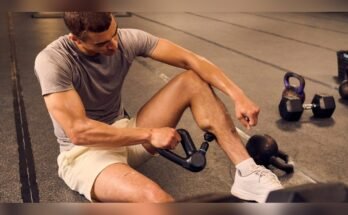
A massage gun is a handheld device that delivers rapid pulses to muscles. These pulses are called percussive therapy. The idea is simple: quick, repeated blows help loosen muscle tissue, increase blood flow, and reduce pain. Most massage guns look like a power drill, with a handle, a motor, and an attachment head that moves back and forth.
There are many brands on the market, such as Theragun, Hypervolt, and Ekrin. While their shapes and prices vary, the main goal is the same—to provide deep tissue massage without the need for a professional masseuse.
How Do Massage Guns Work?
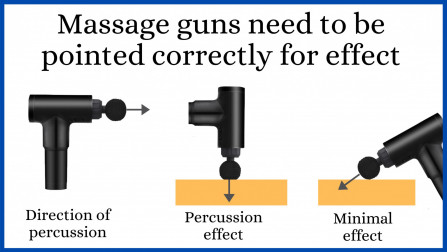
Massage guns use a motor to create rapid movements. When you press the gun against your skin, the head moves in and out at high speed—usually from 1,200 to 3,200 times per minute. This action is meant to mimic the tapping, pounding, or kneading done by a massage therapist.
The force (measured in percussion depth, usually 10–16 mm) and speed can be adjusted on most devices. Some guns also offer different attachments for targeting various muscle groups or issues.
The Science Behind Massage Guns
Do massage guns really work, or is it just marketing? The answer depends on what you expect.
Percussive Therapy Explained
Percussive therapy is not new. It has been used in sports medicine and physical therapy for decades, but massage guns made it more accessible. The theory is that by applying short, quick bursts of pressure, percussive therapy can:
- Increase blood flow to sore areas
- Help remove metabolic waste (like lactic acid)
- Reduce muscle tightness and spasms
- Interrupt pain signals sent to the brain
What Do Studies Say?
Most research on percussive therapy is small or uses other tools (like vibration plates). However, some studies specifically look at massage guns. For example, a 2020 study in the *Journal of Clinical Medicine* found that using a massage gun for five minutes on the calf improved range of motion by 5–10% with no loss of muscle strength.
Another study in the *Journal of Sports Science & Medicine* (2014) found that percussive therapy reduced delayed onset muscle soreness (DOMS) after intense exercise. These studies suggest some real benefits, but more research is needed for strong conclusions.
Comparing Massage Guns And Traditional Massage
Massage guns are not the same as traditional massage, but they share some effects. Both increase blood flow and help relax muscles. However, guns target one area at a time and may not reach deep layers as well as a skilled therapist’s hands.
Here’s a simple comparison:
| Massage Gun | Traditional Massage |
|---|---|
| Quick, focused treatment | Full-body or area-focused |
| Easy to use at home | Requires a therapist |
| Lower cost over time | Can be expensive per session |
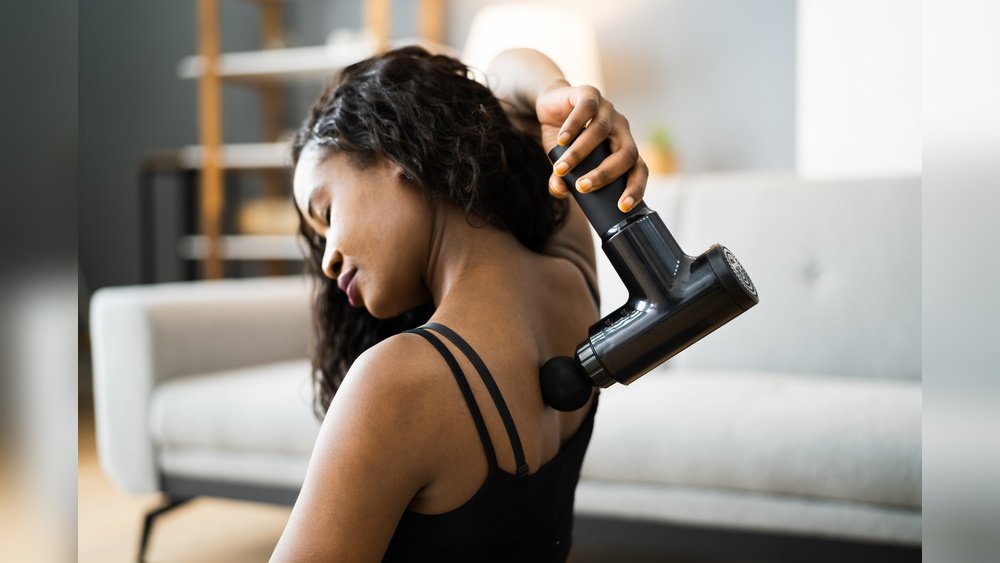
| Hard to reach some areas (like back) | Therapist can access all areas |
Key Benefits Of Massage Guns
Massage guns offer several benefits for different users. Let’s look at the main advantages, supported by both science and user reports.
1. Eases Muscle Soreness
One of the main reasons people buy massage guns is to reduce muscle soreness. After exercise, muscles can feel stiff and painful—this is called DOMS. Using a massage gun after a workout may help reduce this soreness by improving blood flow and relaxing tight tissue.
2. Helps With Muscle Recovery
Athletes often use massage guns as part of their recovery routine. Faster recovery means you can train again sooner. Studies suggest that percussive therapy can speed up the removal of lactic acid and other waste products that build up after exercise.
3. Improves Flexibility And Range Of Motion
Tight muscles can limit how far you can move your joints. Regular use of a massage gun may help muscles relax, making them more flexible. Some research shows that even short sessions (3–5 minutes) can improve joint range of motion, which is useful for athletes and older adults.
4. Reduces Stress And Promotes Relaxation
Muscle tension is often linked to mental stress. By relaxing your muscles, massage guns can also help your mind relax. Many users report feeling calmer and sleeping better after using a massage gun at night.
5. May Break Up Scar Tissue
Some massage therapists use percussive therapy to help break up scar tissue and adhesions in muscles. While evidence is limited, some users feel that regular massage gun use helps soften old injuries and knots.
6. Boosts Blood Circulation
Improved blood flow brings more oxygen and nutrients to the muscles. This can speed up healing, especially for people who sit for long periods or have poor circulation.
7. Convenient And Time-saving
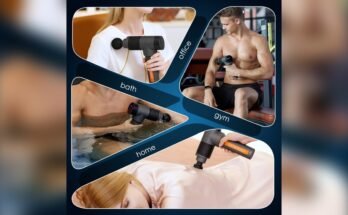
Massage guns are small and portable. You can use them at home, in the gym, or even at work. A typical session lasts just 5–10 minutes, so it’s easy to fit into your day.
Are Massage Guns Safe?
For most people, massage guns are safe when used correctly. But, like any tool, there are risks if you use them the wrong way.
Who Should Not Use A Massage Gun?
Some people should avoid massage guns or check with a doctor first:
- People with blood clotting disorders or taking blood thinners
- Pregnant women (especially on lower back and abdomen)
- Those with fractures, wounds, or skin infections
- People with certain nerve disorders (like neuropathy)
Common Mistakes And How To Avoid Them
Many beginners make mistakes that reduce results or cause harm. Here are two non-obvious but important tips:
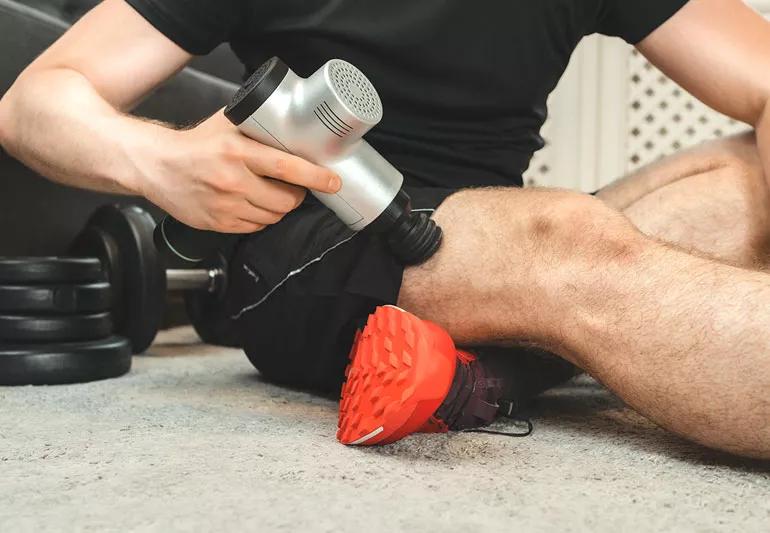
- Do not press too hard. Pressing the gun deep into muscles does not make it more effective. It can cause bruising or even damage nerves. Let the gun do the work—gentle pressure is enough.
- Avoid using on bones or joints. Massage guns are for muscle tissue only. Using them on bones, joints, or the neck can cause pain or injury.
Other tips:
- Do not use on broken skin or varicose veins.
- Limit each muscle group to 1–2 minutes.
- If you feel sharp pain, stop immediately.
Real-world Use Cases
Massage guns are not just for athletes. People from many walks of life use them for different reasons.
Athletes
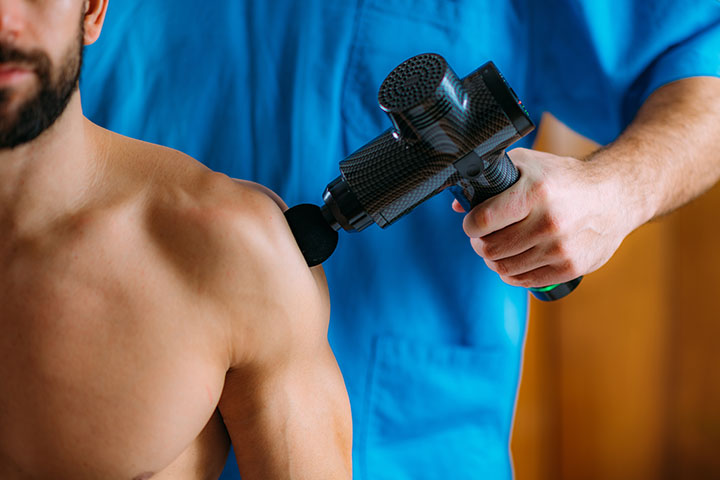
Sportspeople use massage guns before and after training. Before exercise, a quick session can warm up muscles and improve flexibility. After exercise, they use it to reduce soreness and speed up recovery.
Office Workers
Sitting for long hours can cause tightness in the neck, shoulders, and back. Many office workers keep a massage gun at their desk for quick relief during breaks.
Older Adults
As we age, muscles get stiffer. Some older adults use massage guns (with care) to help stay flexible and manage mild aches.
People With Chronic Pain
Some people with back pain, fibromyalgia, or arthritis report that massage guns help manage symptoms. However, they should always consult a doctor before starting.
How To Use A Massage Gun Effectively
To get the most from your massage gun, use it correctly. Here are some practical steps:
- Choose the right attachment. Use the round head for large muscles, fork head for the spine, and bullet head for trigger points.
- Start with low speed. Begin gently to see how your body reacts. Increase speed only if comfortable.
- Move slowly. Glide the gun over the muscle at about 1 inch per second.
- Focus on one area for 1–2 minutes. Longer is not better and can cause soreness.
- Breathe deeply. This helps your body relax and boosts the benefits.
- Drink water after use. This helps flush out toxins released during massage.
Example: Post-workout Routine
- Calves: 1 minute each
- Thighs: 1–2 minutes each
- Glutes: 1 minute each
- Shoulders: 1 minute each
This quick routine can reduce soreness after running or weightlifting.
Comparing Massage Guns With Other Recovery Tools
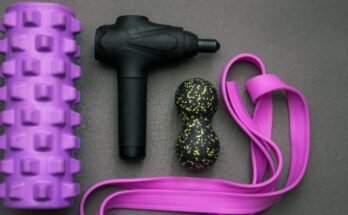
How do massage guns stack up against other popular recovery tools like foam rollers, massage balls, or stretching? Here’s a quick comparison to help you decide what fits your routine.
| Tool | Best For | Pros | Cons |
|---|---|---|---|
| Massage Gun | Targeted muscle relief | Quick, portable, easy to use | Can be noisy, requires battery |
| Foam Roller | Larger muscle groups | Covers big areas, no battery needed | Hard to use on some muscles, needs space |
| Massage Ball | Trigger points (knots) | Cheap, easy to travel with | Hard to control pressure, not for all areas |
| Stretching | Flexibility, injury prevention | No tools needed, can do anywhere | Does not give deep muscle relief |
What To Look For When Buying A Massage Gun
If you decide to buy a massage gun, consider these important factors:
1. Power And Speed Settings
A good gun should have multiple speed settings (at least 3) and strong enough power to reach deeper muscles. Look for a stroke length of at least 10 mm.
2. Battery Life
Short battery life is a common complaint. Most quality guns last 2–4 hours per charge. If you plan to use it often or travel, choose one with a longer battery life.
3. Attachments
More attachments mean you can target different muscle groups better. At least 3–4 heads is ideal.
4. Noise Level
Some guns are very loud, which can be annoying. Look for one with quiet technology if you plan to use it at home or in shared spaces.
5. Weight And Ergonomics
Heavy guns are hard to use for long periods, especially if you have hand or wrist pain. Choose a gun you can hold comfortably.
6. Price
Prices range from $50 to over $500. More expensive does not always mean better, but avoid very cheap models—they may lack power or break easily.
7. Warranty And Support
Reliable brands offer at least a 1-year warranty and good customer service. This is important in case your device has problems.
Common Buying Mistakes
One non-obvious mistake is choosing a gun that is too strong for your needs. If you only want gentle relaxation, a high-powered professional model can be overkill and may cause pain. Another mistake is buying a device with only one attachment, which limits its use.
Limits And Downsides Of Massage Guns
Massage guns are helpful, but they are not magic. Here are some things they cannot do:
- They do not cure injuries. Massage guns can help manage pain, but if you have a serious injury (like a tear or fracture), see a medical professional.
- They do not replace stretching or exercise. Massage guns are a tool, not a complete solution. You still need regular movement for healthy muscles.
- Results vary by person. Some people feel great, while others notice little change. Factors like age, muscle mass, and injury history all play a role.
Possible Side Effects
Most side effects are minor, like temporary soreness or redness. However, overuse can cause bruising or increase pain. Always start slow and listen to your body.
Insights Most Beginners Miss
Many first-time users expect instant results. In reality, the benefits of massage guns often build over time. Consistent, gentle use is key. Also, combining massage gun use with stretching, hydration, and good sleep will give far better results than using the gun alone.
Another common misunderstanding is about pain. A massage gun session should not hurt. If you feel strong pain, stop and check your technique. Pain does not mean better results—in fact, it can set back your recovery.
Expert Tips For Getting The Best Results
- Use the massage gun after light activity (like walking), not when completely cold.
- Focus on muscles, not bones or joints.
- Try using the gun before bed to improve sleep quality.
- Store the gun in a case to protect it from dust and damage.
Research And Medical Opinions
Leading sports medicine experts see massage guns as a useful part of recovery, but not a replacement for professional care. The American Physical Therapy Association notes that these devices can be helpful for soreness and mild tension but recommends seeing a therapist for long-term or serious pain.
Some medical studies, like those summarized in this Wikipedia article, suggest that massage guns can be effective for short-term relief, but more research is needed for chronic issues.
Future Of Massage Guns
Technology is evolving. Newer massage guns have smart features like Bluetooth, pressure sensors, and guided routines. In the future, these devices may connect with fitness apps to personalize your recovery even more.
Frequently Asked Questions
Are Massage Guns Better Than Foam Rollers?
Both tools have strengths. Massage guns offer quick, targeted relief and are easier to use on hard-to-reach muscles. Foam rollers are better for large muscle groups and cost less. For best results, many people use both.
Can I Use A Massage Gun Every Day?
Yes, most people can use a massage gun daily if they do not use too much pressure or time on one area. If you feel sore or bruised, take a day off. Always listen to your body.
How Long Should I Use A Massage Gun On Each Muscle?
Stick to 1–2 minutes per muscle group. More time does not mean better results. Overuse can cause soreness or bruising.
Who Should Avoid Using Massage Guns?
People with blood disorders, nerve issues, open wounds, or pregnant women (on certain areas) should avoid massage guns or check with a doctor first. If you have a serious injury, do not use a massage gun until cleared by a healthcare provider.
Are Massage Guns Worth The Money?
If you have regular muscle soreness or want faster recovery, a massage gun can be a good investment. However, they are not necessary for everyone. Consider your needs, budget, and whether you will use it often before buying.
Final Thoughts
Massage guns are more than just a fitness trend. They offer real benefits for muscle recovery, soreness, and flexibility for many people. While they are not a cure-all, most users find them helpful when used correctly. Remember, gentle and regular use, combined with other good habits like stretching and hydration, delivers the best results.
If you have doubts or special health needs, always talk to a doctor or physical therapist. Massage guns are a useful tool, but your health always comes first.