Many people want to relax sore muscles or recover faster after exercise. But not everyone has time or money for regular spa visits or physical therapy. This is where massage guns come in. These handheld devices promise deep muscle relief at home, with just the press of a button. You may have seen athletes, fitness influencers, or even your friends using them. But are massage guns really good for home use? Should you spend your money on one, or are they just another fitness fad? Let’s take a closer look at what massage guns are, how they work, and whether they are a smart choice for your home.
What Is A Massage Gun?
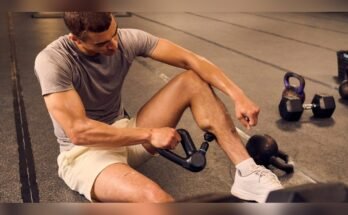
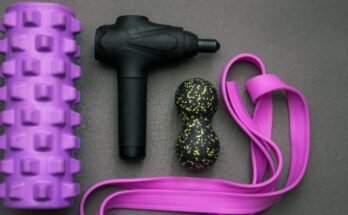
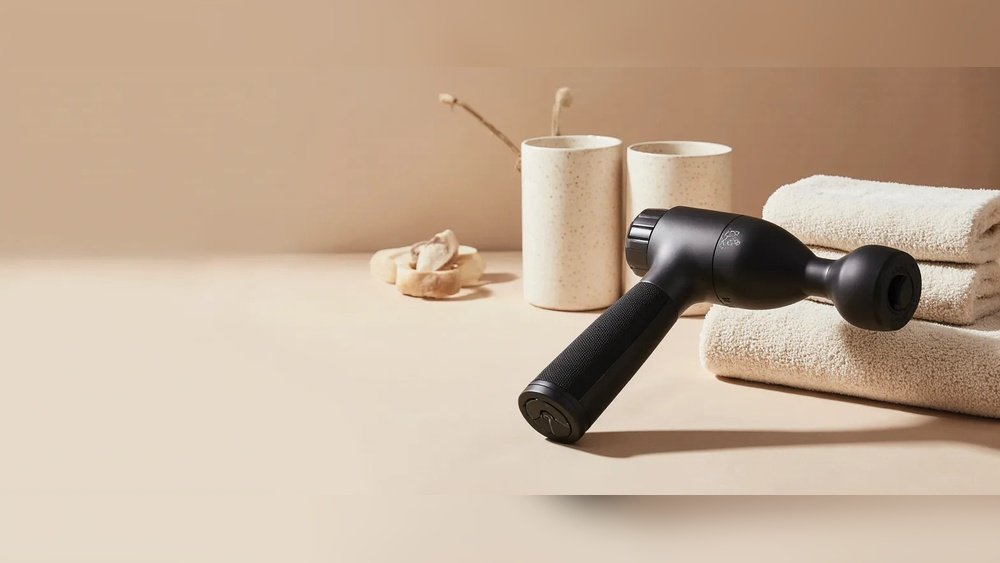
A massage gun is a portable, battery-powered device shaped a bit like a drill or hairdryer. It has a handle and an attachment head that moves back and forth rapidly. This movement is called percussion therapy or vibration therapy. When you press the head against your skin, it sends quick pulses into your muscles.
Most massage guns come with different speed settings and interchangeable heads. These are designed to target various muscle groups and provide different types of pressure. Some heads are soft for sensitive areas, while others are firm for deep tissue work.
How Do Massage Guns Work?
Massage guns use percussive therapy to stimulate your muscles. The head moves in and out at speeds ranging from 1,200 to 3,200 strokes per minute. This fast tapping motion increases blood flow, warms up tissue, and can help reduce tightness.
The science behind this is simple: When you deliver quick, repetitive pressure to muscles, it helps loosen knots (called trigger points) and encourages recovery. Increased blood flow brings more oxygen and nutrients to the area, helping the body remove waste products like lactic acid.
But there’s more to it. Studies show that vibration therapy can also help reduce pain signals sent to the brain, making sore muscles feel better, at least for a while.
Key Benefits Of Using A Massage Gun At Home
Massage guns offer several advantages for home use, especially for people who exercise, sit for long hours, or experience muscle pain. Here are some of the main benefits:
1. Convenient And Time-saving
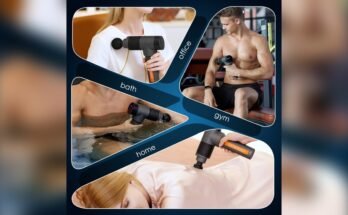
You can use a massage gun anytime and anywhere. There’s no need to schedule appointments or drive to a clinic. A quick session after work or exercise can fit easily into your routine. Most sessions last just 5–15 minutes.
2. Helps With Muscle Recovery
After a workout, muscles can feel tight or sore. Massage guns help speed up recovery by boosting circulation and reducing muscle stiffness. A 2020 study in the *Journal of Clinical Medicine* found that percussion therapy reduced delayed-onset muscle soreness (DOMS) after exercise.
3. Reduces Muscle Stiffness And Tension
If you sit at a desk or stand for long hours, you may get tight shoulders, neck, or back. Regular use of a massage gun can help release this tension, making you feel more comfortable and flexible.
4. Improves Range Of Motion
By relaxing tight muscles and breaking up adhesions, massage guns can help you move more freely. This is useful for athletes and older adults who want to maintain flexibility.
5. Easy To Use
Most massage guns are designed for self-use. You don’t need special skills. Just turn it on, choose the right attachment, and press it gently against the area you want to treat.
6. Customizable For Different Needs
With different speed and intensity levels, you can adjust the massage gun to match your comfort and goals. Whether you want a gentle massage or deep tissue relief, you have control.
7. Cost-effective Over Time
While a good massage gun can cost from $50 to $400, it is a one-time purchase. Over months or years, it can save you money compared to regular professional massages.
Are Massage Guns Safe For Home Use?
For most healthy adults, massage guns are safe when used correctly. However, there are important safety tips and warnings you should know:
- Avoid using on bones, joints, or the spine. Only use on large muscle groups.
- Don’t use on bruised, swollen, or injured areas. This can make things worse.
- Limit sessions to 1–2 minutes per muscle group. Longer sessions can cause soreness or bruising.
- Consult a doctor if you have health conditions. People with diabetes, nerve problems, blood clotting issues, or who are pregnant should check with a professional first.
- Don’t use on the neck or head. These areas are sensitive and can be injured easily.
An often-missed tip: Always start with the lowest speed setting. See how your body responds before increasing intensity. Many beginners use too much pressure too soon, which can lead to discomfort or even minor injuries.
Who Should Use A Massage Gun At Home?
Massage guns are suitable for many people, including:
- Athletes: To help recover after training and prevent muscle stiffness.
- Office workers: To relieve tension from sitting long hours.
- Older adults: For gentle muscle relaxation (with doctor’s approval).
- People with mild muscle pain: For easing everyday aches.
However, massage guns are not recommended for everyone. If you have a serious injury, recent surgery, or certain medical conditions (like blood clots, deep vein thrombosis, or advanced osteoporosis), you should avoid using them.
A key insight: Even healthy users should not use a massage gun as a replacement for medical treatment. If pain is severe or does not improve, it’s best to see a healthcare professional.
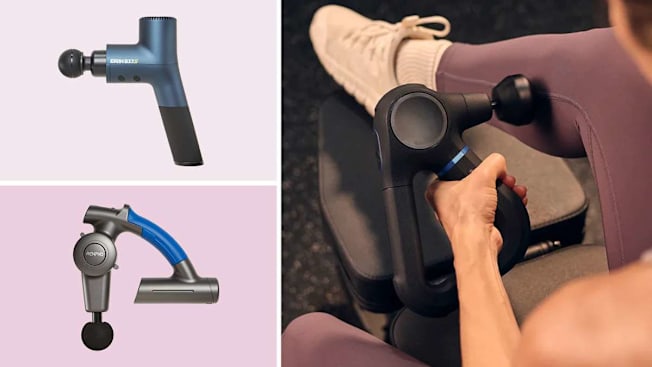
Types Of Massage Guns Available
Massage guns come in many shapes, sizes, and price ranges. Here is a simple comparison of common types:
| Type | Features | Best For | Price Range |
|---|---|---|---|
| Full-Size | Strong motor, multiple attachments, long battery life | Regular users, athletes | $150–$400 |
| Mini/Portable | Compact, lightweight, fewer settings | Travel, occasional use | $50–$150 |
| Budget | Basic features, fewer speeds, less power | Beginners, light use | $30–$80 |
Some well-known brands include Theragun, Hyperice, TimTam, and Ekrin. However, many less expensive options are available online with similar features.

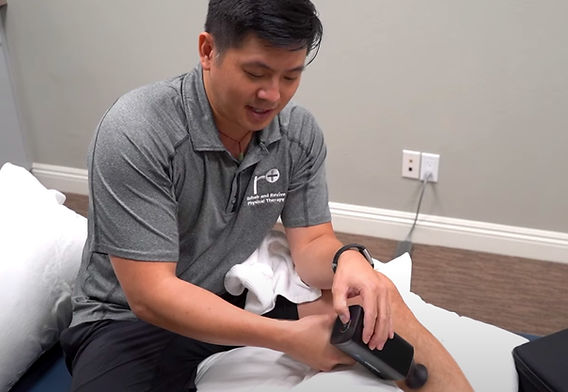
How To Use A Massage Gun Safely At Home
Using a massage gun is simple, but following best practices ensures safety and better results.
- Charge the device fully before use. This prevents sudden stops and ensures consistent speed.
- Choose the right attachment for the muscle group. For example, a ball head for large muscles, a bullet head for deep knots.
- Turn on the lowest speed setting first. Gently press the head onto the muscle.
- Move the device slowly over the area in small circles or lines. Do not stay in one spot for more than 10–15 seconds.
- Limit sessions to 1–2 minutes per muscle group.
- Stop if you feel pain, numbness, or tingling. These are warning signs.
A common mistake is pressing too hard. Let the weight of the massage gun do the work. More pressure does not mean better results.
Massage Guns Vs. Traditional Massage: What’s The Difference?
Some people wonder if a massage gun can replace a professional massage. Here’s a quick side-by-side view:
| Massage Gun | Traditional Massage |
|---|---|
| Self-use, anytime at home | Needs a trained therapist |
| Quick sessions (5–15 min) | Longer (30–90 min) |
| Focuses on muscle recovery, tension | Can address deeper health issues, stress, posture |
| One-time cost | Pay per session |
| Limited by device power and technique | Personalized, hands-on care |
Massage guns are best for quick relief and muscle recovery at home. They cannot fully replace the skill of a trained massage therapist, especially for complex or chronic pain.
Factors To Consider Before Buying A Massage Gun
If you are thinking about getting a massage gun, here are some important things to keep in mind:
1. Power And Speed
Check the motor strength and speed levels. More powerful guns offer deeper massage, but may be noisier and heavier. For most people, 2,000–2,800 strokes per minute is enough.
2. Battery Life
Good models last 2–6 hours on a single charge. If you travel or plan to use it often, choose one with longer battery life.
3. Noise Level
Some massage guns can be loud. Look for models with quiet motors if you want to use it at night or in shared spaces.
4. Attachments
More attachments mean more flexibility. At least three heads (ball, bullet, and flat) are ideal for different muscles.
5. Weight And Size
Heavy guns may be hard to use for long periods, especially for people with weak grip. Try to find a model under 2.5 pounds (1.1 kg) for easy handling.
6. Price And Warranty
Higher price does not always mean better quality. Read reviews and check the warranty for peace of mind.
A commonly overlooked factor: Check how easy it is to clean the attachments. Sweat and oils can build up quickly, so removable, washable heads are a plus.
Potential Drawbacks And Limitations
While massage guns are useful, they are not perfect. Here are some disadvantages to consider:
- Can cause bruising if used too long or with too much pressure
- Not suitable for everyone (children, people with certain health conditions)
- Can be expensive (high-end models)
- May not reach all areas (like the middle of your back)
- Battery-powered—needs charging, may lose power over time
Another issue beginners often miss: Using a massage gun on the same spot every day can lead to irritation or overuse injuries. Give your muscles time to recover between sessions.
Real-world Examples And Scientific Evidence
Many athletes and trainers use massage guns for recovery. For example, NBA players are often seen using Theragun or Hypervolt devices courtside. In a 2019 study from the *Journal of Sports Science & Medicine*, researchers found that percussive therapy improved short-term muscle performance and reduced soreness after exercise.
But it’s not just for athletes. A 2021 survey by the American Council on Exercise found that over 60% of regular exercisers who tried massage guns felt faster recovery and less stiffness after use.
However, there is still limited long-term research. While short studies show benefits, more evidence is needed on safety and effectiveness for different groups, especially older adults and people with chronic pain.
For more scientific background, you can explore this Wikipedia article on percussive therapy.
Tips For Getting The Most Out Of Your Massage Gun
- Warm up first: Use the massage gun after light exercise or a warm shower for best results.
- Hydrate: Drink water before and after to help your muscles recover.
- Use regularly: A few minutes each day or after workouts is better than long, infrequent sessions.
- Combine with stretching: This helps maintain flexibility and reduce tightness.
- Listen to your body: If you feel pain or discomfort, stop and rest.
Many people make the mistake of using a massage gun only when they are already sore. It’s actually more effective to use it as a preventive tool, before muscle tightness sets in.
Frequently Asked Questions
What Are The Main Benefits Of Using A Massage Gun At Home?
Massage guns help reduce muscle soreness, speed up recovery, relieve tension, and improve flexibility. They are convenient, easy to use, and can save money over time compared to regular massages.
Are Massage Guns Safe For Everyone?
No. While they are safe for most healthy adults, people with certain medical conditions (like blood clots, recent surgery, nerve disorders, or who are pregnant) should avoid them or consult a doctor first.
How Often Should I Use A Massage Gun?
For most people, 3–5 sessions per week is enough. Use for about 1–2 minutes per muscle group, and allow at least one day of rest between sessions on the same area.
Can A Massage Gun Replace A Professional Massage Therapist?
No. Massage guns are great for quick relief and daily recovery but cannot match the personalized care and assessment of a trained therapist. For chronic pain or complex issues, see a professional.
Which Areas Of The Body Should I Avoid When Using A Massage Gun?
Avoid using on your neck, spine, joints, bones, head, or any injured, swollen, or bruised area. Focus on large muscle groups like thighs, calves, arms, and shoulders for safe use.
Final Thoughts
Massage guns have changed the way many people manage muscle soreness and recovery at home. They offer quick, convenient relief and can be a valuable tool if used with care. While they are not a cure-all, and not everyone should use them, most healthy adults can benefit from adding a massage gun to their wellness routine.
Remember to start slow, use the right settings, and listen to your body. If you have health concerns or ongoing pain, always consult a medical professional. With the right approach, a massage gun can be a simple and effective way to keep your muscles happy and healthy at home.