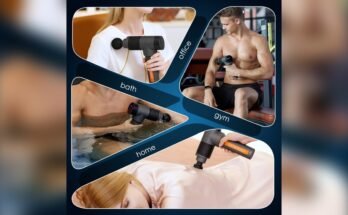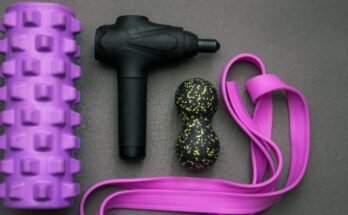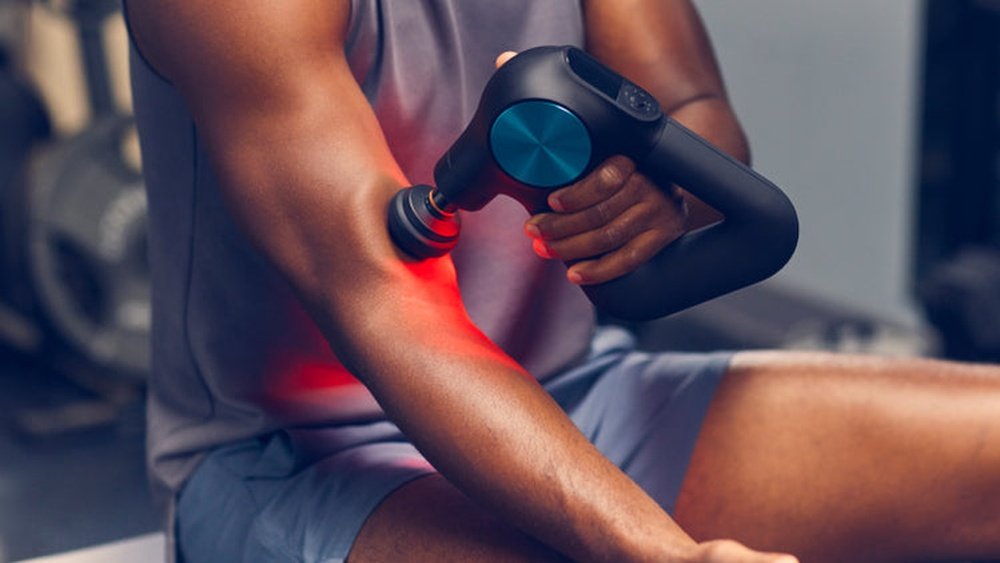
Many people see massage guns as a quick way to relax tight muscles, ease pain, or recover after exercise. They look powerful and professional, and you’ll find them everywhere from gyms to homes. But there’s one question that often pops up before buying: Are massage guns loud? If you’re considering using one in your apartment, at the office, or late at night, noise level could be a dealbreaker.
This article takes a deep dive into massage gun noise. We’ll explore how loud these devices really are, what makes them noisy (or quiet), and how to choose the right one if sound is a key concern. You’ll also get practical advice, real examples, and answers to common questions—so you can decide if a massage gun fits your lifestyle.
Understanding Massage Gun Noise
Massage guns use a rapid pulsing motion—also called percussive therapy—to provide deep muscle relief. But that same motion creates vibrations and, often, a distinct noise. Most massage guns are battery-powered and use a small electric motor to drive a piston back and forth. The speed, power, and build quality of these parts all affect how much sound the device makes.
Some noise is normal and hard to avoid. Even the quietest motor will still generate a hum, and the pounding action can add extra volume—especially when pressed against hard muscles or bones. But not all massage guns are the same.
Some are so quiet you can talk over them, while others are loud enough to disturb people in the next room.
Decibel Levels: How Loud Is Loud?
Noise is usually measured in decibels (dB). For reference:
- 20-30 dB: Whisper or soft rustling
- 40-50 dB: Quiet home or light rain
- 60 dB: Normal conversation
- 70 dB: Vacuum cleaner
- 80+ dB: Busy street or blender
Most massage guns range from 40 dB to 70 dB during use. Cheaper or older models can reach 80 dB or more—about as loud as a kitchen blender. High-end, “quiet” models might stay closer to 40-50 dB, which is about as loud as light background music.
What Makes A Massage Gun Loud?
Noise is not just about the motor. Several factors come together to determine how much sound you’ll hear when you use a massage gun.
Motor Type And Quality
The motor is the heart of the device. Brushless motors are usually quieter than brushed ones, and higher-quality motors tend to vibrate less. Brands that invest in better motors often advertise “whisper-quiet” or “silent” operation, though you should always check real user reviews for confirmation.
Build Materials
Plastic casing can amplify vibration noise, especially if it’s thin or poorly fitted. Metal bodies often absorb sound better, but they can make the gun heavier. Some brands add noise-dampening rubber or foam to reduce vibration, but this can also affect weight and price.
Speed Settings
Higher speed means faster movement, which often equals more noise. Most massage guns offer several speed settings—starting at a gentle 1,000 pulses per minute up to 3,200 or more. At lower speeds, the noise level drops; at higher speeds, you’ll likely notice more sound.
Attachments And Heads
The shape and material of the massage head make a difference. Hard plastic heads can “slap” noisily against the skin or bone. Softer silicone or rubber heads tend to absorb some of the impact, reducing noise. Some specialized attachments are designed to be extra quiet, but they may not suit every muscle group.
Usage Surface
Pressing the device against thick muscle (like the thigh) will usually sound quieter than using it on bony areas (like the shin or elbow). The surface you’re sitting or standing on also matters. Using a massage gun on a hard floor or table can amplify vibrations, while a soft couch or carpet may help absorb them.
Battery Level
A low battery can make the motor struggle, sometimes creating extra noise. Regular charging helps keep the device running smoothly and quietly.
How Massage Gun Noise Compares (with Examples)
Noise is hard to judge from marketing claims alone. To give you a real sense of how loud massage guns are, here’s a comparison of some popular models and common household sounds.
| Massage Gun Model | Noise Level (dB) | At Max Speed |
|---|---|---|
| Theragun PRO | 65-70 dB | Similar to a vacuum cleaner |
| Hypervolt 2 | 50-60 dB | Like a normal conversation |
| TimTam Power Massager | 80+ dB | Like a blender |
| RENPHO Mini | 45-55 dB | Like background music |
| Cheap “no-brand” massager | 70-85 dB | Very loud—can disturb others |
As you can see, there is a wide range. High-end models are usually quieter, but not always silent. Cheaper or heavy-duty models may be significantly louder.
When Does Massage Gun Noise Matter Most?
Not everyone minds a bit of noise, but some situations make quiet operation much more important:
- Late-night use: If you want to use your massage gun while others are sleeping, a loud device can wake them up.
- Apartments with thin walls: Neighbors may hear and complain.
- Office or shared spaces: Co-workers could be distracted.
- Relaxation routines: If you plan to use your device while watching TV or listening to music, a loud gun can ruin the mood.
- Travel: Using a massage gun in a hotel room or on public transport (like long flights or trains) demands a quieter model.
If you care about these situations, you’ll want to look for devices that specifically advertise low noise levels (and check real user feedback).
How To Test Massage Gun Noise Yourself
Testing noise level before buying can save you frustration. Here’s how you can do it:
- Visit a store: Try demo units in person. Ask to use them at full speed.
- Use a decibel meter app: Download a free app to your phone. Hold it about 30 cm from the device while running it on different speeds.
- Compare to household sounds: Turn on a fan, TV, or vacuum cleaner, and see how the massage gun compares.
- Read/watch real reviews: Look for video reviews online where you can hear the gun in action, not just read numbers.
Tips For Reducing Massage Gun Noise
If you already own a massage gun that’s too loud, or want to keep things as quiet as possible, try these tips:
- Use lower speed settings: The lowest setting is usually much quieter.
- Choose soft attachments: Swap hard heads for rubber or silicone ones.
- Massage larger muscles: Avoid bony areas, which amplify sound.
- Hold the device firmly: Loose grip can cause more vibration and noise.
- Place a towel between the device and your skin: This can absorb some sound, though it may reduce the massage effect.
- Charge fully: Use the device with a full battery for smoothest, quietest operation.
- Regular cleaning and maintenance: Dust in the vents or motor can cause extra noise.

What To Look For In A Quiet Massage Gun
If noise is a top priority, you’ll need to look past the marketing and focus on the details that matter. Here’s what to check:
Motor Technology
Look for brushless motors. These are more efficient, last longer, and are much quieter than brushed motors. Brands often highlight this in their product descriptions.
Noise Level Ratings
Many companies list a decibel range (for example, “45-55 dB”). Compare this to other sounds in your environment. Remember, even a 10 dB difference can sound almost twice as loud to the human ear.
Real-world Reviews
Ignore the “silent” claims and read or watch what real buyers say. Search for video demos or sound tests. Sometimes, “quiet” on paper is not quiet in practice.
Build Quality
Well-built massage guns are less likely to rattle or vibrate. Look for tight seams, solid materials, and a good warranty.
Weight And Balance
Surprisingly, lighter guns can sometimes be louder, as they vibrate more in your hand. A slightly heavier device with good balance may actually sound quieter.
Speed/power Options
If you only need light massage, you don’t need the loudest, most powerful device. Choose one with variable speeds and a gentle mode.
Real User Experiences: Noise In Practice
To get a sense of how much noise matters, here are some insights from people who use massage guns regularly:
- “My old massager sounded like a drill. I could only use it when nobody was home. My new one is much quieter—I can use it while watching TV.”
- “I tried using my massage gun in the office, but it was too loud. The vibration sound traveled through the table and everyone looked over.”
- “I wanted to use my massage gun before bed, but it woke up my partner every time.”
- “I bought a quiet model so I could take it on trips. It’s quiet enough for hotel rooms, but not silent.”
These stories show that noise tolerance is personal. What’s fine for one person may be too loud for another, depending on the setting.
Massage Guns Vs. Other Recovery Devices
How do massage guns compare to other recovery tools in terms of noise? Here’s a quick look:
| Device | Noise Level | Notes |
|---|---|---|
| Massage Gun | 40-80 dB | Variable; can be quiet or loud |
| Foam Roller | 10-20 dB | Almost silent; only faint squeaks |
| Electric Foot Massager | 50-70 dB | Buzzing sound; usually not disturbing |
| Handheld Vibrating Massager | 60-80 dB | Often louder than massage guns |
| Manual Massage Stick | 0-10 dB | Silent except for friction sounds |
If you want the quietest option, manual tools are hard to beat. But if you need the deep, targeted effect of a massage gun, choosing a quieter model is key.
Common Myths About Massage Gun Noise
Let’s clear up a few misunderstandings that often confuse buyers:
- All high-power guns are loud: Not true. Some modern, powerful guns use advanced motor technology to stay quiet.
- Expensive means quiet: Higher price can mean better motors, but not always. Some mid-priced guns are just as quiet as premium ones.
- Noise doesn’t matter if you use it briefly: Even a few minutes can be annoying if you’re in a shared space or trying to relax.
- You get used to the noise: Maybe, but others around you might not!
- Noise is only about the motor: Attachments, build quality, and how you use the gun all matter too.
How Noise Affects Massage Gun Effectiveness
You might wonder if a quieter massage gun is less effective. In most cases, noise level doesn’t impact the actual massage power. The main factors for effectiveness are:
- Amplitude (how far the head moves back and forth)
- Percussions per minute (how fast it moves)
- Force/pressure
Quiet guns can deliver strong massages if they’re well designed. However, the most powerful, “pro” guns for athletes often make more noise, simply due to their high speed and force.
If you need a gun for general recovery, a quieter model is often more than enough. But for deep tissue therapy or heavy sports use, you might need to accept a bit more noise.
Future Trends: Are Massage Guns Getting Quieter?
In the last five years, massage gun technology has improved quickly. More brands are using brushless motors, better materials, and advanced sound-dampening designs. Some companies even create “stealth” or “ultra-quiet” models aimed at home users.
As competition grows, expect even more focus on quiet operation—especially as more people use these devices in apartments and shared spaces. Still, no massage gun is completely silent, and marketing promises can be exaggerated.
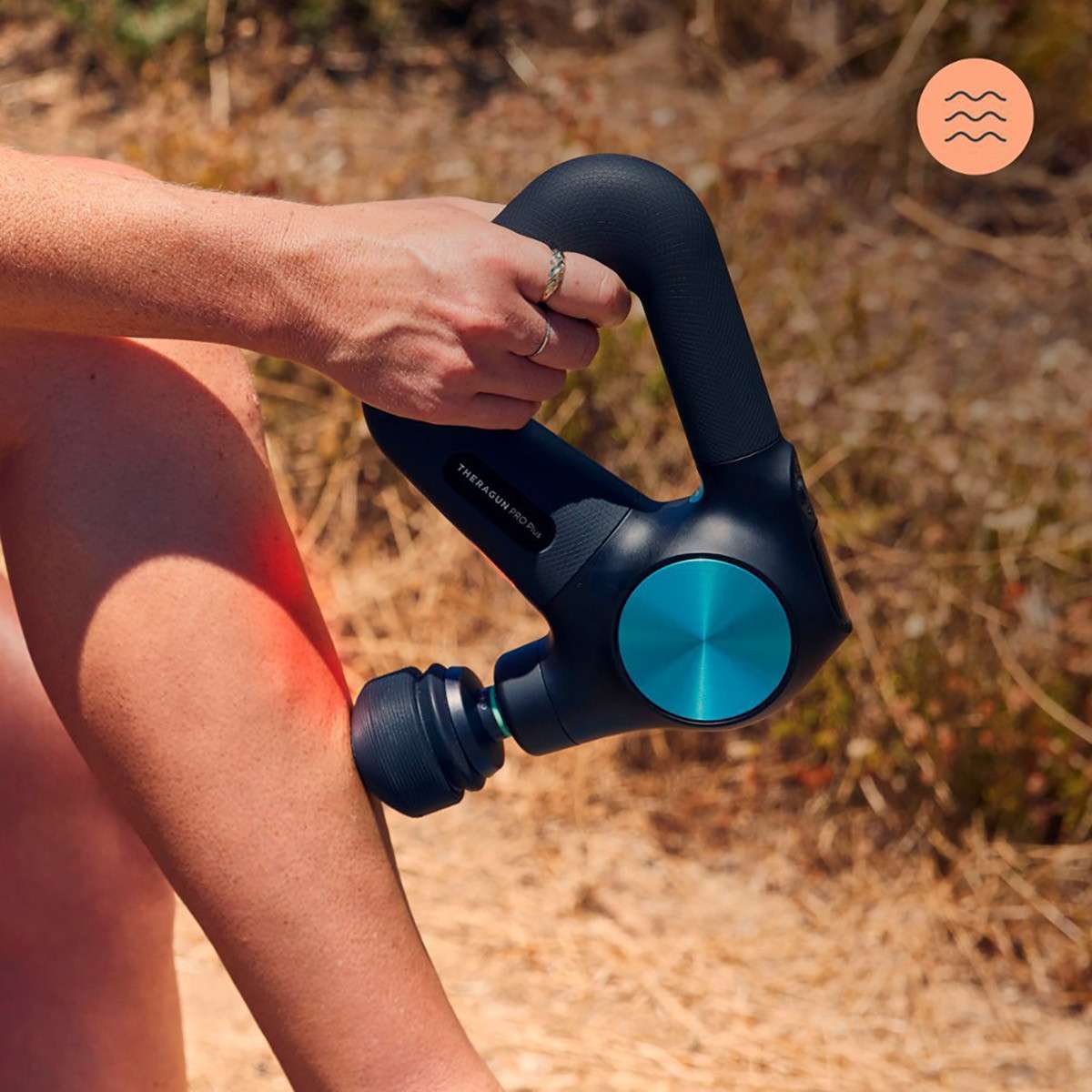
How To Choose The Right Massage Gun For Noise Sensitivity
If noise is a top concern, use these steps to make a smart choice:
- Set your budget: Quieter guns usually cost more, but there are good mid-range options.
- Decide on power needs: If you only need light to medium massage, you can focus more on noise level.
- Prioritize brushless motors: Look for this in the product specs.
- Read/watch real reviews: Seek out video demos with sound tests.
- Check the decibel rating: Compare to everyday sounds in your home.
- Look for “quiet” attachments: Some brands sell special heads for silent use.
- Consider warranty and return policy: In case the device is louder than you expect.
- Try before you buy: If possible, test in a store or borrow from a friend.
Remember, what’s quiet to you may be loud to someone else. If you live with others, ask their opinion before you commit.
Practical Use Cases: When Quiet Massage Guns Shine
A few real-world examples where a quiet massage gun makes a big difference:
- Parents with young kids: Use after the children are asleep, without waking them.
- Night-shift workers: Relax after work without disturbing family.
- Students in dorms: Relieve study stress without annoying roommates.
- Travelers: Use in hotel rooms or on long train rides without bothering others.
- Therapists: Offer massage in clinics or home visits without creating an unprofessional atmosphere.
In these cases, the right device can mean the difference between daily use and leaving your massage gun in the drawer.
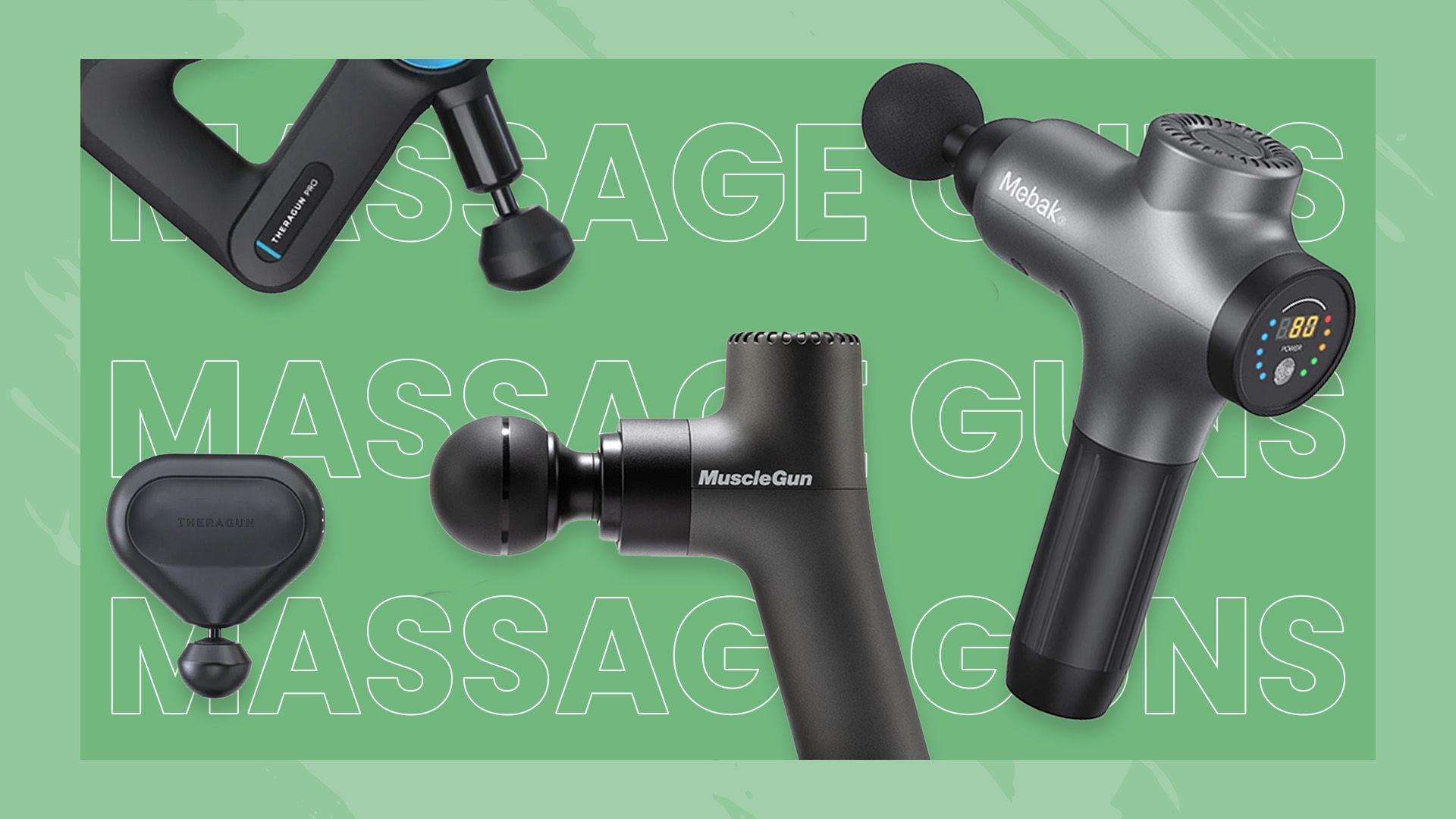
Comparing Quietest Massage Guns: Top Picks
To help you get started, here are a few models often praised for their quiet operation (always check for the latest reviews and updates):
- Hypervolt 2: Known for its quiet brushless motor and multiple speed settings.
- Theragun Elite: Quieter than the PRO model, but still powerful.
- RENPHO Mini: Compact and quiet, great for travel.
- LifePro Sonic LX: Good balance of power and low noise.
- Opove M3 Pro: Budget-friendly, with solid noise control.
These are just starting points. There are many other brands and models, and new ones appear often. Always check the decibel rating and real user feedback.
Non-obvious Insights Most Beginners Miss
- Room acoustics matter: Using a massage gun in a tiled bathroom or empty hallway will sound much louder than in a carpeted, furnished room.
- Your hearing adapts, but others’ does not: You may stop noticing the noise, but roommates or pets may stay sensitive to it.
- Noise can affect relaxation: Even if you’re not disturbing others, a loud, rattling device can make it harder to unwind.
Frequently Asked Questions
What Is The Average Noise Level For Massage Guns?
Most massage guns operate between 40 and 70 dB, depending on speed and model. Quiet models are closer to 40-50 dB (like a quiet conversation), while louder ones reach 70 dB or more (like a vacuum cleaner).
Can You Use A Massage Gun While Watching Tv?
Yes, but the experience depends on the device. Quieter massage guns can be used comfortably while watching TV. Louder models may drown out dialogue or annoy others in the room. Try to choose a gun under 55 dB for best results.
Do Massage Guns Disturb Neighbors In An Apartment?
It depends on your building’s walls and the device’s volume. Loud massage guns can sometimes be heard in neighboring rooms, especially at night or if used on hard surfaces. Opt for a quiet model if you live in an apartment.
Are Mini Massage Guns Quieter Than Full-size Ones?
Mini massage guns are often designed to be quieter, but not always. Some mini models sacrifice power for silence. Always check the decibel rating and real user feedback before buying.
How Do I Know If A Massage Gun Is Quiet Before Buying?
Look for decibel ratings (dB) in the product specs, seek out real video reviews, and try to test the device in person if possible. Pay attention to user comments about noise, not just marketing claims. For more details on decibel levels, you can visit Wikipedia’s decibel page.
A massage gun can be a great tool for muscle recovery, but noise matters more than many people realize. By understanding what makes these devices loud (or quiet) and knowing what to look for, you can choose the right model for your needs—and enjoy your massage in peace.